Full Article
about Benicolet
Quiet farming village surrounded by ravines and nature, perfect for unwinding.
Ocultar artículo Leer artículo completo
Morning in the Mountains
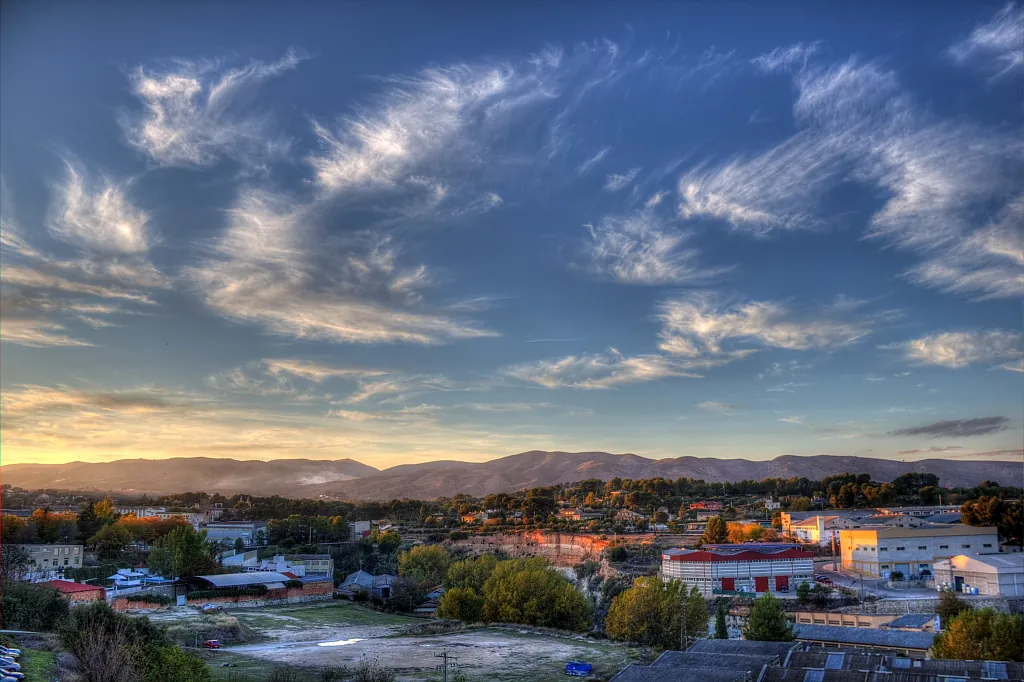
The church bell strikes seven, though few in Benicolet need reminding it's time to rise. The real alarm comes from the surrounding orange groves, where spring blossoms release their heavy perfume through open shutters. At 241 metres above sea-level, this Vall d'Albaida village sits high enough to catch mountain breezes that carry the scent downhill towards the coast at Gandía, twenty-five kilometres away.
From Valencia, the journey takes just over an hour on the A-7, then winding country roads that climb through terraced olive groves. The approach reveals the village's compact logic: houses huddle around San Pedro Apóstol church, their stone walls thick enough to withstand summer heat and winter tramontana winds alike. It's a layout the Moors refined centuries ago, though the name Benicolet predates them, deriving from Arabic roots that translate roughly as "son of Ali."
The Art of Doing Very Little
There are no monuments to tick off here, no queues for selfies with famous façades. Instead, the village's appeal lies in its refusal to perform for visitors. The daily rhythm centres on Plaza Mayor, where elderly men gather at Bar Central for mid-morning carajillos—coffee laced with brandy—while discussing the price of oranges and the reliability of modern irrigation systems. Their wives arrive later, shopping bags in tow, stopping to exchange village gossip before the siesta hours render the streets silent.
This is agricultural Valencia at its most honest. The surrounding fields aren't manicured for tourists but worked hard by families whose grandparents terraced these slopes. Orange trees dominate the lower terraces, their fruit sold to cooperatives that supply British supermarkets each winter. Higher up, ancient olive groves produce oil that rarely leaves the region, consumed locally or traded between neighbours. Between the two crops, vegetable plots burst with tomatoes, peppers and aubergines during summer months, their irrigation channels dating back to Moorish water-management systems.
Water and Stone
The village's lifeblood flows from natural springs, particularly Fuente de la Salud on the northern edge. These fountains once provided drinking water; now they're meeting points where hikers refill bottles and locals gather at dusk when summer temperatures finally drop. The water tastes faintly metallic, rich with minerals that have sustained generations. Following the spring's path downhill reveals the village's original purpose: a defensive position controlling valley trade routes, with clear sight lines towards Xàtiva's castle ten kilometres south.
Inside the church, baroque altarpieces gleam with gold leaf applied by craftsmen whose names appear in parish records dating to 1743. The building itself represents layers of conquest and reconquest—Moorish stones repurposed into Christian walls, Gothic arches supporting Renaissance additions. Sunday mass still draws decent crowds, though attendance drops during summer when many families escape to coastal flats in Gandía or Dénia.
Walking Without Purpose
Benicolet serves best as a base for exploring the Vall d'Albaida's walking network. Paths radiate outwards, following ancient mule tracks between villages. One route heads three kilometres to neighbouring Benissoda, passing through pine forests where wild rosemary grows thick enough to scent the air for weeks after rain. Another climbs towards Serra Grossa, reaching 800 metres within two hours, rewarding walkers with views across thirty kilometres of orange groves to the Mediterranean.
These aren't manicured trails but working paths between fields. Way marking appears sporadically—painted yellow arrows that fade in summer sun, occasional stone cairns built by farmers rather than park rangers. Sturdy footwear proves essential after rain, when clay sections become slippery enough to catch out overconfident ramblers. Spring brings the best conditions: mild temperatures, wildflowers covering cleared terraces, and the annual transformation when orange blossom turns entire valleys white.
Eating Like a Local
The village contains one restaurant, Casa Blava, open Thursday through Sunday and serving set menus at €12-15. Expect proper Valencian cooking: oven-baked rice with pork ribs and garrofó beans, followed by custard-filled pastries called pastissets. The owner, María, sources vegetables from her brother's plot and olive oil pressed from family trees. Arrive hungry—portions reflect agricultural appetites rather than delicate city dining.
For self-catering, the tiny supermarket stocks basics: local sausages, Manchego cheese, wine from Cooperativa de Xàtiva at €3 a bottle. Better options lie five kilometres away in Vallada, where Saturday market sells seasonal produce: artichokes in February, tomatoes during July and August, mushrooms gathered from nearby mountains after autumn rains. British visitors often over-buy oranges, forgetting fruit ripens on trees until April and costs pennies compared to UK prices.
When Silence Breaks
Late June transforms Benicolet completely. Fiesta week celebrating San Pedro Apóstol brings temporary bars, outdoor discos thumping until 4am, and processions where villagers carry the saint's effigy through streets carpeted with rosemary and thyme. Population swells from 600 to 2,000 as expat families return from Madrid and Barcelona, squeezing into ancestral homes built for larger 19th-century families.
August repeats the pattern for summer fiestas, though temperatures often exceed 35°C. These weeks reveal village divisions: locals who've never left versus returnees who've made fortunes in construction or catering elsewhere. Tensions surface over noise levels, with older residents complaining about youngsters who've forgotten village ways despite being born here.
January's San Antonio fiesta proves more authentic. Animal blessings draw farmers from across the valley, their tractors polished for parade through streets barely wide enough for modern machinery. Traditional pastries called rotllets de Sant Antoni appear in bakeries—sweet rolls flavoured with aniseed that locals dunk into thick hot chocolate, creating a breakfast substantial enough to postpone lunch until 3pm.
The Reality Check
Benicolet won't suit everyone. Public transport barely exists—a twice-daily bus to Xàtiva that locals ignore in favour of cars. Summer heat proves relentless; without pools or beaches, temperatures drive visitors towards coastal resorts. Winter brings the opposite problem: mountain winds that cut through inadequate British clothing, forcing cafés to close early when custom disappears.
Accommodation options remain limited. One rural house rental sleeps six, costing €80 nightly, but requires minimum week bookings during fiesta periods. Alternative bases lie in larger Vallada or Albaida, both five kilometres distant with more facilities but less character. Many visitors base themselves at coastal campsites, driving inland for day trips—a practical compromise that misses evening atmospherics when village life becomes most authentic.
The village rewards those seeking Spain's agricultural reality rather than costa entertainment. Come for orange blossom season, stay for conversations with farmers who remember when Britain joined the Common Market and transformed their orange export business. Leave before fiestas if you value sleep, or arrive specifically for them if you want to understand how Spanish villages maintain identity despite decades of change. Just don't expect anyone to organise entertainment—you'll need to create your own from the materials at hand: mountain paths, market produce, and villagers happy to share stories with foreigners who bother learning enough Spanish to ask.