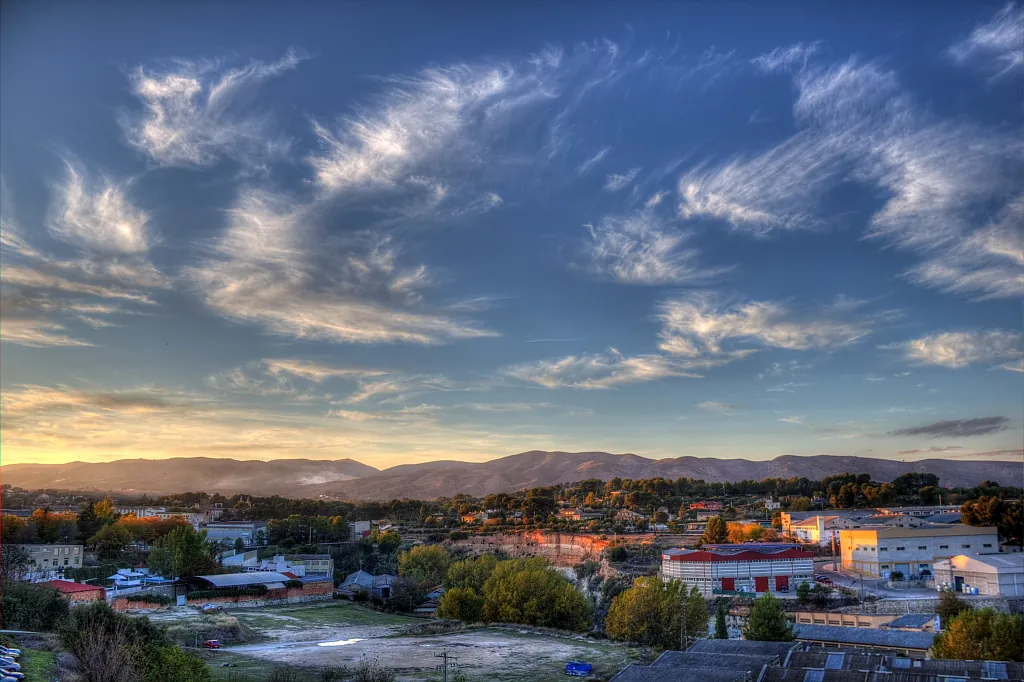
Vista aérea de Benissoda
Instituto Geográfico Nacional · CC-BY 4.0 scne.es
Comunidad Valenciana · Mediterranean Light

Benissoda

The church bell strikes half past eleven, and Benissoda's main street empties as if someone had thrown a switch. Within minutes, the only movement ...

494 inhabitants · INE 2025
319m Altitude

Why Visit

Church of the Nativity Hiking in the mountains

Best Time to Visit

summer

Rosary Festival (August) agosto

Things to See & Do
in Benissoda

Heritage

  • Church of the Nativity

Activities

  • Hiking in the mountains

Festivals
& & Traditions

Fecha agosto

Fiestas del Rosario (agosto)

Las fiestas locales son el momento perfecto para vivir la autenticidad de Benissoda.

Full Article
about Benissoda

Quiet village at the foot of the Agullent range, surrounded by farmland.

Ocultar artículo Leer artículo completo

The church bell strikes half past eleven, and Benissoda's main street empties as if someone had thrown a switch. Within minutes, the only movement comes from a tabby cat stalking pigeons outside the bakery, and an elderly man wheeling his shopping home in a wire trolley. This is midday in the Vall d'Albaida, when even the swallows seem to pause their chatter.

The anatomy of a working village

Four hundred and sixty souls call Benissoda home, and their footprints have worn smooth the limestone kerbs over centuries. The village sprawls across a gentle rise, its terracotta roofs interrupted only by the parish church's modest tower that doubles as the local timekeeper. Streets narrow to shoulder-width in places, designed for mules rather than the occasional Seat Ibiza that squeezes through, mirrors folded in like a cat's ears.

Architecture here speaks of practicality rather than grandeur. Houses wear their original colours—ochre, dusty rose, sun-bleached blue—faded by decades of Mediterranean sun. Iron balconies support geraniums in mismatched pots, while ground-floor doorways reveal glimpses of tiled interiors where afternoon television flickers against whitewashed walls. There's no historic centre to speak of; the entire village is the historic centre, lived-in and slightly worn, like a favourite leather jacket.

The agricultural landscape presses right up against the last row of houses. Almond groves occupy the nearest slopes, their silver-green leaves rustling with a sound like distant rain. Below, citrus orchards create a patchwork of deep green, the trees heavy with fruit from November through May depending on variety. The scent changes with the seasons: orange blossom in April fills the whole valley with honeyed perfume, while January carries the sharper tang of harvested mandarins.

Walking country without the drama

Benissida sits at 340 metres above sea level—not mountain height, but enough to provide views across the valley's rolling farmland. The terrain won't challenge seasoned hikers; instead it offers gentle tracks that meander between dry-stone walls and ancient olive terraces. Local farmers use these paths daily, their dogs trotting ahead while they check irrigation systems or inspect almond trees for early blossom.

One particularly pleasant route follows the old mule track towards neighbouring Beniatjar, passing an abandoned farmhouse whose roof collapsed during the 1982 floods. Stone threshing circles dot the landscape, their circular forms now filled with wild fennel and poppies. The walk takes ninety minutes at a steady pace, though carrying water is essential—shade remains scarce until the plane trees near Beniatjar's outskirts.

Spring brings the most rewarding walking conditions, when temperatures hover around twenty degrees and the almond blossom creates brief clouds of white along every ridge. Autumn offers a second sweet spot, with harvesting activity providing interest and the valley's colours shifting towards bronze and copper. Summer walking requires an early start; by eleven o'clock the sun beats down mercilessly, and even the lizards seek shelter beneath rocks.

The reality of village dining

Food here follows agricultural rhythms rather than culinary trends. The single restaurant opens only at weekends outside summer months, its menu written on a chalkboard that changes according to whatever appeared at the market in Ontinyent that morning. Expect proper home cooking: lentils with spinach and morcilla, rabbit stewed with bay leaves, or perhaps a simple tortilla that's achieved the perfect balance between set and oozing.

The village's two bars serve more as social clubs than dining destinations. Morning coffee comes with a complimentary biscuit and conversation about rainfall statistics. Evening drinks might arrive with a saucer of olives grown two kilometres away, or crisps poured from industrial-sized bags. Neither establishment accepts cards—cash remains king here, preferably in small denominations because change gets rationed carefully.

For self-caterers, the tiny supermarket stocks essentials: tinned tuna, local wine at €2.50 a bottle, and bread delivered fresh each morning except Monday. The bakery produces exactly four types of loaf; arrive after eleven and you'll find only crumbs. Fresh fish appears on Thursdays, brought in from Gandia by a white van whose arrival prompts a subtle migration of shopping baskets towards the main square.

When the valley comes alive

Benissoda's calendar revolves around agricultural milestones rather than tourist seasons. The almond harvest in September sees families returning from Valencia and Barcelona, grandchildren pressed into service gathering nuts while grandparents supervise from folding chairs. Orange picking stretches from November to March, with the valley roads busy with tractors pulling trailers of fruit towards the cooperative in Ontinyent.

The village fiesta during late August transforms quiet streets into something approaching bustle. The restaurant extends its terrace across the road, a temporary bar appears in the square, and the church hosts concerts where amplified guitars compete with cicadas. Visitors are welcome but not courted—this remains a celebration for benissoderos first and foremost. Accommodation within the village becomes impossible to find, though Ontinyent offers options ten minutes away by car.

Winter maintains its own gentle rhythm. January mornings often start with mist filling the valley like milk in a bowl, the village floating above as an island. Temperatures can drop to freezing overnight, though snow remains rare. The bar fills with farmers discussing rainfall and orange prices, while television news provides background commentary to card games and dominoes that have continued uninterrupted for decades.

Making it work: the practicalities

Reaching Benissoda requires accepting that motorway efficiency ends at Xàtiva. From there, the CV-657 winds through forty-five kilometres of increasingly rural landscape, past villages where roadside shrines mark accident blackspots and elderly women sell honey from garden gates. The final approach involves three sharp bends and a gradient that tests clutch control—automatic drivers find themselves grateful for the hire company's comprehensive insurance.

Public transport exists in theory. A twice-daily bus connects to Ontinyent, timed for school and shopping rather than tourism. Missing the 14:30 return means an overnight stay or an expensive taxi. Hiring a car isn't just recommended—it's essential for anyone wanting to explore beyond the village limits.

Accommodation options remain limited to two village houses renovated for rural tourism. Both book solid during almond blossom season and the August fiesta, when prices double and minimum stays extend to three nights. The properties offer authentic village living, complete with church bells every hour and neighbours' roosters providing dawn chorus. Light sleepers should pack earplugs.

Benissoda won't suit everyone. Those seeking boutique hotels, guided tours, or Instagram moments should continue to the coast. But for travellers content to observe authentic Spanish village life—where the bakery sells out by eleven, where farmers still judge time by sun position rather than smartphones, where conversations flow as easily as the local wine—this unassuming corner of the Vall d'Albaida offers something increasingly rare. Just remember to carry cash, respect the siesta, and don't expect the restaurant to open on a Tuesday.

Key Facts

Region
Comunidad Valenciana
District
Vall d'Albaida
INE Code
46068
Coast
No
Mountain
No
Season
summer

Livability & Services

Key data for living or remote work

2024
Connectivity5G available
TransportTrain station
HealthcareHealth center
EducationElementary school
Housing~6€/m² rent · Affordable
Sources: INE, CNMC, Ministry of Health, AEMET

Official Data

Institutional records and open data (when available).

  • Castell Vell de Albaida
    bic Monumento ~1.6 km

Planning Your Visit?

Discover more villages in the Vall d'Albaida.

View full region →

More villages in Vall d'Albaida

Traveler Reviews