Full Article
about Benisuera
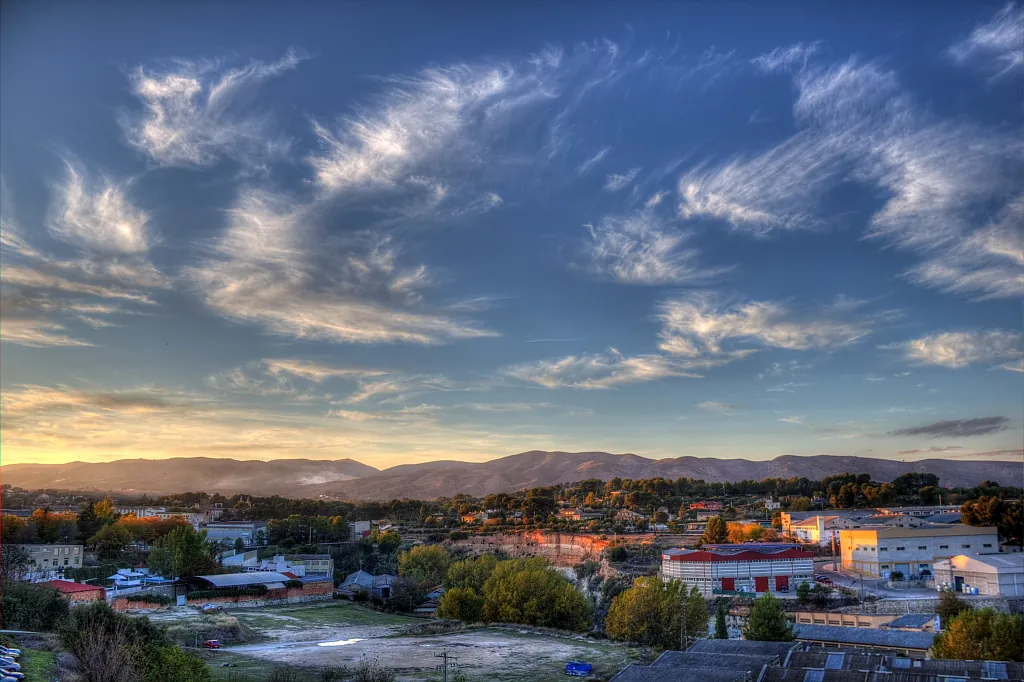
Small town with a manor palace being restored and a rural atmosphere.
Ocultar artículo Leer artículo completo
The church bell rings twice. That's all it takes for the entire village to know lunch is served – not because they're watching clocks, but because in Benisuera, population 190, everyone can hear it. This is rural Valencia stripped of pretence: a cluster of stone houses where the loudest sound is often your own footsteps echoing off walls that have witnessed three centuries of siestas.
At roughly 200 metres above sea level, Benisuera sits in the Vall d'Albaida's agricultural belt, where the land shifts between orange groves and almond terraces depending on the season. The approach tells you everything – the A-7 motorway deposits you at Xàtiva, then it's 20 minutes of narrowing roads where GPS signal falters and mobile coverage becomes patchy. This isn't accidental isolation; it's deliberate distance from the coastal chaos of Benidorm, 90 kilometres east.
The village centre spans exactly four streets. San Miguel Arcángel church anchors the plaza, its bell tower repaired after lightning struck in 1987, leaving scorch marks still visible on the western wall. Inside, the altar piece depicts the archangel defeating Satan with a spear that local children insist looks suspiciously like a farming tool. They're not wrong – the artist was the priest's nephew, who painted what he knew.
Morning reveals the village's rhythm. By 8am, tractors cough to life heading towards fields that fan out like green patchwork. The bakery (open 7-11am only) sells ensaïmadas that sell out by 9:30 regardless of weather. The bar, really someone's front room with three tables, serves coffee at €1.20 and functions as unofficial information centre. Ask about hiking routes and the owner, Paco, will produce a hand-drawn map that includes his cousin's house "in case you need water" and warnings about which paths cross hunting grounds during season.
Those walks reward the moderately adventurous. A 45-minute loop south-east leads to abandoned terraces where medieval irrigation channels still carry water, their stone walls hosting ferns that shouldn't survive this far inland. Another track, marked by fading yellow paint, climbs gently towards the Sierra de la Solana ridge. Spring brings wild asparagus that locals harvest with the dedication of truffle hunters; autumn offers mushrooms if you know where to look (and Paco's map does indicate spots, though he's circled them in pencil for plausible deniability).
The agricultural calendar dictates more than tourism brochures admit. Visit in late April and you'll find the village virtually empty – everyone's helping with the almond harvest that pays many bills. January means pruning orange trees, a task requiring skilled labour that brings extended families home. August afternoons see shutters closed against 38-degree heat; life happens at 6am and resumes after 8pm when temperatures drop to manageable levels.
This isn't picturesque Spain for Instagram. Houses need painting, satellite dishes sprout from ancient walls, and the weekly rubbish collection involves residents carrying bins to the main road because lanes are too narrow for lorries. Yet these imperfections create authenticity that coastal resorts lost decades ago. When the elderly woman in black emerges from her doorway at precisely 2pm to water geraniums, she's not performing for visitors – she's maintaining routine that predates package holidays.
Food reflects this honesty. The village's single restaurant opens weekends only, serving arroz al horno (oven-baked rice) from a recipe that Maria, cooking since 1978, refuses to write down. Her husband tends the wood-fired oven behind the kitchen, feeding it orange branches that flavour the rice with subtle citrus. The menu changes based on what her son catches hunting or what vegetables neighbours bring in exchange for wine. A three-course lunch costs €14 including half-bottle of house wine that would be triple the price in Valencia's tourist restaurants.
Evening transforms the village completely. Streetlights, installed reluctantly in 2003, create pools of amber between buildings that glow orange from within. Television sounds drift through open windows – Spanish dubbed versions of British detective shows prove surprisingly popular. The plaza fills with card games and gossip, though conversations pause when strangers approach, not from suspicion but because privacy matters when everyone knows everyone's business.
Practical reality checks matter. Benisuera won't fill a day, let alone a weekend. Combine it with nearby towns: Bocairent's medieval caves lie 25 minutes north-west, while Xàtiva's castle complex deserves at least half-day exploration. Sunday visits require planning – the bakery stays shut, the bar opens at noon, and finding lunch means driving to Ontinyent, 12 kilometres south. Winter brings morning fog that can linger until 11am; summer demands early starts unless you enjoy walking in furnace conditions.
Accommodation options reflect village scale. One casa rural sleeps six in a converted grain store, booked months ahead by returning families. Otherwise, Ontinyent provides hotel beds with pools that prove essential July-August. The village does offer something hotels can't – silence so complete you hear your heartbeat, and skies dark enough for Milky Way viewing without light pollution.
The fiestas in late September celebrate San Miguel with the intensity only small places achieve. The entire population, swollen by emigrants returning from Barcelona and Brussels, processes behind the saint's statue while a brass band plays with more enthusiasm than accuracy. Fireworks, set off from the church roof, terrify dogs and delight children. Visitors are welcome but not catered to – bring your own chair for the outdoor dinner, and don't expect vegetarian options when the paella pan measures two metres across.
Benisuera rewards those seeking Spain beyond flamenco and sangria stereotypes. It offers instead the radical experience of a place where community matters more than commerce, where the elderly maintain vegetable gardens because that's what's always been done, where the church bell still calls people to worship and the baker knows exactly how many croissants to make because he's been counting the same customers for decades.
Come for two hours, stay for lunch, leave before dinner. Or better yet, time your visit for the almond blossom in February, when the surrounding hills turn white and pink and the village, briefly, becomes beautiful in ways no postcard could capture. Just remember to bring cash – the baker doesn't take cards, and Paco's coffee tastes better when you pay with coins that have jingled in Spanish pockets for generations.