Full Article
about Llutxent
Site of the Miracle of the Corporales, with a monastery and castle on the monastery route.
Ocultar artículo Leer artículo completo
The bells that guide you home
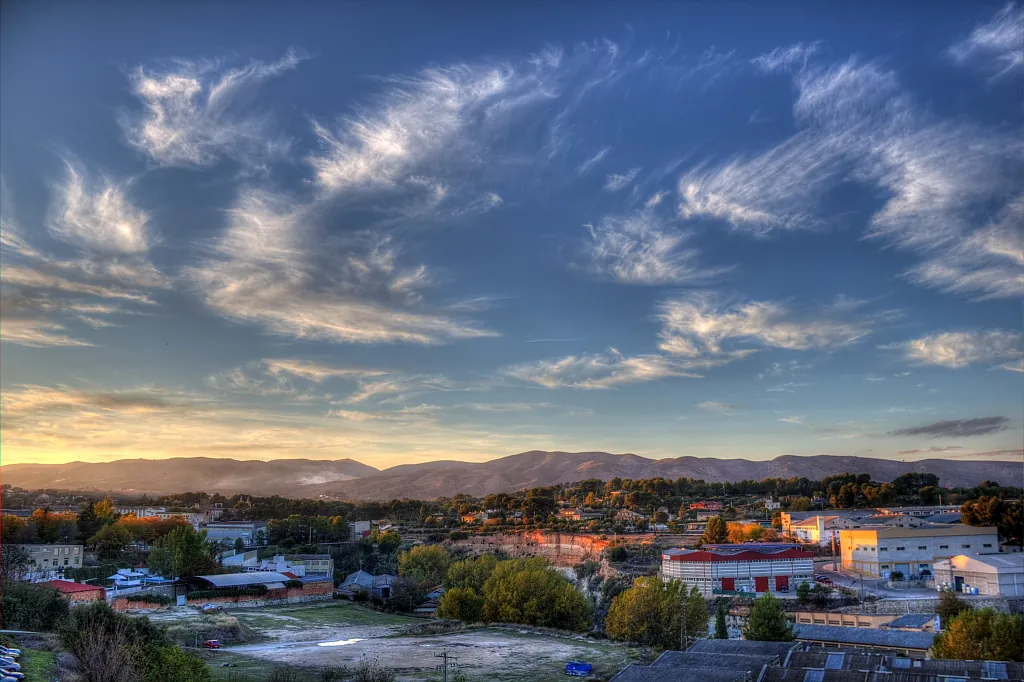
San Miguel's bell tower appears first, rising above almond trees like a stone compass. From the CV-60 motorway it's the only clue that Llutxent exists at all—no service stations, no billboards, just this 18th-century tower watching over 2,300 souls scattered across terraced hills. At 280 metres above sea-level, the village sits high enough to catch mountain breezes but low enough for citrus to thrive, creating a climate where oranges sweeten while the coast swelters thirty kilometres east.
The approach road winds through working farmland, not manicured countryside. Tractors pull trailers of pruning debris; farmers stack orange crates against stone walls that have marked boundaries since Moorish times. This is agricultural Valencia stripped of seaside gloss, where agriculture pays mortgages rather than posing for postcards.
Streets that remember
Inside the old quarter, houses squeeze together like passengers on a rush-hour tube. Streets bear Valencian names—Carrer Major, Carrer de l'Església—narrow enough to touch both walls with outstretched arms. Whitewashed facades flake gently; terracotta roof tiles carry lichen like elderly gentlemen wearing age with pride. The occasional manor house breaks the rhythm with sandstone doorways carved in 1643, but these grand statements feel almost apologetic beside their simpler neighbours.
The parish church dominates a modest plaza where four benches face each other like pensioners exchanging gossip. Inside, Baroque gold leaf competes with folk-art saints and a 19th-century organ that still pumps out hymns during Sunday mass. It's hardly the Sagrada Família, yet there's something honest about its scale—big enough for village weddings, small enough that the priest knows every cough.
Archaeologists recently uncovered foundations of the Palau-Castell beneath the main square. For now it's a work site behind corrugated iron; locals hope restoration might finish before their grandchildren grow old. The ruins remind visitors that Llutxent once mattered enough to warrant fortifications when Moorish and Christian borders shifted through these valleys.
Walking through five centuries
Llutxent's best attraction requires stout shoes and water bottles. The Ruta dels Monestirs circles 5 kilometres through orange terraces to reach the ruined Monastery of the Virgin. Built in the 14th century, abandoned in 1835, its Gothic arches frame mountain views that make excellent picnic backdrops. The path climbs gently—this isn't the Lake District—but summer heat turns gentle slopes into thigh-burners. Spring brings blossom scent so heavy it tastes like honey; autumn offers wild thyme underfoot and mushrooms if you know where to look.
Local shepherd José Martí has walked these paths for forty years. "Tourists arrive with their phones, looking for signal," he laughs, gesturing at valleys where only bird calls break silence. "We come here to lose connection, not find it." His dogs patrol groves where Moscatel grapes ripen for dessert wine; he sells bottles from his garage for six euros—cash only, no tasting required.
The monastery trail links with longer footpaths following medieval mule tracks. One route heads north towards Albaida, another south to rugged La Safor mountains where eagles nest. Maps exist online but mobile coverage vanishes beyond the cemetery; download PDFs before arriving or risk navigating by sun position like travellers five hundred years ago.
What passes for nightlife
Evenings centre on Cafe-Bar Trancj, where plastic chairs spill into a courtyard scented by jasmine and frying garlic. Locals play dominoes with the intensity of chess masters; visitors order Estrella beer at €1.80 a caña and plates of shepherd's grapes—bitter berries that taste like tonic water mixed with rosemary. Acquiring the taste takes determination; locals insist they're addictive after the third portion.
Food arrives without fanfare. Tortilla portions could feed a family of four; the house speciality "blanco y negro" sandwiches combine pork loin with morcilla blood sausage that puts British black pudding to shame. Dinner starts at 21:30 if you're lucky; the cook arrives when she's finished helping her daughter with homework. This isn't inefficiency—it's a village where family schedules trump tourist appetites.
Wednesday brings market day, transforming the main street into a social club. Stallholders sell flat peaches sweeter than any supermarket version, almonds still in their fuzzy green husks, and knives that actually keep their edge. The gossip network operates faster than broadband; within an hour everyone knows whose son failed his driving test and which farmer's irrigation pump broke.
When the fireworks start
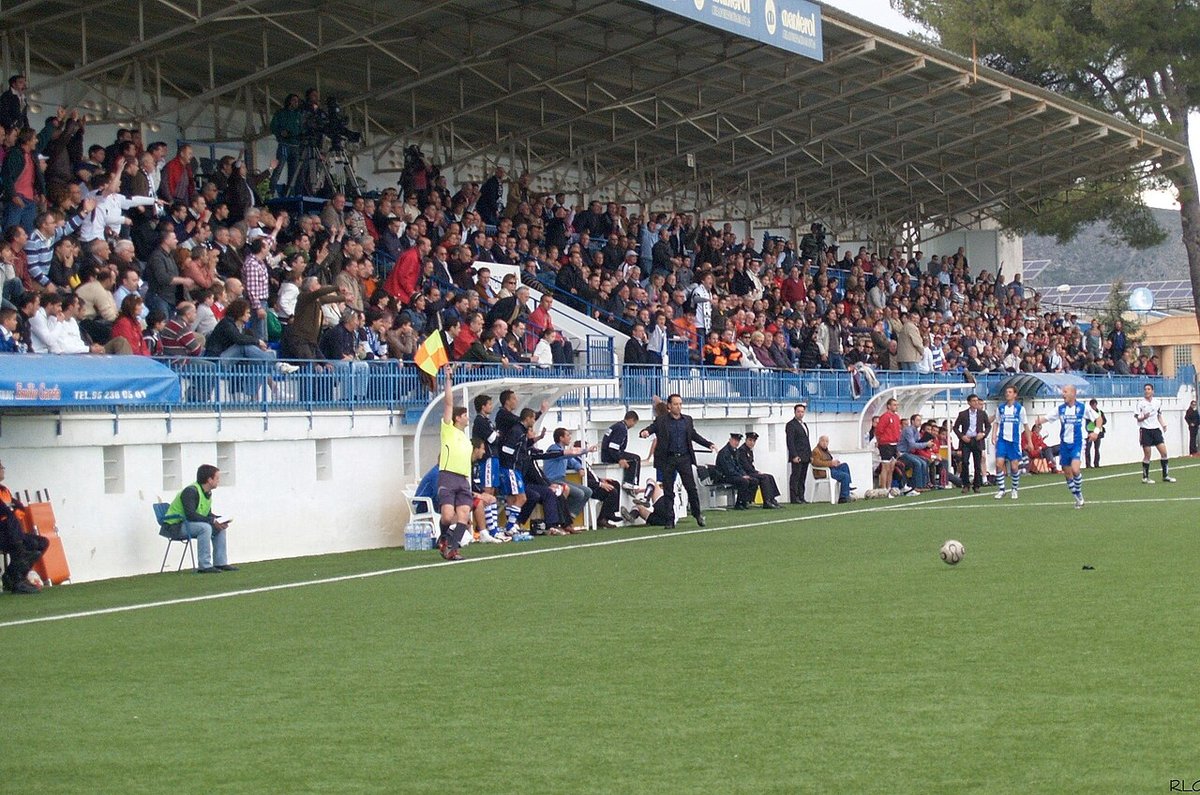
Late September's fiestas honour San Miguel with processions that mix religious devotion with pyrotechnic madness. Marching bands squeeze between houses so closely packed that brass sections deafen residents leaning from balconies. Moors and Christians parades feature costumes costing more than annual pensions; participants practise drill manoeuvres for months in the sports centre car park.
Summer visitors should expect sleepless nights during August celebrations. Firecrackers explode at 02:00 because tradition demands waking the saint before dawn. Earplugs help; joining the 06:00 street breakfast of chocolate and fried pastries helps more. British politeness dissolves after the third shot of mistela liqueur, when even reserved retirees find themselves dancing in plazas.
These festivals reveal Llutxent's true scale. Population swells to 4,000 as expat children return from Madrid office jobs and Australian cousins rediscover roots. For forty-eight hours the village operates on collective adrenaline; Monday morning brings bleary-eyed normality and streets swept clean of firework debris.
The practical realities
Staying overnight requires planning—there's no hotel within village limits. Rural houses scattered through surrounding hills offer pools and barbecue terraces from €90 nightly, but you'll need rental cars to reach them. Public transport limps along two buses daily from Valencia, departing mid-afternoon and returning before evening tapas. Missing the last service means a €35 taxi ride from Albaida, assuming the driver knows where Llutxent actually is.
Monday visits disappoint unless you enjoy ghost-town photography. Everything shutters except the bakery, which sells coffee but no breakfast until 10:00. Cash remains king; the nearest ATM sits ten minutes' drive towards the motorway and charges €2.50 for foreign cards. Bring walking boots—cobbled lanes destroy flimsy sandals and the monastery path eats trainers for lunch.
Weather surprises those expecting eternal Mediterranean sunshine. Winter mornings drop to 4°C when mist pools in valley folds; August hits 38°C by midday, making monastery walks feel like forced marches. Spring and autumn provide the sweet spot, when temperatures hover around 22°C and evening breezes justify light jackets.
Leaving the valley
Drive away at sunset and Llutxent disappears quickly. Orange groves give way to motorways; Valencia's apartment blocks appear like concrete cliffs. Yet the bell tower lingers in rear-view mirrors longer than geography suggests, reminding visitors that some places resist the rush towards modernity not through deliberate preservation but simple indifference to fashion. The village will survive perfectly well without tourism; it managed for eight centuries before TripAdvisor existed and will continue when today's visitors become tomorrow's memories. That quiet confidence might be Llutxent's most genuine attraction—assuming you remembered to download the walking map before the phone signal vanished.