Full Article
about Montaverner
Town at the crossroads of Vall d'Albaida, with industry and farming.
Hide article Read full article
Montaverner: el pueblo que no te espera
Montaverner es de esos sitios que pasas con el coche y ni te das cuenta. Un giro rápido, un par de calles por la ventanilla, y ya estás otra vez en la carretera. Es como cuando pasas delante de una panadería de barrio sin mirar el escaparate. Pero si paras un rato y bajas a andar, empiezas a ver cómo se vive aquí.
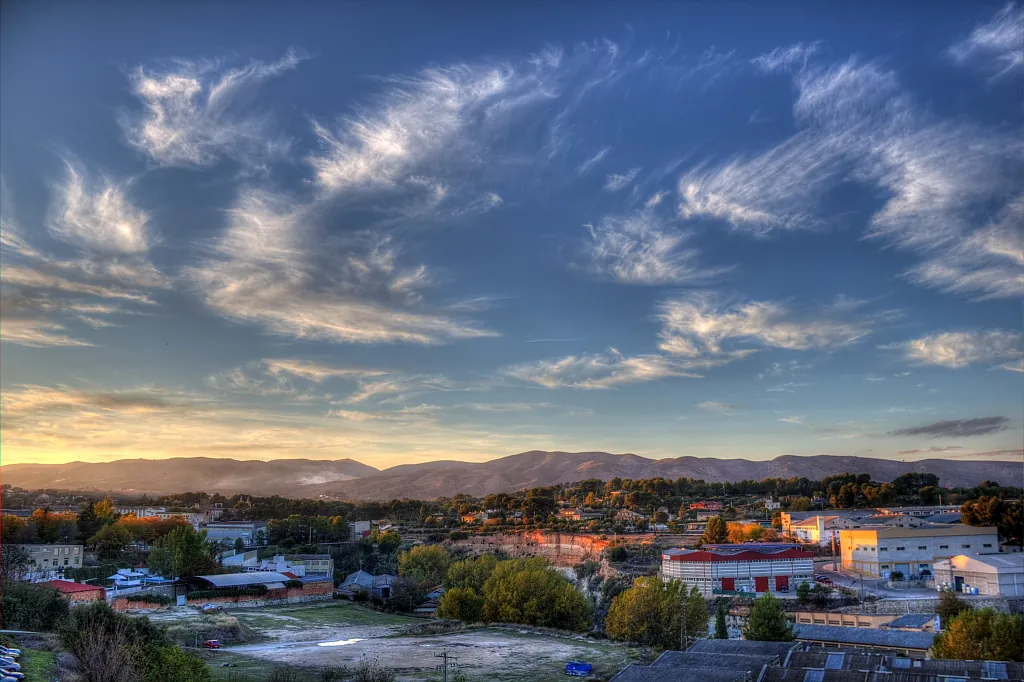
Esto no es turismo de monumentos estrella ni de itinerarios marcados. Es más bien entender cómo se vive en el interior de la Vall d'Albaida, en la Comunidad Valenciana. Con unos 1.600 vecinos, está lo bastante cerca de la costa para una excursión desde Valencia, pero el ambiente es otro. Más lento, más rural. La agricultura sigue marcando el día a día, y eso se nota en todo: desde el ritmo hasta los caminos que salen del casco y se meten en los campos.
Por las calles ves fachadas blancas gastadas por el sol, balcones de hierro y casas hechas para vivir, no para fotos. Sales del centro urbano, compacto, y las huertas empiezan casi al momento. Se suceden las líneas de naranjos, los senderos estrechos entre parcelas, y al fondo las montañas bajas cierran el valle.
Un centro sin pretensiones
La vida en Montaverner gira en torno a la Iglesia Parroquial de San Miguel Arcángel. No es una iglesia que te golpee la vista. Lleva décadas sirviendo al pueblo con esa misma sencillez. Su torre se ve desde varios puntos, así que te sirve de referencia para orientarte.
El trazado urbano no guarda grandes sorpresas, y ahí está su carácter. Calles rectas, casas de dos plantas y detalles pequeños que explican cómo se ha vivido aquí siempre: portales grandes donde antes se guardaban herramientas o carros, ventanas pequeñas para que no entrara tanto calor, patios interiores que no ves desde fuera. No hay nada teatral. Y esa es justo la gracia.
Si te alejas un poco más, toman el mando los caminos agrícolas. Entre los cultivos quedan todavía barracas y casetas rurales. Algunas servían para guardar herramientas, otras para descansar durante las largas jornadas, y algunas siguen cumpliendo esa función. No son monumentos al uso, pero ayudan a entender la relación directa que este pueblo ha tenido siempre con la tierra.
Pasear entre huertas
Aquí no encontrarás rutas de senderismo señalizadas ni grandes travesías por la montaña. Lo que ofrece Montaverner son los caminos rurales de toda la vida. Es normal cruzarte con un tractor, un vecino revisando sus cultivos o alguien paseando al perro.
Estos paseos tienen algo que te atrapa sin hacer ruido. Lo que empieza como un paseo corto puede acabar siendo una caminata larga sin darte cuenta. Las parcelas se encadenan unas con otras, los caminos se cruzan, y siempre tienes la sensación de que tras la siguiente curva cambiará otra vez la vista sobre el valle.
El paisaje lo dominan los cítricos. En época de floración, normalmente entre marzo y abril, el olor a azahar se nota claramente en el aire. Para quien no esté acostumbrado puede llegar a ser intenso. El aroma flota sobre los campos y se cuela por los caminos; le da carácter a estar fuera en esa época del año.
Lo que llega a la mesa refleja lo que crece fuera: una cocina directa muy ligada a lo que da la huerta alrededor del pueblo. El arròs al forn aparece regularmente en reuniones familiares o fines de semana largos. Los embutidos caseros y otros derivados del cerdo suelen estar presentes en celebraciones y comidas compartidas. No es una cocina complicada; es ese tipo de comida que llevan generaciones preparando aquí con lo que da la tierra.
Fiestas para vecinos
Las fiestas patronales en honor a San Miguel Arcángel suelen celebrarse en septiembre. Conservan ese aire de celebración comunitaria: procesiones, música, actos organizados por asociaciones locales. No es un festival pensado para atraer grandes masas desde lejos, sino un momento donde los vecinos se juntan y el ritmo del pueblo cambia durante unos días.
La Semana Santa mantiene un tono parecido. Como ocurre en muchos pueblos del interior, las procesiones recorren las calles principales sin prisas, con mucha participación local. Se nota más continuidad y tradición compartida que espectáculo.
A lo largo del año también hay otras actividades ligadas al calendario agrícola o organizadas por colectivos locales. Suelen ser modestas, pero permiten ver cómo sigue funcionando la vida comunitaria. Para quien visita, son una ventana a un ritmo no pensado para turistas.
Cómo llegar (y cuándo)
Montaverner está a poco más de una hora en coche desde Valencia. Lo normal es llegar por la zona de Xàtiva, siguiendo carreteras comarcales que atraviesan todo el valle. El trayecto es sencillo y el paisaje va cambiando gradualmente entre huertas regadas y terrenos más secos según avanzas hacia el interior.
La primavera y el otoño suelen ser buenos momentos para venir. En verano aprieta mucho el calor, como ocurre en gran parte del interior valenciano. El invierno trae una atmósfera especialmente tranquila; puede resultar demasiado sosegada si buscas movimiento activo.
Montaverner no sirve para tachar puntos turísticos de una lista. Funciona mejor como pausa: un sitio donde dar un paseo largo, fijarte en cómo empiezan los campos al final mismo de las calles y entender lo ligado que sigue este pueblo a lo agrícola aquí, en esta parte de La Vall d'Albaida. Date tiempo para andar, respira aroma a azahar si coincide con temporada y observa ese ritmo constante del día a día. Eso define mejor una visita aquí que cualquier monumento concreto