Full Article
about Pinet
Small mountain village surrounded by pines and cork oaks in Vall d'Albaida
Ocultar artículo Leer artículo completo
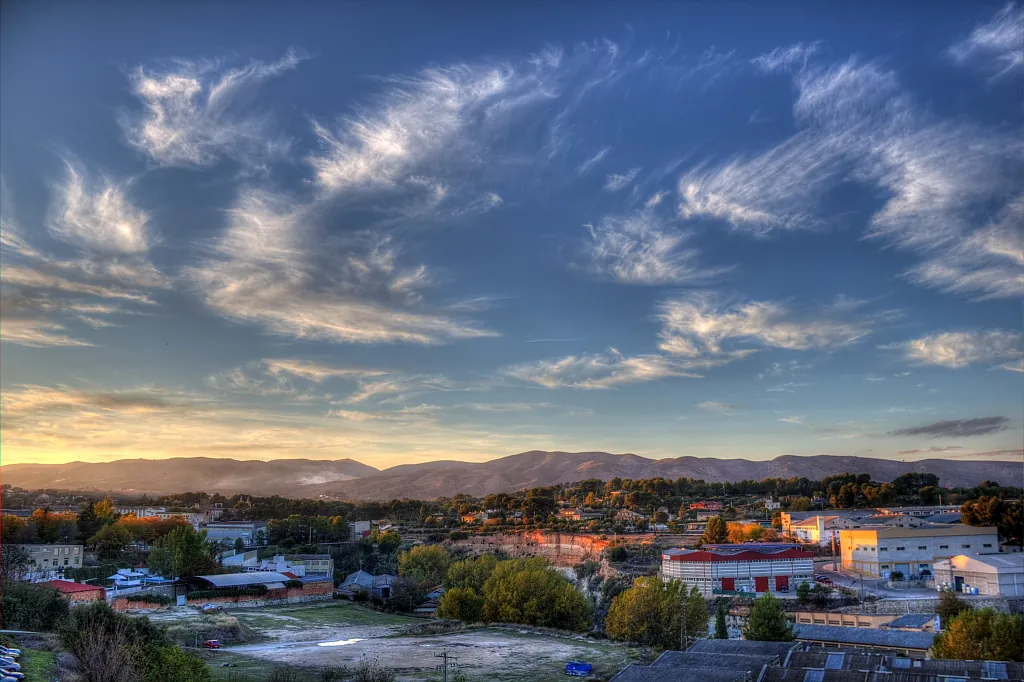
The morning mist lifts from the Vall d'Albaida to reveal two Pinets for the price of one. Inland, stone houses huddle at 380 metres above sea level, their terracotta roofs weathered by centuries of mountain weather. Twenty kilometres east, past serpentine roads that demand second gear and steady nerves, the coastal namesake spreads along a sandy strip where British voices compete with Spanish chatter over the price of San Miguels.
This dual identity confuses more visitors than it should. The mountain village—population 150, according to the last census—has nothing to do with the beach bar strip beside Playa del Pinet, despite sharing a name and province. One trades in silence and almond blossom; the other in fish & chips and free sunbeds. Choose wisely, because you can't do both in a day without feeling rushed.
The Mountain Original
Pinet proper sits forty minutes inland from Alicante airport, though those forty minutes feel like crossing into another Spain. The A-7 motorway shrinks to the N-340, then to a CV-numbered road barely wider than a British B-road. Almond trees replace billboards. The temperature drops five degrees. By the time you reach the village square, the Mediterranean feels hypothetical.
What you'll find is a working agricultural settlement that happens to have a bar, a church, and a view across olive terraces that haven't changed much since the Moors laid them out. The houses are thick-walled, built for summer heat and winter cold—because yes, it gets cold here. February mornings can touch freezing; August afternoons hit thirty-five. Pack layers, even in May when the almond blossom creates a brief, brilliant snowstorm of petals.
There's no hotel, which keeps visitor numbers manageable. Accommodation means self-catering cottages booked through the regional tourism board, typically £60-80 per night for a two-bedroom house with a roof terrace and silence you can almost taste. Breakfast requires a five-minute walk to Bar Pinet, where coffee costs €1.20 and the owner remembers how you take it by day two.
Walking trails start from the church door. The PR-V 147 loops through almond groves and pine forest, a gentle 8km that takes three hours including stops to photograph wild rosemary and the occasional boar footprint. Serious hikers can link to longer routes that reach neighbouring villages—Bèlgida at 12km, Castelló de Rugat at 18—but carry water and a map. Mobile signal vanishes in valleys, and the sun doesn't care about your schedule.
The Coastal Imposter
Meanwhile, back at sea level, Playa del Pinet plays to a different crowd. The beach itself stretches three kilometres of coarse sand mixed with shell fragments; at high tide it narrows to a strip that forces towel-to-towel proximity. British families dominate in July and August, drawn by free parking and the promise of English breakfasts served under bamboo shades. Reviews complain of "too many tourists, especially Brits," which feels ironic coming from... well, Brits.
The beach bars—chiringuitos—adapt their menus accordingly. Fish & chips appears alongside proper paella, though the rice comes milder than inland versions. A plate of calamari and chips sets you back €12; a small beer €2.50. Arrive before 11am to snag the closest parking spaces, or accept a ten-minute walk across hot sand. By midday, the lot reaches capacity and tempers fray in multiple languages.
What saves the place is the water: clear, shallow for fifty metres out, and generally calm thanks to an offshore reef. Children build sandcastles while grandparents read Kindles under rented umbrellas (€4/day). Behind them, apartment blocks rise in various shades of holiday beige—La Marina del Pinet urbanisation, three kilometres from the village that gave it the name, cashing in on the cachet.
When to Choose Which
February belongs to the mountains. Almond blossom season peaks during the second and third weeks, when Pinet hosts modest gastronomy weekends tied to the bloom. Local producers sell oil pressed from village olives and turrón still warm from copper pans. Temperatures hover around 15°C—jacket weather for Brits, T-shirt weather for locals who've acclimatised to mountain winters.
Spring shifts the balance. April and May bring green fields and wildflowers to inland trails, while coastal bars reopen after winter closure but before the crowds arrive. You could breakfast on tostada con tomate in the village, drive 35 minutes to the beach for a swim, and be back for evening tapas—though you'd miss the point of both places.
Summer splits the audience cleanly. Families with children default to the beach, where British school holidays create a home-from-home vibe complete with Marmite sandwiches smuggled through customs. Couples seeking quiet book mountain cottages and learn to siesta through the hottest hours, emerging at 6pm when the terra-cotta walls glow amber and swifts swoop between houses.
Autumn reverses the flow. September swimmers enjoy sea temperatures nudging 24°C while inland vineyards turn burgundy. October can bring rain to both elevations; November almost certainly will. By December, mountain nights drop to 3°C and coastal restaurants reduce hours, though Alicante airport keeps flying.
Getting It Right
The practical stuff matters. Hire cars from Alicante airport start at £25/day for a Fiat 500—enough for two adults and beach gear, marginal for mountain roads if you meet a tractor. Sat-nav works until the final kilometres inland, where signposts assume you already know where you're going. Fill the tank at the motorway services; village pumps close at 8pm and Sundays.
Cash still rules small bars. Some beach chiringuitos accept cards with a €10 minimum, but the mountain bar doesn't bother. Bring sensible shoes regardless of destination—cobbled village lanes and uneven beach promenades both punish flip-flops. And learn the difference: ask for "Pinet playa" if you want sand, just "Pinet" if you want altitude and almond trees.
The choice, ultimately, is between two versions of Spain that happen to share a name. One offers the Mediterranean cliché you think you want—sun, sand, San Miguel—delivered with British accents and English menus. The other gives you silence, scenery, and the smell of almond blossom drifting through streets where everyone knows tomorrow's weather before tonight's news reports it.
Pick one. Don't try to tick both boxes in forty-eight hours. The mountain village will still be there when the beach bars close for winter; the coast will still be serving chips when inland almond trees stand bare against February frost. Spain's big enough for both Pinets—just not on the same day.