Full Article
about Salem
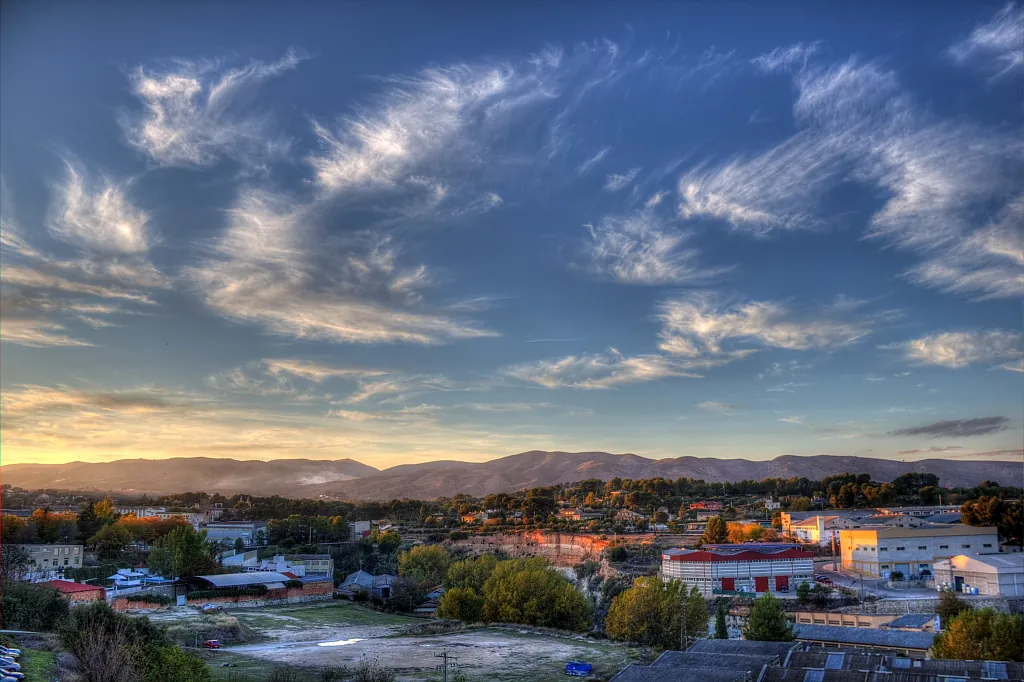
Village at the foot of Benicadell, surrounded by nature and springs.
Hide article Read full article
A las siete, el sol todavía no ha llegado a la calle Mayor. Una persiana se levanta con un chirrido metálico, se oye el motor de un coche arrancando a lo lejos. El aire huele a tierra seca y a flor de almendro, un olor dulzón que en febrero se queda pegado a la ropa. Salem, en la Vall d’Albaida valenciana, tiene sus horas contadas: dentro de media hora, el sonido de las puertas de los garajes será constante.
El pueblo se levanta sobre una ladera a unos 360 metros, rodeado por bancales. Desde cualquier salida, se ven los muros de piedra seca subiendo escalonados, dibujando curvas de nivel en la montaña. Son estrechos, estos bancales, hechos a la medida del esfuerzo que requirió construirlos. Por la tarde, cuando la luz es lateral, las piedras de los márgenes proyectan sombras alargadas y el verde de los olivos se vuelve casi negro.
Un paseo que termina donde empieza
La iglesia de Santa María tiene una torre cuadrada y blanca que sirve de referencia desde la carretera. Su interior es sobrio, con paredes encaladas y algunos retablos barrocos restaurados con más voluntad que medios. Alrededor, las calles son estrechas y algunas conservan portales altos de madera, lo suficiente para que pasara un carro cargado de leña o de sacos.
No hay un itinerario marcado. Basta con seguir cualquier cuesta arriba hasta topar con el último bancal o con una vista abierta del valle. En menos de veinte minutos se puede cruzar el casco urbano de punta a punta. Los detalles aparecen solos: un patio interior con macetas de albahaca, el zumbido de una abeja en una buganvilla, el repiqueteo de un martillo en algún taller.
Los caminos de siempre
Varias pistas de tierra salen directamente de las últimas casas. No están señalizadas como rutas de senderismo, son los caminos de siempre, los que usan algunos vecinos para llegar a sus campos. Uno baja hacia el barranco del Xiuquer, que solo lleva agua después de tormentas fuertes. Otro serpentea entre almendros y olivos viejos, con troncos retorcidos por el tiempo.
Caminar por aquí en silencio tiene su recompensa: se oye el reclamo áspero de la abubilla antes de verla, o el crujido de una lagartija al esconderse entre las piedras. En primavera, el campo está verde y activo; en verano, conviene salir al amanecer porque a partir de las diez el sol cae a plomo y la sombra escasea. En otoño, la luz es dorada y baja rápido tras las montañas del fondo.
El ritmo del año
La vida social gira en torno a unas pocas fechas. En agosto se celebran las fiestas patronales y el pueblo duplica su población durante unos días. La Semana Santa y el Domingo de Ramos se viven con procesiones cortas por el casco antiguo, sin turismo masivo, casi como un asunto interno.
En cuanto a la comida, lo que se encuentra es lo que ha habido siempre: olleta, cocas saladas con lo que dé la huerta, almendras tostadas. No hay carteles llamativos en las puertas; aquí se come en casa o en las sociedades festivas cuando hay celebración.
Cómo llegar y cuándo hacerlo
Se llega por carretera desde Ontinyent o Albaida, atravesando un paisaje de bancales y pequeños núcleos rurales. El transporte público es testimonial; hace falta coche. Aparcar dentro del pueblo no suele ser problema, excepto en fechas festivas señaladas.
La mejor época para venir es entre marzo y mayo, o desde finales de septiembre hasta noviembre. Los veranos son secos y calurosos; los inviernos pueden ser fríos por las mañanas, aunque casi siempre sale el sol temprano.
Salem no es un destino, es una pausa. Un lugar donde el día lo marcan la luz en los bancales y el sonido de los pájaros en los almendros. Donde lo único imprescindible es tener tiempo para no hacer nada en particular.