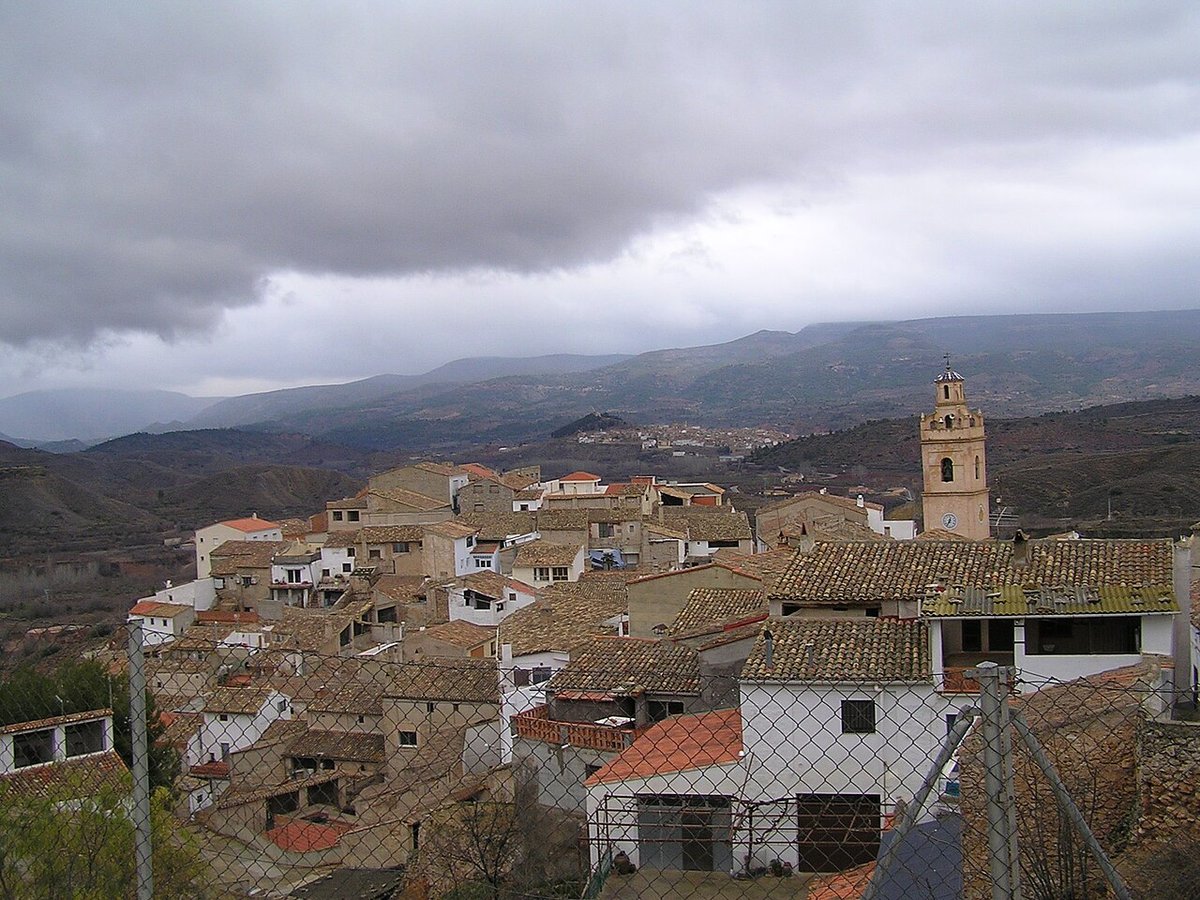
Cofrentes - Flickr
Comunidad Valenciana · Mediterranean Light

Cofrentes

The first thing you notice is the contradiction. From the castle battlements, the Júcar gorge carves a lazy S through limestone cliffs older than a...

1,113 inhabitants · INE 2025
437m Altitude

Why Visit

Mountain Cofrentes Castle River cruise on the Júcar

Best Time to Visit

year-round

Woodcutting (May) Enero y Agosto

Things to See & Do
in Cofrentes

Heritage

  • Cofrentes Castle
  • Cerro de Agras Volcano
  • Cofrentes Spa

Activities

  • River cruise on the Júcar
  • Visit to the volcano
  • Spa

Full Article
about Cofrentes

Where the Júcar and Cabriel meet, with a castle, river cruise, and a visitable volcano.

Ocultar artículo Leer artículo completo

A Valley That Refuses to Choose Between Past and Present

The first thing you notice is the contradiction. From the castle battlements, the Júcar gorge carves a lazy S through limestone cliffs older than any kingdom, while downstream the hyper-modern cooling tower of Spain's newest nuclear plant rises like a concrete rocket. Cofrentes doesn't apologise for this juxtaposition – it celebrates it. Local teenagers Instagram themselves against both monuments in the same frame, hashtagging #PuebloContraste without a trace of irony.

At 437 metres above sea level, the village sits just high enough for the air to carry a whiff of pine resin alongside the river's damp breath. The altitude means evenings stay refreshingly cool even when Valencia's coast swelters 80 kilometres eastward. British visitors arriving in July expecting Mediterranean heat often find themselves reaching for a jumper after sunset – a pleasant surprise that doesn't stop the midday sun from feeling properly Iberian.

The River That Runs Everything

The Júcar isn't scenery here; it's infrastructure. Morning light reveals fishermen wading thigh-deep, casting for barbel while herons stalk the opposite bank. By ten o'clock, the river cruise boat – looking oddly like a cut-down Thames pleasure craft – loads day-trippers from Valladolid and the occasional confused expat who misread the timetable. The 14-kilometre round trip through the gorge costs €18 and runs only when fifteen people show up, which means phoning ahead isn't suggested etiquette but survival strategy.

Those who make it aboard see a Spain that guidebooks forget. Mountain goats pick impossible paths above vertical basalt walls. Ospreys circle overhead, identifiable even to amateur birders by their distinctive kink-winged hover. The captain cuts the engine halfway back, letting the boat drift while pointing out vulture nests with the same casual pride a Cotswold lock-keeper might show a particularly fine swan. It's oddly moving, this quiet confidence in nature's everyday drama.

Back on shore, the river's influence turns practical. The municipal swimming area – basically a roped-off section of river with concrete steps – costs nothing and keeps locals cool during August's fiestas. The water temperature stays several degrees below coastal beaches, meaning British children accustomed to North Sea bravery tests usually outlast their Spanish counterparts.

Walking Off the Rice Pudding

Cofrentes specialises in food that makes walking essential. Gazpacho manchego arrives as a thick game stew studded with wild rabbit, served alongside tortas de gazpacho – flatbreads that taste like savoury scones. One portion could fuel a small army. The local peaches, bottled in heavy syrup, appear everywhere from café breakfasts to grandmotherly gifts wrapped in yesterday's newspaper.

The castle climb helps. From Plaza Mayor, follow Calle del Castillo upwards past houses whose ground floors still feature traditional wooden balconies. The path turns proper footpath after the last dwelling – stone steps worn smooth by seven centuries of traffic, with handrails only where the drop exceeds three metres. Spanish Health and Safety evidently trusts visitor common sense more than British counterparts.

Thirty minutes of steady ascent leads to ruins that won't feature in English Heritage brochures. Walls stand waist-high maximum; information boards have weathered to near-illegibility. Yet the 360-degree view explains everything. The village tumbles down the hillside towards the river like spilled sugar cubes. Beyond, the valley stretches forty kilometres to distant mountains that shimmer blue-grey in heat haze. The nuclear plant, viewed from above, becomes just another element in an extraordinary geological layer cake.

Bring water. The castle lacks facilities beyond a single bench positioned for maximum vista appreciation. Descending takes twenty minutes if knees permit, longer if you've overdone the gazpacho manchego.

Hot Water Without the Hard Sell

Balneario Hervideros occupies the river's opposite bank, reached via a five-minute drive or twenty-minute riverside walk. The thermal complex – Spain's newest – occupies what was once a paper mill, recycling industrial architecture into something approaching a Spanish Centre Parcs. Day passes cost €32, including access to pools fed by natural springs pushing 38°C through limestone fissures.

British visitors expecting posh spa whispering often find themselves in family-friendly chaos. Children splash in the main pool while grandparents perform slow-motion aqua-aerobics. The water smells faintly of eggs – proper mineral content rather than added chemicals – and genuinely helps aching joints according to a Kent couple who've booked monthly ever since discovering the place during a house-hunting trip gone wrong.

Treatments cost extra and can be booked in English online. The thermal circuit – basically moving between pools of differing temperatures – proves surprisingly addictive. Saturday lunchtime fills fast; reserve restaurant tables when purchasing tickets to avoid queueing in swimming costume under the café's air-conditioning vents.

When to Arrive, When to Leave

Spring brings wildflowers to the castle slopes and comfortable hiking temperatures. The village's population swells to perhaps 1,200 during Easter week when processions wind through streets barely wide enough for the religious floats. British photographers appreciate the photographic possibilities; less enjoyable is discovering every bar shuts between parades.

October's vendimia celebrations involve grape-stomping and free-flowing local wine. The harvest isn't huge – Cofrentes' wine won't trouble Rioja exporters – but enthusiasm compensates. Autumn light turns the river gorge golden during late afternoon, making that boat trip even more worthwhile.

Summer works for thermal spa devotees willing to sightsee early and siesta late. August fiestas mean fireworks every night and brass bands marching at volumes that would breach British noise regulations. Light sleepers should book accommodation outside the village centre or join the party and worry about sleep later.

Winter brings proper cold – frosts aren't unknown – but also empty castle paths and spa availability. The nuclear plant's steam plume becomes dramatic against crisp blue skies. Local restaurants serve heavier stews, perfect after morning walks through hills that look Mediterranean but feel surprisingly Alpine.

The Honest Truth

Cofrentes won't suit everyone. The village centre covers perhaps half a square mile; thorough exploration takes two hours maximum. Evenings remain resolutely Spanish – dinner starts at nine, British-style pubs don't exist, and the single ATM locks its door at 10 pm sharp. Those seeking coastal nightlife or souvenir shopping should stay on the Costa Blanca.

Yet for travellers happy to trade quantity for authenticity, Cofrentes delivers. It's a place where castle ruins remain free to climb, where river cruises run on minimum-numbers optimism, where thermal waters flow without pretension. The nuclear plant reminds visitors that Spain lives in the present, not a museum display – and somehow this makes the medieval walls, the river gorge, the family-run restaurants serving grandmother's recipes feel more alive, not less.

Come with realistic expectations and sensible walking shoes. Leave before the village exhausts its possibilities – three days works perfectly, five might feel generous unless you're serious about hiking every marked trail. And remember that phone call to check the boat has its fifteen passengers. In Cofrentes, some things still work the old-fashioned way – and that's precisely the point.

Key Facts

Region
Comunidad Valenciana
District
Valle de Cofrentes-Ayora
INE Code
46097
Coast
No
Mountain
Yes
Season
year-round

Livability & Services

Key data for living or remote work

2024
ConnectivityFiber + 5G
HealthcareHealth center
EducationHigh school & elementary
Housing~5€/m² rent · Affordable
CoastBeach 19 km away
Sources: INE, CNMC, Ministry of Health, AEMET

Official Data

Institutional records and open data (when available).

  • Castillo de Cofrentes
    bic Monumento ~0.2 km

Planning Your Visit?

Discover more villages in the Valle de Cofrentes-Ayora.

View full region →

More villages in Valle de Cofrentes-Ayora

Traveler Reviews