Full Article
about Jarafuel
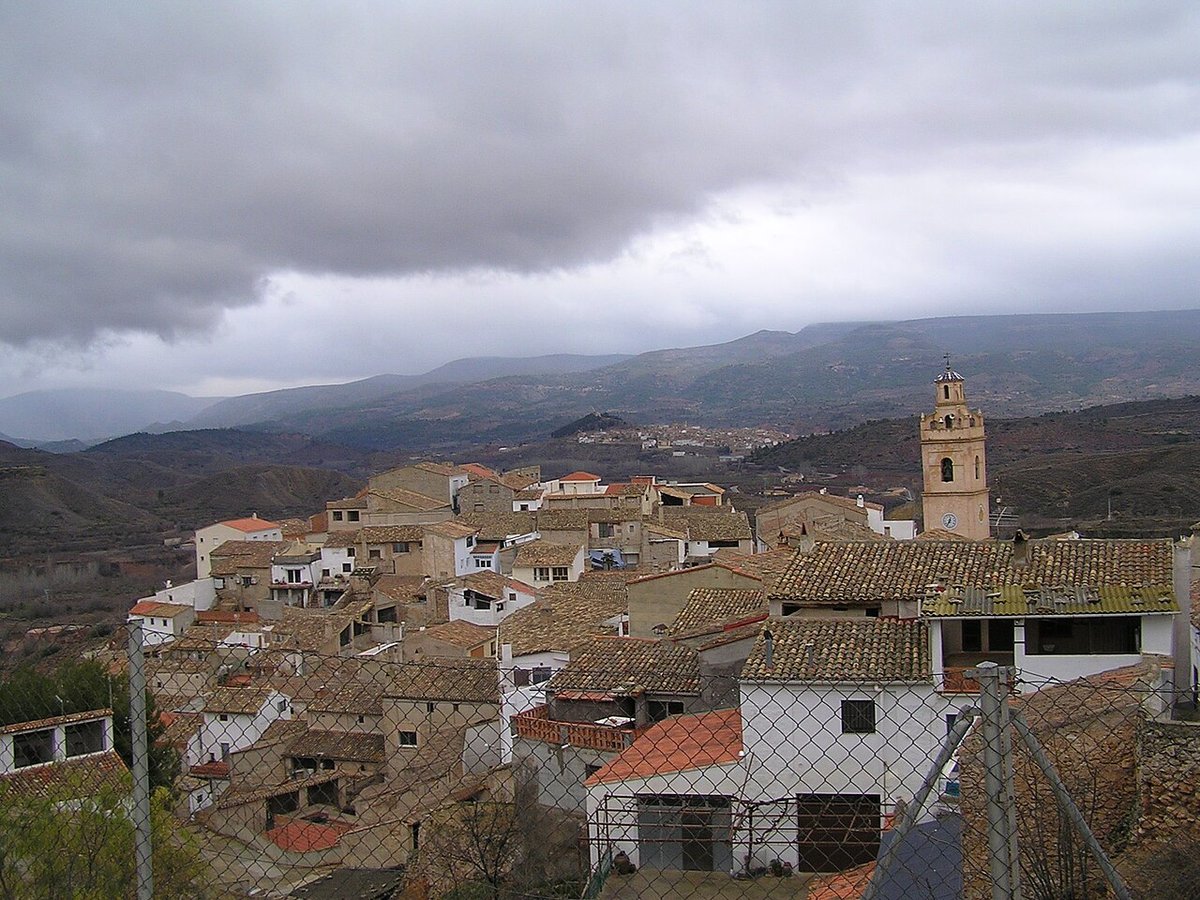
Town in the valley with the Coníferas park and narrow streets
Hide article Read full article
First Impressions in the Valley of Cofrentes-Ayora
In Jarafuel, the first practical matter is the car. If arriving mid-morning, it makes sense to look for a space on the streets near the entrance to the village and continue on foot. The urban centre is small and easy to cover. Streets slope up and down, though nothing too demanding.
Jarafuel lies in the Valle de Cofrentes-Ayora, in the interior of the Comunidad Valenciana. It is a quiet place without major landmarks or headline attractions. The village can be seen in a short visit, and most travellers combine a stop here with time in other nearby towns in the comarca.
This is not a destination packed with sights. Its appeal is simpler and more understated. A brief walk through the centre, a look at the surrounding landscape, then back on the road through the valley. That rhythm suits Jarafuel well.
A Compact Village Centre
At the heart of the village stands the parish church of San Pedro. It occupies a central position, with a simple bell tower and a façade that does not demand much attention. The building blends into its surroundings rather than dominating them.
Around the church, narrow streets weave between stone houses. Many façades show partial renovations, a common sight in inland parts of the Valencian region. Some homes have been updated, others left halfway, creating a patchwork of old stone and more recent finishes.
Within ten or fifteen minutes on foot, it is possible to reach the higher streets. From here, views open out over the surrounding countryside. There is no formal viewpoint with railings or panels, just the natural advantage of elevation. The landscape becomes easier to read: dry farmland, olive groves and almond trees stretching across the valley.
Beyond this, there is little else to see within the village itself. And that is perfectly fine. Jarafuel does not attempt to be more than it is.
Tracks, Fields and Open Sky
The real space around Jarafuel begins at the edge of the houses. Agricultural tracks lead out of the village and are used by local residents, walkers and cyclists. The terrain is open and largely exposed, with limited shade.
The paths are generally short and straightforward to follow. Many run between olive groves and almond trees, typical crops in this dry inland landscape. When the almond trees blossom, the scenery changes noticeably. Pale flowers spread across the fields and soften the otherwise earthy tones. It is a brief transformation and depends heavily on how cold the winter has been, so there is no guaranteed timing.
For those interested in birdwatching, the valley occasionally sees birds of prey and small flocks passing through during migration periods. Jarafuel is not a specialist birding destination, yet the sky is often clear of obstacles, making it easier to spot movement overhead.
Walking here is less about reaching a particular viewpoint and more about experiencing the open countryside. The fields, the wide sky and the quiet tracks define the setting. In warmer months, especially in summer, the heat intensifies from around midday onwards, so conditions can quickly become demanding.
Festive Dates and Seasonal Changes
Like many small Spanish villages, Jarafuel’s calendar shifts with the seasons and local traditions. The patron saint festivities are usually held in August, when people who live elsewhere return to the village. That period tends to bring more activity and a livelier atmosphere than the rest of the year.
In January, events linked to San Antón are also common. San Antón, or Saint Anthony Abbot, is traditionally associated with animals in Spain, and his feast day is marked in many rural communities.
The almond blossom draws occasional visitors in certain years. There is no fixed date for this natural display. Its timing depends on winter temperatures, and some years are more striking than others.
Autumn brings another shift in rhythm. As the olive harvest begins, movement in the fields becomes more noticeable than in the village streets. Activity focuses on the surrounding land rather than the centre itself.
Spring and autumn are generally the most comfortable seasons for walking the tracks around Jarafuel. Temperatures are milder, making time outdoors more manageable. Summer can be intense, particularly after midday, when the heat settles heavily over the open terrain.
A Brief Stop That Works Best That Way
Travellers arriving by car from Valencia typically approach through inland roads passing by Ayora. The route includes bends, yet the road is usually in good condition. The journey itself, through the interior landscape, forms part of the experience of reaching the Valle de Cofrentes-Ayora.
Jarafuel is not a place to schedule for half a day on its own. A short walk through the centre, a climb to the higher streets for a look across the fields, and a brief wander along one of the surrounding tracks is enough to understand its character.
After that, the road continues through the valley. Other villages in the Valle de Cofrentes-Ayora offer their own stops and contrasts. Jarafuel’s role within that route is modest and concise. It works best as a pause rather than a destination in itself, a small inland village framed by olive groves, almond trees and open sky.