Full Article
about Albatera
Agricultural and commercial town with a large mountain nature park and a strong musical tradition.
Hide article Read full article
Lo primero que te llega es el olor. No es a pan recién hecho ni a azahar de anuncio de colonia. Es algo más terroso, que viene directamente de la huerta: cítricos al sol y tierra recién removida. Para muchos, llegar a Albatera es bajar la ventanilla del coche y que ese aroma te confirme que estás en plena Vega Baja, al sur de Alicante.
El pueblo que vivió de las brevas
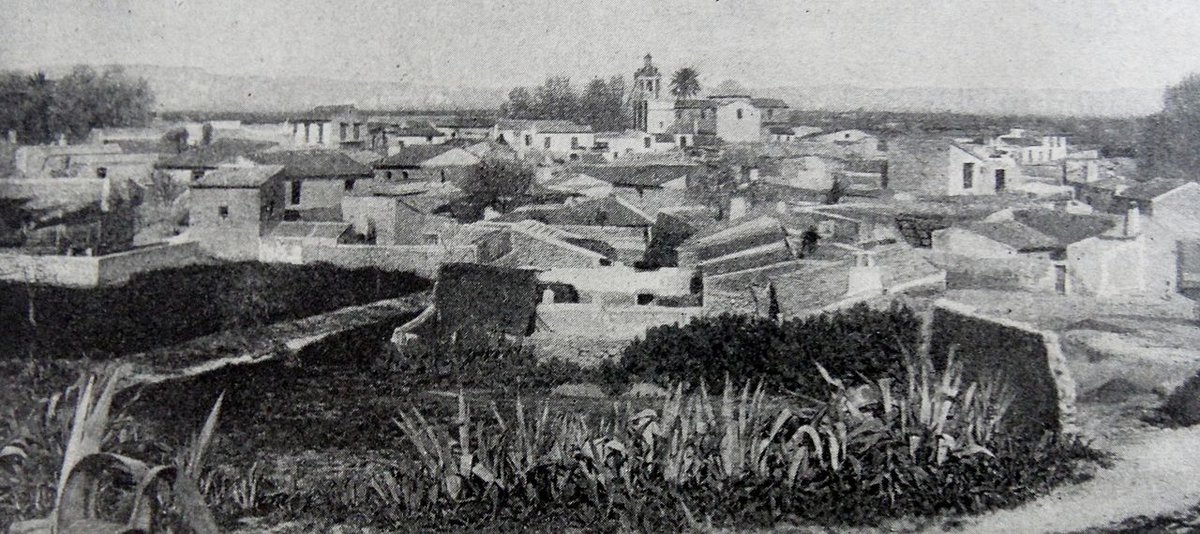
Hasta mediados del siglo pasado, una parte importante de las brevas que salían de España lo hacían desde aquí. La breva es el higo temprano, el que se coge antes de la cosecha principal del verano, y Albatera le cogió el nombre. Los camiones salían cargados hacia el norte de Europa desde un pueblo mucho más pequeño que el actual. Hay quien todavía habla de aquellos años como si fueran una larga temporada de recolección.
Quedan algunas higueras en los linderos de los caminos, aunque ahora el paisaje lo dominan limoneros y naranjos. Se ve claro cuando entras: parcelas ordenadas, acequias, bancales con décadas a sus espaldas.
Ese origen agrícola sigue marcando el ritmo. Albatera no va de postureo. Los jueves el mercado semanal ocupa buena parte del centro, y se nota quién es habitual por cómo se ponen a charlar frente al bar a media mañana. Un conocido de Crevillente me lo definió una vez como "como Orihuela pero sin cámaras". No es una definición científica, pero le da en el clavo. La vida transcurre sin demasiado alboroto.
Una iglesia levantada a plazos
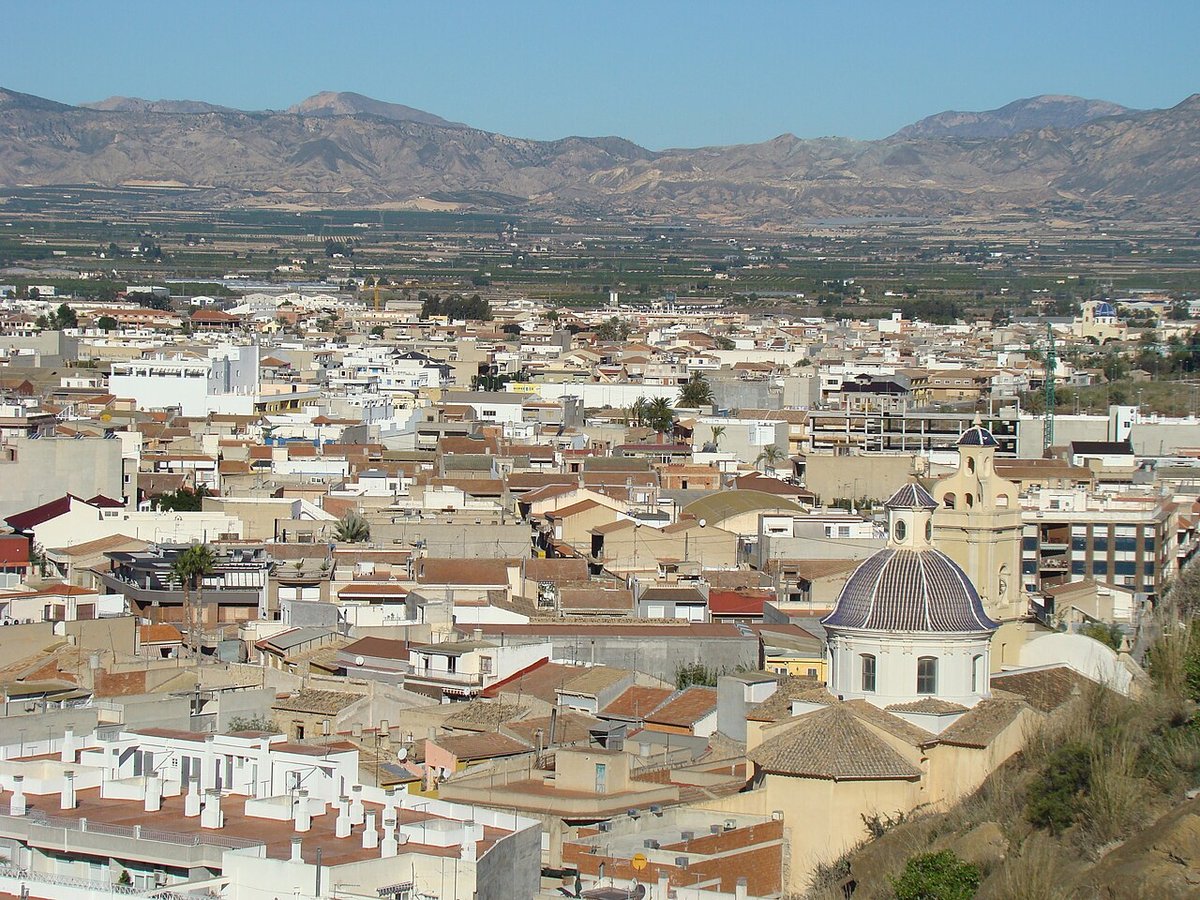
La Iglesia de Santiago Apóstol marca la silueta del pueblo. Empezaron a construirla en el siglo XVII y tardaron casi cien años en terminarla. En aquella época las obras grandes iban así, según llegaba el dinero.
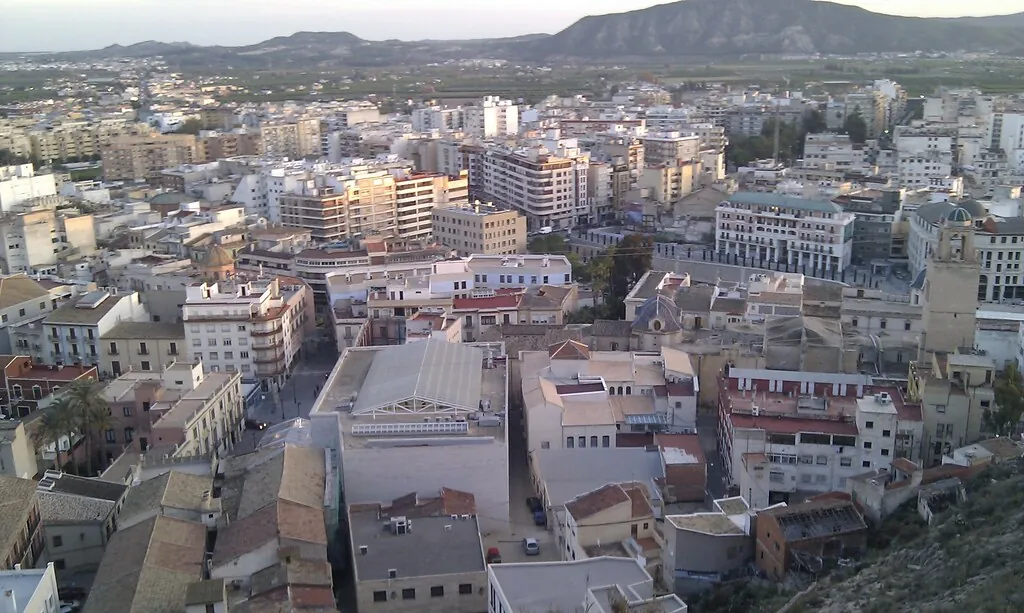
Su torre se ve desde lejos cuando te acercas por la autovía. Dentro conserva ese barroco valenciano que encuentras en tantos templos de la comarca.
Justo enfrente está la portada del antiguo palacio de los Rocafull. Solo queda la puerta. El resto del edificio desapareció hace tiempo. El resultado es curioso: una entrada nobiliaria de piedra incrustada en una construcción mucho más moderna, como si un trozo del pasado del pueblo se hubiera guardado dentro del presente.
Cuando el gazpacho no es lo que piensas
Aquí, el gazpacho no se bebe. Se come con cuchara.
El gazpacho de Albatera es un guiso espeso hecho con trigo, legumbres y verduras de temporada. Es comida de campo, la que tomaban los jornaleros antes de volver a la faena. Si llegas esperando algo frío y ligero, te llevas una sorpresa.
Otro clásico local es la coca de mollitas. Es un horneado salado que lleva miga de pan, ajo, pimentón y carne desmenuzada. Cuando está bien hecha sale ligeramente tostada, con ese punto que solo le da un horno de leña.
Luego está el plegado con hinojo, un pan tradicional con hinojo que suelen tener en las panaderías del centro. Si pasas por la mañana lo notas al momento. El olor hace él solo la publicidad.
Moros y Cristianos sin disfraz nuevo
Las fiestas patronales son en verano e incluyen Moros y Cristianos, un festejo común en esta zona de Alicante que rememora los enfrentamientos históricos entre reinos musulmanes y cristianos. En Albatera se vive con intensidad.
Lo que llama la atención es que muchos trajes no parecen recién encargados por catálogo. Algunos llevan pasando de padres a hijos generaciones enteras. Eso le da a los desfiles un aire más cercano, menos espectáculo pulido y más tradición compartida.
La pólvora también tiene su momento. Cuando empiezan las arcabucerías los participantes disparan sus armas en pasadas coordinadas y el sonido rebota en las fachadas. Durante un rato, todo el pueblo huele a humo.
El resto del año hay otras celebraciones más tranquilas y ligadas a la vida parroquial. El ambiente cambia totalmente entonces: menos desfiles y más horas alrededor de una mesa con familia.
Subir a la Sierra sin complicaciones
Detrás del pueblo está la Sierra de Albatera. No es una cordillera espectacular pero sirve perfectamente para estirar las piernas un par de horas y alejarse del asfalto.
Hay senderos señalados que suben hacia las laderas con algo más sombra.Algunos rondan los cinco kilómetros y tienen una cuesta constante pero nada exagerado.La recompensa está en las vistas: toda la Vega Baja extendida abajo como ese mosaico familiarde campos regados.
Los días claros se puede llegar a distinguir el mar al fondo.
Si queda tiempo también se puede acercar uno al Cabezo Pardo.Un pequeño cerro donde hubo un asentamiento íbero.A simple vista parece poco más que un montículo pero fue un lugar importante.Suele estar solo.
Una página difícil
En las afueras existió uno decamposde concentraciónque funcionaron después dela Guerra Civil.Se construyó aquí por el terreno abierto yla cercaníaal ferrocarril.
Hoy queda muy poco visible.Alguna estructuraaisladay referencias dispersasenel terreno.No está preparadopara visitantesni hay grandes explicacionesin situ.
Aun así forma parte dela historia local aunque no aparezca destacadoenlas guías turísticas .
Quizá eso ayudea entenderAlbatera .Un pueblo modeladoporla huertayel trabajo agrícola ,con capitasde historiano siempre bien señalizadas .
Te salesun pocodel itinerariocosteroyselo notasin esfuerzo .Un paseopor su centro ,una comidasustanciosa ,tal vezun par dehora senlasierra .En pocashorasel ritmose haceentender .