Full Article
about Algorfa
Quiet village surrounded by orchards and citrus groves; it has a major residential development and golf course.
Hide article Read full article
Cuando el paisaje cambia de repente
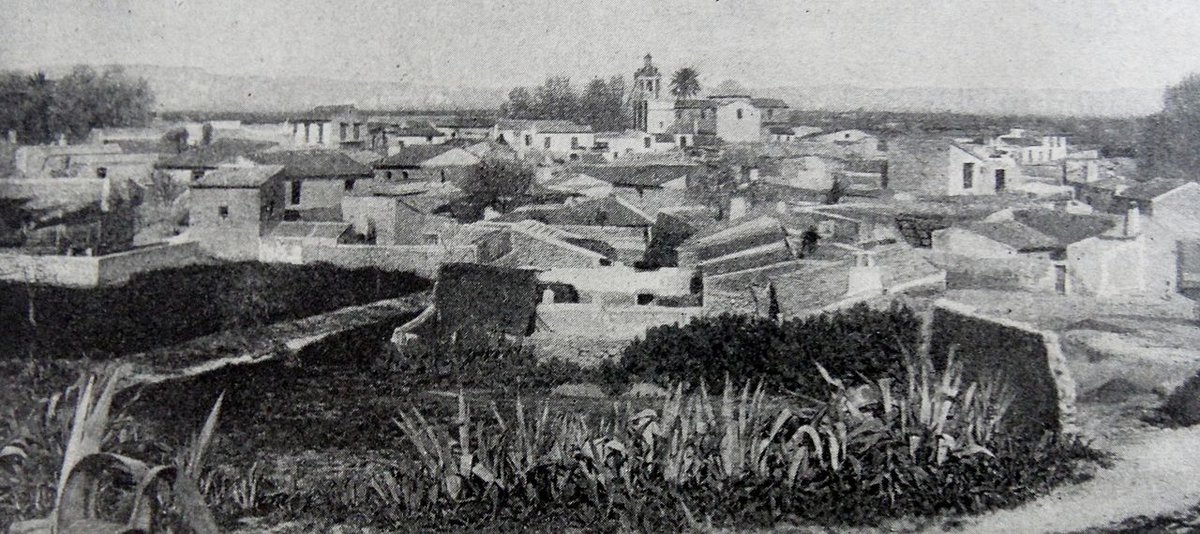
Hay un momento, justo después del último semáforo de la CV-905, en el que todo cambia de golpe. Las urbanizaciones de ladrillo rojo se quedan atrás y toman el mando las hileras de naranjos, alineadas con un orden casi militar. Ahí te das cuenta de que has llegado a Algorfa, un pueblo de la Vega Baja donde conviven dos realidades que no se parecen mucho: la huerta de toda la vida y las zonas residenciales nuevas que crecieron alrededor de un campo de golf.
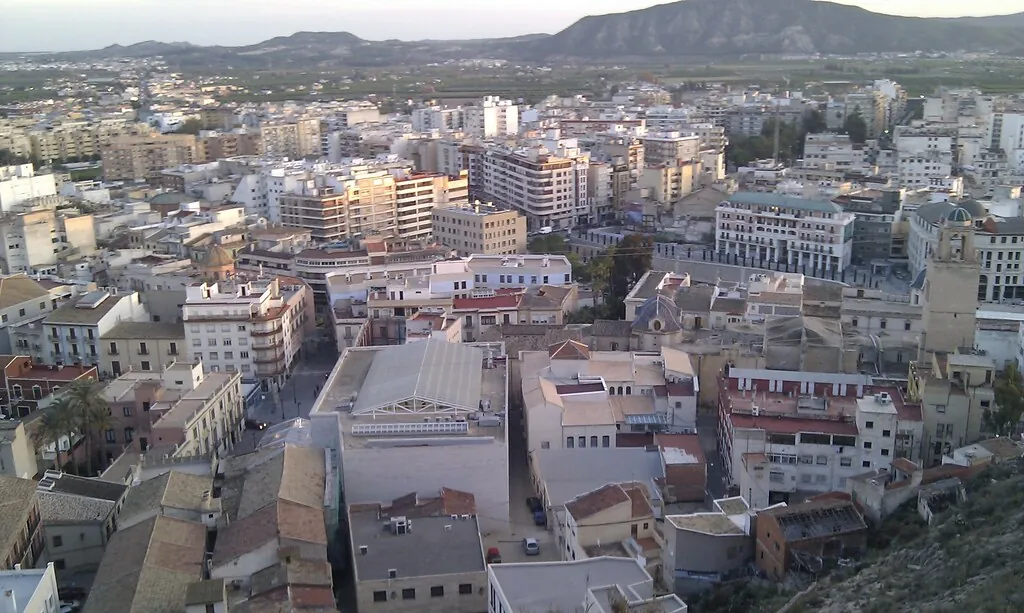
El contraste es lo que define el sitio. Por un lado está el casco antiguo, pequeño y que cruzas andando en cinco minutos. Un puñado de calles llevan a la plaza principal, donde está el ayuntamiento y la iglesia de San Miguel en una esquina. Es compacto, familiar, como si su plano no hubiera cambiado en décadas.
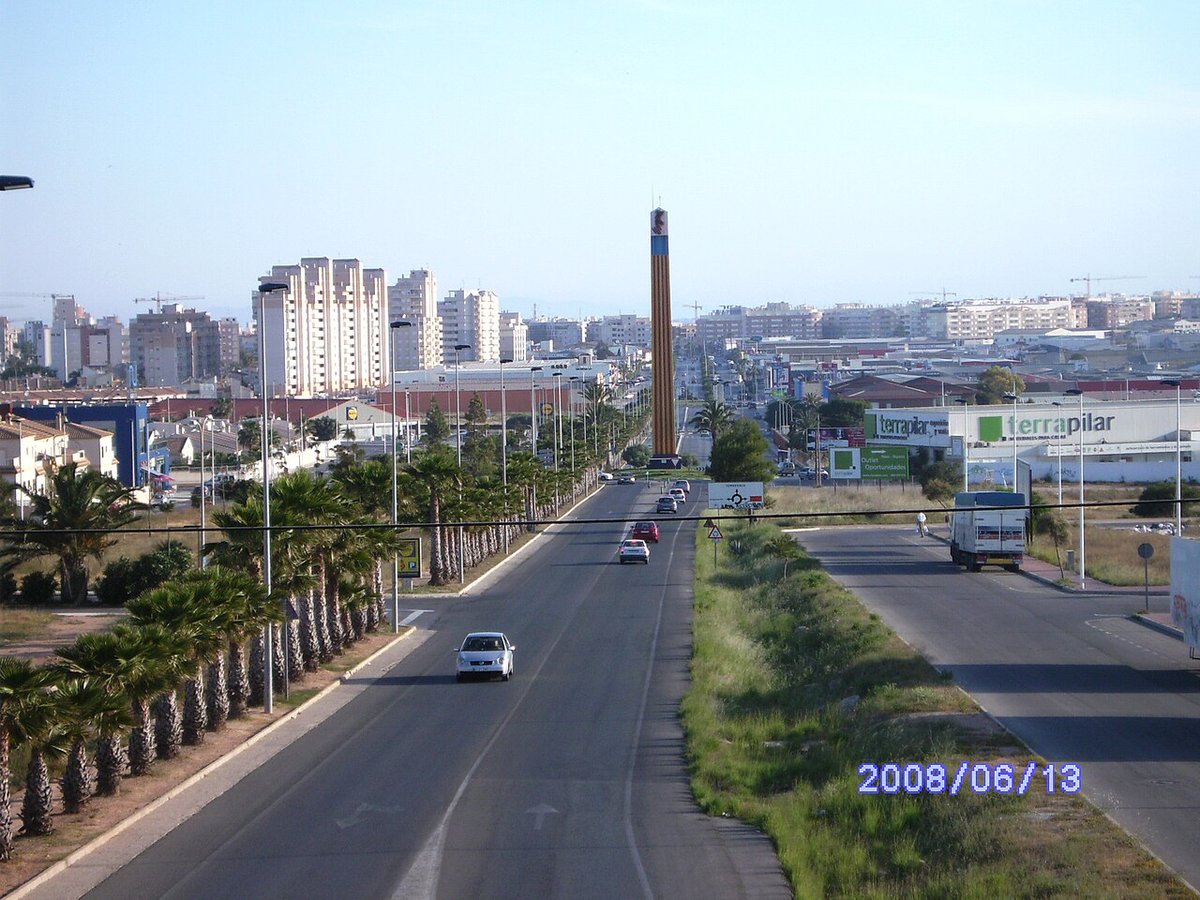
Luego están las afueras. En los últimos años, las urbanizaciones se han extendido alrededor del campo de golf y por los límites del pueblo. Algunas tienen nombres que suenan más a complejo vacacional que a pueblo español. Si es tu primera vez, el cambio te puede pillar por sorpresa. En un momento ves bancales y tierra labrada; al siguiente, calles ordenadas con chalets adosados y vecinos que han llegado desde media Europa.
Aun así, la vida de pueblo no ha desaparecido. En la plaza, a media mañana siguen formándose los corrillos de siempre. Las conversaciones saltan de una puerta a un banco sin problema. En varias casas se sigue haciendo la coca almendrada tradicional, densa y que pesa en la mano. Almendra molida, miel y un toque de canela: una receta que viene de cuando el almendro y la huerta marcaban el ritmo del año.
Dos voces (o más) en el bar
La forma más clara de ver cómo ha cambiado Algorfa está en un sitio obvio: un bar de la plaza donde la tele suele estar puesta y siempre hay alguien mirándola. Al principio, el local parece dividirse solo. En una mesa están los que llevan aquí toda la vida, gente que trabajó la tierra o en los almacenes agrícolas cercanos. En otra, residentes extranjeros que vinieron buscando sol y otro ritmo.
La separación nunca dura mucho tarde o temprano las conversaciones se mezclan. Es normal que alguien pregunte cómo se hace un plato local como el arroz con conejo al estilo comarcal, y la explicación se alarga más de lo previsto. La persona detrás de la barra cambia entre español e inglés sin pensarlo, algo que ya es habitual en muchos pueblos de la Vega Baja.
La comida sigue anclada al territorio. Es contundente, pensada para quien madruga y trabaja físicamente. El arroz con conejo y caracoles aparece a menudo, junto a guisos de cuchara cuando refresca. Mucho de lo que termina en el plato viene directamente del campo cercano; a veces hay pocos kilómetros entre lo recolectado y lo cocinado.
El pueblo que volvió a levantarse
En una esquina discreta hay una placa sobre algo que rehízo Algorfa por completo. Muchos pasan sin verla pero recuerda el terremoto importante del siglo XIX (1829) , aquel temblor fuerte destruyó varios pueblos por toda esta zona . Aquí prácticamente lo arrasó todo .
Lo curioso es lo qué pasó después . Reconstruyeron encima , sin moverlo . Los edificios volvieron a levantarse desde cero , luego fueron cambiando con reparaciones , ampliaciones o reformas . La iglesia actual refleja esa historia hecha capas . Su aspecto actual da pistas sobre varias épocas , cada una dejó su huella visible .
Un poco fuera del núcleo urbano está también otra construcción más reciente : La ermita dedicada hacia principios del siglo XX queda algo más allá del kilómetro desde centro . Cada verano sacan procesión hasta allí imagen tradicional sigue marcando calendario local conectando presente costumbres antiguas .
Por la huerta y junto al Segura
Algorfa se entiende mejor si vas sin prisa . Fuera meses más concurridos pueblo entra ritmo típico Vega Baja : gente plaza , agricultores entrando saliendo furgonetas ciclistas atravesando campos alrededor .
Si te gusta andar o ir bici senderos siguen curso Río Segura tramo comarca ofrecen manera sencilla explorar entorno . Son rutas llanas sin grandes desniveles serpentean entre palmerales bancales cultivados época correcta año aroma cítricos aire .
Escenario sigue ligado agricultura pese urbanizaciones nuevas . La huerta término usado España para terreno regado sigue marcando tanto paisaje como día día aporta sensación continuidad equilibra cambios traídos crecimiento residencial .
Un sitio hecho de cambio y rutina
Algorfa no tiene playa ni presenta gran centro histórico lleno monumentos mayores . Su carácter está otro lado Este lugar ha vivido transformación importante tiempo relativamente corto mientras mantiene escenas hábitos reconocibles .
Si pasas rato plaza patrón resulta claro Conversaciones saltan valenciano castellano inglés casi sin esfuerzo mezcla refleja propio pueblo donde vecinos antiguos recién llegados comparten mismos espacios aunque sus rutinas sean distintas .
Vida aquí sigue girando elementos familiares : tierra cultivo clima costumbre charla tranquila Esa combinación da identidad particular una no depende espectáculo sino coexistencia viejo nuevo cada visible momentos cotidianos