Full Article
about Almoradí
Heart of the Vega Baja, known for its furniture industry and artichoke farming.
Hide article Read full article
A town that begins with Saturday
Any account of Almoradí really starts on a Saturday morning. That is when the town centre shifts gear. Streets fill with market stalls, and the smell of fresh bread mingles with citrus fruit just unloaded from nearby fields. People arrive from across the Vega Baja, not in search of monuments or coastal views, but for something more practical and rooted in everyday life.
Almoradí does not follow the usual tourist script. It is an الزراicultural hub that has rebuilt itself more than once, and its rhythm still revolves around the huerta, the fertile market garden landscape that defines this part of southern Alicante. The market is not a performance for visitors. It is part of how the town functions, a weekly reminder of its role within the surrounding countryside.
A town redrawn after disaster
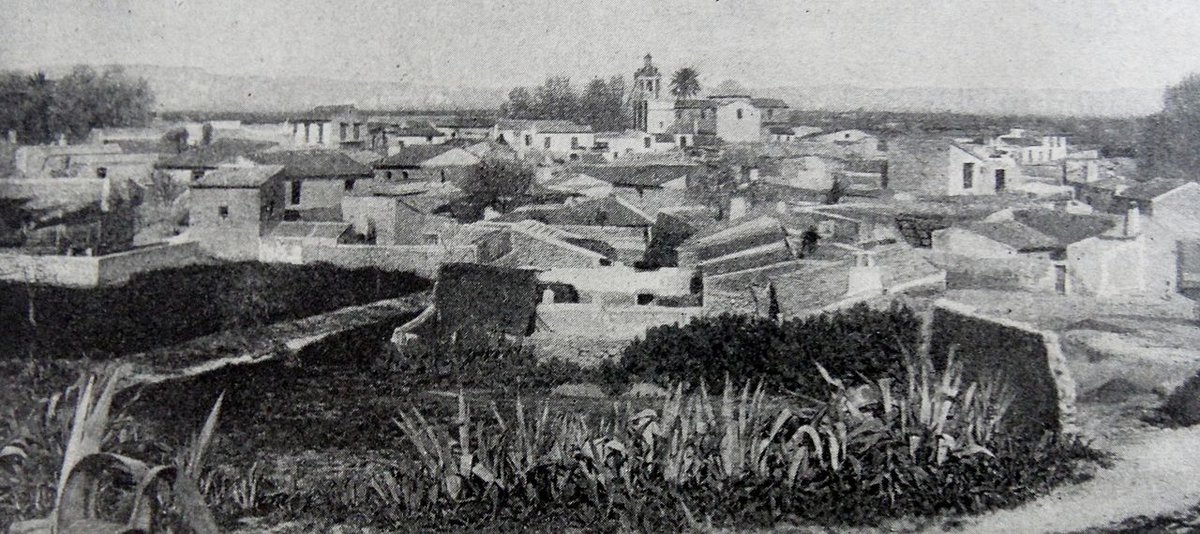
At the start of the 19th century, a powerful earthquake devastated much of the Vega Baja. Almoradí was almost entirely destroyed. What followed was not simply reconstruction, but redesign. The new layout is attributed to engineers working for the Bourbon administration, and it shows.
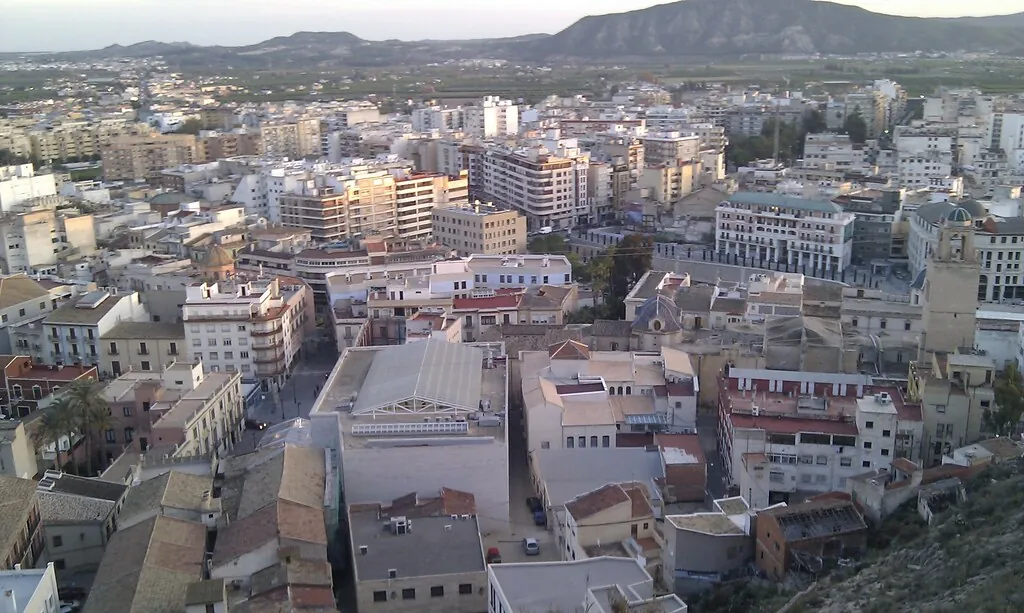
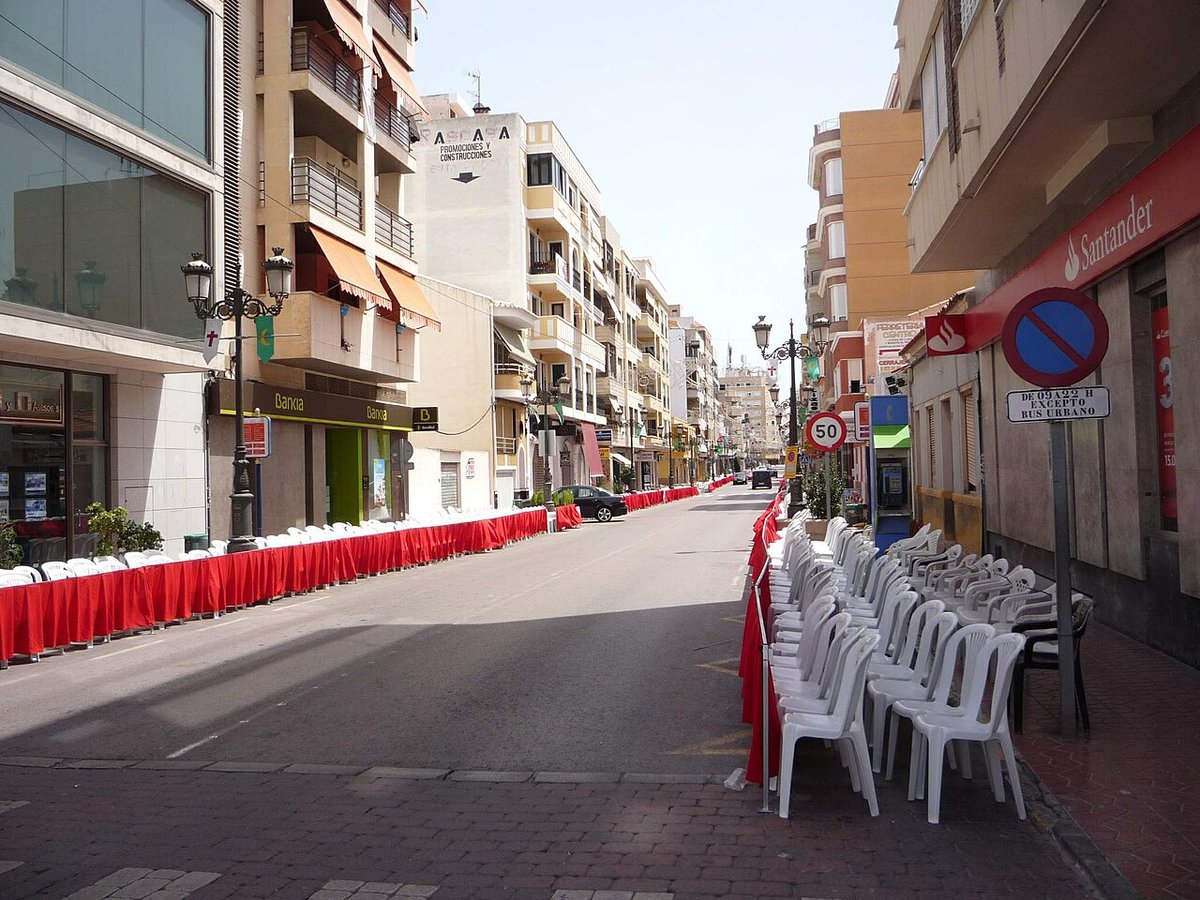
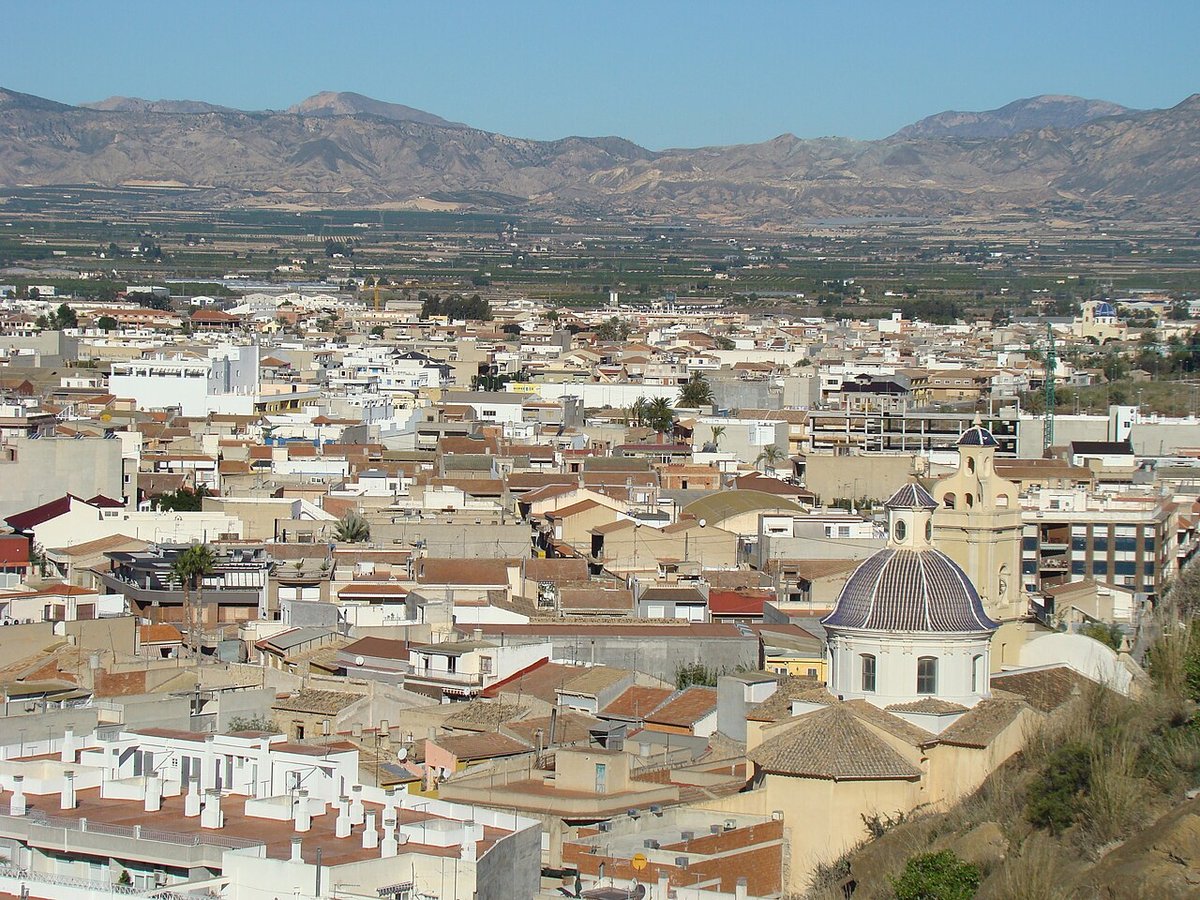
The streets are straight, wide and carefully aligned. Houses were rebuilt low and with sturdier walls than had been typical in the area. This decision shaped the town’s appearance in a lasting way. Unlike many nearby places, Almoradí does not have a tangled historic centre. Instead, it is organised in a clear grid that still defines how people move through it today.
Traces of that rebuilding period remain visible. On some corners, stone plinths bear engraved dates from those years. They are not decorative details so much as markers of a fresh start, a way of recording that the town had begun again after destruction.
San Andrés and its stories
The parish church of San Andrés stands on the same site as the temple that existed before the earthquake, although the current building came later. Its tower rises above the low rooftops of the plain and for a long time served as a reference point across the vega, helping people orient themselves in a largely flat landscape.
Inside, one element is frequently mentioned when discussing local heritage: a Baroque organ. According to tradition, it was one of the few pieces to survive the earthquake. Whether through luck or circumstance, it links the present building with what stood before.
Another feature draws attention for different reasons. A figure of Christ placed in the crossing is not associated with any major sculptural school, yet it holds a place in the town’s more recent history. It arrived in the mid-20th century, brought by an emigrant returning from Brazil. That personal story has become part of the collective memory.
During Semana Santa, the figure is carried through the streets in procession. The route follows the straight grid laid out after the earthquake, which gives the procession an unusually broad path for a town of this size. The geometry of reconstruction becomes, in those moments, a setting for tradition.
Water, irrigation and quiet justice
Life in Almoradí has always depended on water management. The network of acequias, irrigation channels that distribute water from the Segura river, has shaped the Vega Baja for centuries. Around these channels grew systems of rules and local institutions designed to resolve disputes between farmers.
Near the town, a small tribunal linked to one of these acequias still meets. Its members are farmers chosen from among the water users themselves. The process is straightforward. Each side is heard, the customary rule is recalled, and a decision is made about irrigation turns or any penalties.
There is little ceremony involved. Sessions are brief and direct, reflecting a form of justice that has persisted more through habit than spectacle. In the Valencian huerta, these practices remain part of daily life rather than something staged for outsiders. They underline how closely the community is tied to the management of land and water.
Cooking from the fields
The local cuisine mirrors this الزراicultural setting. Dishes are built around what the land provides and what people need after working it. Arroz con costra appears often at family gatherings and celebrations. It is finished in the oven with beaten egg poured over the top, forming a golden crust.
Another staple is cocido con pelotas, especially common in winter. It includes large meatballs made with meat and spices, cooked in the same broth as the stew. It is filling and direct, with little interest in presentation beyond what is necessary.
Traditional bakeries offer rollos de anís, soft-textured aniseed rolls that keep well for a couple of days. Like the rest of the local food, they are practical as much as enjoyable.
These are not dishes designed for display. They come from a context where meals needed to sustain people working long hours in the fields. That purpose still shapes how they are prepared and understood.
Finding your way around
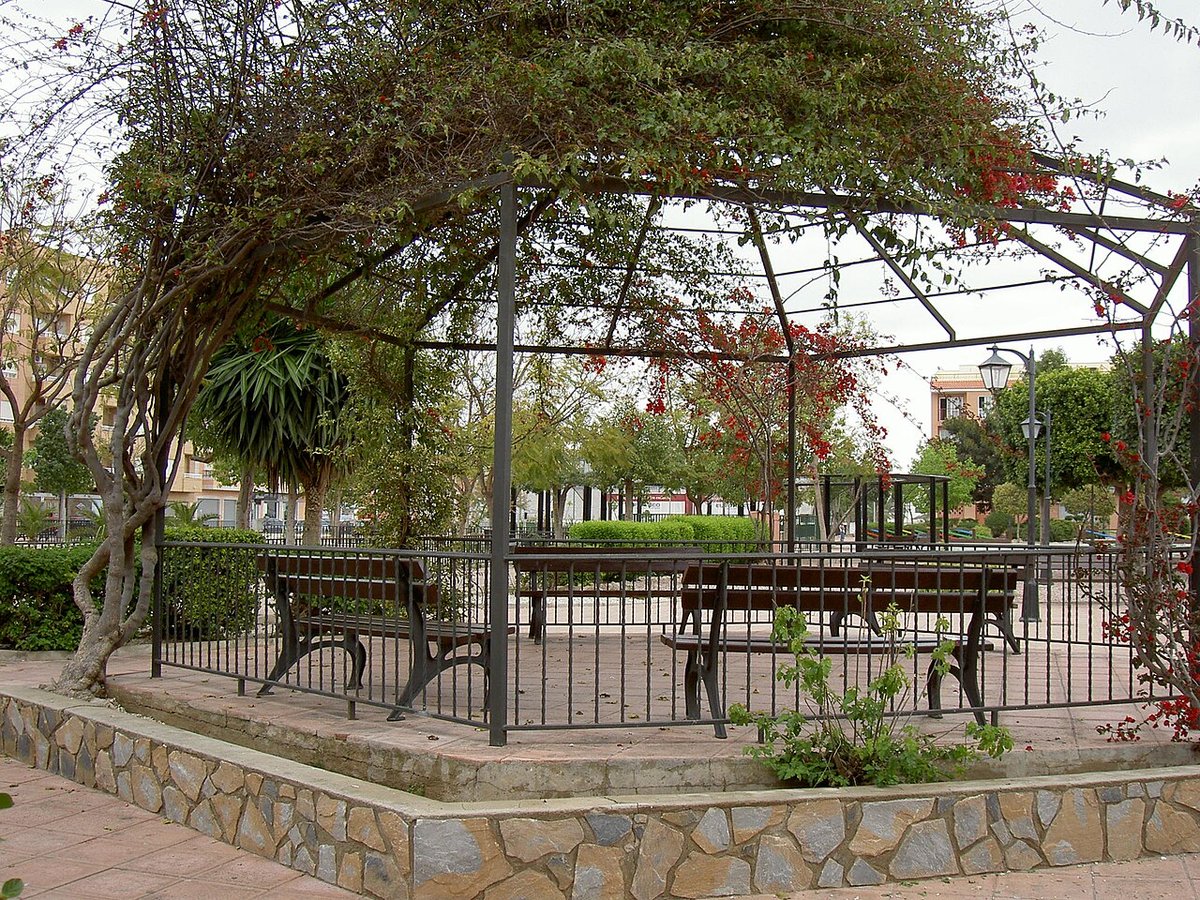
Almoradí is easy to explore on foot. The centre revolves around the Plaza de la Constitución and the straight streets created after the earthquake. The layout makes orientation simple, with long lines of sight and clear intersections.
Details emerge at a slower pace. Wrought-iron balconies and 19th-century façades appear throughout the centre. They are generally restrained in style but carefully proportioned, reflecting the orderly approach taken during reconstruction.
On Saturdays, the market occupies much of the urban area and traffic becomes more complicated. In those moments, it is often simpler to leave the car on the outskirts and continue on foot, moving with the same flow as the market-goers.
Understanding Almoradí also means looking beyond its streets. The surrounding Vega Baja is an open agricultural plain, marked by irrigation channels and paths threading between cultivated plots. The town is part of that wider system. Rather than standing apart as a destination in itself, it operates as one of the everyday centres that keep the landscape working.
That connection explains much of what defines Almoradí. Its market, its layout, its food and even its institutions all point back to the same source: a community shaped by खेती, water and the need to begin again.