Full Article
about Benejúzar
A Vega Baja town known for its Pilar pilgrimage and its market-garden setting.
Hide article Read full article
Benejúzar y su hora de la verdad
Llegas a Benejúzar un martes a las once y piensas que has entrado en una siesta colectiva. Las calles están vacías, las persianas a media altura. No es el silencio de un pueblo abandonado, sino el de un sitio que simplemente no está actuando para ti. Sabes ese momento en el que entras en una casa ajena y todo está en orden, pero se nota que viven ahí? Pues eso.
Hasta que llegas a la plaza del mercado. Ahí está todo el mundo. De repente, el pueblo tiene su volumen correcto. Hay cola en la panadería, alguien grita los precios de la fruta desde una furgoneta y un grupo debate la verdura del día con la seriedad de un consejo de ministros. Es como si hubieran estado esperando detrás del decorado.
Un mapa con tres iglesias
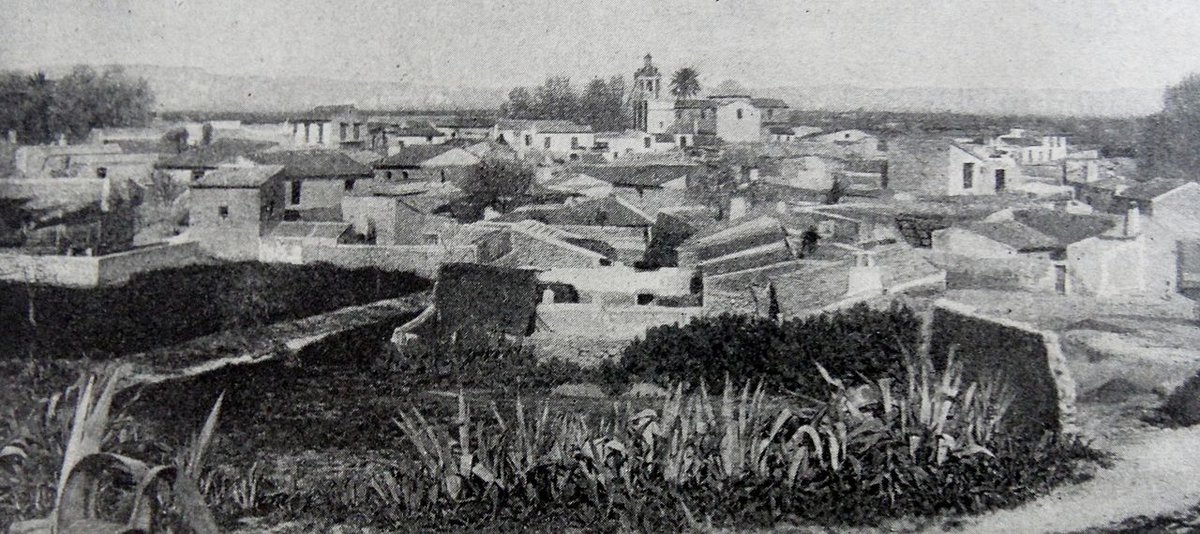
Caminas cinco minutos y te encuentras con la iglesia de San Miguel, sólida, del siglo XVI. Tiene ese porte de edificio principal. Pero luego ves otra. Y después una tercera. En el espacio que necesitas para ir a comprar el pan, Benejúzar ha colocado tres templos: San Miguel, San Jaime (siglo XVIII) y El Rosario (siglo XIX). No es planificación urbanística; es como si cada siglo hubiera querido dejar la suya, como quien añade una habitación a la casa familiar porque hace falta.
La gente te mira, pero es una mirada curiosa, no hostil. Te saludan con un "¿de dónde eres?" dicho con la misma naturalidad con la que preguntarían la hora. Si te sientas cerca de una partida de dominó en un bar, en dos minutos estás opinando sobre la jugada. Eres forastero, pero no un intruso.
Comida que te obliga a echar la siesta
Olvídate de los carteles de paella. La cocina aquí es de puchero y costumbre arraigada.
Pide cocido con pelotas. El nombre engaña; no son canicas, son albóndigas del tamaño de un puño infantil nadando en un caldo espeso. Es un plato que no sirve como primer acto. Es el evento principal y el postre, porque después solo quieres un sofá y desconectar.
Luego está el gazpacho con ajos. No es el frío andaluz. Este llega caliente, denso y con una cantidad de ajo que te acompaña durante horas, como un recuerdo persistente. Es reconfortante y excesivo a partes iguales.
Y existe la olla de cardet, un guiso de judías blancas cuya gracia, según me contó un hombre mientras removía una cafetera, es el reposo. "Tiene que hacerse con tres días de antelación", dijo. "Es como algunas cosas en la vida: mejora si esperas". No supe si hablaba solo del guiso.
Los días en los que cambia el sonido
Si quieres ver otra velocidad, vuelve en octubre, alrededor del día 7. Son las fiestas de la Virgen del Rosario. La tranquilidad se rompe con ensayos de banda, discusiones sobre el recorrido de las carrozas y ese nerviosismo productivo que precede a cualquier celebración grande aquí. Se parece al lío familiar antes de una boda.
La Semana Santa es otro asunto. Ver las procesiones desde fuera tiene interés religioso o folclórico. Pero lo que te queda es verles la cara a quienes cargan los pasos bajo el sol primaveral de la Vega Baja. Ahí no hay folclore; hay esfuerzo físico puro y tradición vivida desde dentro.
Paseos sin postal
El paisaje alrededor no busca impresionarte con miradores espectaculares. La Ruta de la Vega Baja son unos 12 kilómetros entre campos de limoneros ordenados en líneas infinitas. Cuando aprieta el calor, el olor a cítrico se queda pegado al aire sin anunciarse.
Otra opción es seguir un tramo del río Segura hacia Orihuela unos 8 kilómetros por ribera tranquila. Es probable que lo único que interrumpa el paseo sea una garza o algún pescador instalado desde primera hora.
Prefiero personalmente la Ruta de los Molinos (unos 5 km). Pasa por molinos harineros antiguos ya sin uso junto a las acequias.Algunos están muy venidos abajo.Como el Molino dela Calcetera,semiderruido,aunque aún se distingue su rodezno.No son monumentos restaurados;son herramientas olvidadas que siguen formando parte del terreno porque nadie se ha molestadoen quitarlas.
Lo que se habla entre líneas
El habla local mezcla valenciano y matices murcianos,cambiando derrepente en mitaddeuna frase.Es común escucharlo entre lagente mayor,y ellossiguen hablándolo aunque notesque no les sigues completamente.La sensaciónesla deser invitadoauna conversación privada.Entiendes latonadileyel ritmo,aunqueel significado preciso se te escape.Ydealguna manera extraña,haceque te sientasmás dentrodel lugar,nomásfuera