Full Article
about Bigastro
Vega Baja town with a musical tradition and a standout natural recreation area.
Hide article Read full article
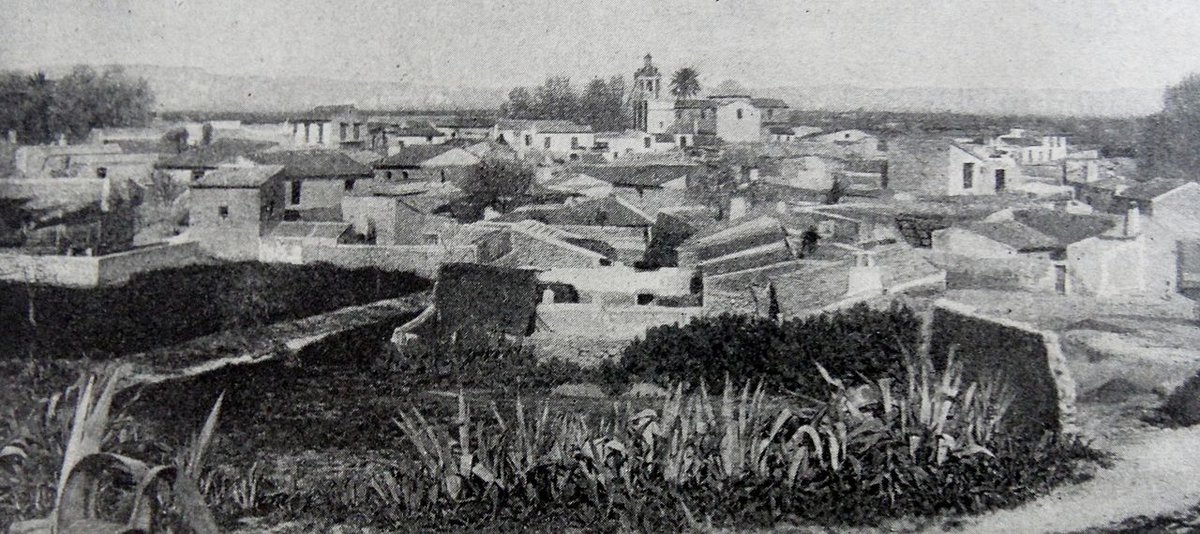
In Bigastro, the landscape matters more than the town centre. Orange groves begin almost where the tarmac ends: a set of traffic lights and, suddenly, open fields. The municipality is small, only a few kilometres long and barely a couple wide, and the River Segura has irrigated this stretch of the Vega Baja for centuries. The built-up area occupies a modest footprint within that agricultural mosaic, completely surrounded by market garden land.
The network of acequias, traditional irrigation channels that still structure the fields today, appears in early documents from the area. At the beginning of the 18th century, the Cabildo of Orihuela promoted the creation of a small settlement here, dependent on the city. That origin helps explain the scale of the place. Bigastro grew as an agricultural village shaped by water management and by its ties to Orihuela, and much of that relationship lasted well into modern times.
This is not a town defined by monumental architecture. It is defined by fields, by the Segura, and by the steady presence of citrus trees that frame every approach road.
The windmill that became an identity
Bigastro’s history is often summed up in its coat of arms: a tower windmill on a blue background. The mill itself disappeared long ago, but the nickname it inspired remains. Locals are still known as molineros, millers.
The story usually told dates back to the 19th century, after the disentailment process known as the Desamortización de Mendizábal, when church properties were sold off. A family linked to a flour mill acquired one of these installations by the river. The building no longer stands, yet the nickname endured and became a marker of local identity.
Even today, it is a familiar way of recognising one another. “Are you one of the molineros?” still works as a shorthand for belonging. In a town this size, such inherited names matter. They connect present-day residents to a period of change in land ownership and to a river that once powered local industry.
Nuestra Señora de Belén: a church that was not a parish
The church of Nuestra Señora de Belén stands on a narrow street in the centre, almost wedged between houses. The current building follows a simple neoclassical style and is usually dated to the mid-19th century. For a long time it was not a parish church in its own right but rather a hermitage serving the village, which depended ecclesiastically on Orihuela.
That origin explains its restrained interior. There is a single nave with a wooden roof and an altarpiece added after the original construction. Bigastro was only established as an independent parish well into the 20th century.
Behind the high altar stands a small image of the Virgen de Belén. According to local tradition, it came from a Carthusian monastery affected by the 19th-century disentailment. The same image is carried in procession at the beginning of each year, moving through streets that were once crossed by open irrigation channels. The route traces a layout shaped by water, long before modern paving covered the old acequias.
The church does not overwhelm with ornament. Its significance lies in its gradual transition from dependent hermitage to parish, mirroring the town’s own path from subordinate village to municipality with its own institutions.
Cocido con pelotas and other serious matters
Bigastro’s cooking belongs firmly to the Vega Baja tradition and revolves around what the surrounding land provides. The most recognisable dish is cocido con pelotas. These are large, spiced pork meatballs cooked directly in the stew pot. They form part of a substantial meal rooted in local custom.
Arroz con conejo, rice with rabbit, appears frequently. When colder weather sets in, arroz con costra takes centre stage. This rice dish is finished in the oven, where beaten egg sets on top to create the characteristic crust. The final layer is watched with a certain domestic seriousness. The texture of that crust is a point of quiet pride.
The pelotas are usually prepared with meat marinated from the night before. In other towns in the comarca, chickpeas or additional ingredients may be added. In Bigastro, the recipe tends to remain fairly contained.
Food here stays closely tied to the surrounding fields: citrus fruits, vegetables and some small game from the margins of the Segura. The connection between plate and landscape is direct. What grows nearby ends up in the pot.
From dependants to neighbours: the August fiestas
San Joaquín has been the town’s patron saint since the mid-19th century, when the community formally requested its own saint. The patronal fiestas take place in August and still retain features of a locality that depended administratively on Orihuela for much of its history.
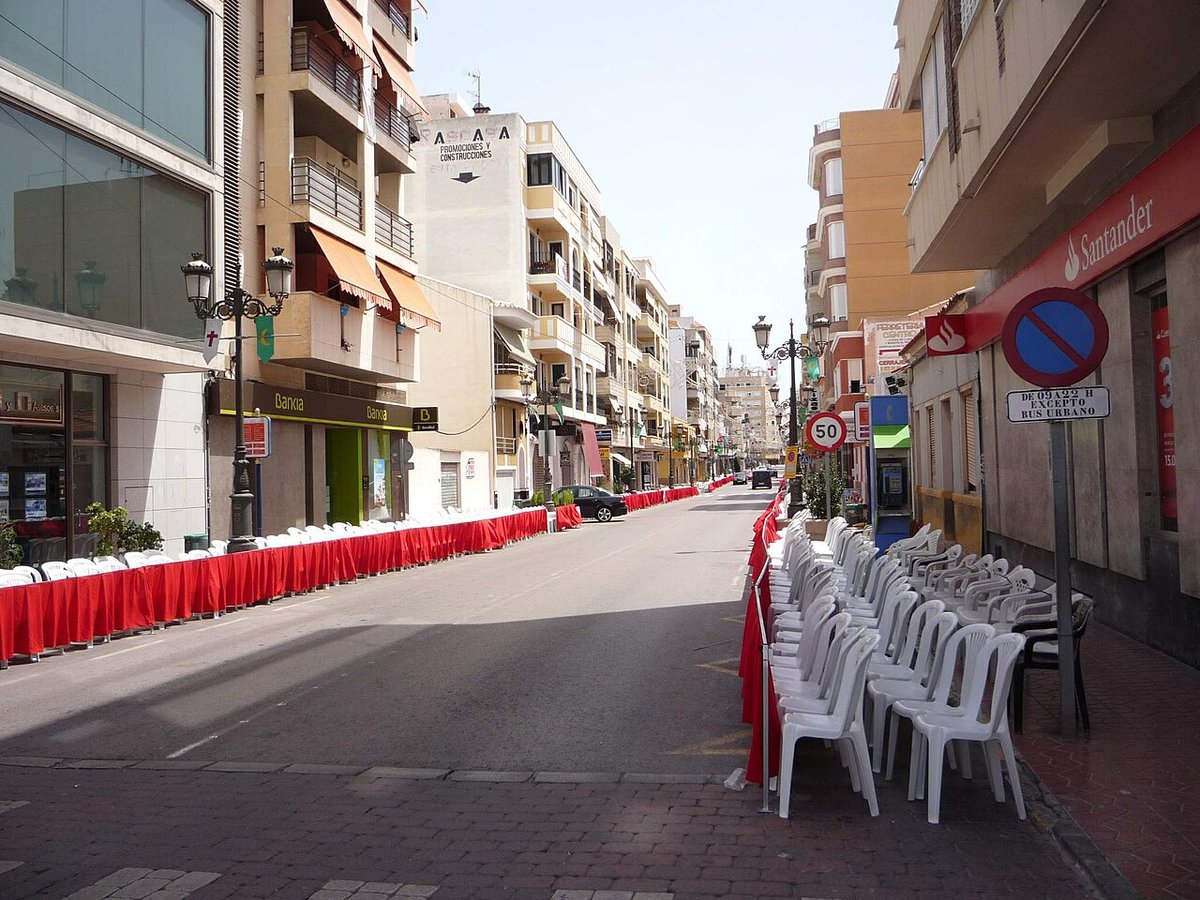
The brotherhoods associated with the patron and with the Rosario continue to play a visible role in organising events. On the central days of the celebrations, the main square fills with family tables, each household bringing its own paella. The atmosphere reflects a tradition of collective participation rather than large-scale spectacle.
One event that remains is the Rosario de la Aurora. It usually sets out at dawn and passes through the centre accompanied by band music and lit candles. The combination of early hour, music and procession gives a sense of continuity with earlier generations.
The fiestas mark a shift in identity. A place that once saw itself as administratively dependent gradually defined its own calendar and symbols. San Joaquín became part of that process.
A small stop in the Vega Baja
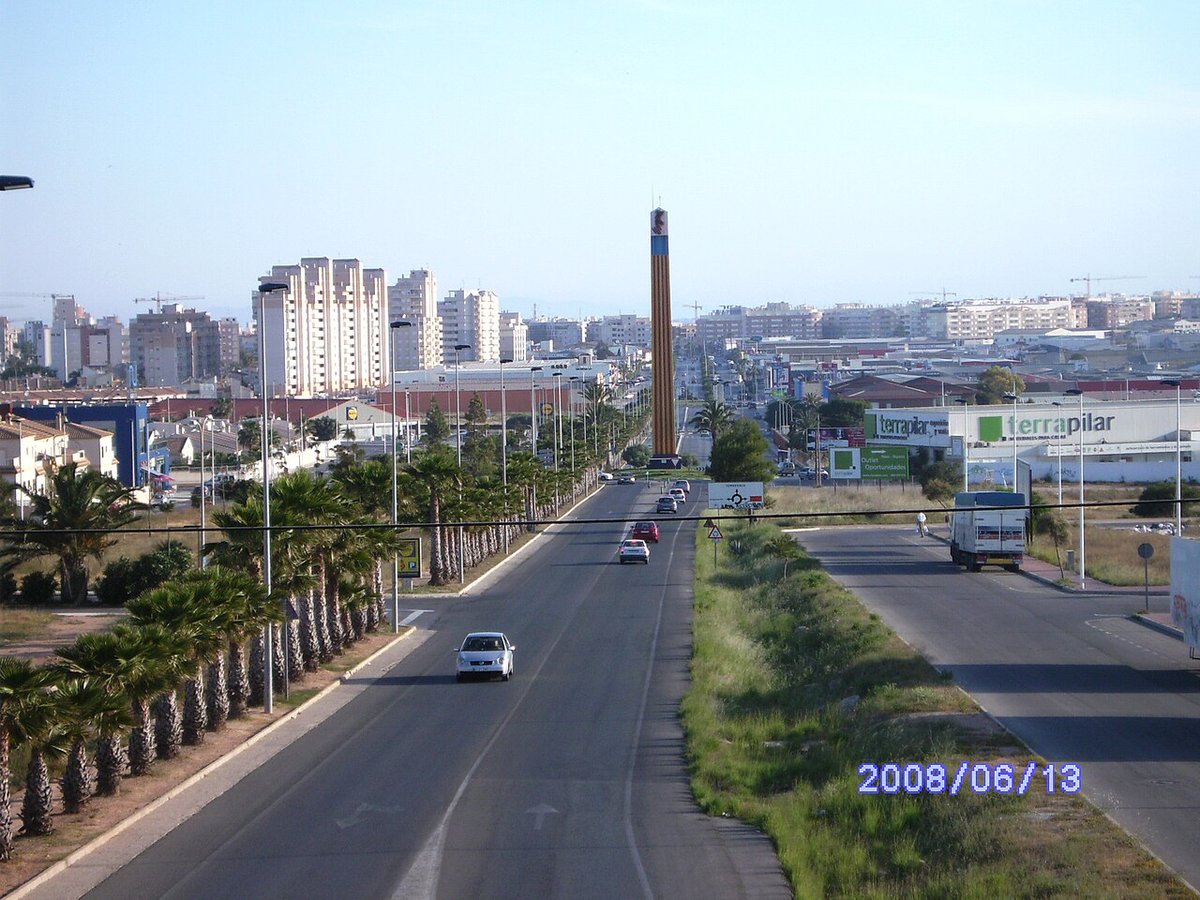
Bigastro lies in the centre of the Vega Baja, a short distance from Orihuela and from other agricultural towns such as Jacarilla and Benejúzar. It is reached by regional roads from the motorway that crosses the area.
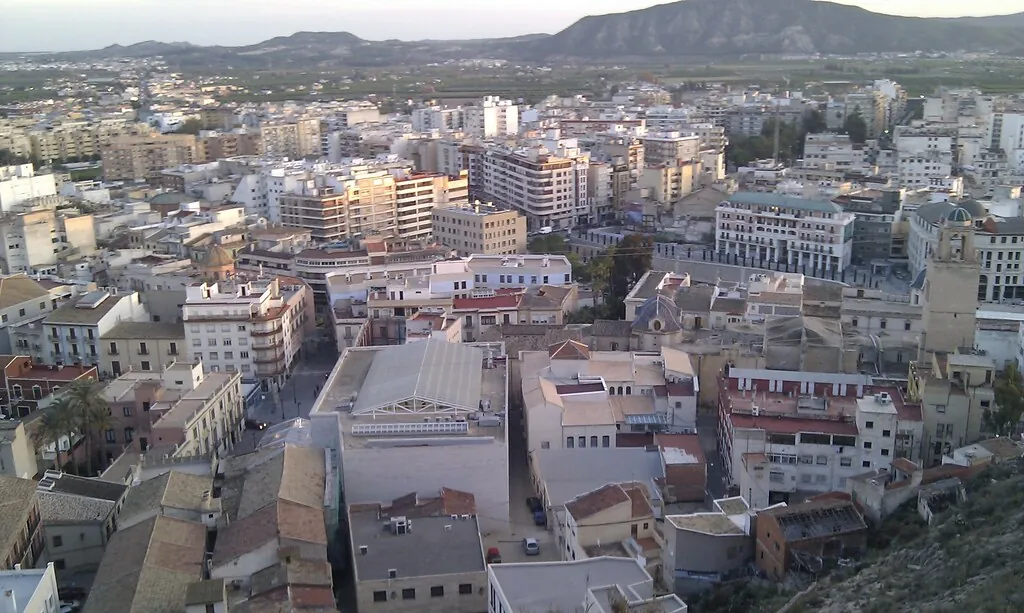
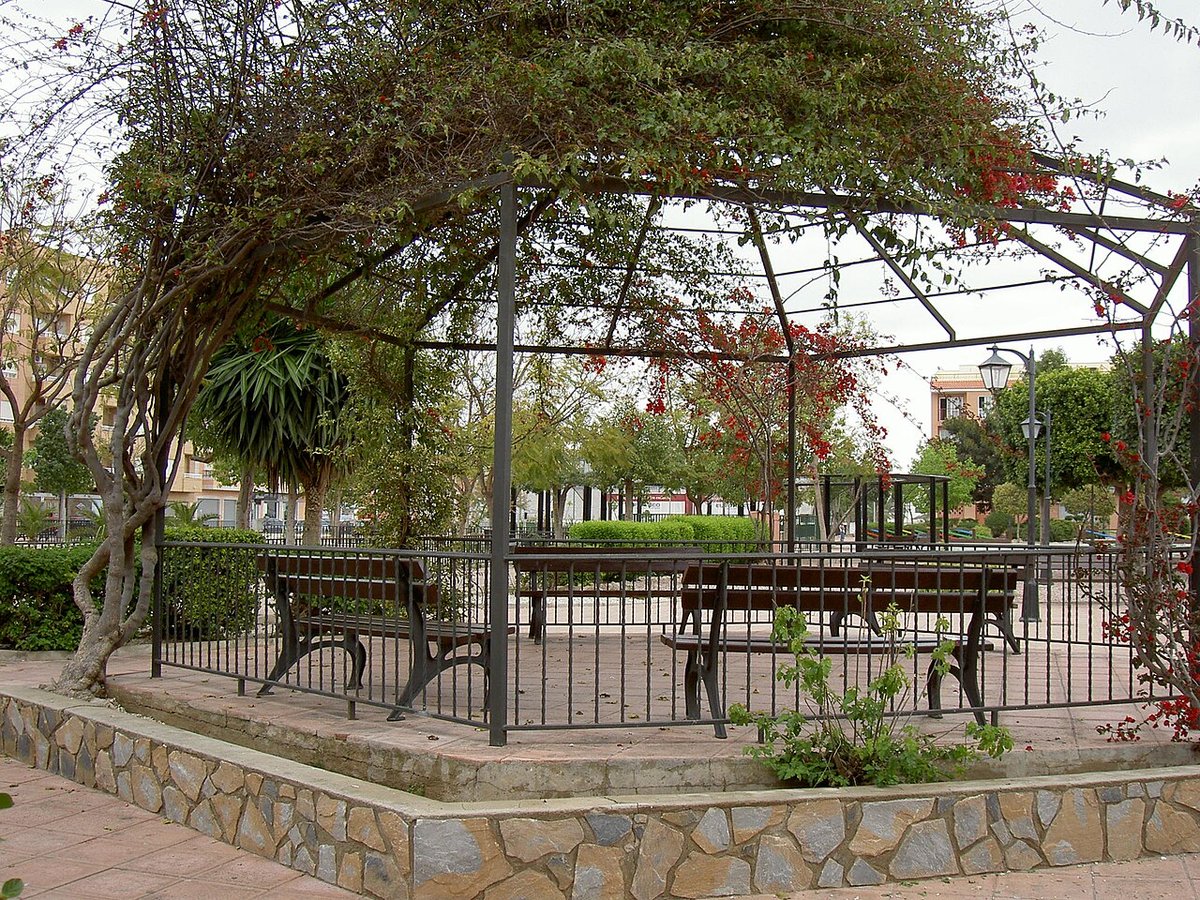
The urban centre can be covered easily on foot. Calle Mayor, Plaza de la Constitución and the area around the church concentrate most of what there is to see. The scale encourages a slow circuit rather than a checklist of sights.
Those interested in the huerta, the irrigated farmland, should head out along the agricultural tracks that encircle the town, either on foot or by car. In spring, orange blossom defines the landscape. In autumn, the citrus harvest begins.
Bigastro is not a destination for a long stay. It makes more sense as a stop within a wider route through the Vega Baja. Here, the focus is less on monuments and more on how daily life continues among irrigation channels and orange groves, in a municipality where the countryside still sets the tone.