Full Article
about Callosa de Segura
A town at the foot of a large limestone ridge, known for its religious heritage and hemp.
Hide article Read full article
Callosa de Segura y su vieja partida
La primera noticia que muchos tienen de Callosa de Segura es un rito. Se llama partir la vieja. Unas semanas después del Miércoles de Ceniza, una figura femenina de pan se divide en dos en la plaza. Luego se reparte el pan bendito con un poco de vino dulce. Los callosinos no suelen extenderse en explicaciones sobre su origen. Lo hacen porque siempre se ha hecho así, y esa falta de justificación es, en sí misma, una forma de identidad.
El cerro del Castillo como explicación
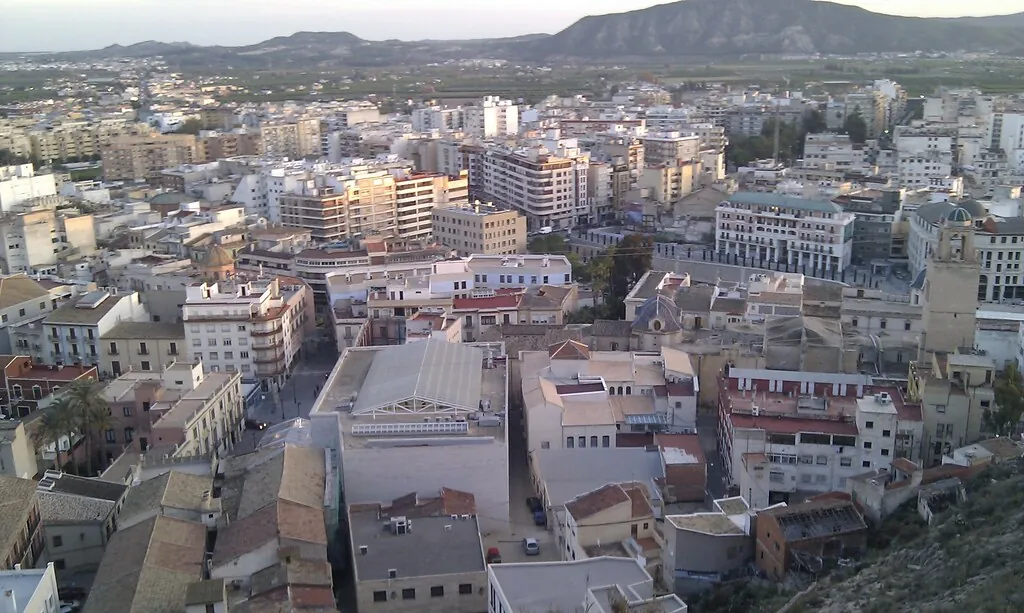
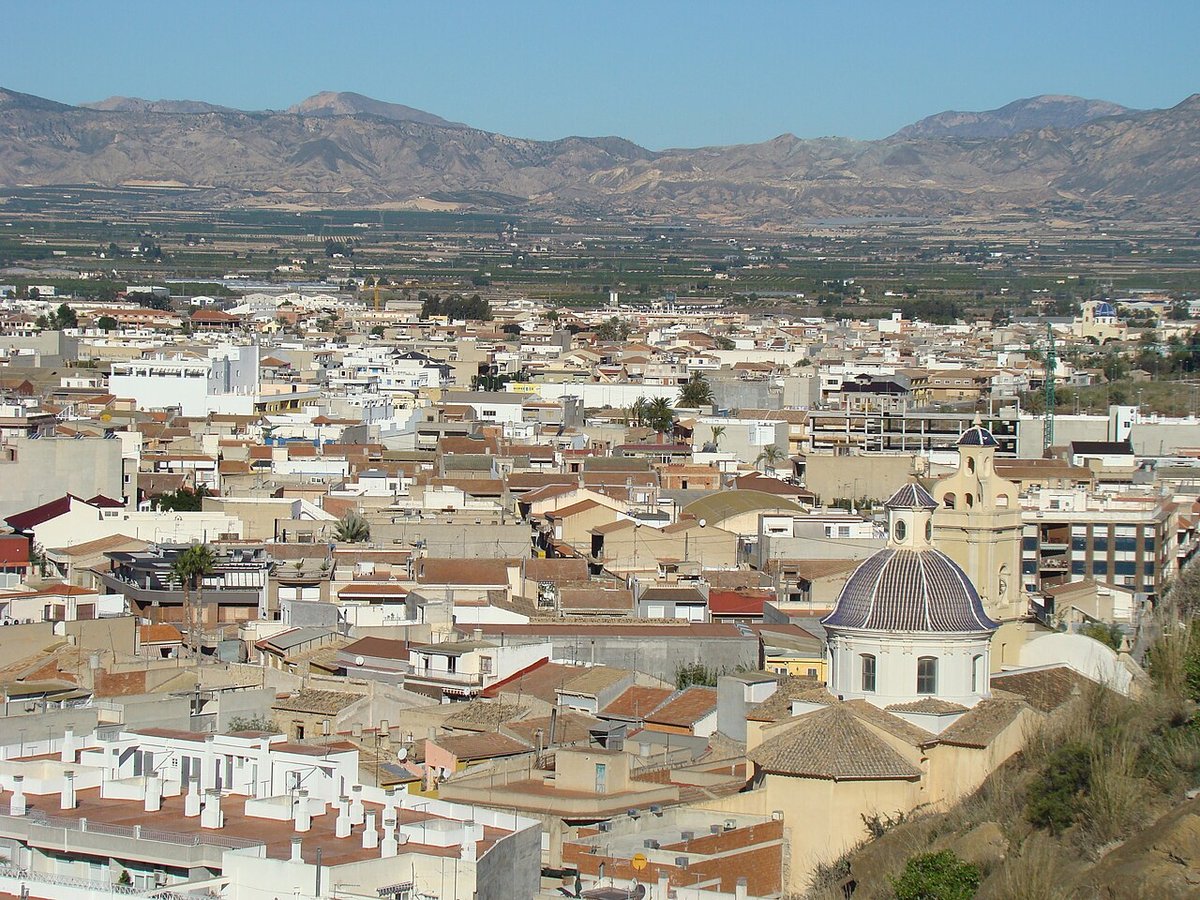
La geografía es la clave. Callosa se apoya en una colina que domina la vega del Segura y la ruta natural hacia la costa. Subir al cerro del Castillo aclara el porqué del pueblo. Desde arriba se ve la llanura fértil hacia el río y el estrechamiento del terreno hacia el interior.
La posición justifica el poblamiento antiguo. En la cumbre hay restos de un asentamiento de la Edad del Bronce, vinculado a la cultura argárica. Lo que queda son trazas: bases de muros, cimientos de viviendas, fragmentos de cerámica. Su valor está en la ubicación, no en la monumentalidad. Desde aquí se controla todo el valle.
En crónicas andalusíes el lugar aparece como Qalyusa. El cerro funcionó como punto defensivo dentro de una red más amplia que vigilaba la vega. Aunque los restos sean escasos, esa función aún se lee en el paisaje.
La huella del tiempo en el centro
Tras la incorporación a la Corona de Aragón en el siglo XIII, el cerro mantuvo importancia estratégica. El castillo actual responde sobre todo a reformas posteriores, de cuando las fronteras cercanas aún requerían vigilancia.
A los pies del cerro, la vida se ordena en la plaza Mayor. Ahí está la iglesia de San Martín, de aspecto barroco por reformas del siglo XVIII. Su exterior es sobrio. Dentro, merece atención el retablo mayor.
La escena central muestra a San Martín partiendo su capa con un mendigo. Lo interesante está en los detalles menores: las tallas de ángeles y figuras laterales revelan el trabajo de artesanos locales. Algunos elementos sugieren la pervivencia de tradiciones mudéjares, algo no extraño en esta zona del sur valenciano, donde oficios y comunidades no desaparecieron de golpe.
Memoria del trabajo: cáñamo y Semana Santa
Durante siglos, la economía giró en torno a la huerta. Junto a los cítricos, el cáñamo tuvo un papel notable. Sus fibras se usaban para cuerdas, sacos y telas resistentes, antes de que las fibras industriales se generalizaran.
En algunas casas antiguas de la zona aún pueden identificarse las estructuras para colgar las plantas a secar. No son evidentes si no se sabe buscarlas, pero forman parte de la memoria agrícola del lugar.
Otra tradición arraigada es la Semana Santa, con una participación vecinal muy fuerte. Existe un espacio expositivo dedicado a conservar pasos procesionales, documentos y objetos de las cofradías. Más allá de su dimensión religiosa, permite entender cómo estas celebraciones han modelado la vida social del pueblo.
Cocina de huerta y proximidad costera
La comida aquí refleja lo que da la huerta y lo que llegaba de la costa cercana. El bacalao meneao, con pasas, aparece con frecuencia en las mesas locales. También hay gachamigas y otros platos sencillos a base de harina, aceite, ajo y patata, vinculados a jornadas largas de trabajo.
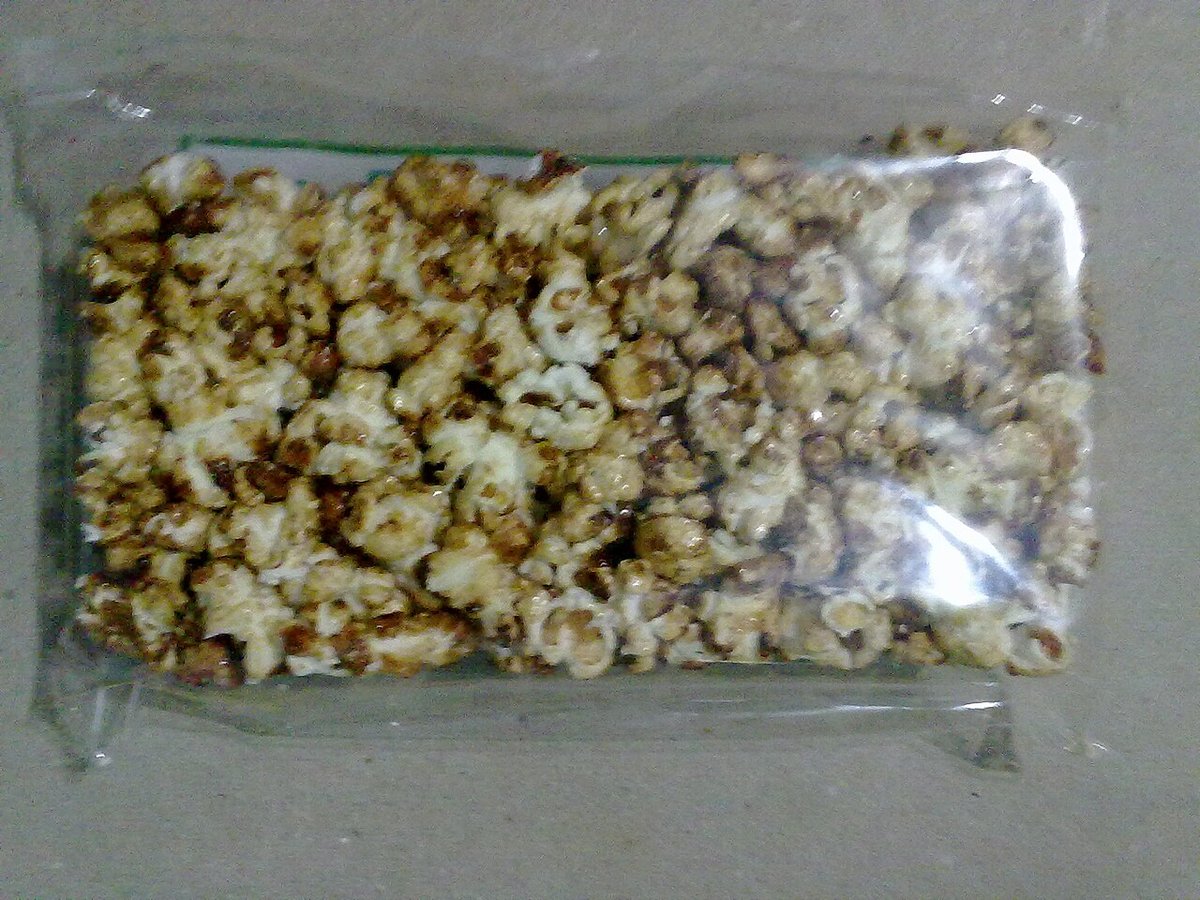
En ocasiones más festivas es común el cocido con pelotas, donde unas albóndigas grandes y especiadas son parte central. En repostería, las recetas caseras siguen circulando entre generaciones. Entre ellas están las almojábenas, las tortas de calabaza con miel y la llamada torta boba, cuyo nombre no hace justicia a su carácter.
Recorrer Callosa a pie
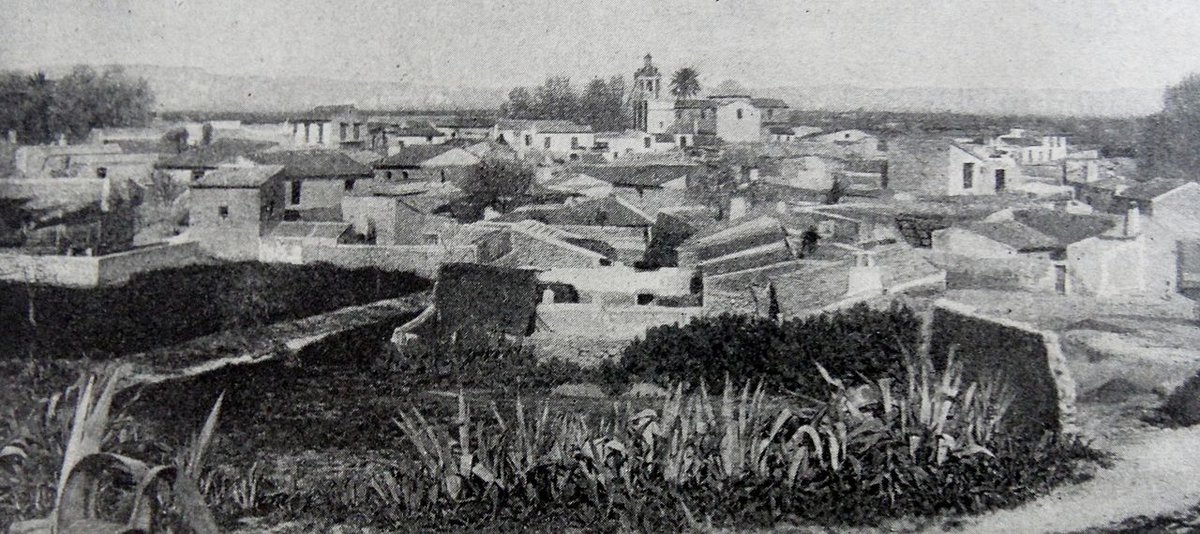
El casco histórico se recorre bien caminando. La plaza Mayor y la iglesia son un punto de partida natural. Desde ahí, las calles estrechas se adentran en zonas con casas del siglo XIX, con balcones de forja y portales trabajados.
La subida al castillo es corta pero con pendiente. En los meses más cálidos conviene llevar agua; el sol en la Vega Baja puede ser intenso incluso cuando no lo parece. Arriba, lo principal no son las ruinas sino la vista sobre la huerta y el valle del Segura.
Entender Callosa de Segura requiere tiempo: caminar por sus calles antiguas, observar las casas más viejas y notar cómo el pueblo se apoya directamente en la ladera. Ahí está gran parte de la explicación de su trazado y su carácter.