Full Article
about Catral
A market-garden town surrounded by wetlands; its farming traditions endure.
Hide article Read full article
A Plain Shaped by Water
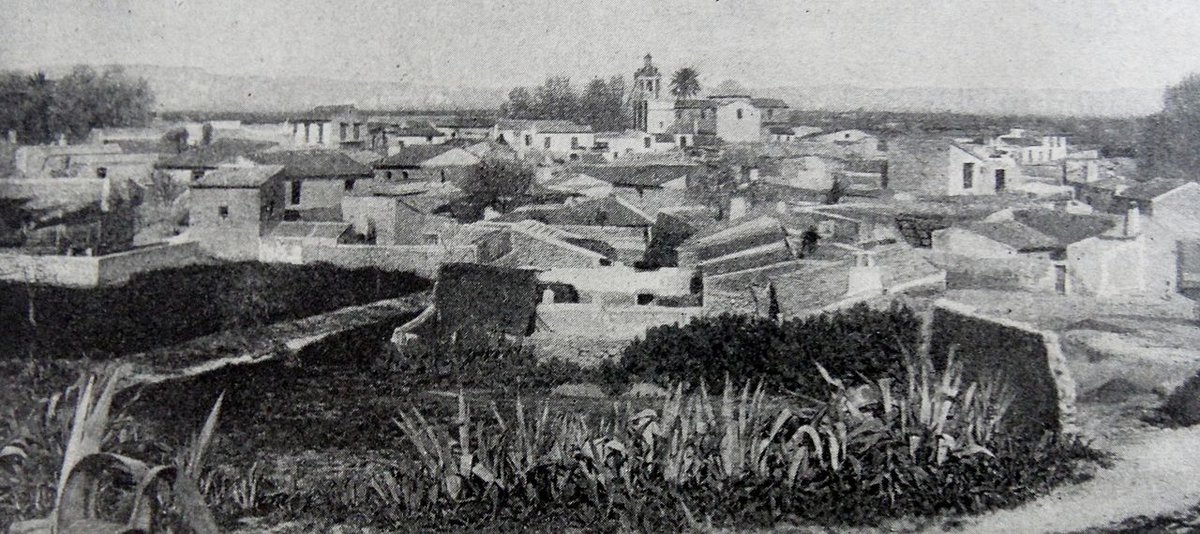
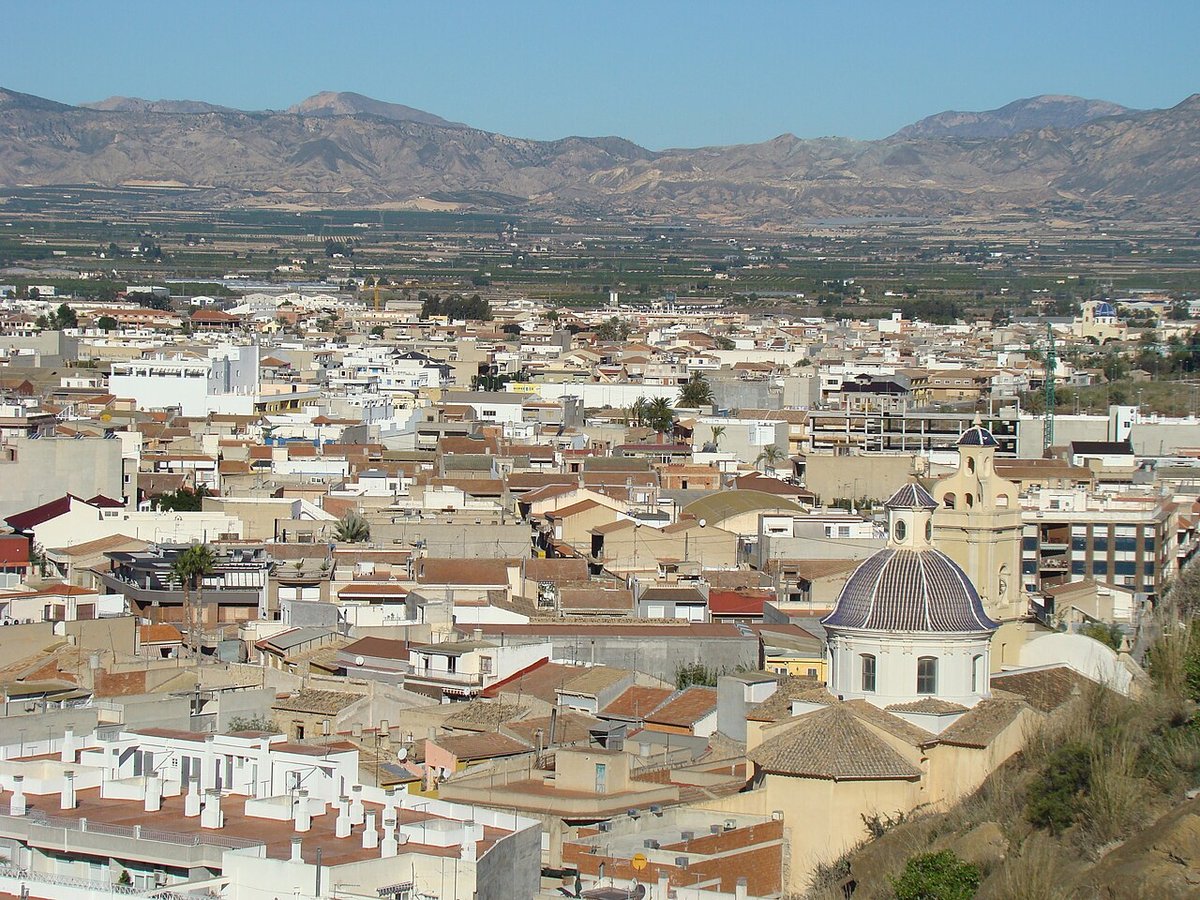
In April, the air in Catral carries the scent of orange blossom. The citrus groves that surround the town release their fragrance well before the road sign comes into view. That landscape sets the tone for any visit. Catral sits in the Vega Baja del Segura, a broad agricultural plain in southern Alicante province where water has shaped both the land and daily life for centuries.
Alicante city lies about forty kilometres away, yet the atmosphere here feels very different. Irrigation channels, known as acequias, cut across the fields. Plots form neat rectangles, and rural tracks lead out from the town centre into orchards and smallholdings. The setting is flat and open, with little to interrupt the horizon. It is a place where agriculture remains visible and close at hand.
Irrigation and the Growth of the Town
Catral shares much of its history with other towns in the Vega Baja, all closely tied to the irrigation system fed by the Segura river. The area was already inhabited in medieval times, with references to agricultural settlements of Andalusian origin. The town itself expanded later, once the network of acequias made it possible to cultivate more land and sustain a larger population.
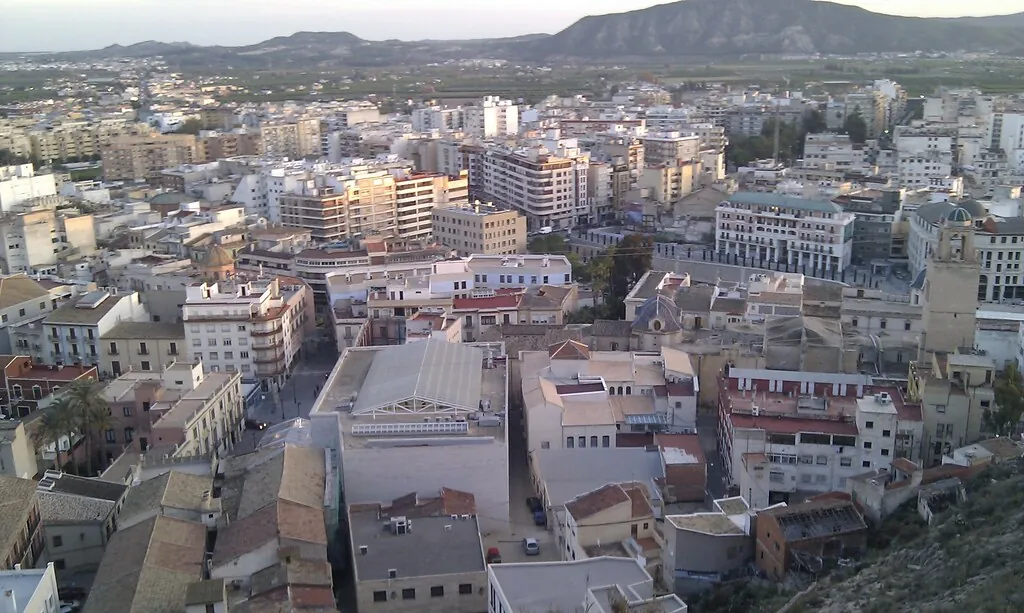
The Iglesia de los Santos Juanes reflects that gradual growth. It is not a monumental church, but its structure tells a story of expansion over time. The building developed in stages as the population increased. Inside, there are Baroque elements, while the exterior remains simple. Its tower served for many years as a visual point of reference in the middle of the plain. In such a flat landscape, even modest ارتفاعs take on practical importance.
During the 19th century, the arrival of the railway at the nearby Albatera‑Catral station changed how local produce reached wider markets. Agriculture continued to dominate the economy, yet connections became more direct and efficient. The fields still define the area, but they have long been linked to networks beyond the immediate region.
A Chapel at the Heart of the Town
The Ermita de la Purísima stands today on one side of the Plaza Mayor. Its origins are older than its current position suggests. It likely began as a small rural oratory on the outskirts of the early settlement, a common feature in agricultural communities across the Vega Baja.
As Catral expanded, the chapel became absorbed into the town centre. What was once outside the built-up area now forms part of its core. Devotion to the Immaculate Conception remains an important part of the local calendar. In December, a procession usually takes place in honour of this dedication, reflecting traditions that are deeply rooted in the region.
Hermitages like this have long served more than a religious function. They act as gathering points for the community, places where social and cultural life intersects with worship. That role continues in Catral, where the Ermita de la Purísima remains closely tied to local identity.
Festivities, Music and Seasonal Food
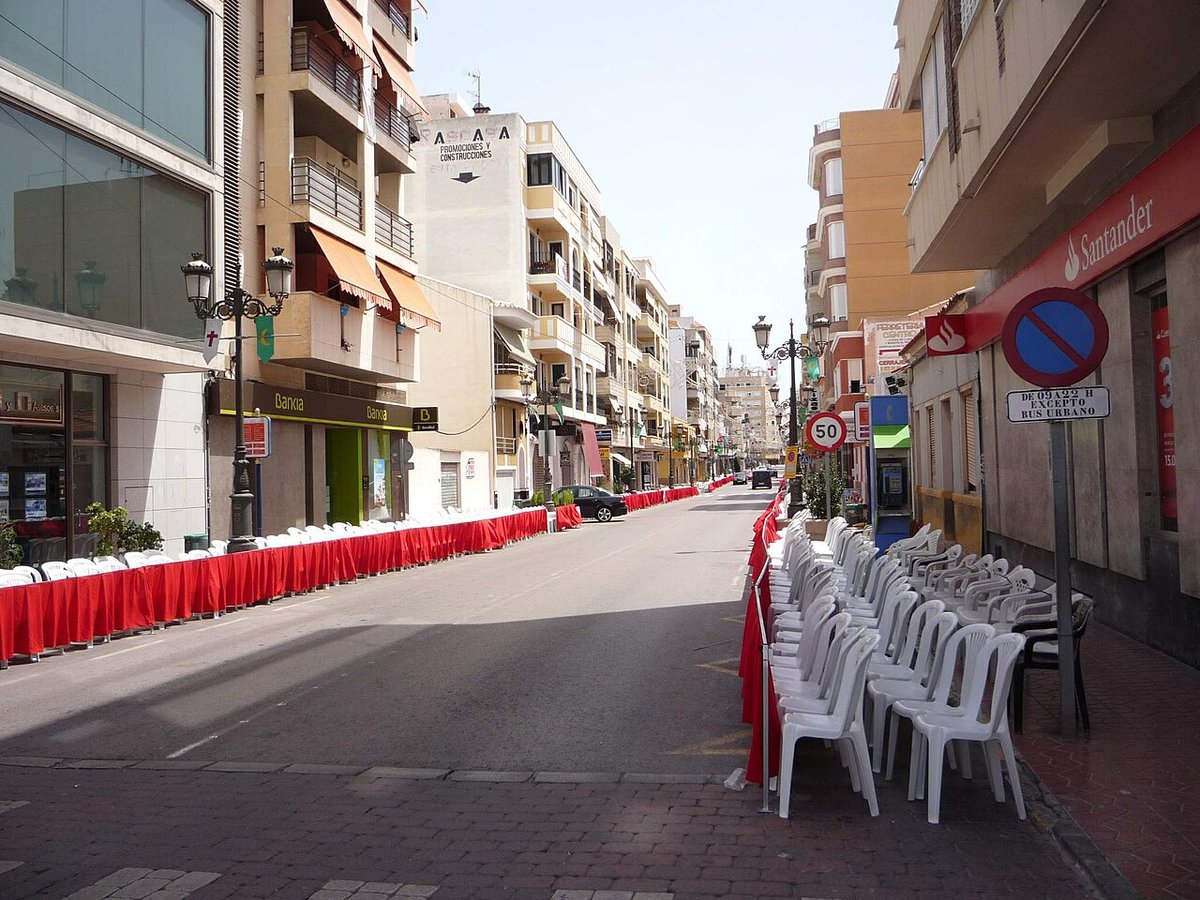
Catral’s patron saint festivities are held in honour of San Juan Bautista at the end of June. During these days, the pace of life shifts. Streets are decorated with bunting, and local groups organise themselves for evening celebrations. Alongside these events, religious acts follow a structure that has remained largely unchanged over time.
Music plays a central role. Since the late 19th century, Catral has had a musical society that is still active today. This is a common feature across the Comunidad Valenciana, where local bands form part of everyday culture. Rehearsals, street parades and processions shape the soundscape of the festivities, echoing what happens in many neighbouring towns.
Food also reflects the festive calendar. Sweets and fried treats appear during celebrations, including buñuelos, a type of fritter associated with special occasions. These are often prepared either at temporary stalls or in private homes, using recipes passed down through families.
Between Inland Fields and the Sea
Catral lies just inland within the Vega Baja. The sea is not visible from the town, but it is relatively close. Beaches such as Guardamar and Torrevieja can be reached by car in under half an hour, depending on traffic.
Despite that proximity, daily life in Catral remains oriented towards the huerta, the cultivated farmland that surrounds the town. The landscape is defined by a grid of agricultural tracks, irrigation channels and small buildings connected to farming. Many families still own plots nearby, even if some residents now work in other sectors.
This balance between past and present shapes the character of the place. The fields continue to play a central role, even as the economy and lifestyles evolve.
Walking Through Catral
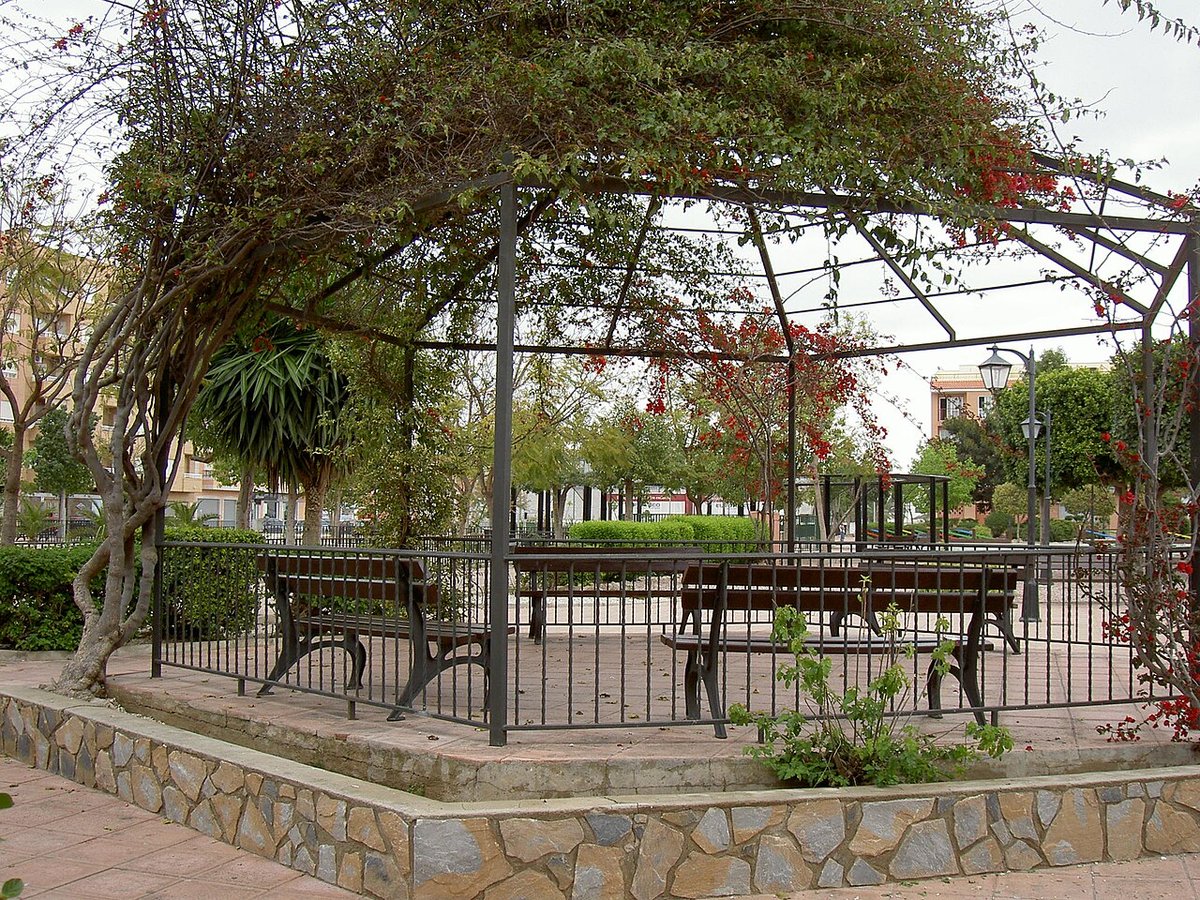
The town centre is flat and easy to explore on foot. The Plaza Mayor serves as the main reference point, bringing together the town hall and the Ermita de la Purísima. From there, straight streets extend outward and quickly lead towards the surrounding farmland.
There is no set route or major collection of monuments to tick off. Much of what defines Catral lies at its edges. Irrigation channels still in use run alongside paths. Farmhouses sit just beyond the built-up area. Dirt tracks circle the town and connect different plots of land.
An evening walk along these paths offers a clear sense of how this part of the Vega Baja functions. The boundary between town and countryside is minimal. Urban streets give way to cultivated land within minutes, and both remain closely linked.