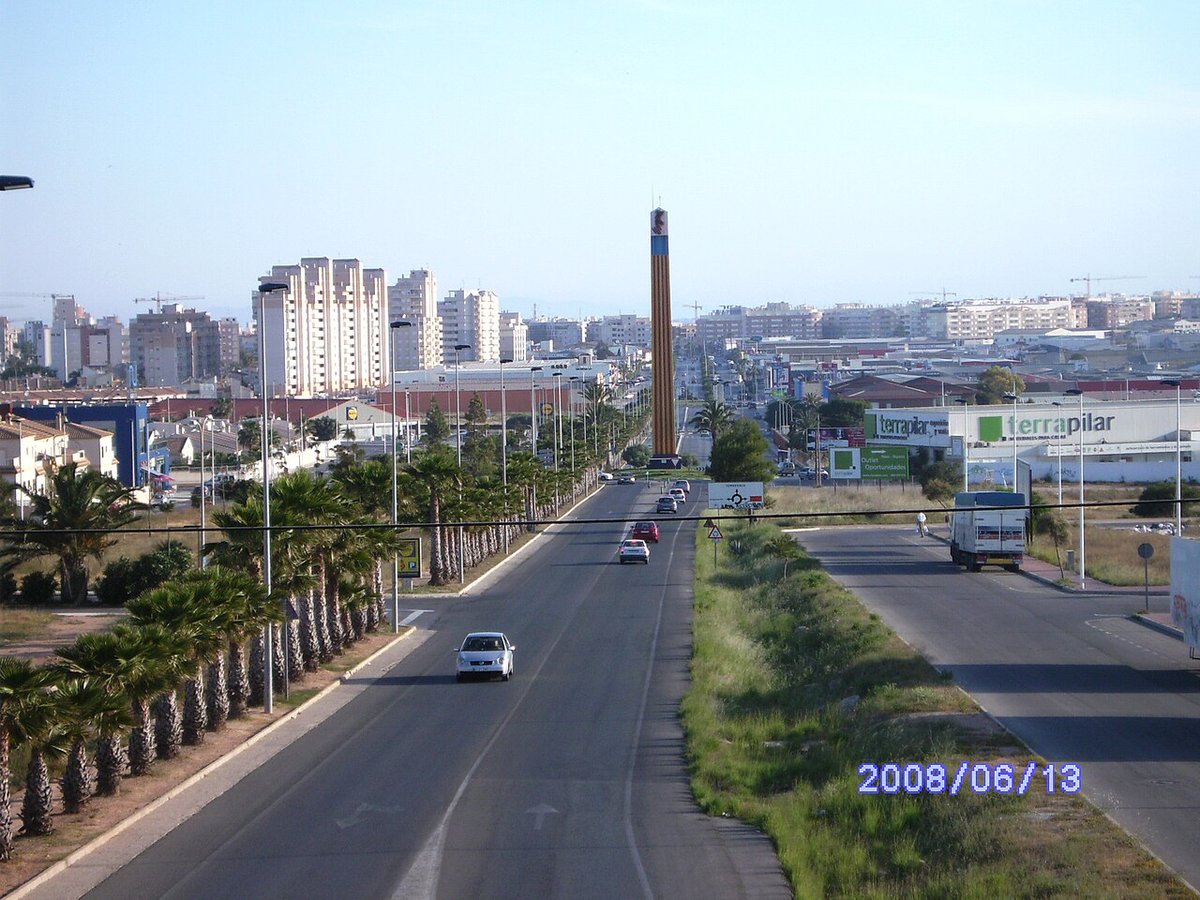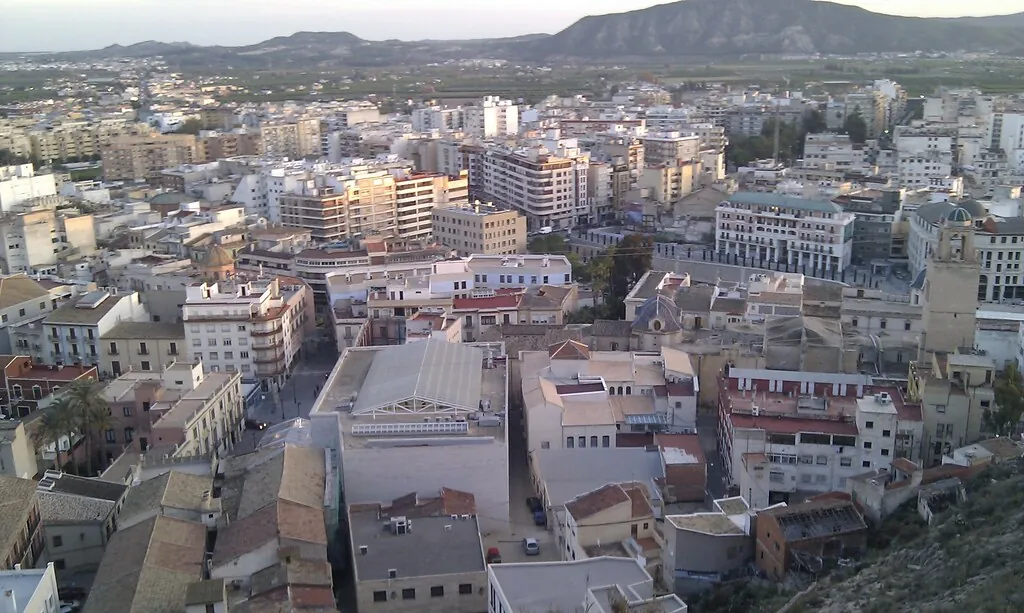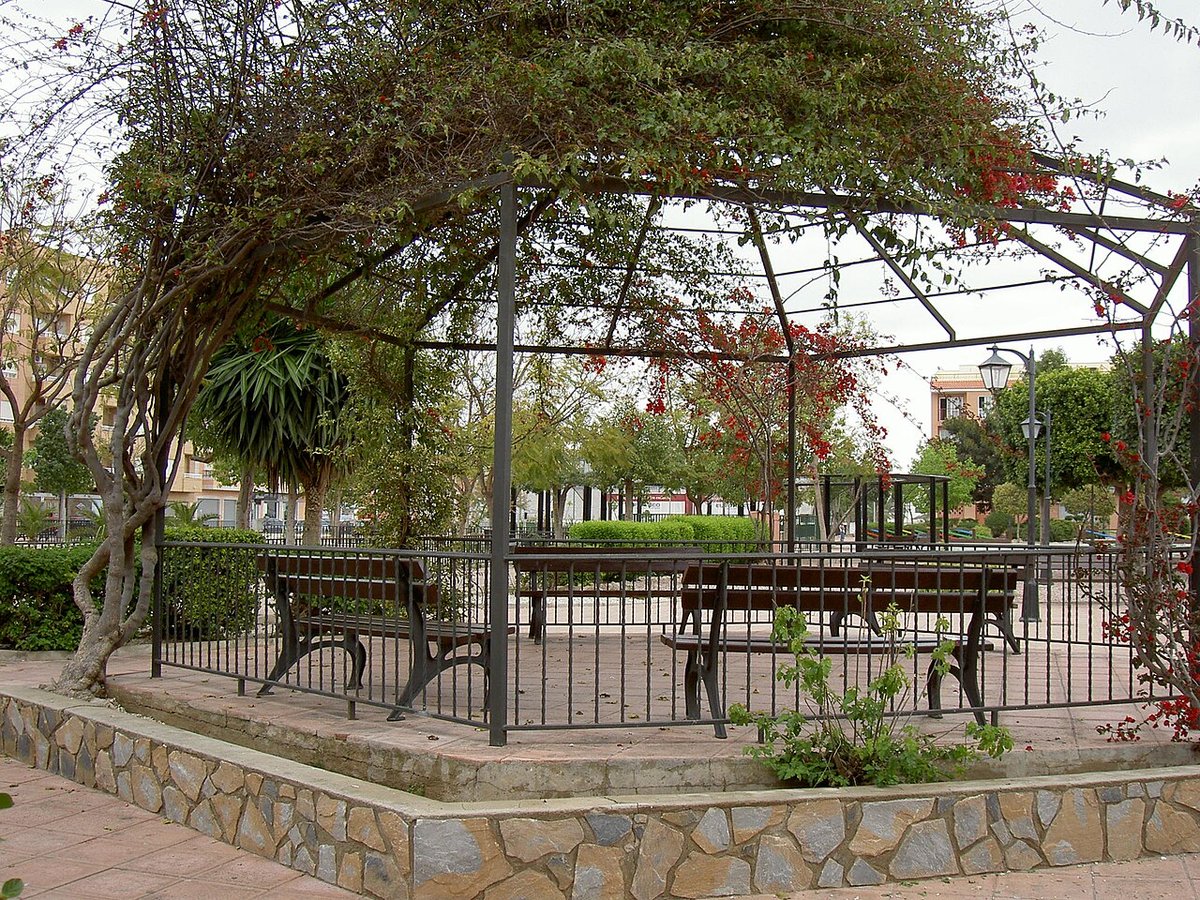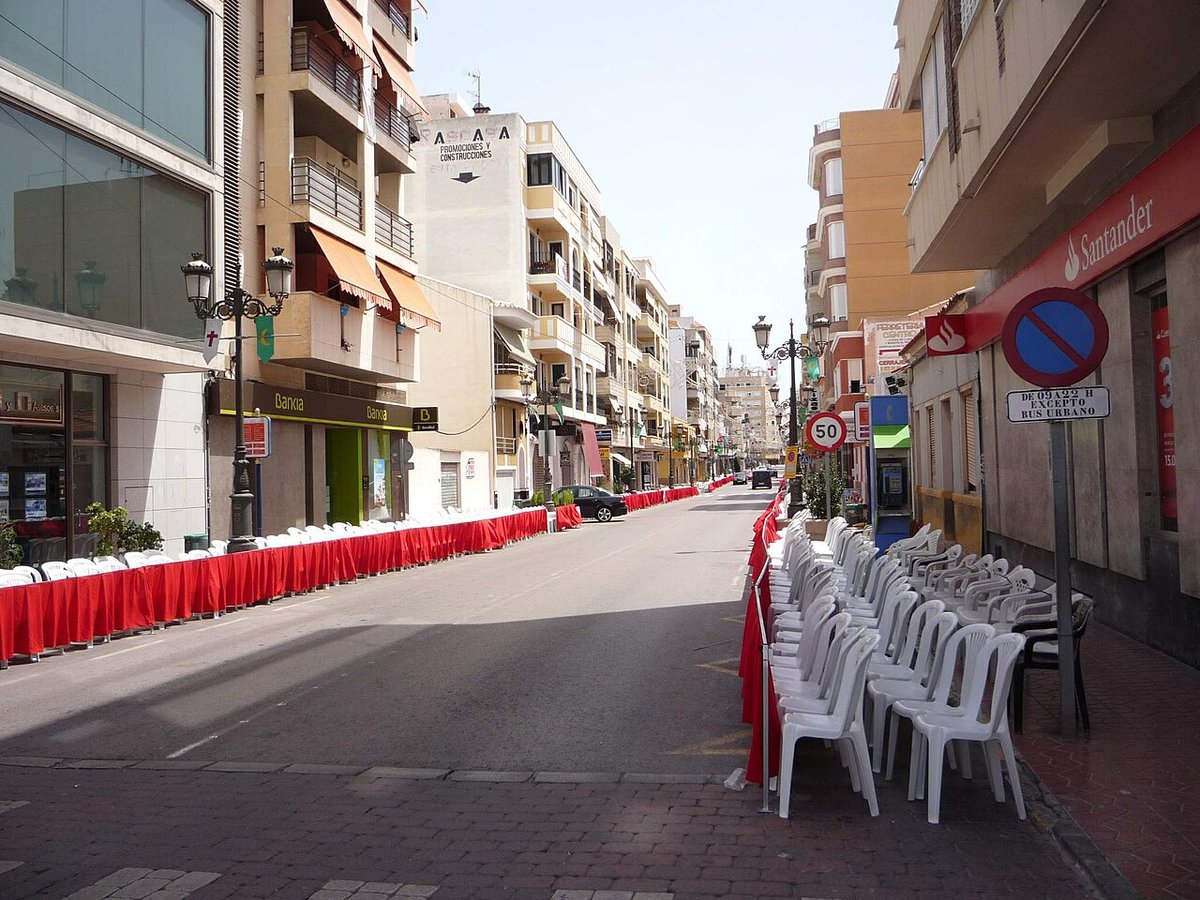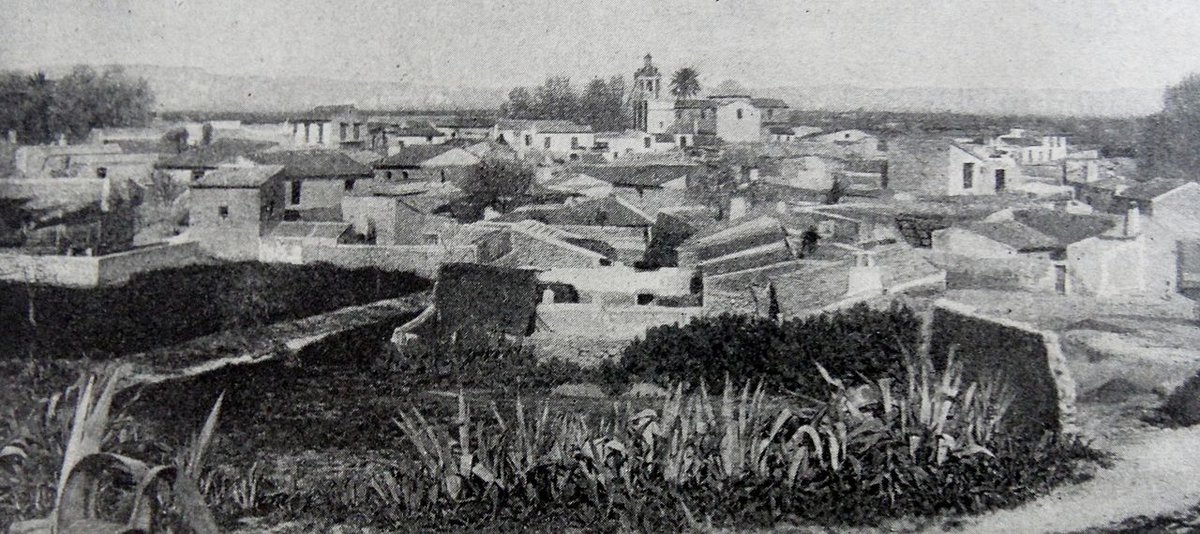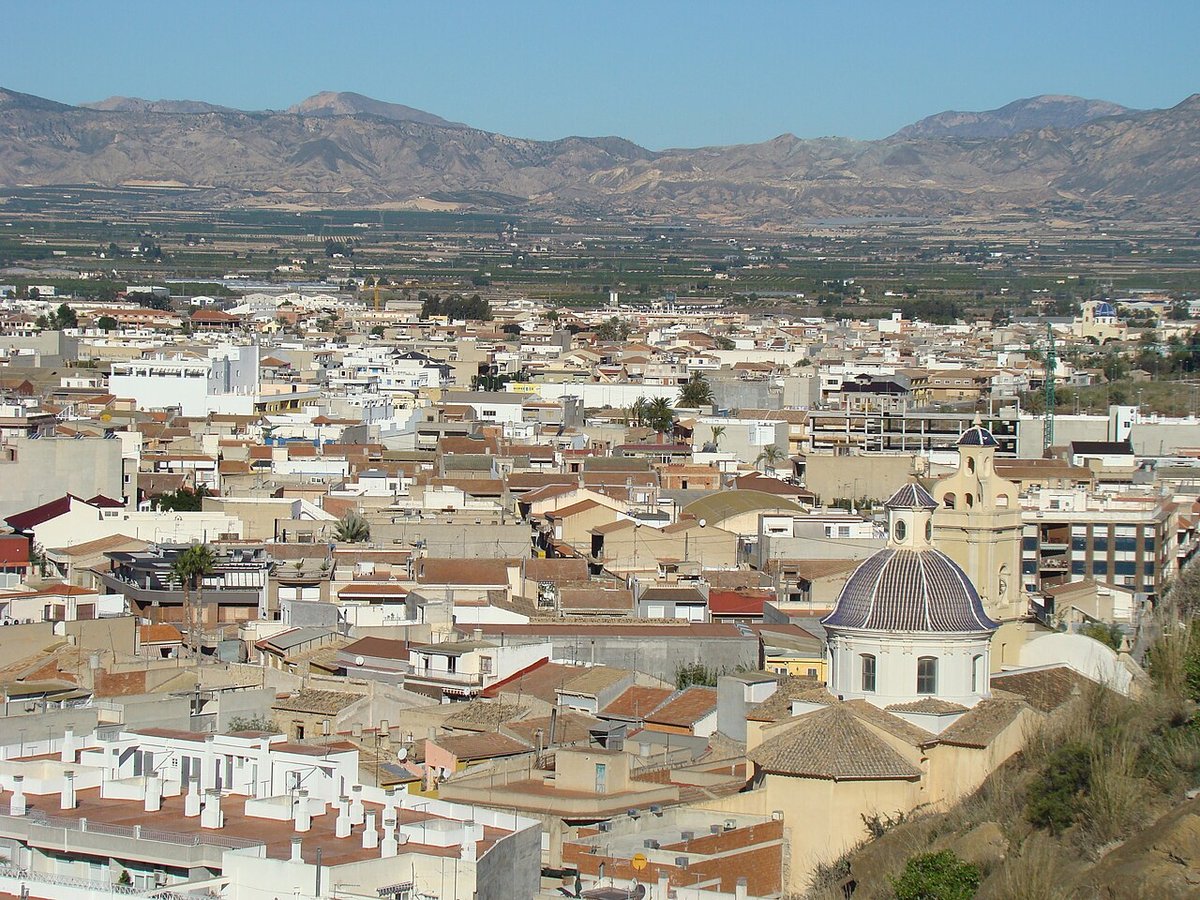
Panoramica huerta.JPG
Comunidad Valenciana · Mediterranean Light

Cox

The Saturday morning market sets up before seven. By half past, the air already smells of bitter orange from the surrounding groves, and elderly wo...

7,722 inhabitants · INE 2025
16m Altitude

Why Visit

Castle of Santa Bárbara Climb to the castle

Best Time to Visit

year-round

Moors and Christians (July) julio

Things to See & Do
in Cox

Heritage

  • Castle of Santa Bárbara
  • Church of San Juan Bautista
  • Windmill

Activities

  • Climb to the castle
  • Walk through the orchards
  • Visit to the ethnographic museum

Festivals
& & Traditions

Fecha julio

Moros y Cristianos (julio), Virgen del Carmen (julio)

Las fiestas locales son el momento perfecto para vivir la autenticidad de Cox.

Full Article
about Cox

Town at the foot of a hill with a castle; major producer of fruit and vegetables

Ocultar artículo Leer artículo completo

The Saturday morning market sets up before seven. By half past, the air already smells of bitter orange from the surrounding groves, and elderly women in housecoats are prodding aubergines for firmness while discussing water rights in rapid Valencian. This is Cox: 25 km inland from the Costa Blanca, flat as a billiard table, and still stubbornly agricultural when half the neighbouring villages have swapped tractors for tapas trails.

A Town That Works For Its Living

Cox sits only 16 m above sea level, which explains the heat that can slam visitors in midsummer. August thermometers nudge 40 °C; locals respond by shutting metal blinds at noon and re-emerging after nine, when the streets suddenly fill with prams and grandparents on aluminium walking frames. The relief comes from irrigation channels – the Acequia Real and its smaller siblings – that have funnelled River Segura water across the Vega Baja since Moorish times. Walk beside any of these channels and you’ll understand why the phrase “running water” here means business: gates, gauges and tiny brick overflows keep each farmer’s entitlement to the minute.

Expect soil under fingernails rather than polished medieval stone. The 7,500 inhabitants grow lemons, lettuces and the region’s earliest peaches; plastic sheeting glints between the orchards like frost. Tourism exists, but it’s incidental. The few British number plates belong mainly to motor-homers who use the free aire on the southern edge – level, signed, safe, but without so much as a cold shower. They stay one night, buy diesel at the Repsol on the ring-road, and leave with a photograph of the castle mound silhouetted against orange blossom.

What Passes For Sights

The castle itself won’t detain you long. A short, rubble-strewn path climbs from Calle Castillo to what amounts to two stretches of wall and a view: a chessboard of smallholdings stitched together by irrigation ditches, the church tower poking above red-tiled roofs, and the distant glint of greenhouses stretching towards the motorway. Bring the free leaflet from the Town Hall lobby; without it the masonry is just masonry.

Down in the grid of single-track streets, the Iglesia de la Inmaculada Concepción is usually open only before mass or during weddings. Push the heavy door around seven on a summer evening and you’ll catch the building at its coolest, the air sweet with beeswax and the faint tang of orange-peel incense. Renaissance side chapels flank a nave that was rebuilt after the 1829 earthquake; note the hairline cracks still visible in the plaster if you enjoy reading disaster in architecture.

Otherwise, look sideways rather than skywards. Early-twentieth-century townhouses squeeze between simpler cottages, their iron balconies painted the municipal green that looks almost black in shade. Peer through gateways to catch glimpses of interior patios where a single palm or a climbing bougainvillaea provides private shade. One house on Calle Mayor still displays a 1906 ceramic tile frieze showing sheaves of wheat; the family will let you photograph it if you ask in the doorway, but conversations rarely stretch beyond ten minutes – work starts again at dawn.

Eating Without Performance

Cox does not do tasting menus. What it does is buy vegetables picked the same morning and cook them until they taste of themselves. Arroces – closer to wet Italian risotti than dry paella – appear at weekends in most bars: order arròs amb fesols i naps (rice with beans and turnip) if you fancy pork-rich stock and gentle smokiness from sweet paprika. Vegetarians survive on roasted escalivada aubergine and peppers dressed with local molturà olive oil so green it almost stings.

For absolute safety, Bar Il Popolo fires a wood oven that turns out thin-crust pizzas familiar to any British teenager. Opposite, Tere Bar piles fried squid into baguettes the length of a forearm; ask for "sin alioli" if garlic mayo feels a step too far. Payment is cash only – the nearest ATM hides inside the Cajamar branch on Plaza Glorieta and charges €1.75 to foreign cards, so fill your wallet before ordering.

Drinks follow horticultural logic. Horchata, the tigernut milk served ice-cold, tastes like cereal milk with a faint marzipan edge; it’s dairy-free and costs €2 a glass. Local clarea is a halfway house between wine and cider, lightly sparkling and ideal when the thermometer refuses to drop below 30 °C at ten at night.

Moving Slowly

Flat terrain makes Cox perfect for cycling, but borrow a mountain bike rather than a road racer. Rural tracks are carpeted with fallen oranges in winter and dust in summer; skinny tyres puncture. A gentle 12-km loop follows the Sendero de las Acequias south past knee-high waterwheels and 1950s brick pump houses painted the same municipal green as the balconies. You’ll share the path with the occasional tractor hauling crates of persimon – overtaking is easy, just lift a hand in greeting.

Serious walkers can string together field lanes towards Albatera or Callosa, but carry more water than you think necessary; shade exists only where a stand of reeds leans over a ditch. Spring brings the famous azahar scent, yet March nights can dip to 7 °C – pack a fleece for evening strolls.

When The Town Lets Its Hair Down

Fiestas here are emphatically for locals, not Instagram. Mid-August programme sheets list correfocs (devil-run firecracker parades) starting at 1 a.m., followed by brass bands in the square until the baker switches on his ovens. Light sleepers should book rural houses outside the centre or simply join in. Ear-plugs cost 50 cents from the Farmacia López on Avenida de la Constitución; they sell out fast.

December brings the patronal fiesta for the Immaculate Conception. The church façade is draped with locally grown carnations, and the town divides into cuadrillas that cook rice over open fires in the streets. Visitors are welcome to queue for a plate; donation €3, served in enamel bowls that burn your fingers exactly enough to remind you it’s December only by calendar, not climate.

Getting There, Getting Out

Alicante–Elche airport lies 35 minutes away by hire car; Murcia International is slightly closer. Neither airport transfer bus bothers with Cox, so you’ll need wheels. The A-7 motorway slips past 8 km north – handy for day trips to Orihuela’s cathedral or the salt lagoons of Torrevieja if you crave sea breeze.

Trains do not stop here. The nearest station is in Callosa de Segura, 7 km away, served by the Alicante–Murcia cercanías line. From there a local bus trundles in three times daily except Sunday, when it gives up entirely. Taxi fare is €12; pre-book because ranks stand empty.

Worth It?

Cox rewards travellers who prefer their Spain unfiltered. You will not find souvenir magnets or flamenco dinner shows; you will find a bar that still closes for the owner’s siesta and a Saturday market where a kilo of onions costs 60 cents. Come in late March for blossom, late September for early mandarins, or any time you want to remember that the Vega Baja feeds Europe before it entertains it. Leave room in the suitcase: when the man with the trestle table on Plaza Glorieta offers you a dozen unwaxed lemons for €2, you’ll understand why the town needs neither sea view nor castle keep to earn its keep.

Key Facts

Region
Comunidad Valenciana
District
Vega Baja
INE Code
03058
Coast
No
Mountain
No
Season
year-round

Livability & Services

Key data for living or remote work

2024
ConnectivityFiber + 5G
TransportTrain station
HealthcareHealth center
EducationHigh school & elementary
Housing~6€/m² rent · Affordable
Sources: INE, CNMC, Ministry of Health, AEMET

Official Data

Institutional records and open data (when available).

  • Castillo de Santa Bárbara
    bic Monumento ~0.4 km
  • La Cruz
    bic Monumento ~0.4 km

Planning Your Visit?

Discover more villages in the Vega Baja.

View full region →

More villages in Vega Baja

Traveler Reviews