Full Article
about Daya Nueva
Small municipality in the heart of Vega Baja, surrounded by orchards and quiet.
Hide article Read full article
A village born from irrigation
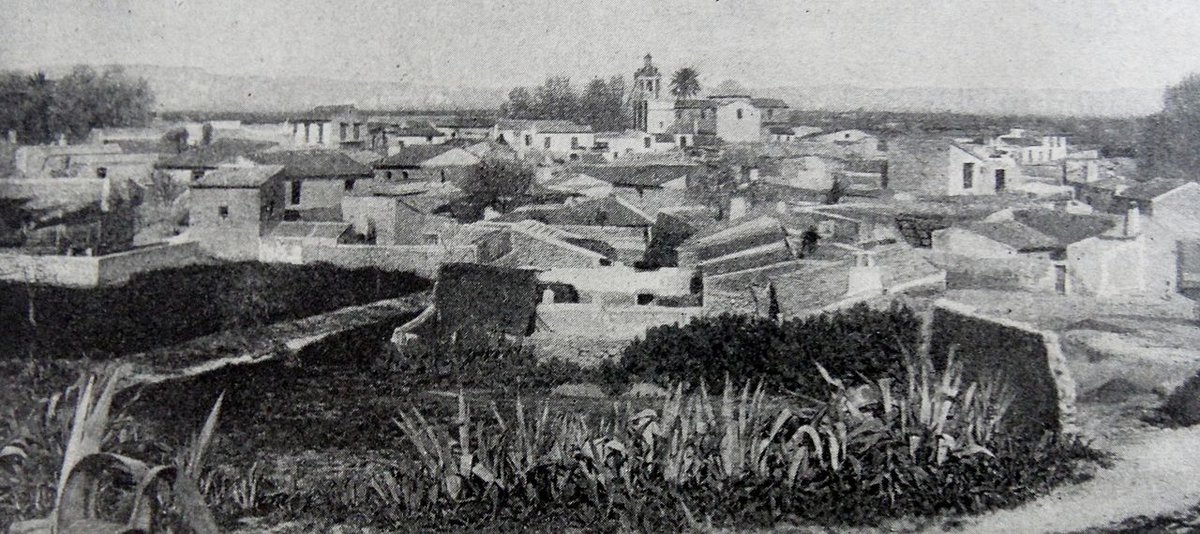
Daya Nueva sits in the Vega Baja del Segura, in the province of Alicante, part of a group of settlements that developed alongside the irrigated farmland of this coastal plain. Today it has around 1,885 residents and lies just a few metres above sea level, in one of the most fertile areas of the comarca. Its origins are usually linked to the agricultural changes of the 18th century, when cultivated land expanded across the Vega Baja and the management of water became the foundation of the local economy.
The village grew within a network of orchards and irrigation channels known as azarbes. That structure is still visible. The urban area remains surrounded by cultivated plots, with citrus groves, vegetable fields and some greenhouses. The layout of the land explains how this territory has been organised over generations, with agriculture at its core.
A practical layout and a quiet centre
The centre of Daya Nueva is organised around the church of San Pedro Apóstol. Built in the 18th century and later altered, it is not a monumental building, yet it plays the same role seen in many farming communities of the huerta. It marks the centre of the village and provides a clear reference point in an entirely flat landscape.
The street plan stands out for its regularity. Straight roads and orderly blocks are not typical of medieval towns, but they are common in planned settlements linked to agricultural expansion in the Vega Baja. This practical logic, designed to ease access, divide plots and organise irrigation, can still be felt when walking through the streets.
Step beyond the centre and the irrigation system quickly comes into view. Canals and ditches distribute water across the fields, forming part of the infrastructure that sustains daily life rather than acting as decorative features. In a place like this, water is not just a backdrop but a working system.
Fields, greenhouses and daily rhythms
A short walk from the streets leads directly onto agricultural tracks. Here the pace of the municipality becomes clearer. Fields are worked every day, small agricultural buildings dot the landscape, and tractors move back and forth at different times.
Greenhouses occupy part of the municipal area alongside more traditional crops of the huerta. The irrigation system based on acequias remains essential, even as it coexists with more recent methods. In this part of the Vega Baja, water continues to determine what is grown and when.
Local cooking grows out of this environment. Seasonal vegetables and produce from the surrounding fields shape everyday meals, including rice dishes that differ from the better-known coastal versions of paella. The ingredients tend to come directly from nearby land, reinforcing the close link between agriculture and daily life.
Walking the huerta
Daya Nueva is small and easy to explore. The urban centre can be crossed in about an hour, after which the surrounding agricultural paths open up. The terrain is completely flat, making it straightforward to walk or cycle without much effort.
These paths provide a way to observe how irrigation is organised, how crops change with the seasons and how work unfolds in the fields. The landscape is not dramatic, yet it offers a clear and representative view of the huerta in the Vega Baja.
Because of its location, many visitors combine a stop in Daya Nueva with nearby municipalities or with a visit to Orihuela, where the historical and artistic heritage is far more extensive. The contrast helps place Daya Nueva in context, as a working village rather than a heritage destination.
Festive traditions and shared spaces
Local celebrations revolve around the village’s patron saint, San Pedro. The patronal festivities usually take place at the beginning of summer, bringing together religious events and popular activities that fill the streets for several days.
During the warmer months, it is also common to find open-air gatherings such as dances, concerts or shared evening meals among neighbours. These events are typical of towns across the Vega Baja when summer nights set in, turning public spaces into places for meeting and socialising.
Looking beyond the obvious
Daya Nueva does not centre on major monuments or long sightseeing routes. Its interest lies elsewhere, in understanding how a village in the irrigated plain of the Segura functions. Everything here revolves around water, crops and an economy that still maintains a direct relationship with the land.
For those curious about the agricultural side of the Vega Baja, it offers a small but clear window into that reality. The experience is less about ticking off landmarks and more about observing how a landscape is used and maintained.
When to visit
Spring and autumn are usually the most pleasant times to walk along the agricultural paths. The climate is milder and farming activity is easy to observe.
Winter coincides with the harvest of many citrus fruits, bringing a noticeable shift in the landscape. Boxes appear in the fields, machinery moves more frequently and plots are busy with picking. It is another way to understand how the agricultural calendar shapes life in this part of the Vega Baja.