Full Article
about Daya Vieja
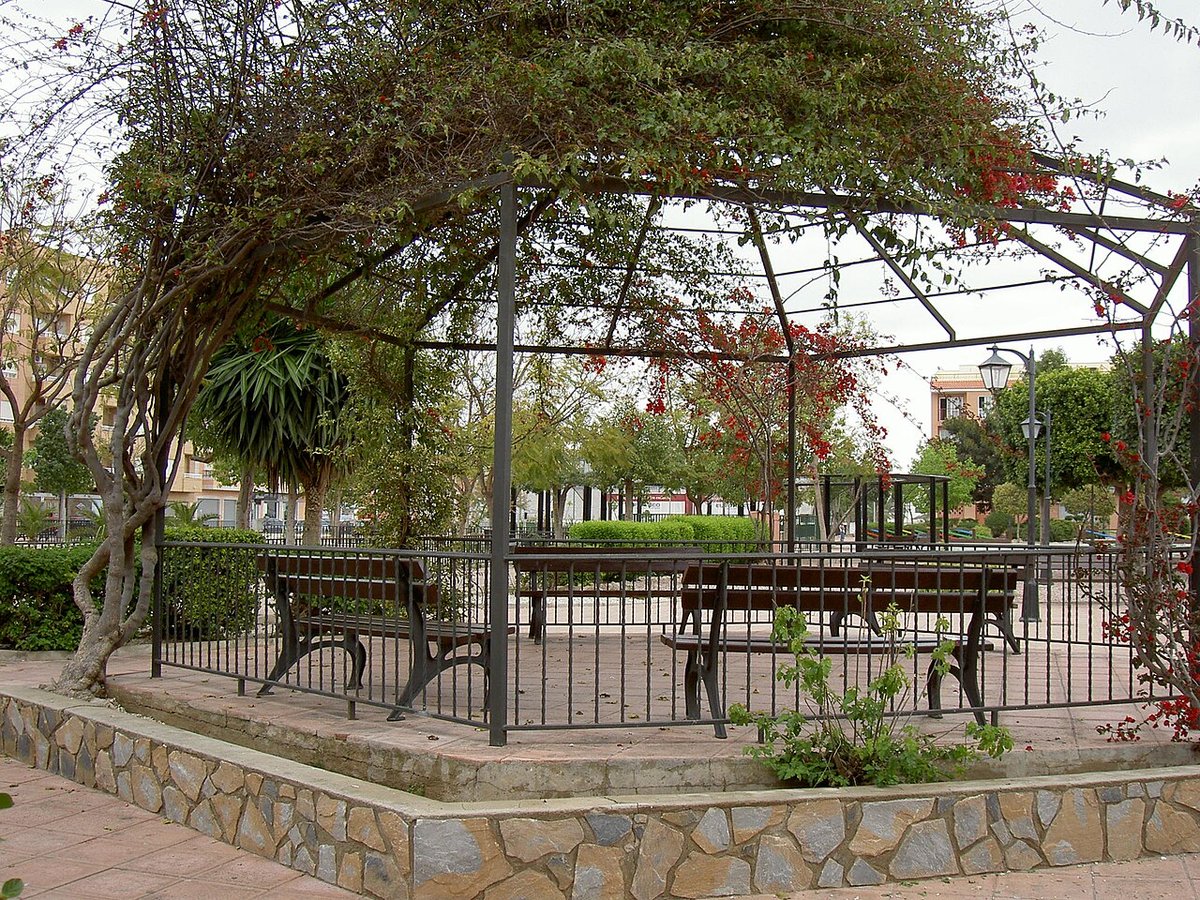
Tiny village with a palm-ringed plaza; rural feel
Hide article Read full article
Some villages run like clockwork. Others move more like a country kitchen, each task unfolding in its own time, with no one glancing at the clock. Tourism in Daya Vieja belongs firmly to the second category. If you are travelling through the Vega Baja and notice kilometres of citrus groves stretching out on both sides of the road, chances are this small village is close by, half concealed among orchards.
Daya Vieja has around seven hundred residents and follows the logic of the huerta, the traditional irrigated farmland that shapes this part of the Comunidad Valenciana. The land here is extremely low, almost at sea level. Water has dictated how things work for centuries. Irrigation channels, known as acequias, set the rhythm of daily life like recurring reminders, except these have been in place for generations.
The streets are narrow and the houses low-rise. Many have a patio or a small plot at the back. It does not feel like a village designed for visitors. It feels like a place where people are getting on with their day. Everyday life comes first, scenery second.
A Village and Its Fields
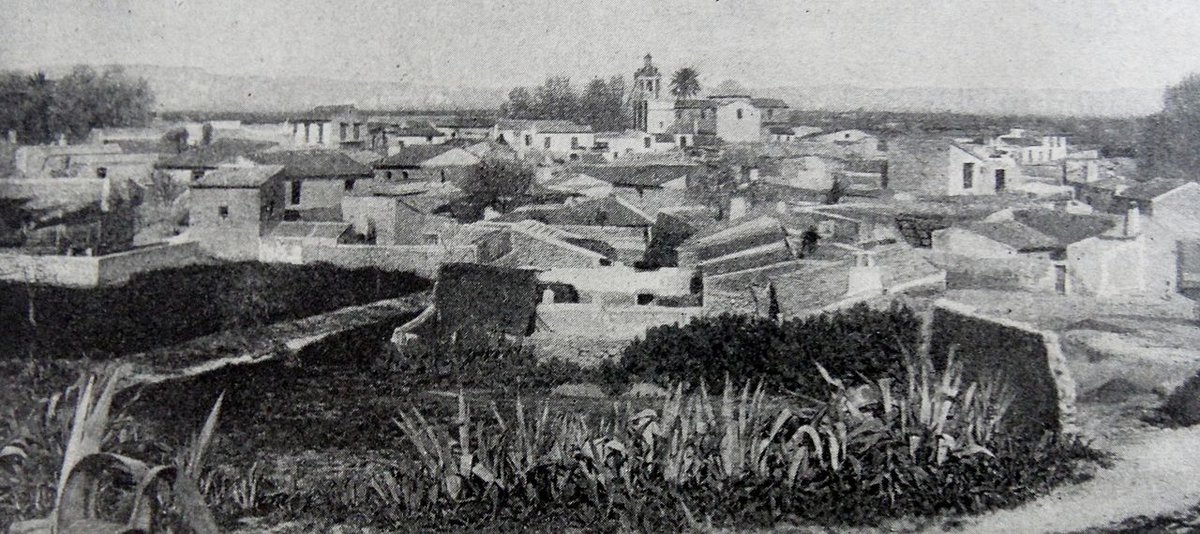
The urban centre is compact and straightforward. A couple of main streets, a few small squares where someone is usually chatting, and the Iglesia de San Pedro Apóstol marking the heart of the village. Its bell tower can be seen from a distance because everything around it is flat, like a broad table covered in orchards.
Yet Daya Vieja is explained less by its streets than by what lies beyond them. Orange and lemon trees form a neat grid across the landscape, a green checkerboard stretching out in every direction. Between the plots stand scattered houses, rural tracks and the acequias that carry water from one place to another.
It is an old system that remains in use. Water enters, is channelled through the network and then drains away via azarbes, drainage ditches designed to remove excess water from the land. Seen up close, the huerta operates like vast open-air plumbing.
Date palms rise among the citrus trees. There are no extensive palm groves here as in Elche, but small clusters that stand taller than the surrounding crops. Some appear to have been there for decades, watching the landscape change little around them.
Walking the Water’s Path
Understanding Daya Vieja means stepping out onto its rural tracks. On foot or by bicycle, without rushing. It resembles a slow Sunday morning stroll through a quiet neighbourhood: nothing dramatic happens, yet everything makes sense if you pause and observe.
The paths cross acequias, small bridges and cultivated plots. Farmers can sometimes be seen at work. The sound of water moving through channels is constant. Birds appear without ceremony, flitting between banks and fields.
For anyone interested in birdlife, there is no need for elaborate equipment. A simple pair of binoculars is enough. White herons, hoopoes and other species typical of irrigated farmland are frequently spotted near the water.
As for food, it helps to arrive with realistic expectations. Daya Vieja does not operate as a conventional gastronomic destination. It is closer in spirit to the kitchen of a large household where meals are prepared for those who belong there. During local festivities or community gatherings, dishes strongly associated with the area make an appearance: arroz con verduras, rice cooked with vegetables from the huerta; cocas, which can be savoury or sweet; and sweets made with dates from long-established orchards.
Those seeking a wider range of options will find more activity in nearby towns. A short drive changes the atmosphere completely.
When to Pay Attention
Autumn through to spring is the most comfortable period for exploring. The heat eases and the paths are easier to enjoy. In spring, when the citrus trees blossom, the air carries a scent similar to peeling a freshly opened mandarin.
Summer tells a different story. The sun is intense and shade is scarce across the flat fields. Early starts or late afternoon walks are the usual approach, when the countryside begins to stir again after the peak heat.
Daya Vieja does not attempt to impress. It is a working village shaped by irrigation and agriculture, continuing much as it has for years. Seen from the road, it may appear to be little more than a stretch of orchards. At ground level, the details emerge: the geometry of the fields, the steady flow of water, conversations unfolding in small squares. That quiet continuity is the real point of interest here, and it rewards those who are willing to slow down and look more closely.