Full Article
about Formentera del Segura
Vega Baja village on the banks of the Segura River, known for its riverside grove and recreation areas.
Hide article Read full article
Sunday Morning, Vega Baja Style
On Sunday mornings, the street market in Formentera del Segura feels like a village WhatsApp group brought into the open. News travels fast, conversations overlap, and everyone seems to know someone. There are so many foreign accents that it can feel closer to Alicante airport than a small town in the Vega Baja. Some Spanish locals mutter that things are not what they used to be. Children dart between piles of courgettes their grandmothers would never buy, because they grow their own at home.
Somewhere between the smell of torrijas, a sweet fried pastry soaked in milk and sugar, and the hesitant English of stallholders switching between languages, the story of this place starts to make sense.
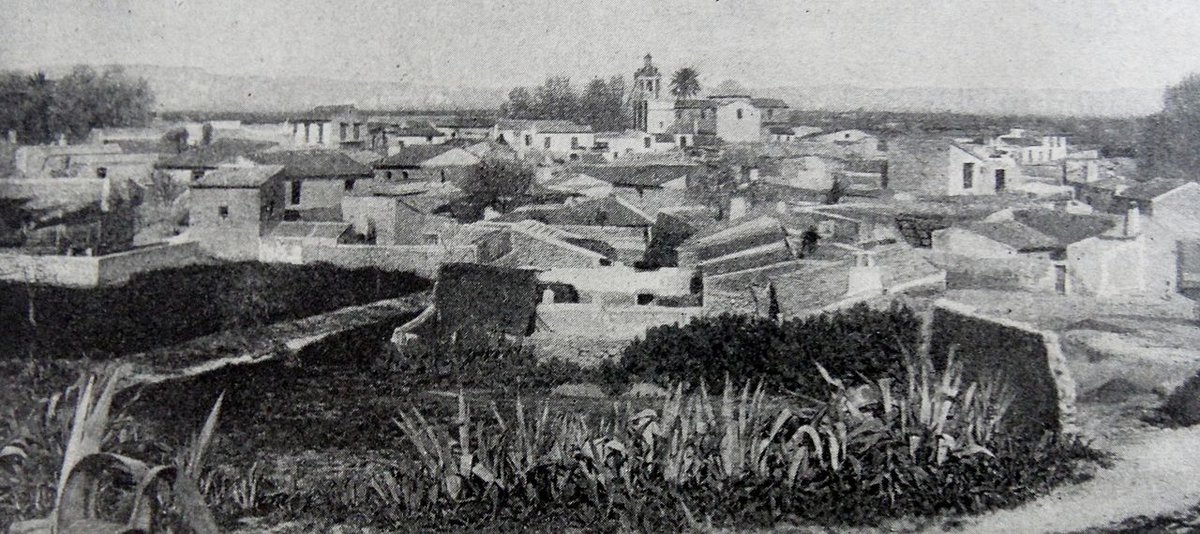
Formentera del Segura sits in the south of the Comunidad Valenciana, in a stretch of fertile land shaped by the River Segura. It is not a town that shouts for attention. It is one that reveals itself in everyday scenes like this.
The Town That Grew and Grew
Formentera del Segura is often compared to that cousin who went abroad to work a humble job and came back unexpectedly successful. Two decades ago, just over a thousand people lived here. Now the population is around five thousand. On some days the football ground looks more like a car park filled with foreign number plates.
The reason is fairly clear. British residents arrived, along with Belgians and the occasional German. Many came in search of sunshine and affordable homes. A good number stayed.
The original centre of the town is small, very small. It can be crossed on foot in ten minutes. There are three main streets, a central square and the Iglesia de la Purísima. Outside the church, it is common to see retired men leaning over a chessboard, unhurried and focused.
The current church dates from the nineteenth century. An earlier one collapsed in an earthquake. The rebuilding is evident in its appearance. It has the practical air of a place put back together with what was available at the time.
There is no grand historic quarter here, no maze of medieval lanes. The appeal lies in the contrast between long established families and newer residents who have made the town their own.
Where the Segura Changes Character
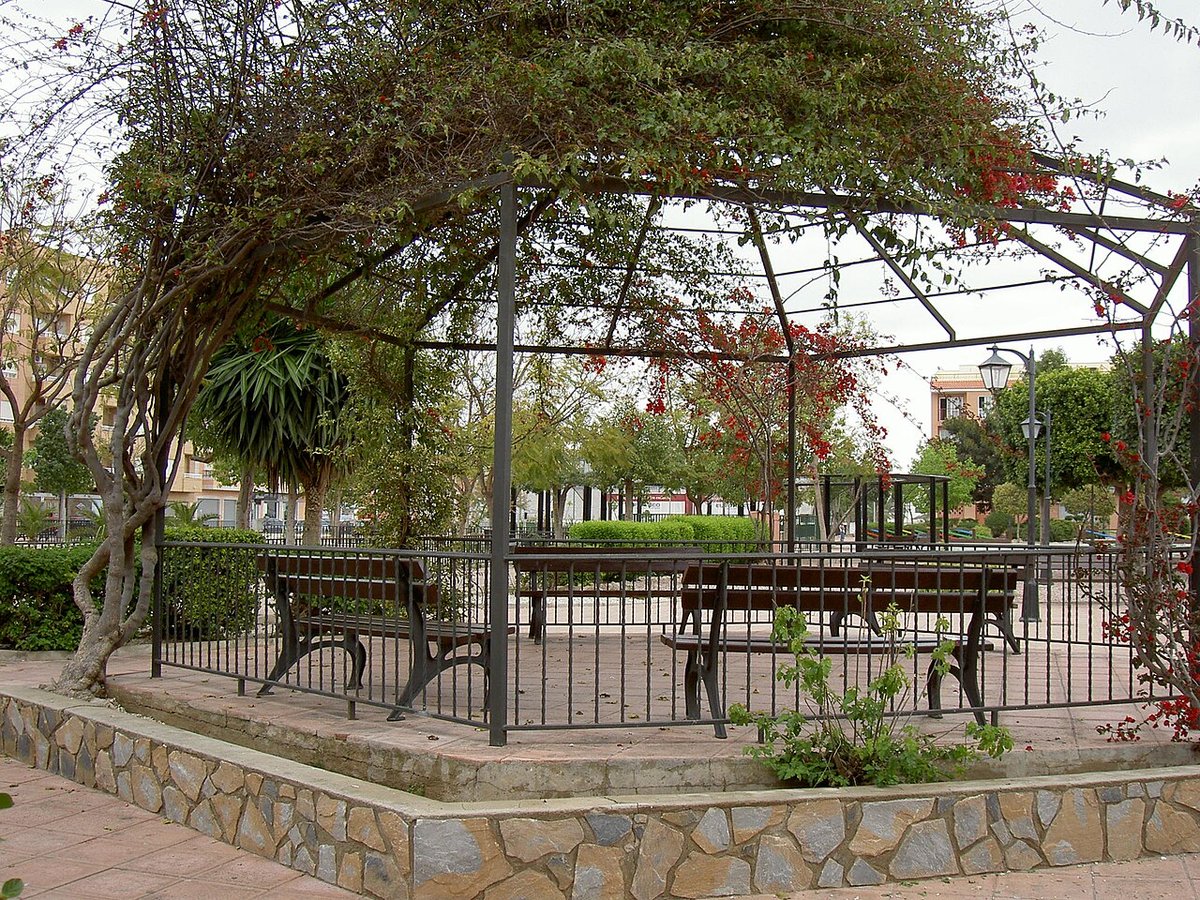
A couple of minutes from the centre, the Soto del Segura offers a different scene. The shift is immediate. The water looks clearer here than in other stretches of the river. Riverside vegetation lines the banks and there are patches of shade. Benches invite people to sit and slow down.
At weekends the mix of residents becomes especially visible. Foreign families spread out picnic blankets. Elderly locals stroll at an unhurried pace. Some remember when this area was little more than open ground.
The path along the river is straightforward, about a couple of peaceful kilometres. Even those who are not regular walkers manage it without difficulty. The sound of water accompanies most of the route.
There are usually no kiosks nearby, so it is wise to bring water. Dogs are welcome, though keeping them under control is sensible as cyclists can pass at speed.
This stretch of the Segura shows another side of a river that elsewhere has a more troubled reputation. Here, at least, it feels calm and lived in.
August: San Miguel, San Roque and Shared Tables
In August, the fiestas of San Miguel and San Roque change the rhythm of Formentera del Segura. For a few days, the town becomes a curious blend of local traditions and international community life.
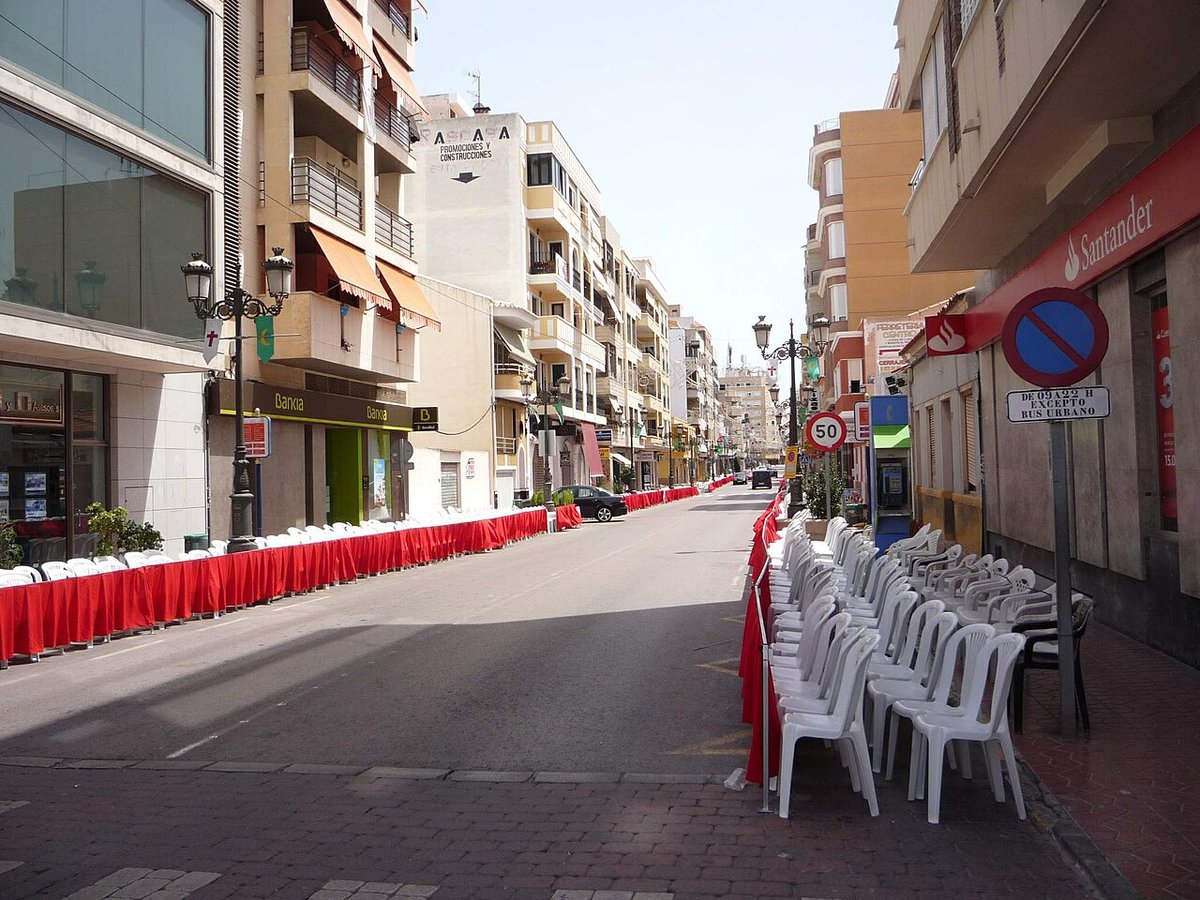
British residents set out folding chairs early to secure their spot. Long time neighbours appear with stools or small tables. The heat does not discriminate.
Firecrackers go off at unlikely hours. At some point, someone ends up in the fountain. Every year there is talk that the next celebration will be quieter. It never is.
Yet many customs remain firmly in place. On Sunday, a giant paella usually makes an appearance. Peñas, local social groups, and families prepare sweets for the procession. Faith, food and festivity overlap in familiar ways.
What stands out is something simple. People from different countries find themselves queuing at the same stall for empanadillas, chatting as they wait. For a moment, accents matter less than appetite.
The Quiet Trick of Formentera
Formentera del Segura does not impress at first glance. There is no castle, no medieval skyline, no beach within its boundaries. It does not compete visually with better known destinations nearby.
What it offers is something subtler: a town that has changed rapidly yet still holds on to ordinary daily life.
The local butcher might speak determined, slightly battered English, then ask after your mother if you are a regular. At the market, homemade quince paste can share a shopping bag with baked beans. Back gardens still hold vegetable patches in some houses.
Spring is a good time to see the town at its most fragrant. When the orange trees blossom, the scent of azahar, orange blossom, hangs in the air and softens everything. For a while, it is easy to forget that Torrevieja is only half an hour away.
Eating in one of the bars in the centre is part of understanding the place. They are easy to spot: slightly faded shutters, simple terraces, neighbours greeting each other by name. If courgette flowers appear on the menu, they are worth trying.
In August, patience helps. Earplugs might too. Sharing a table with strangers is common, and before long someone will be explaining how things are done back in their home country.
Formentera del Segura rarely features in major guidebooks. It is, however, often recommended when someone asks for a normal Spanish town. Normal here means people greet each other in the street. It means some homes still have vegetable gardens. It means that, with a bit of luck, you can park without circling twenty times.
In the end, that may be its quiet achievement. Not spectacle, but coexistence. A small town in the Vega Baja where the River Segura flows past, orange blossom scents the spring air, and Sunday mornings feel like a conversation everyone is invited to join.