Full Article
about Granja de Rocamora
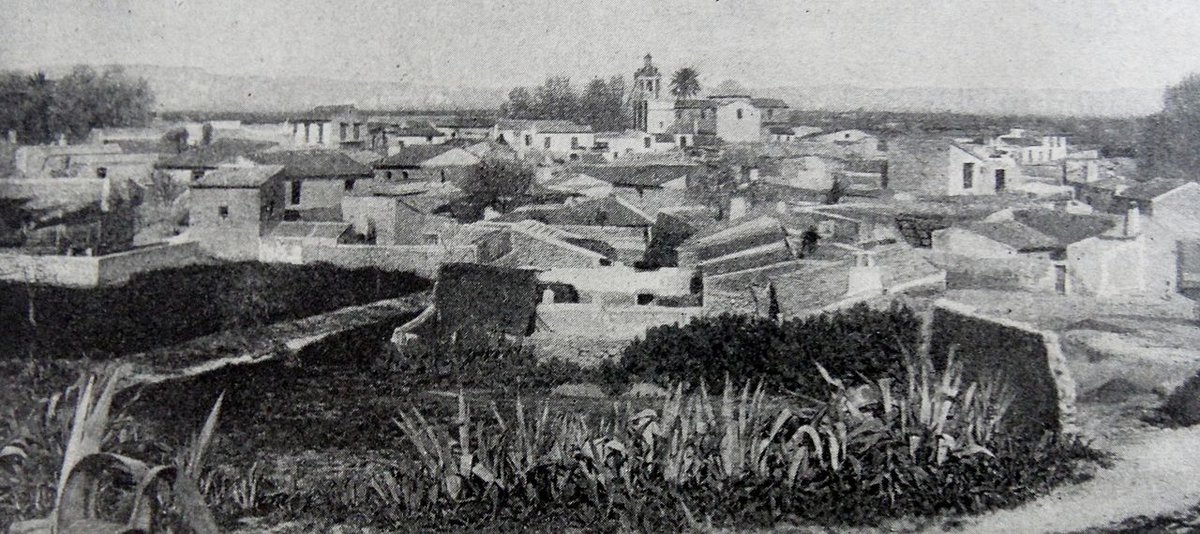
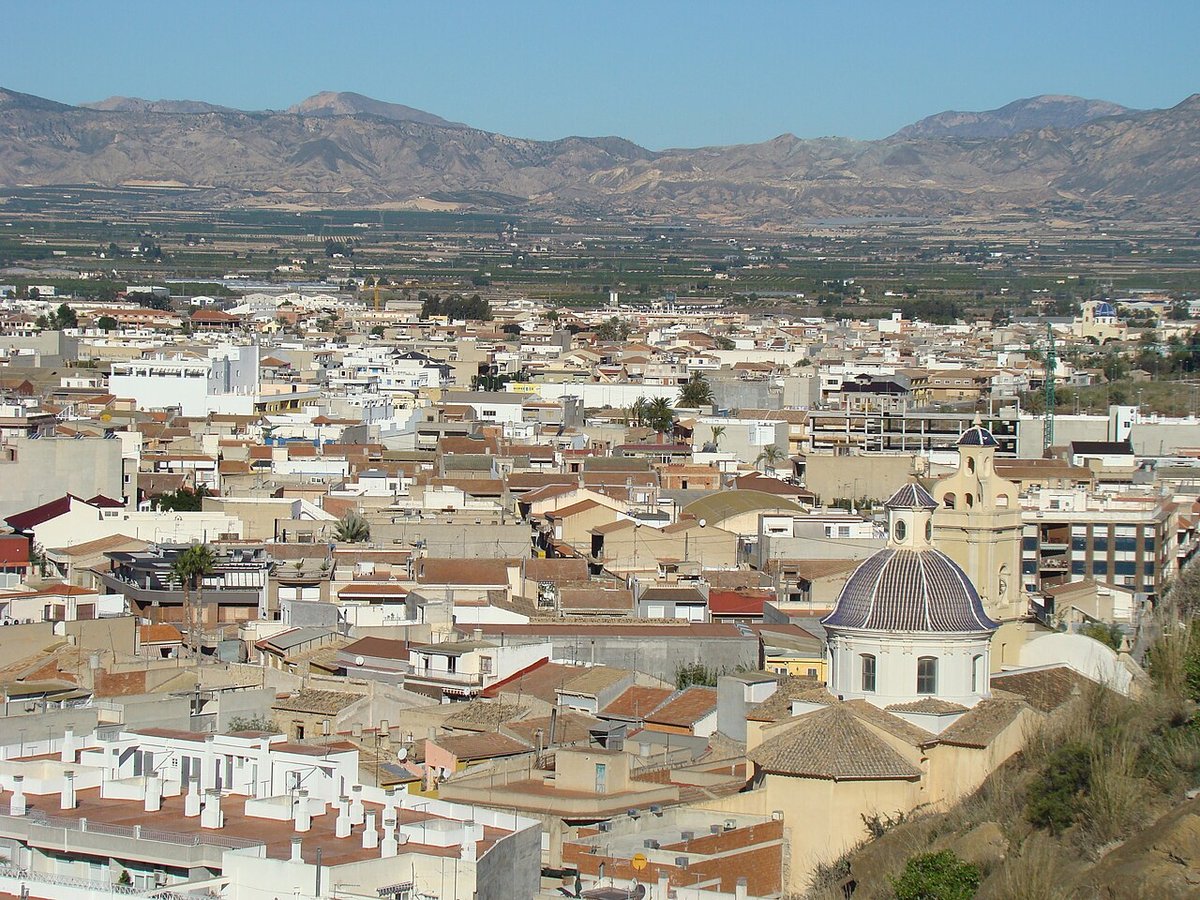
Small municipality surrounded by irrigated fields and palm trees; it still has a defensive tower.
Hide article Read full article
A Small Agricultural Town in the Vega Baja
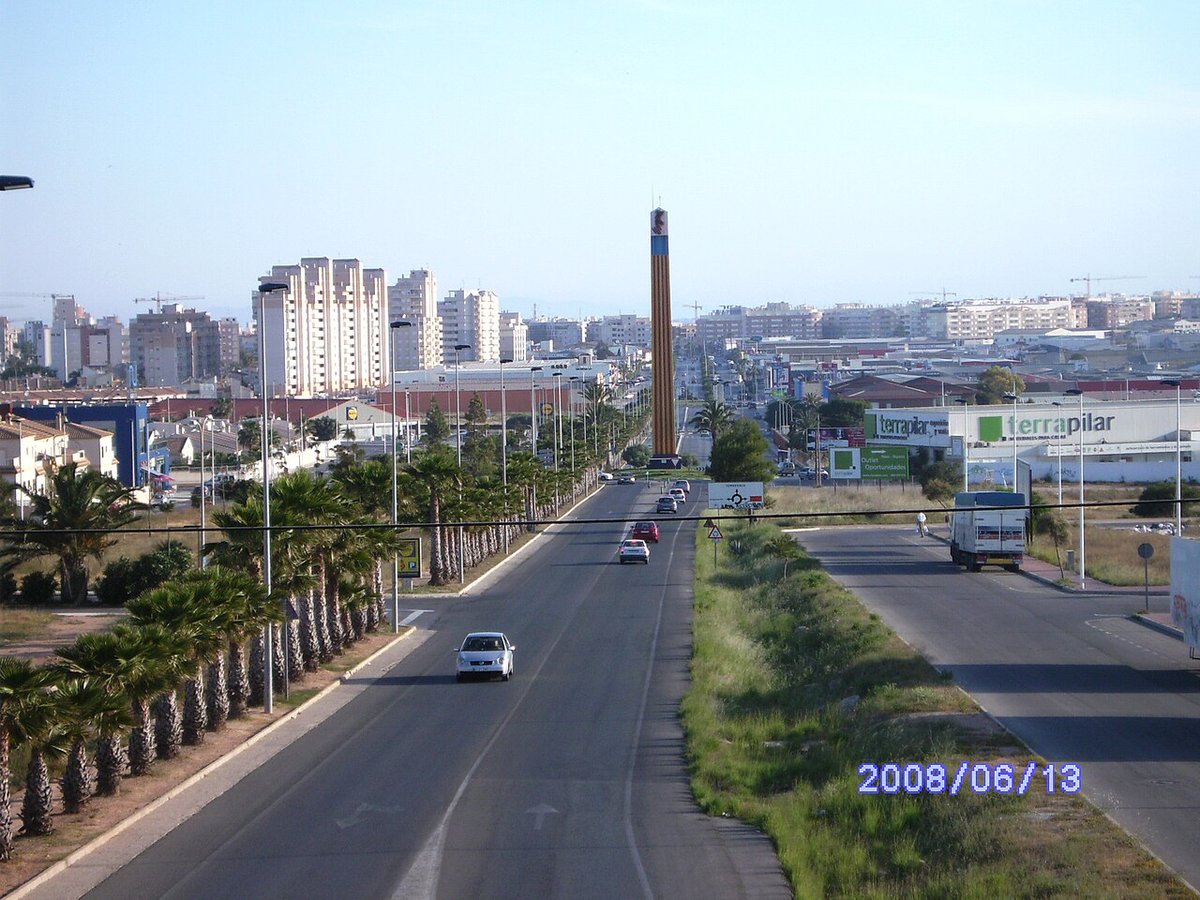
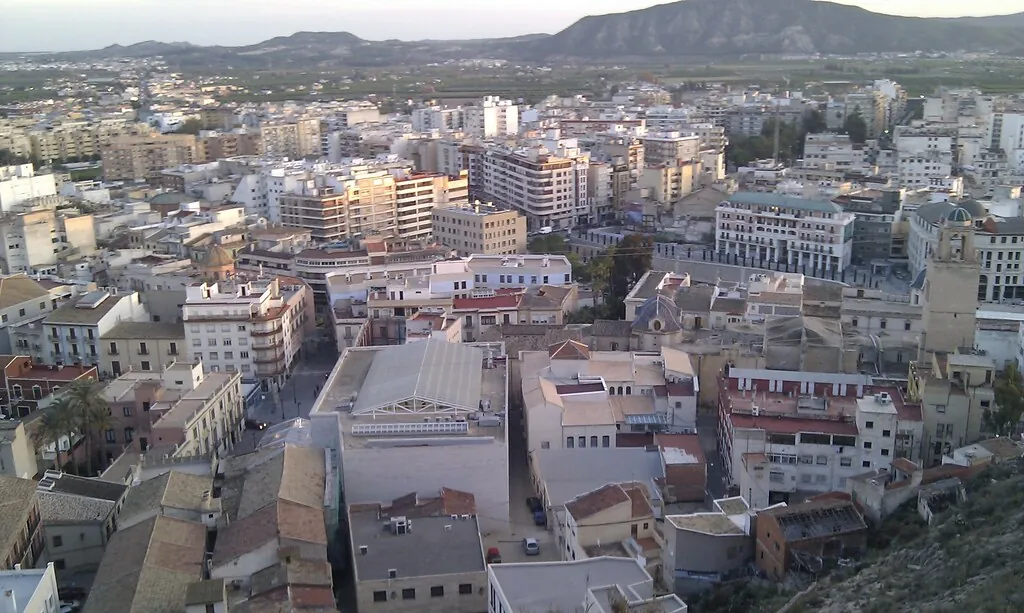
Granja de Rocamora is a small town in the Vega Baja, in the south of the Comunidad Valenciana. This is agricultural country. The orchards and market gardens shape daily life, and the town works to that rhythm.
If you arrive by car, park as soon as you see a space near the entrance. There are no parking meters or paid zones. Head too far into the centre and the layout quickly becomes clear: narrow streets and tractors passing through at any hour. It is not designed for traffic to circulate comfortably.
The centre can be covered quickly. In half an hour you will have seen the main sights. There is no marked tourist route and no panels explaining every corner. Granja de Rocamora is a working municipality, not a staged heritage attraction.
Getting There and Starting at Torre Mora
Most visitors reach the town via the local road that links the villages of the Vega Baja. Access is straightforward and traffic is usually light, except early in the day when people head out to the fields or to nearby industrial estates.
Once parked, it makes sense to explore on foot. There is little point in moving the car from place to place.
Begin with the Torre Mora. This defensive tower dates back to the medieval period and recalls the Muslim past of the area, as well as the irrigation system that still structures much of the surrounding huerta, the fertile market garden land. The network of channels, historically linked to the Segura system, continues to organise the fields today.
The tower is not always open. If the door is locked, you simply view it from the outside. There is not much more to it in practical terms, but it is the clearest historic building in the town and the most direct link to its earlier history.
Iglesia de San Pedro: A Parish, Not a Monument
The Iglesia de San Pedro occupies the site of earlier temples that no longer exist. The present building is simple and dates from the modern period. Its façade is white, with a square bell tower rising above it. Nothing especially ornate draws attention from the outside.
If the church is open, step inside briefly. What you will find is typical of a small Spanish parish church: a single nave, devotional images and wooden pews. This is still a functioning parish used for daily worship, not a museum piece arranged for visitors.
The atmosphere reflects that reality. People come and go as part of everyday routines. The building plays a practical role in local life rather than serving as a landmark to be ticked off a list.
Eating in an Agricultural Town
Around the main square and nearby streets there are usually bars serving homemade food. At weekends, the classic option is arroz cooked in a large paella pan. The typical version includes rabbit, green beans and garrofón, a large local bean common in Valencian rice dishes. Depending on the season, snails may be added.
There are no elaborate names on the menu. This is traditional arroz, prepared in the usual way. When colder weather sets in, spoon stews also appear.
The huerta dictates what arrives on the table. Citrus fruit and vegetables are widely grown in the area, and that produce shapes the cooking. The connection between field and plate is direct, without ceremony.
What You Will Not Find
Granja de Rocamora does not cater heavily to tourism. There are no souvenir shops and no tourist office. Within the urban area there are no hotels. Anyone wishing to stay overnight will need to look for rural accommodation in the surrounding countryside or in other towns of the comarca.
A visit here is brief by nature. A walk through the centre, a look at the Torre Mora, a stop at the Iglesia de San Pedro, and little more in terms of formal sights.
What surrounds the town, however, is extensive huerta. Irrigation channels run down from the Segura system, crossing farmland that remains in active use. There are agricultural tracks and paths used by locals for walking or cycling. These are not marked hiking routes designed for visitors. They are working paths, part of daily routines.
The landscape feels open and practical. Fields stretch out from the edge of the built-up area, intersected by acequias that carry water across the plain. Movement here is purposeful, linked to cultivation and harvest.
When to Visit, and When to Think Twice
In high summer, the heat in the Vega Baja is intense. At midday the town empties out and activity slows almost to a stop. Streets that already feel quiet become quieter still.
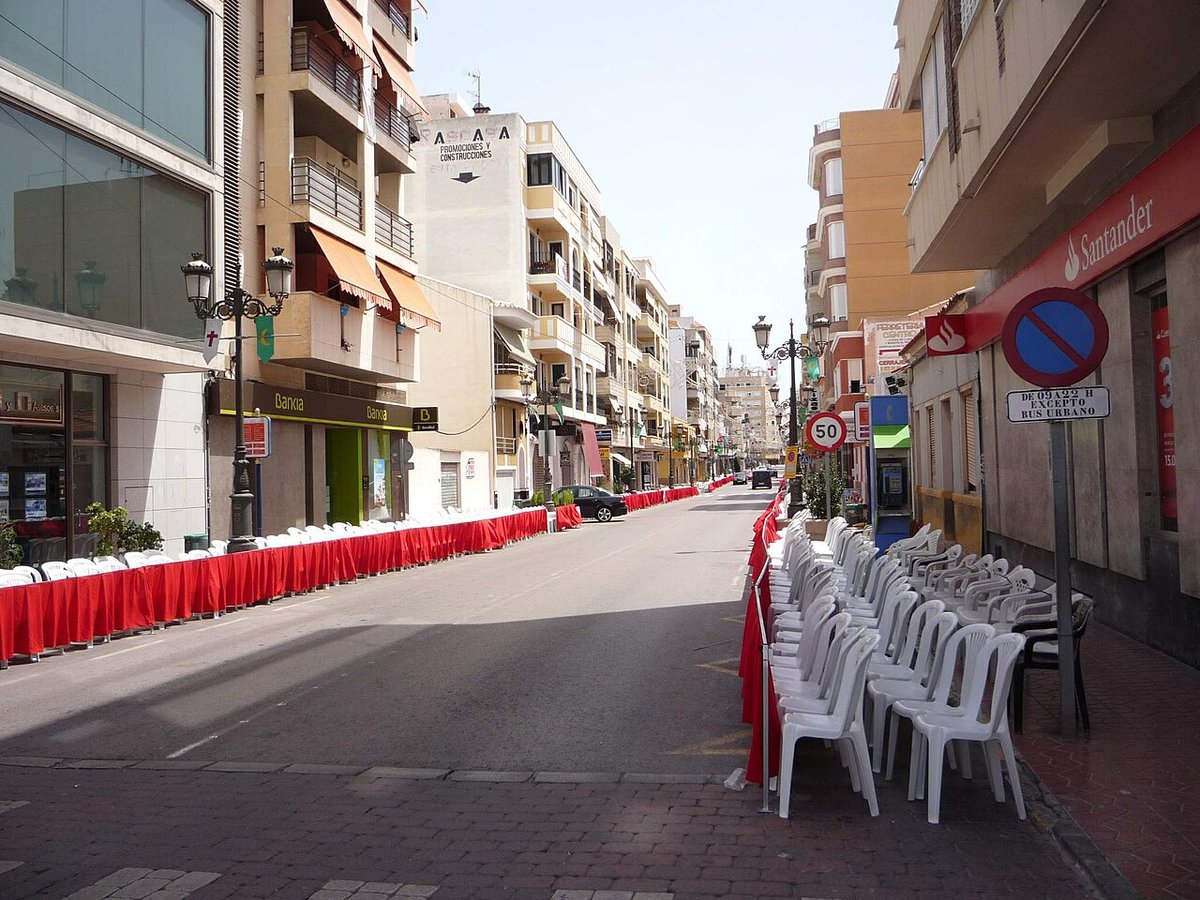
The patron saint festivities of San Pedro usually take place at the end of June. During those days some streets are closed, stages are set up and the atmosphere changes noticeably. For a short period, the routine pace of the town shifts.
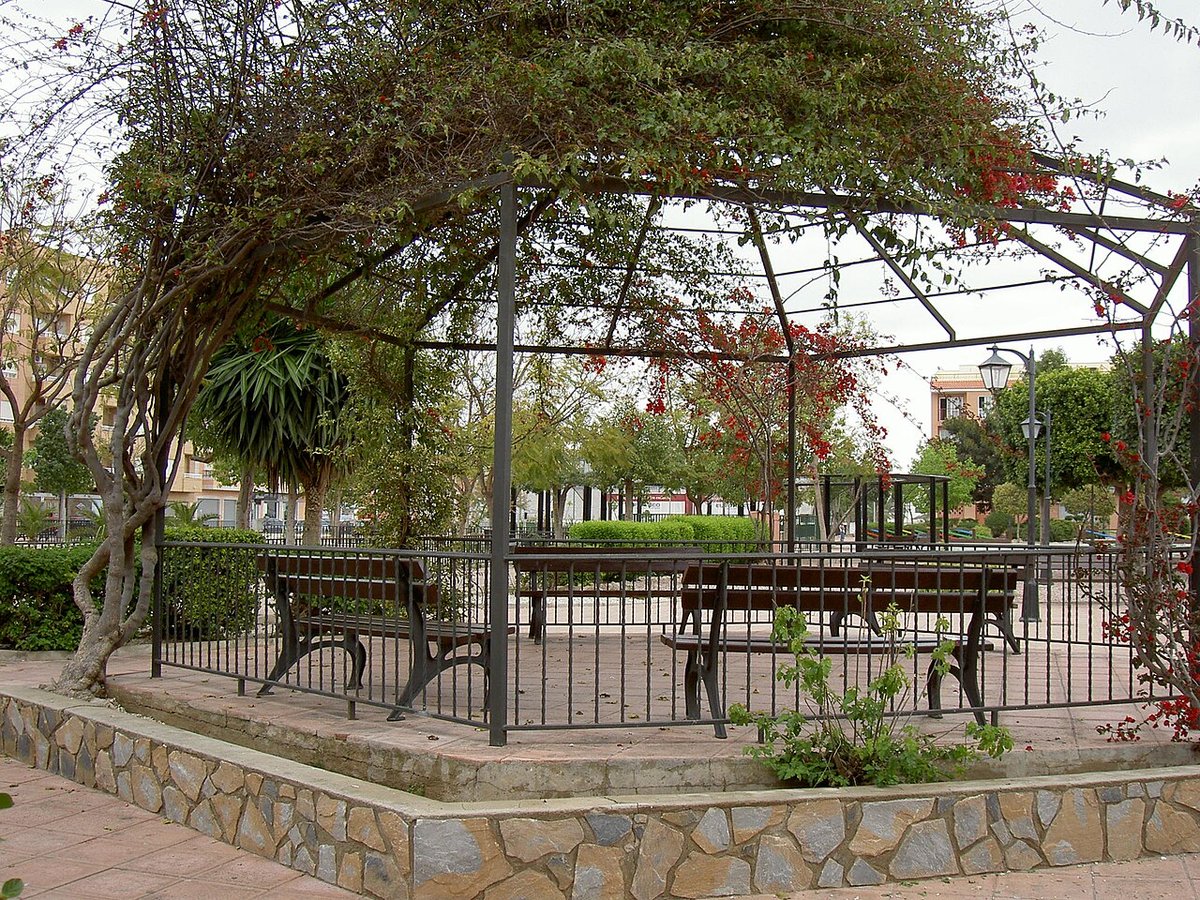
For the rest of the year life is calm. Afternoons are for strolling, neighbours chat in the square, and tractors return from the huerta as the sun goes down.
Granja de Rocamora suits a short pause rather than a dedicated trip. If you are already travelling through the Vega Baja and feel like stopping for a while, park up, walk through the centre, see the tower, have something to eat and continue on your way. It does not ask for more than that.