Full Article
about Guardamar del Segura
Coastal town known for its dunes, pine forests and the mouth of the Segura river
Hide article Read full article
At eight in the morning, a light sea mist drifts over the pine forest and reveals golden dunes that seem to shift with each gust. The air carries resin, salt, and a faint sweetness from an early bakery. Tourism in Guardamar del Segura often begins like this, with an unusual blend of woodland and beach. There are eleven kilometres of sand and a vast pine forest that looks natural today, though it was planted just over a century ago to stop the dunes advancing over orchards and houses. A wooden walkway cuts through the pines and sets the tone: soft footsteps, Aleppo pine shade, and the steady sound of the Mediterranean in the distance.
A town that changed its ground
Modern Guardamar is not quite where it used to be. The original settlement stood higher up, around the castle hill, and parts of that past remain buried under sand. Near the mouth of the Segura river, Phoenician remains have been found at La Fonteta, pointing to early commercial activity in this stretch of coast. There is also a 10th-century Islamic ribat, a small religious complex used for retreat and prayer.
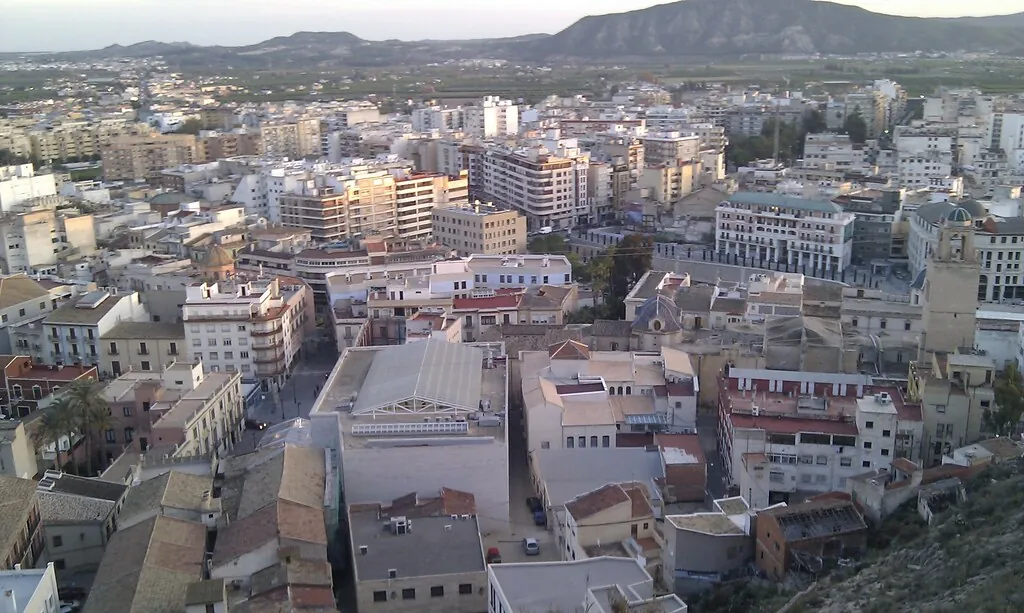
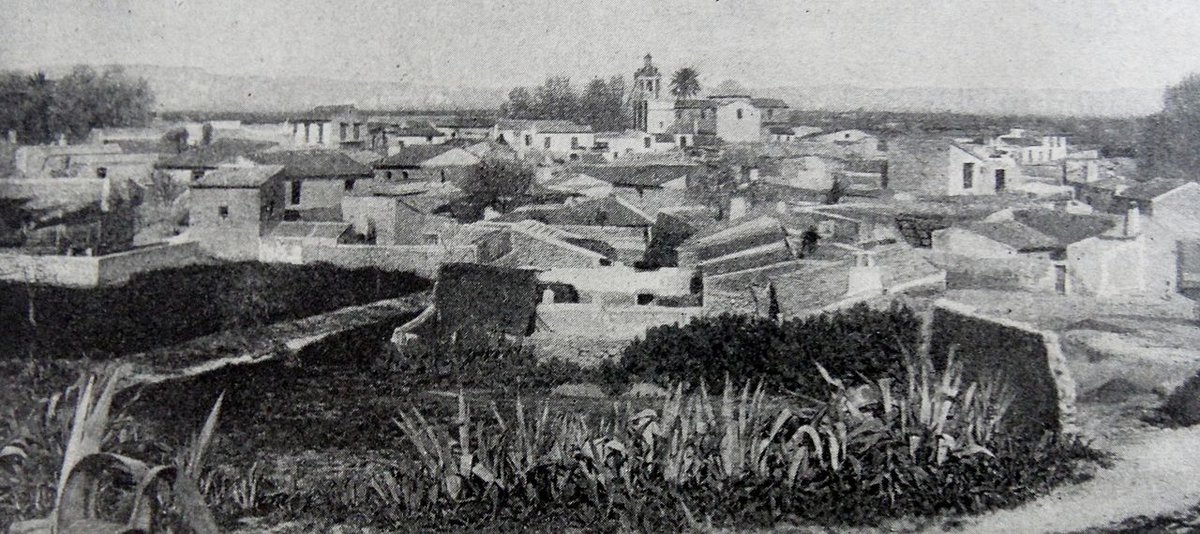
The decisive shift came after the earthquakes of 1829, which severely damaged the town beside the castle. Reconstruction moved to the flatlands, with streets laid out in straighter, wider lines than many older villages nearby. That change explains why the castle now feels slightly detached, like a lookout over the present-day town. From up there, the line of the Segura is easy to trace, and on clear days the contrast stands out between the dark green of the pines and the pale strip of dunes.
Rice with a crust
Around lunchtime on weekdays, the centre fills with the smell of sofrito. Arroz con costra is one of the dishes that appears again and again on tables across the Vega Baja, and Guardamar prepares it with evident pride. The recipe includes rabbit, cured sausage and chickpeas, finished with a layer of beaten egg that sets in the oven into a golden crust. That top layer is meant to be firm, lightly toasted, and broken through with a spoon.
Ask for the recipe and each household will defend its own version. The type of sausage can change, as can the point at which the rice is considered done or the time in the oven. In the past, it was cooked over a wood fire when homes had traditional stoves. Many now use a conventional oven, but the idea remains unchanged: the crust should hold and take on colour.
Beaches that shift in character
On a map, Guardamar’s coastline looks like a single continuous line of sand. In practice, each stretch feels different.
The central beach sits closest to the town. Summer brings a lively atmosphere, with families, radios playing and people walking down from nearby flats. It fills up early and the noise level rises with it.
Further south, the landscape opens out. On some days, easterly winds lift kites for kitesurfing above the water. To the north, towards the mouth of the Segura and the higher dunes, the tone changes. The pine forest comes almost to the sand, buildings fade from view, and the dominant sound is the wind moving through the treetops.
One practical note: in July and August, it helps to reach the beach before ten in the morning. After that, the sun becomes intense and nearby parking fills quickly.
Paths through dunes and history
Several signposted routes begin at the castle and connect key historical points across the municipality. They can be easy to miss at first glance: small panels, sandy paths, archaeological remains partly hidden among vegetation.
Those routes help piece together a long story. This coastline has served as a port, a frontier and a passage over many centuries. Between the pine forest and the dunes, Iberian necropolises have appeared, alongside Phoenician remains and Islamic structures.
Head north and the landscape opens towards the lagoons of La Mata. At sunset, flamingos and other birds are often visible moving among the tamarisk trees. Binoculars are worth bringing. From a distance, they look like pink smudges on the water, but with a closer look, many more shapes come into view.
When to come, what to expect
May and September tend to be the most comfortable months. Daylight lingers into the evening, the sea is already warm, and the town moves at a calmer pace than in peak summer.
July and August bring a sharp increase in population, and the atmosphere shifts, especially at night and near the beach areas. Anyone hoping to walk through the pine forest or explore the dunes in peace will find early mornings more suitable, or the start of autumn.
As evening falls, the sun drops behind the castle hill and the light reflects off the sand, tinting the façades across the river in pale pink. The air carries the scent of warm pine and salt. The town seems to lower its volume, and the same sounds return as in the morning: wind in the pines and the steady rhythm of the sea along the shore. Guardamar, at its core, has always moved to that quiet pattern.