Full Article
about Los Montesinos
Young municipality surrounded by orchards and close to the Torrevieja lagoons
Ocultar artículo Leer artículo completo
The first clue that Los Montesinos isn't your standard Spanish village comes at 11 a.m. on a Tuesday. The town square fills with the sound of ITV Racing drifting from a bar doorway, while inside a retired plumber from Doncaster debates tomato varieties with a local farmer. Nobody's speaking Spanish. Nobody needs to.
Seven metres above sea level and fifteen minutes' drive from the nearest beach, Los Montesinos sits in that odd hinterland between coast and campo. It's flat enough to cycle without breaking a sweat, yet close enough to the salt lagoons of Torrevieja that the air feels oddly therapeutic. British chests clear within 48 hours. Local doctors swear by it, though they admit the effect might be psychological.
Irrigation channels and Sunday roasts
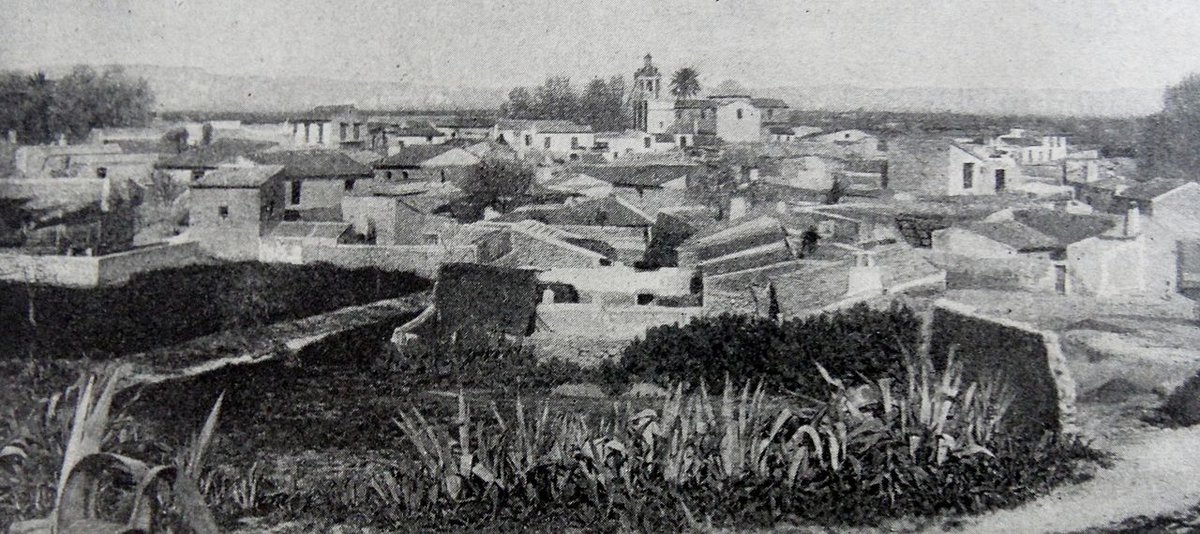
The village layout tells its own story. Straight streets radiate from Plaza de España like spokes on a bicycle wheel, a design chosen not for Instagram aesthetics but because irrigation channels demanded order. Water still flows through the same acequias built when this was nothing but citrus groves and vegetable plots. Walk the agricultural paths at dawn and you'll see farmers checking sluice gates exactly as their great-grandfathers did, though now they might pause to exchange pleasantries in English with a passing dog-walker from Solihull.
The church of San José dominates the square, its 20th-century brickwork practical rather than pretty. Inside, the statue of Saint Joseph carries fresh flowers every March during fiestas that feel more village fête than Spanish feria. No burning monuments here—just brass bands, paella cooked in pans the size of satellite dishes, and elderly British residents attempting to dance sevillanas with varying degrees of success.
Market day economics
Friday transforms the village. Vendors arrive at 7 a.m. to lay out stalls along Calle San Miguel, and by 9 the square resembles a United Nations of shopping. Spanish grandmothers haggle over €1 bowls of oranges while British retirees stock up on €2 handbags "just because." The market operates on cash-only principles—cards mark you instantly as a tourist, and prices mysteriously rise accordingly.
Local produce costs roughly half British supermarket prices. A kilo of avocados sets you back €2, assuming you time your visit right. The trick is circling the stalls twice: first to gauge prices, second to buy just before packing-up time when vendors drop rates rather than haul stock home. Winter visitors particularly prize the market for vegetables that actually taste of something, grown in soil visible from the village edge rather than flown in from Morocco.
Flat roads and full pints
Cycling here requires zero fitness. The Vega Baja spreads like a green chessboard, each square a different crop, separated by concrete tracks wide enough for a tractor and perfect for bikes. Routes range from 5-kilometre loops past lemon groves to 30-kilometre hauls to the dunes at Guardamar. Bring water—shade exists only where farmers have planted it, and summer temperatures hit 38°C by midday.
The British influence shows in pub quantity rather than quality. Four establishments ring the square, each promising "proper" beer and Sky Sports. Bar La Entrada earns points for authenticity—Spanish staff, wood-fired grill, locals drinking coffee at the bar. Their chuletón feeds two hungry cyclists for €24, served with chips that actually taste of potato. The Black Horse goes full Brit: Yorkshire puddings on Sundays, curry nights Thursdays, quiz Mondays. Useful when homesickness strikes, though the Spanish regulars look baffled by mushy peas.
Winter sun, summer scorch
November through March delivers the sweet spot. Temperatures hover around 20°C, empty roads stretch to the horizon, and rental prices drop by half. British winter residents—nicknamed "swallows" locally—fill the bars, creating that odd expat bubble where everyone knows your business within a week. Conversations revolve around property prices (still €1,200 per square metre, half the coastal rate) and whether this year's tomatoes are better than last.
July and August flip the script. The village empties as locals flee to the coast, leaving only the bravest Brits and a lot of very hot concrete. Swimming pools warm to bath-water temperatures, and the square becomes unusable between 1 p.m. and 7 p.m. Even the Spanish bars close for siesta. Come then only if you enjoy solitude and have excellent air-conditioning.
Salt lakes and Sunday papers
The real advantage lies in positioning. Ten minutes south and you're on Guardamar's beaches—proper Spanish sand, not the imported stuff further north. Fifteen minutes west brings you to La Finca golf course, where weekday tee-times cost €45 instead of €90 on the coast. Torrevieja's restaurants and Saturday food market lie twenty minutes away, close enough for fresh seafood lunch, far enough to avoid the stag-party crowd.
Drive ten minutes north instead and you hit the pink lakes. Yes, actually pink—something to do with algae and salt concentration that scientists explain patiently while visitors take selfies. The colour intensifies at sunset, though by then the mosquitoes have clocked on for evening shift. Bring repellent, and don't wear white shoes. The salt stains never come out.
Property dreams and reality checks
Every British visitor eventually views a villa "just for fun." Estate agents know this, maintaining offices next to British bars for maximum footfall. They'll show you three-bed properties with pools for €180,000, then mention casually that three couples from your flight already put down deposits. The hard sell works: roughly one in ten visitors ends up signing something, usually after several gin and tonics and a nostalgic conversation about British rain.
But Los Montesinos isn't quaint. The outskirts sprawl with modern developments, some half-empty, others rented to holidaymakers who expected something more traditionally Spanish. Manage expectations: this is a working agricultural town that happens to speak English, not a film set. Come for the winter sun, the cheap vegetables, the easy cycling. Stay because you've joined the morning coffee club discussing yesterday's episode of Coronation Street, broadcast via satellite and discussed passionately by people who've never visited Manchester.
Leave before you start correcting Spanish waiters on Yorkshire pudding recipes. That way madness lies.