Full Article
about Orihuela
Historic, monumental city; birthplace of Miguel Hernández, rich religious heritage and beaches
Hide article Read full article
First Things First: Park and Walk
Tourism in Orihuela begins the same way every time: with the car. There are more monuments than parking spaces. It is easier to accept that from the outset. Circle a few streets, take whatever spot appears, then continue on foot. The historic centre is pedestrianised and the old quarter is a web of narrow streets. Driving into it rarely pays off.
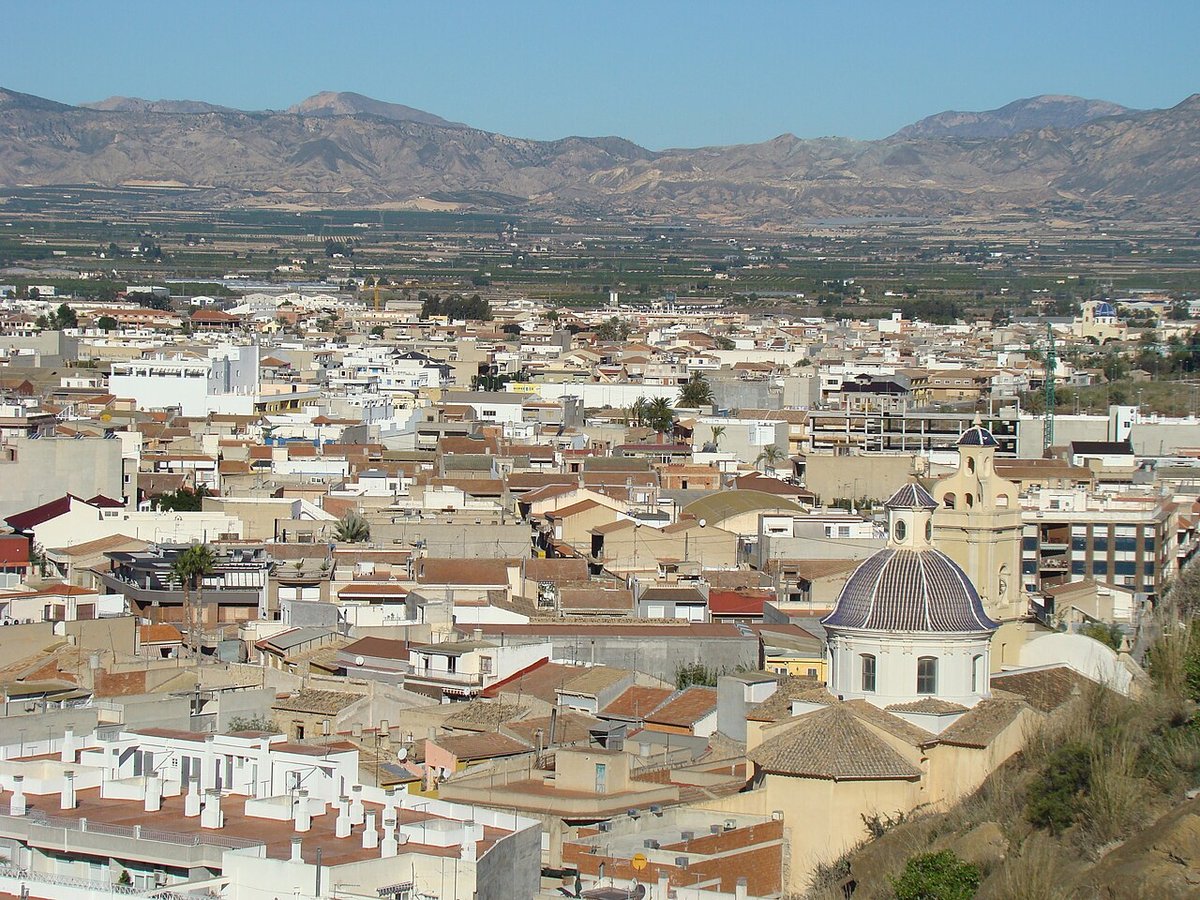
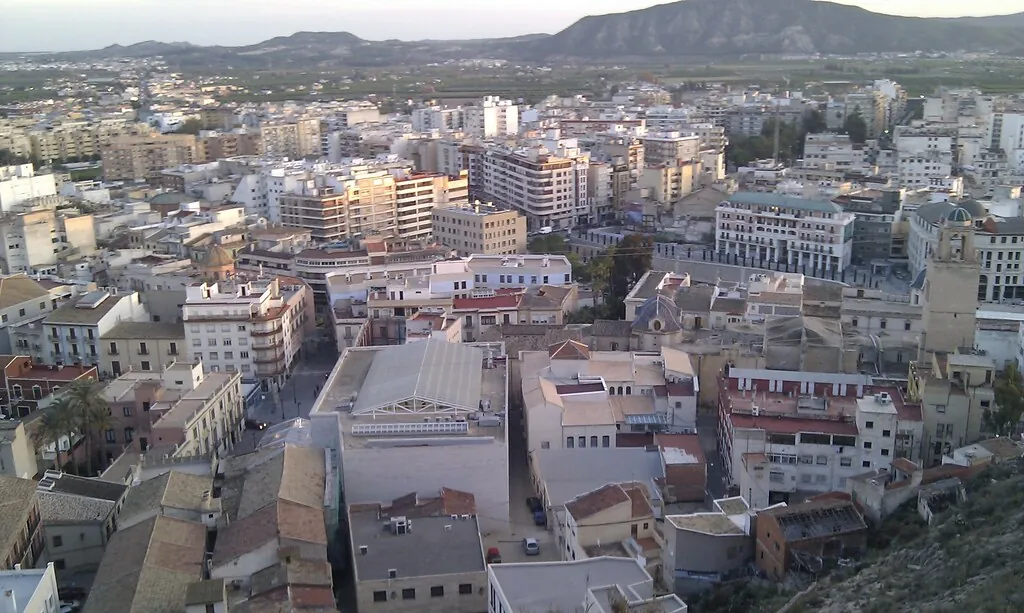
The layout of the city becomes clear quite quickly. Much of the historic centre climbs a hillside, so expect a steady incline rather than a flat wander. Nothing extreme, but enough to notice.
The Hillside and Its Landmarks
La Catedral del Salvador sits above the rest. The short climb up helps explain Orihuela’s structure: the older parts are arranged along the slope. The cathedral itself is small, often described as one of the smallest in Spain. From the outside it does not overwhelm. Step inside and the retablo dominates the space, a blaze of gold that fills the entire background of the altar. It draws the eye immediately.
Heading back down brings you to the Colegio de Santo Domingo. The complex is vast, a former convent that now functions as a university campus. It is not a sealed museum. Access depends on the day. If a door is open and students are moving about, it is sometimes possible to enter the cloister and look around. If not, the scale of the building is clear enough from the outside before continuing through the centre.
In the barrio de San Isidro stands the house of Miguel Hernández, the poet closely associated with Orihuela. The house reflects its origins: a modest family dwelling tied to rural life. Two rooms, a small patio and little else. Panels explain his background and the family’s connection to the countryside. There are no elaborate displays or digital installations. The simplicity is part of the visit.
Beyond the Guidebook Highlights
The Palmeral de Orihuela exists, though expectations need adjusting. It has little to do with the larger and more famous palm grove of Elche. Here the palms are scattered among small plots and market gardens. A signposted route runs through the area of San Antón, where traces remain of how older crops were organised on damp ground. With time to spare, it makes for a gentle walk. With a tight schedule, it is not essential.
Above the city, the Castillo has been in ruins for centuries. Only fragments remain on the hill that dominates Orihuela. The view stretches over the orange groves of the Vega Baja and towards newer neighbourhoods. The climb is dry and exposed for much of the year, with little shade. In hot weather it can feel longer than it looks.
One of the city’s more unusual buildings is the Teatro Circo. Built at the beginning of the 20th century, it combines a traditional theatre with a central ring designed for circus performances, a format that was fairly common in France at the time. It was restored some years ago and continues to host cultural events. The hybrid design gives it a distinct character within the city’s architectural mix.
What Ends Up on the Plate
Food in Orihuela follows the traditions of the wider comarca. Arroz con costra appears frequently on menus. It is baked rice topped with beaten egg that sets into a firm crust in the oven. Substantial and direct, it does exactly what it promises.
The olla de cardet is more typical in winter. This is a stew made with rock fish and wild greens, a spoon dish that fills you quickly. It suits cooler days rather than summer heat.
Sweets tend to leave a stronger impression. The bollo de pan is a soft, airy dough sprinkled with sugar on top. It is most visible around Semana Santa, though some bakeries prepare it throughout the year. Almojábanas, inherited from the Arab culinary tradition, are soaked in honey. Buy a few and they rarely last long enough to leave the city.
When the City Fills Up
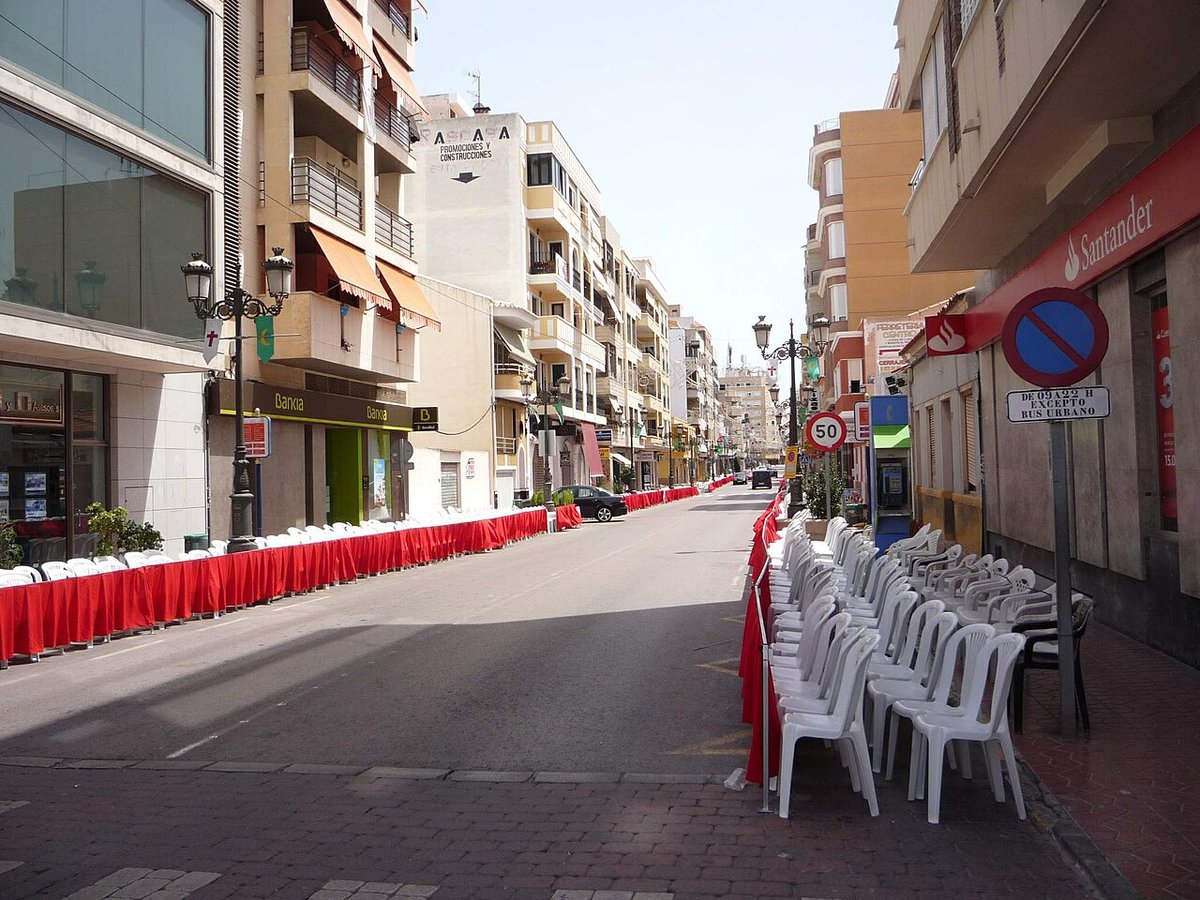
Semana Santa in Orihuela draws large crowds and is taken seriously here. Processions run over several days and the centre becomes busy. One of the best-known figures is La Diablesa, a sculpture with the unusual distinction of not entering the cathedral during the procession. That detail is widely noted in the city.
Summer brings the fiestas de Moros y Cristianos, with their historical pageantry, and celebrations dedicated to the Virgen de Monserrate, the local patron saint. During those weeks the historic quarter is noticeably more crowded than usual.
Those looking for a quieter atmosphere are better off choosing ordinary days, when Orihuela moves at a slower pace and the streets are less congested.
A Day Is Enough
Orihuela can be seen in a day without rushing. Park outside the old quarter and walk in. Spend the morning in the historic centre, moving between the cathedral, Santo Domingo and the surrounding streets. After lunch, head for the Vía Verde. This former railway line has been converted into a flat path for walking or cycling, running through market gardens and orange groves. It offers a different perspective from the dense fabric of the old town.
If the sea appeals, the coast is relatively close by car. The atmosphere there is different, shaped by housing developments and beach life. The city of Orihuela follows another rhythm. The draw here is history rather than a swim.
Accept the practicalities, take the hills at an easy pace and let the scale of the place set the tempo. Orihuela does not require complicated planning. It asks for a pair of comfortable shoes and a willingness to wander uphill.