Full Article
about Rafal
Municipality in the Segura huerta; known for its square and farming traditions
Hide article Read full article
A deliberate turn off the road
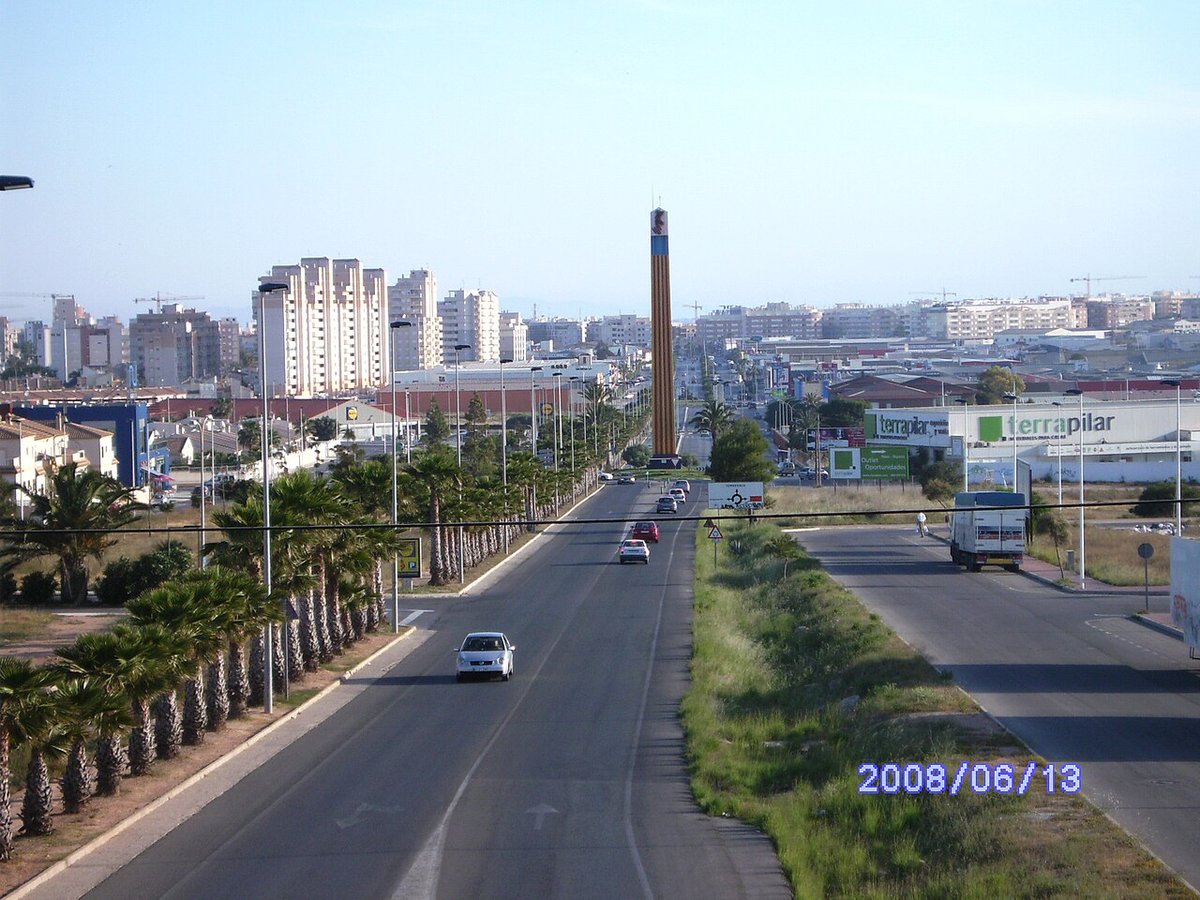
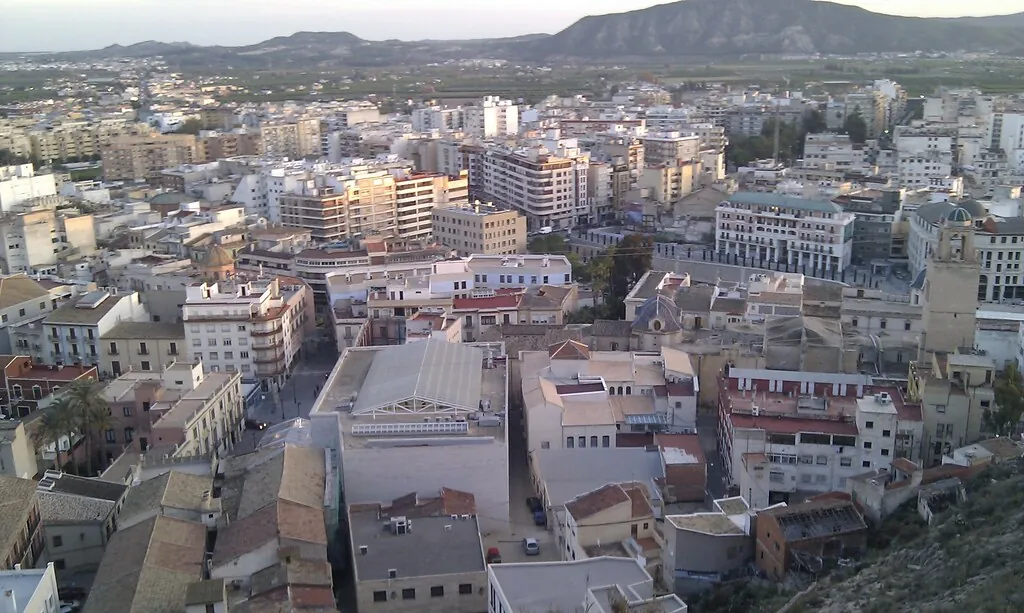
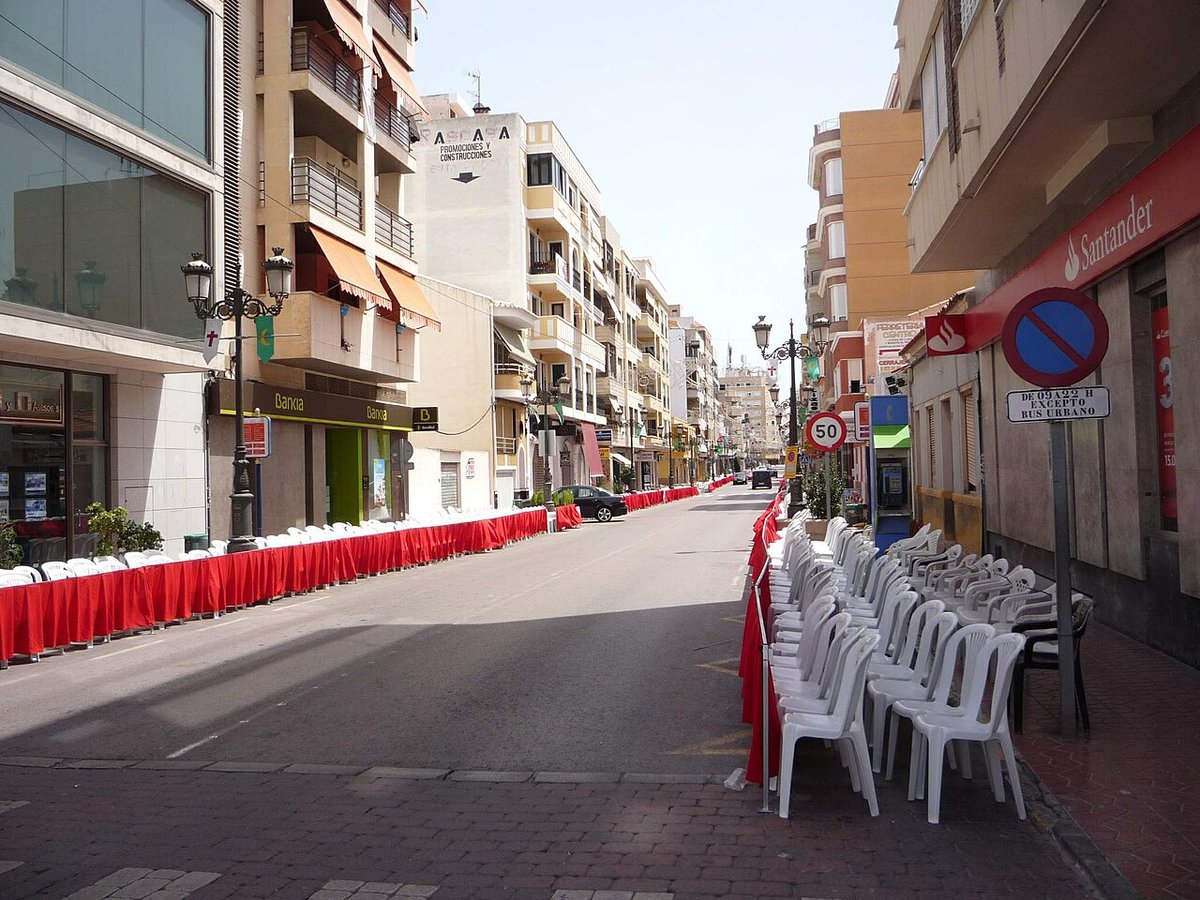
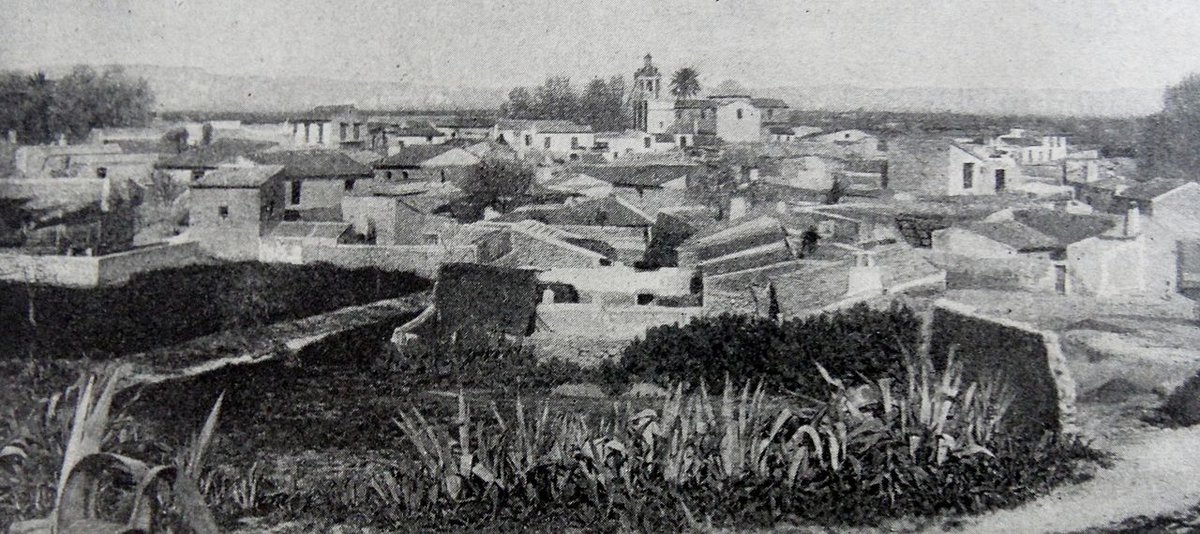
You do not pass through Rafal; you choose to enter it. The CV‑91, the road connecting Orihuela to the coast, runs along its edge. To find its centre, you must turn off deliberately. The first impression is one of compactness. Narrow streets are lined with terraced houses, the urban fabric building upward, constrained by the municipality’s scant 1.62 square kilometres.
The marquis who bought a town
Rafal’s status is tied to a transaction. In 1636, Philip IV granted Jerónimo Rocamora the title of Marqués de Rafal and elevated the settlement from a rural estate of Orihuela to an independent town. The title was a reward: Rocamora had financed and shipped soldiers from Alicante to serve in the Spanish tercios abroad. He was an Orihuelan jurist who, through marriage, had come to control the Rafal lands. His new title formalised a shift from landowner to jurisdictional lord.
The parish church of Nuestra Señora del Rosario stems from this era. It began as a chapel promoted by the first marquis and was expanded over generations into the town’s most prominent building. Its architecture is sober—a single nave, a wooden roof—with later Baroque touches. Its importance is less aesthetic and more symbolic: it marks Rafal’s transition to a place with its own religious life, separate from Orihuela.
From Islamic farmstead to Christian settlement
The name Rafal comes from the Arabic ráh(al), meaning a farmstead or agricultural holding. It was never a large settlement but a working property, its existence tied to irrigation from the Segura river. After the Christian conquest, the agricultural structure remained. For centuries, the population lived dispersed in simple dwellings of adobe, cane and wood.
The area’s linguistic history shows its layers. There are references suggesting that Catalan, or related varieties, was spoken here for a long period, a remnant of the repopulation patterns in the former Kingdom of Valencia.
The palace that is elsewhere
It often surprises visitors: the Palace of the Marqués de Rafal is not in Rafal. It stands in Orihuela, in the Plaza de Santa Lucía, built in the early 20th century with monumental façades displaying the family’s heraldry. The marquises lived in the city, where power and commerce were concentrated. Rafal functioned as their agricultural base, a source of income rather than a residence.
This absence defines the town’s architecture. You will not find grand aristocratic buildings. Instead, you see the traditional housing of the irrigated countryside: low buildings with plain façades, interior courtyards, and tiled roofs. It is a landscape built by and for those who worked the land.
Between streets and orchards
The town centre is small, organised around the church square where the town hall faces the parish church—a civic and religious axis that has defined local life for centuries.
Beyond the last houses, the landscape opens into citrus groves. In spring, the scent of orange blossom carries into the streets. The agricultural tracks run straight and practical between irrigated plots, a geometry dictated by water efficiency. It is a horizontal landscape, utilitarian and shaped by the need to use every metre.
To the south, the Segura river marks the boundary with Orihuela. Much of its course is channelled, though some stretches retain softer curves and riverside vegetation. Herons are still a common sight here, where the land meets the water.
Getting there
Rafal is about 50 kilometres south of Alicante. The most straightforward route is via the A‑7 motorway, exiting onto the CV‑91 which runs through the Vega Baja. Parking is usually possible on the streets around the church square.