Full Article
about Redován
Town at the foot of the sierra; known for its mountain trails and historic hemp farming.
Hide article Read full article
A Warm Welcome in the Vega Baja
Spend ten minutes parked in Redován and chances are someone will greet you. It is that kind of place. People say hello as a matter of course.
One passer-by might be carrying a basket of freshly picked oranges and proudly explain that they are “just right, neither too green nor overripe”. Another may ask if you are following the Camino del Cid. Someone else could casually suggest waiting at the traffic lights with a coffee, as if you had lived there for years. The tone is not performative or geared towards visitors. It is simply how things are done.
That is a fitting introduction to tourism in Redován, a municipality in the Vega Baja area of Alicante province that many travellers pass on their way to Orihuela or the coast.
More Than an Agricultural Town
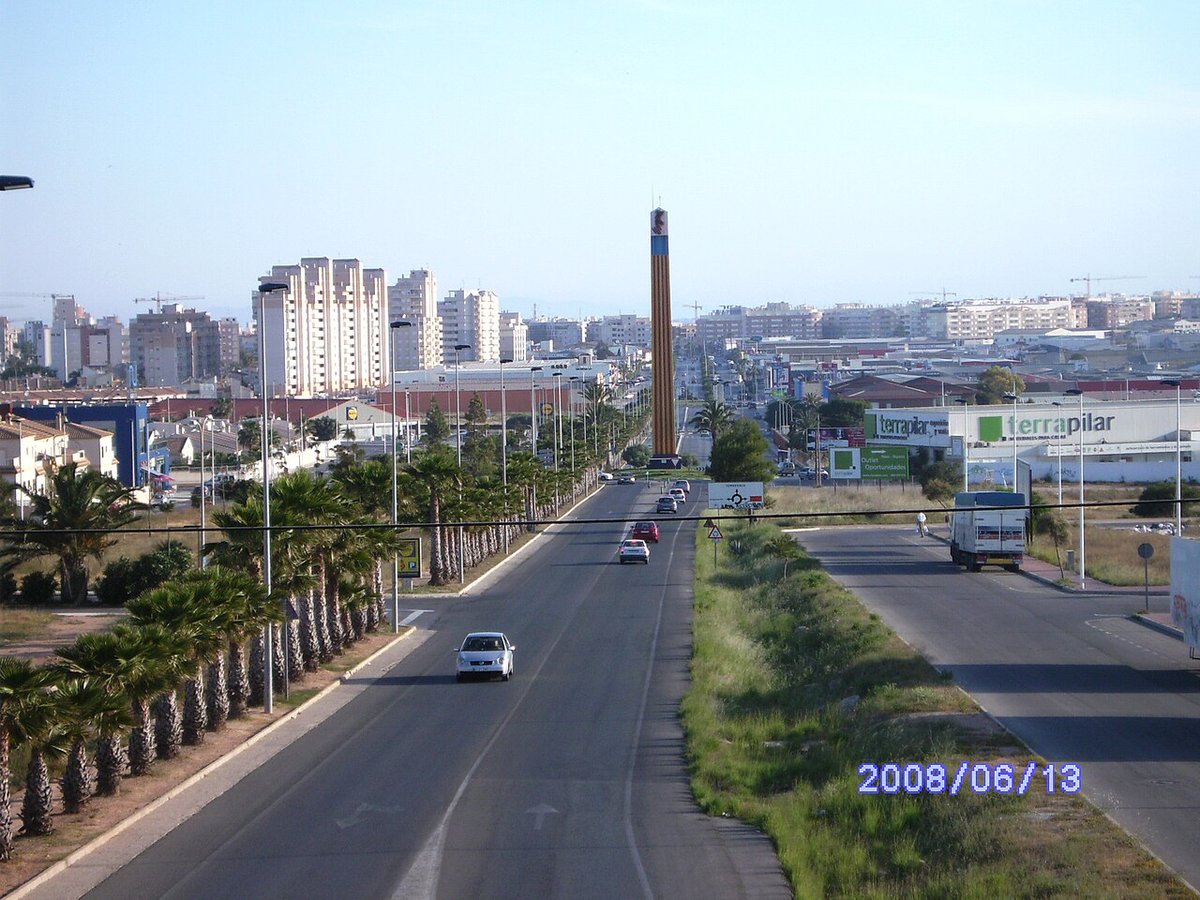
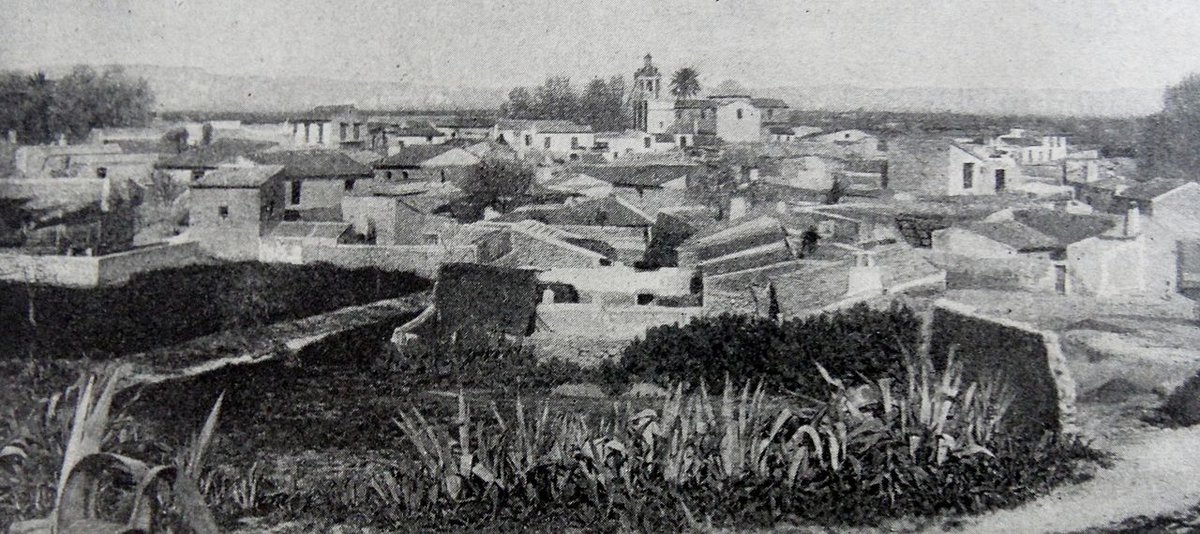
At first glance, Redován looks like what it is: an agricultural town in the Vega Baja, surrounded by market gardens and citrus groves. The landscape is flat and productive, shaped by farming. Yet scratch the surface and unexpected stories appear.
An Iberian archaeological site was discovered here, and from it came a piece known as the “grial de Redován”. Today it is kept in the Museo Arqueológico Nacional in Madrid. It is the sort of find more readily associated with distant ruins than with a town among orange trees, which makes the connection all the more surprising.
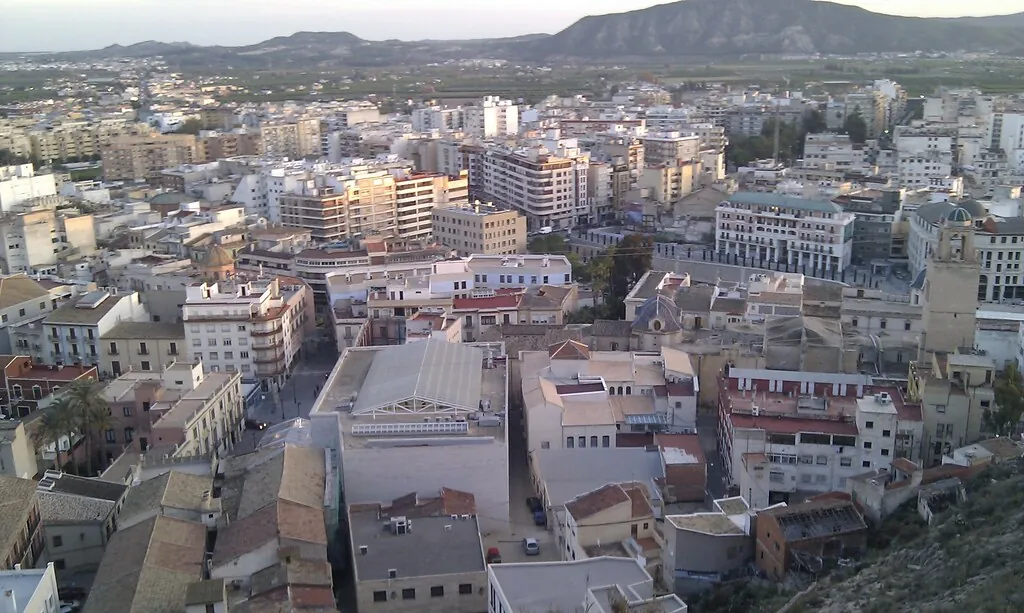
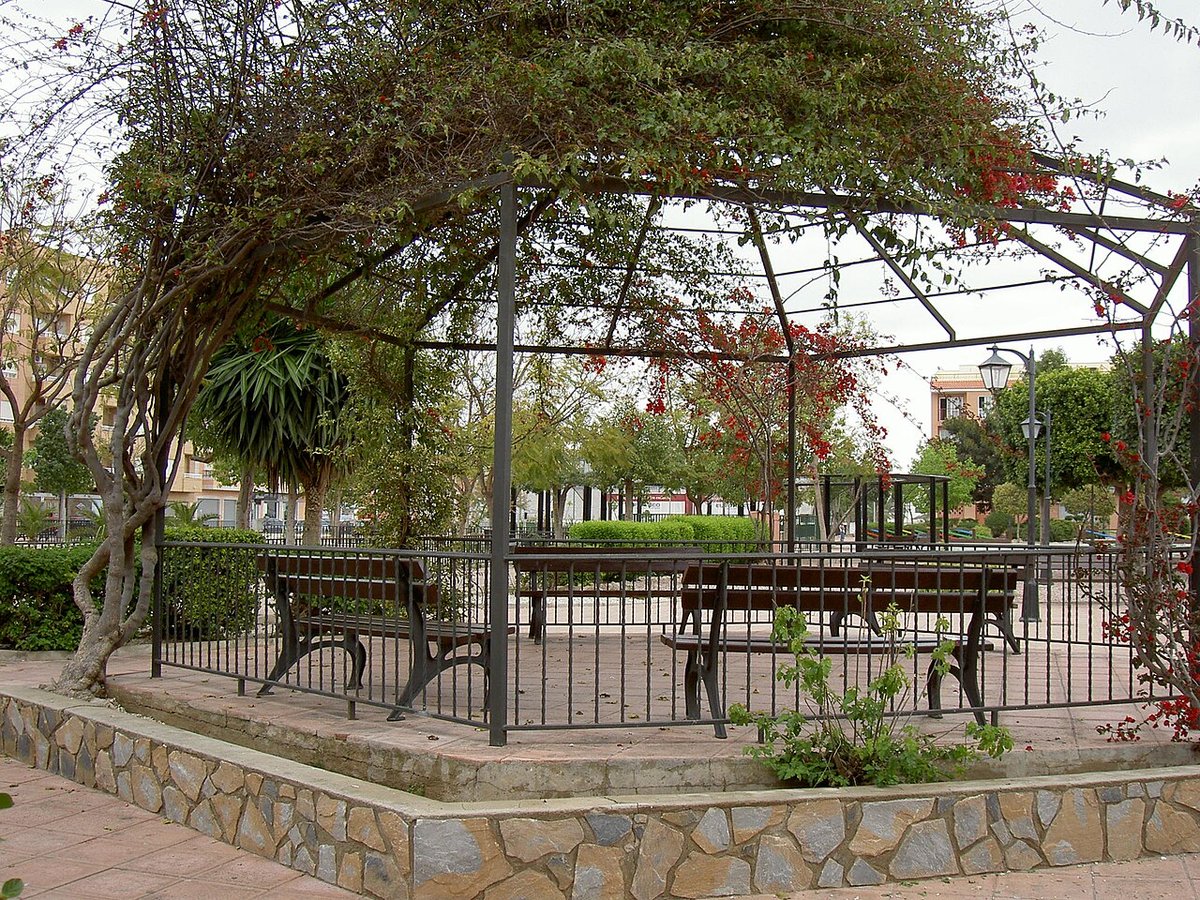
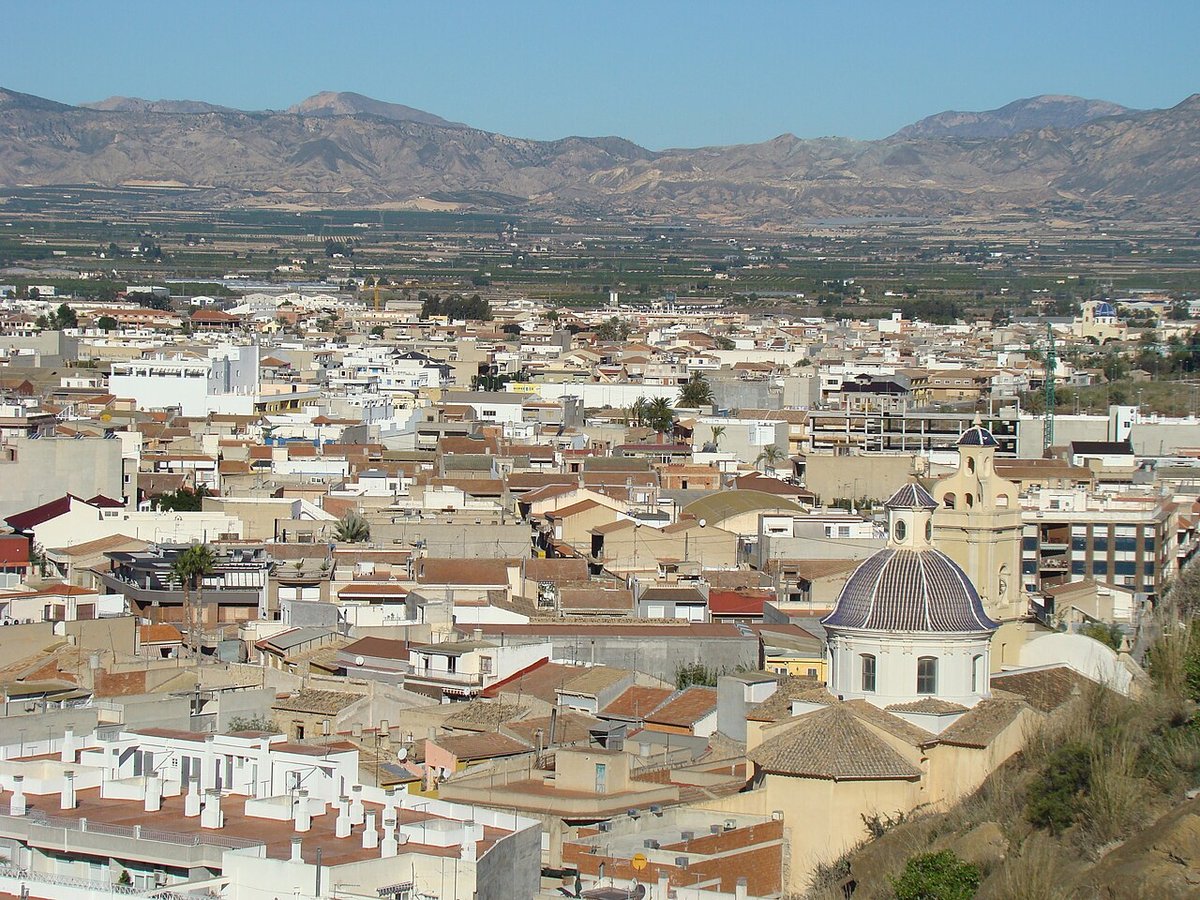
The centre of Redován can be explored without hurry. The streets are quiet, the squares usually occupied by someone sitting and watching the day go by. The Iglesia de San Miguel has dominated the townscape since the 18th century, its presence anchoring the urban core. Close by stands the Casa del Reloj, the former town hall. It has the sober air of a small-town civic building that has seen generations pass through its doors.
This is not a vast or monumental historic quarter. It is somewhere that reveals itself at walking pace, without grand statements.
Rice as a Serious Matter
In this part of Alicante, rice is not reserved for special occasions. It is a standing debate.
Sit down for something to eat and before long you may overhear a discussion about arroz con conejo, rice with rabbit, and what it should or should not include. The tone can be as animated as a football argument. Recipes are defended with conviction.
Another local staple is arroz con costra. This dish is finished in the oven and covered with a golden layer of beaten egg that sets on top. When it arrives at the table, the appeal is obvious. Breaking through that crust without ruining the rice beneath requires a certain technique, which regulars take seriously.
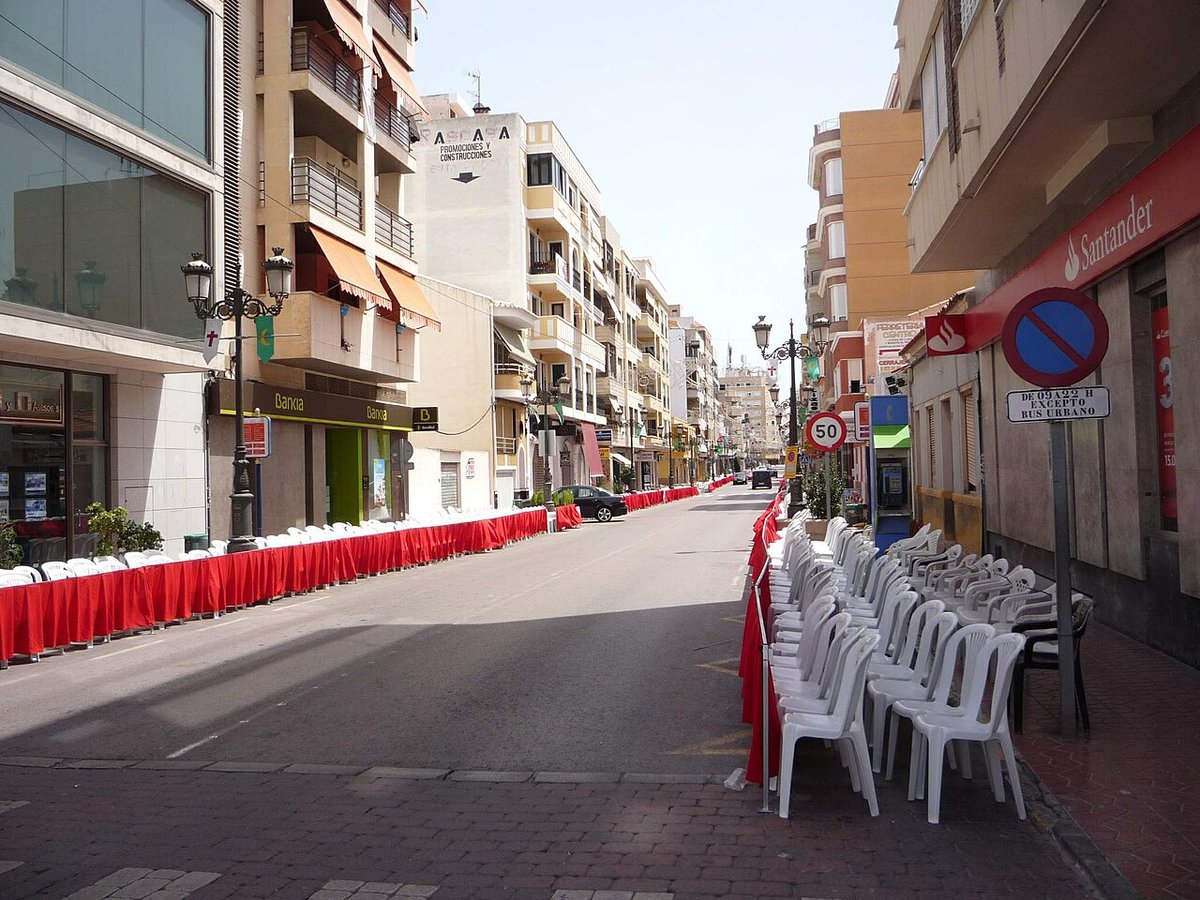
Towards the end of September, the Fiestas de San Miguel alter the rhythm of the town. There are events, music in the streets and plenty of shared food. Over those days Redován shifts from weekday calm to something far livelier, with gatherings that bring neighbours together.
The Rock Wall to the North
Look north from the town and the rock face of the Sierra de Callosa y Redován immediately draws the eye. It rises abruptly, forming a dramatic backdrop to the flatlands of the Vega Baja.
Several walking routes run through this area, and there is also a via ferrata that is well known locally. A via ferrata is a protected climbing route equipped with fixed cables and other elements that allow participants to ascend rock faces more securely if properly prepared. It is not a simple stroll. Some sections are exposed and involve height, yet many people attempt it because it offers a way to climb the wall with added safety.
From the top, the perspective changes completely. The Vega Baja spreads out below like a green board, divided into agricultural plots, with towns appearing almost joined together in the distance.
For those who prefer something less demanding, there are gentler paths within the paraje natural municipal, a protected natural area of local importance. These trails wind among pine trees and Mediterranean scrub. Many residents head there for an afternoon walk or simply to clear their heads for a while.
On the Route of the Camino del Cid
Redován forms part of the modern Camino del Cid, a long-distance route that follows places mentioned in the medieval epic poem about Rodrigo Díaz de Vivar, known as El Cid. The contemporary itinerary links towns associated with the story, blending documented history with later reconstruction.
Within the municipality there is some signposting and references to the route. Whether El Cid passed precisely through this spot is open to interpretation, as with much of the Camino. What matters in practice is that the trail connects settlements across the region and encourages travellers to discover them at a slower pace.
For Redován, inclusion on the Camino del Cid places it within a broader cultural landscape that stretches far beyond the Vega Baja.
A Town That Keeps Its Own Rhythm
Redován is not a destination defined by famous monuments or postcard streets. It does not compete on those terms.
It is a working town in the Vega Baja, shaped largely by agriculture, with a mountain range pressed up against its houses and a fairly calm weekday routine. The appeal lies in observing how daily life unfolds without much embellishment.
A simple plan works best: wander through the centre, sit down for a rice dish, then head towards the Sierra de Callosa y Redován for a walk. That combination captures the essence of the place.
Half a day is enough to see it all. Yet the impression lingers. Redován feels like a town that continues at its own pace, whether anyone is watching or not.