Full Article
about Rojales
Tourist town on the Segura River, known for its Cuevas del Rodeo and golf course.
Hide article Read full article
A Town Shaped by the River
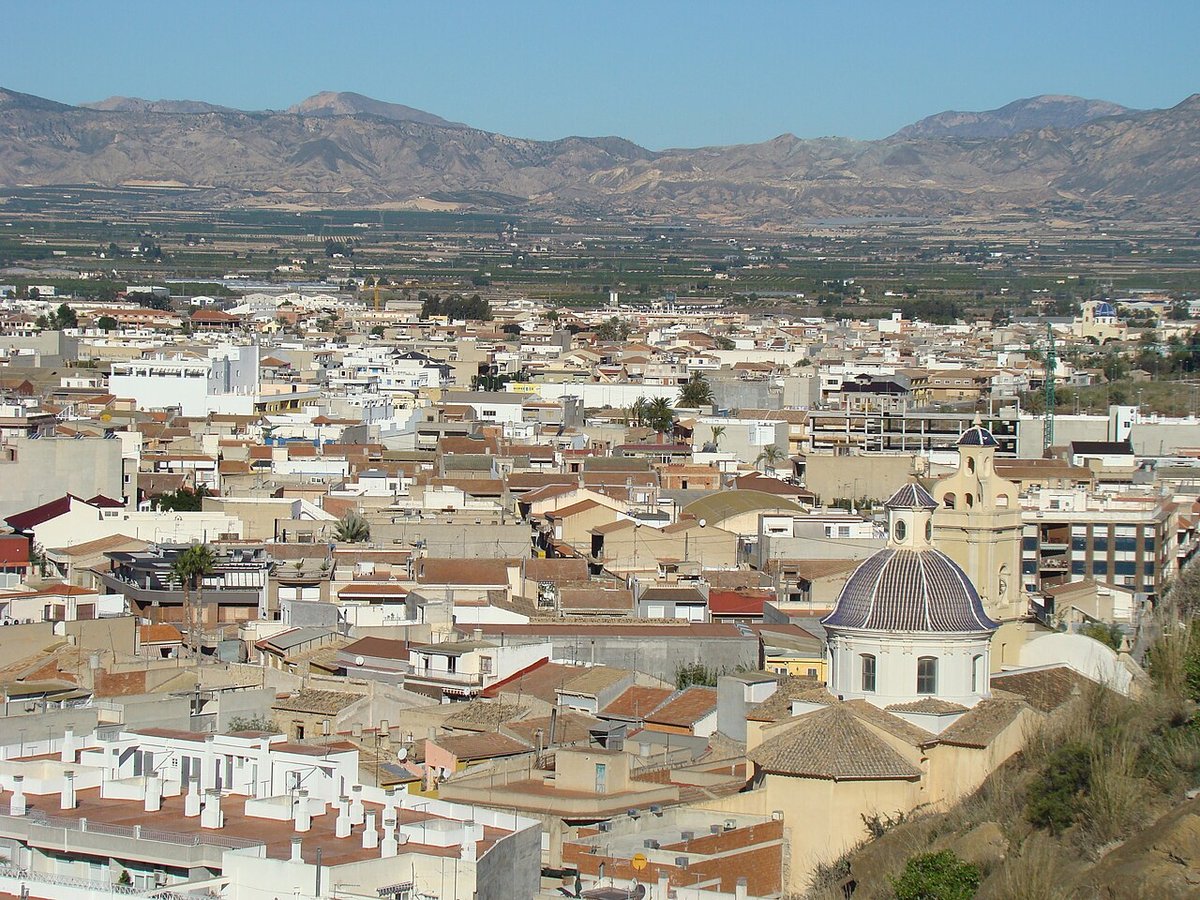
The River Segura runs gently through the fertile plain, and Rojales sits tight to its bank as if aware that the water explains everything here. From the Puente de Carlos III, the layout becomes clear: streets running parallel to the river, traditional houses facing the channel, and further along, the azud that still regulates irrigation across the surrounding farmland.
This is not a coastal town, even though Guardamar is very close. That makes one detail stand out all the more: the Casa de las Conchas. Its façade is covered in thousands of shells collected from the coast, placed one by one over years by its owner. It feels both unexpected and entirely personal, a quiet counterpoint to the agricultural landscape.
Water as Infrastructure and Memory
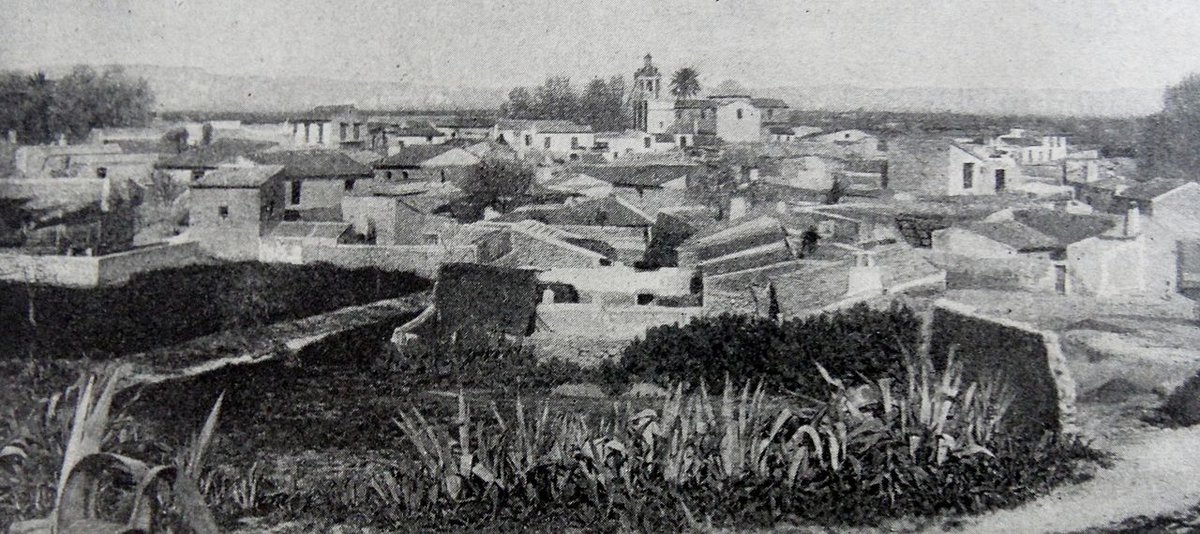
After the Christian conquest in the 13th century, the Order of Santiago took control of Ruxana, a former Andalusian alquería, or rural settlement, where an irrigation network already existed. That hydraulic system remains the foundation of present-day Rojales.
What is now called the Conjunto Monumental Hidráulico Urbano, protected as a Bien de Interés Cultural, brings together several elements that were never intended as monuments. They were practical infrastructure, built for daily use.
The azud diverts water from the Segura into the irrigation channels that feed the huerta, the cultivated land around the town. Nearby stands the noria, linked to the system that once lifted and distributed water, making farming in the Vega Baja possible for centuries.
The Puente de Carlos III, completed in the 18th century, solved a straightforward problem: crossing the river with carts and goods when the Segura swelled. Its purpose was practical rather than symbolic, though today it anchors the town visually.
The Iglesia de San Pedro Apóstol was rebuilt after the 1829 earthquake that affected much of the region. Its Renaissance doorway survived the collapse and still marks the main entrance. In the square outside, the river can be heard when the flow is stronger; in summer, that sound blends with conversations from people sitting in the shade of the trees.
Cave Houses and Creative Spaces
Climbing towards Calle Rodeo, the setting changes quickly. Asphalt gives way to a slope of gypsum-rich earth where, from the early 20th century, many residents dug homes directly into the ground. These cave houses were inexpensive to build and offered a clear advantage in this climate: the interior temperature stayed relatively stable throughout the year.
Many of these caves are still lived in today, though the area has gradually taken on a different character. It has become a place of workshops and artists’ studios. At times, especially on certain weekends, doors open to visitors and the neighbourhood becomes lively. Guitars can be heard, the smell of varnish drifts through the air, and people move in and out of the caves.
It does not function like a conventional museum. What you find depends largely on who happens to be working that day, which gives each visit a slightly different feel.
Close by are the Aljibes de Gasparito, built in the early 20th century to collect and store rainwater. They made sense in an area where water supply was not always straightforward. Today, the space is used for exhibitions and cultural activities, although the original structure of the reservoir is still recognisable.
Cooking from the Huerta
In Rojales, cooking remains closely tied to the produce of the Segura’s fertile plain. Rice dishes are a constant presence, especially arroz con conejo y verduras, prepared with ingredients still grown in the nearby fields. Ñora, a small dried pepper, and paprika are typically used in the base.
During celebrations and romerías, another dish appears: the pelota del cocido. It is made from minced pork, egg and spices, and forms part of traditional festive meals.
For something sweet, there are almojábenas, small fried bites often served with orange blossom honey from the surrounding area. Toñas, a sweet, aromatic bread, can be found in local bakeries for much of the year.
Getting There and When It Comes Alive
Rojales lies in the Vega Baja, just a few kilometres from the coast. From Alicante, it can be reached via the A-7 or AP-7, followed by local roads. The nearest train station is in San Isidro, with onward road connections to towns in the area.
There is no beach in Rojales itself. The closest is in Guardamar del Segura, a short drive away.
The climate shapes the rhythm of a visit. In winter, the damp air from the river can make it feel cooler as evening falls. In summer, the heat intensifies and the middle of the day slows everything down.
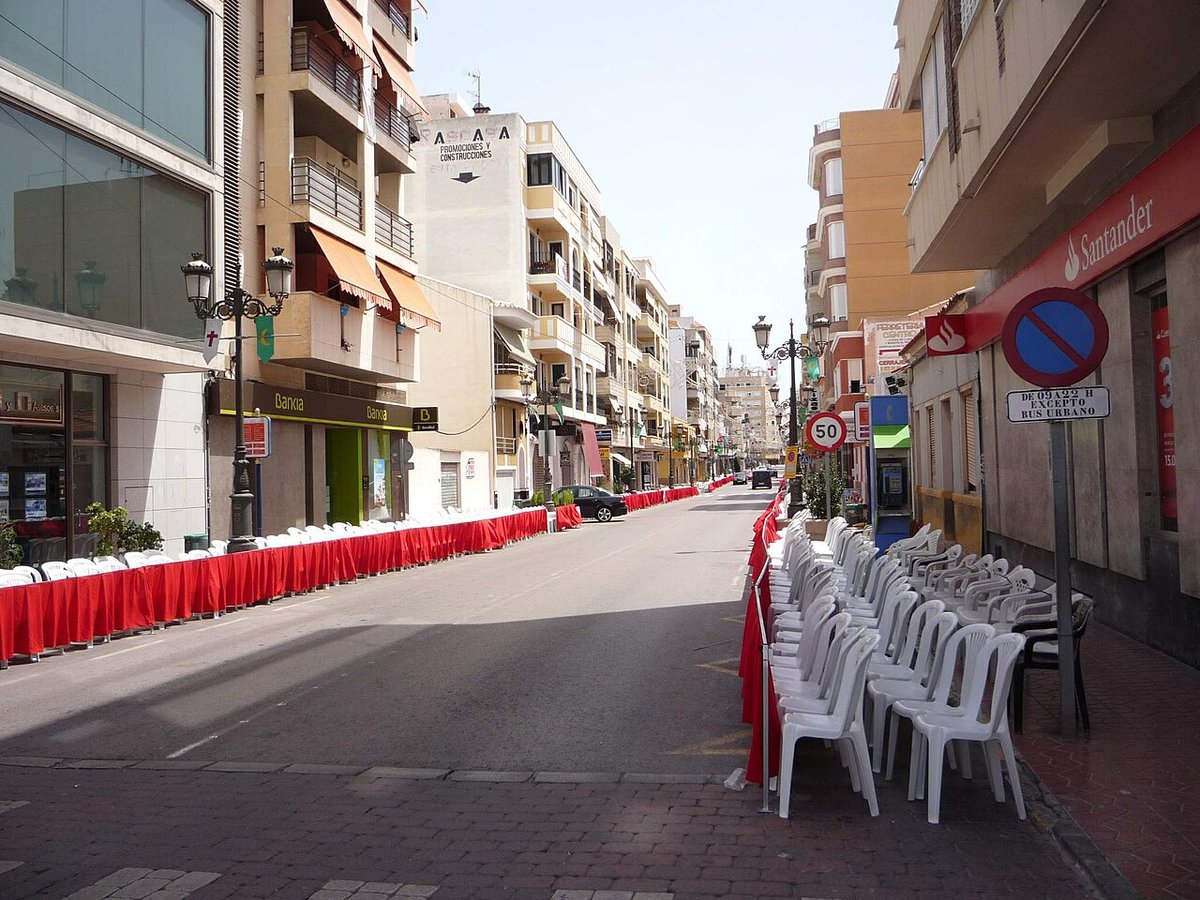
In May, the romería of San Isidro usually takes place, closely linked to the agricultural traditions of the Vega Baja. At the end of June, the town celebrates its Moros y Cristianos festival, with parades and events centred around the town centre. Throughout the year, particularly on some weekends, the cave neighbourhood hosts open days with workshops and activities.
The centre of Rojales, including the bridge, the azud area and the church, can be explored in a short time. For those interested in understanding the historic huerta, there are walking routes that follow the irrigation channels and riverbanks for several kilometres. These paths offer the clearest sense of why Rojales stands exactly where it does.