Full Article
about San Fulgencio
Agricultural municipality with large housing estates; near the coast but with a traditional inland core.
Hide article Read full article
The Hill That Explains the Landscape
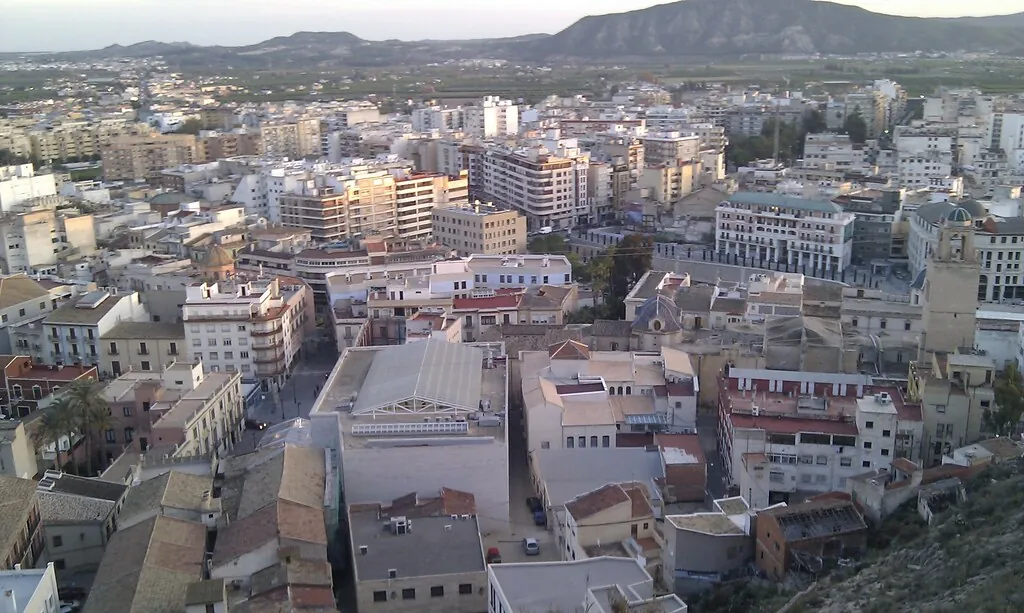
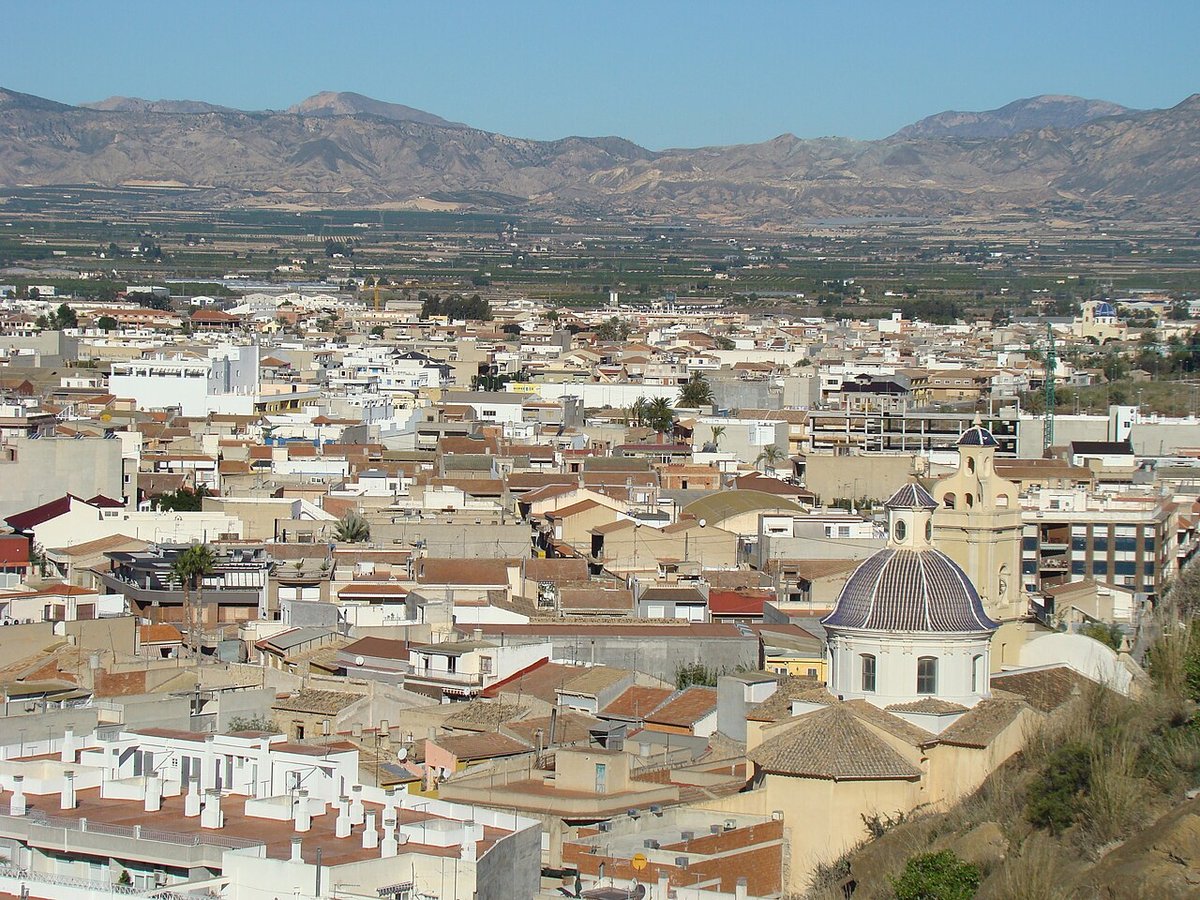
The hill of El Oral rises above the flat expanse of the Vega Baja like a natural watchtower. From the top, the geography of the area makes immediate sense: the sea lies close by, irrigated farmland stretches inland, and on clear days the salt flats of Santa Pola come into view. San Fulgencio did not begin on this hill, yet part of the territory’s story starts there.
The sites of El Oral and La Escuera are not monumental ruins. What survives belongs to two Iberian settlements that controlled the route between the coast and the interior of the Vega Baja. From these positions, a farming network was organised to produce oil and wine, goods that were then shipped along the coast towards other Mediterranean ports.
Excavations began in the late twentieth century. Archaeologists uncovered ceramics, amphorae as well as remains of metal workshops, evidence of a community linked to trade and craft. Some of these finds are kept in the municipal archaeological museum. The museum occupies a restored manor house that merits attention in its own right. In the courtyard there is an old cistern and an olive press, a reminder of how deeply olive cultivation shaped the local economy.
The walk up to El Oral is short, just over two kilometres there and back. The landscape of the Vega Baja offers little shade, so water is advisable. The path passes through citrus groves and old olive trees with twisted trunks that seem to have been shaped by decades of wind and sun. At the summit, the outline of what was once a small oppidum, a fortified Iberian village, can still be traced. From here the view clarifies much of what follows in the area’s history. To the north stand the Crevillente mountains. To the east, the coastline and the residential developments that today concentrate a large part of the municipality’s population.
An Agricultural Village Set Back from the Sea
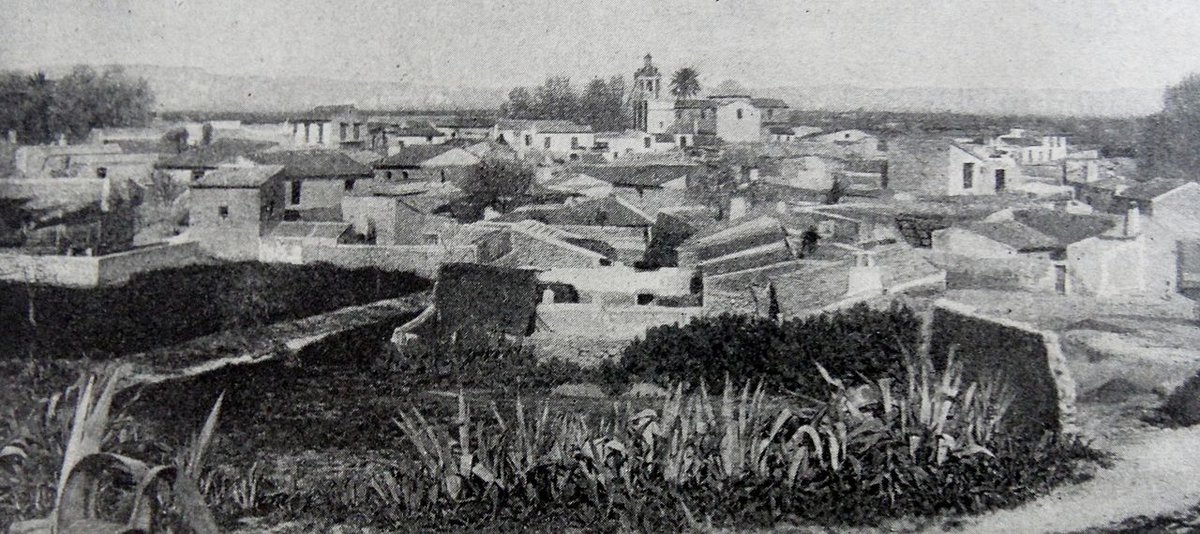
The present-day centre of San Fulgencio was established inland. For centuries, the nearby coastline was a difficult strip of land, with shifting dunes, salty ground and unstable terrain. The orchards and market gardens, by contrast, lay slightly higher and were irrigated by channels that carried water down from the mountains.
The parish church of San Fulgencio belongs to this period when the settlement took shape as an organised agricultural community. From the outside, the building is restrained. Inside, the decoration is more elaborate, and the dome over the crossing draws in light that gathers at the heart of the church.
Growth was slow for many years. Farming set the pace of life, and infrastructure arrived gradually. In the twentieth century, several mills operated in connection with local cereal production. Today, little remains of that activity beyond a few buildings converted into homes and the stories still told by older residents.
The historic centre itself is compact and can be explored on foot in a short time. Streets cluster around the church, reflecting the scale of a community shaped by fields and irrigation rather than by maritime trade.
A Second San Fulgencio by the Shore
Closer to the coast, a different reality appears. The residential developments of La Marina and the surrounding area form a nucleus that contrasts with the historic village. A sizeable foreign community lives here, especially people from northern Europe. English is heard almost as often as Spanish, and daily life follows a different rhythm.
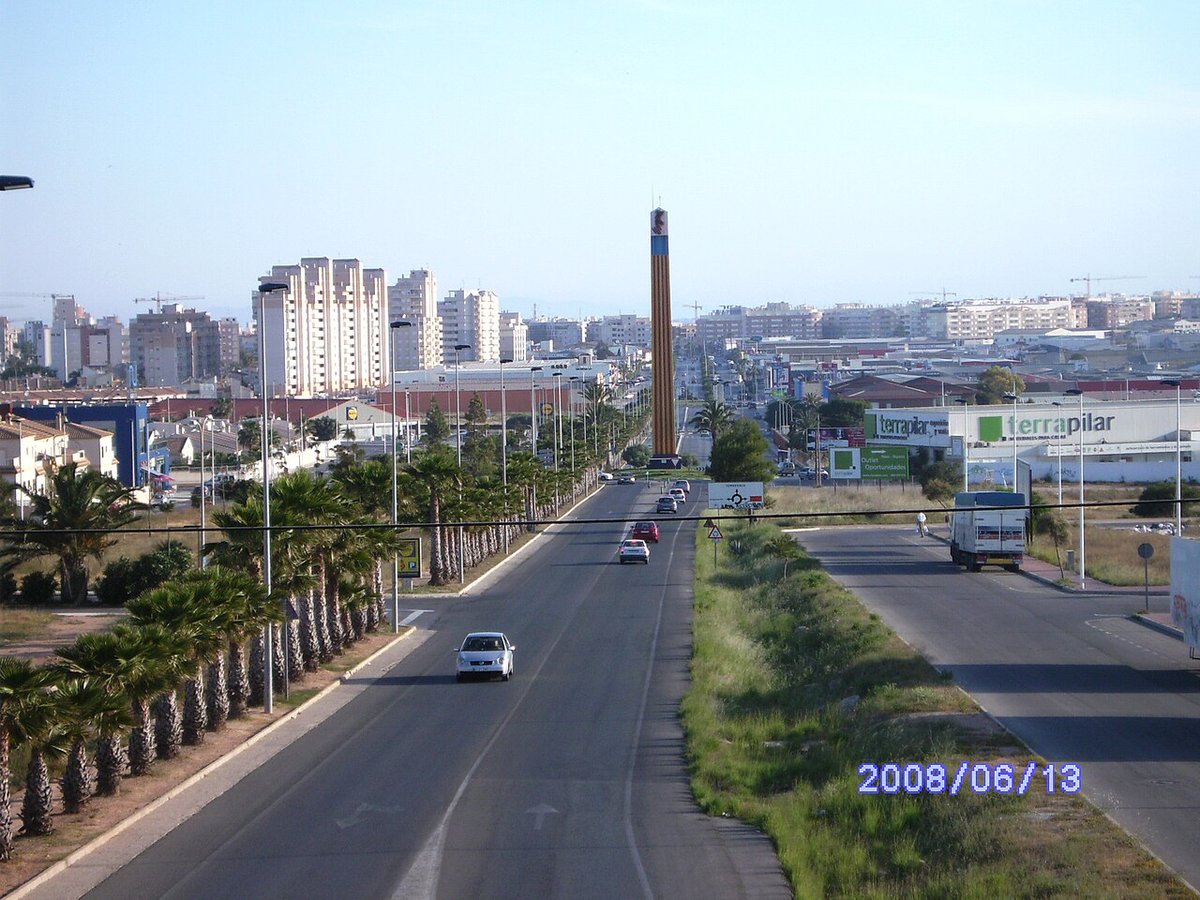
This is not comparable to the large-scale tourist resorts elsewhere on the Alicante coast. Construction is low-rise, with terraced houses and small residential streets rather than high apartment blocks. Nearby stretches a long, open beach, with sections of dunes and pine woods. Outside the height of summer, it is usually quiet.
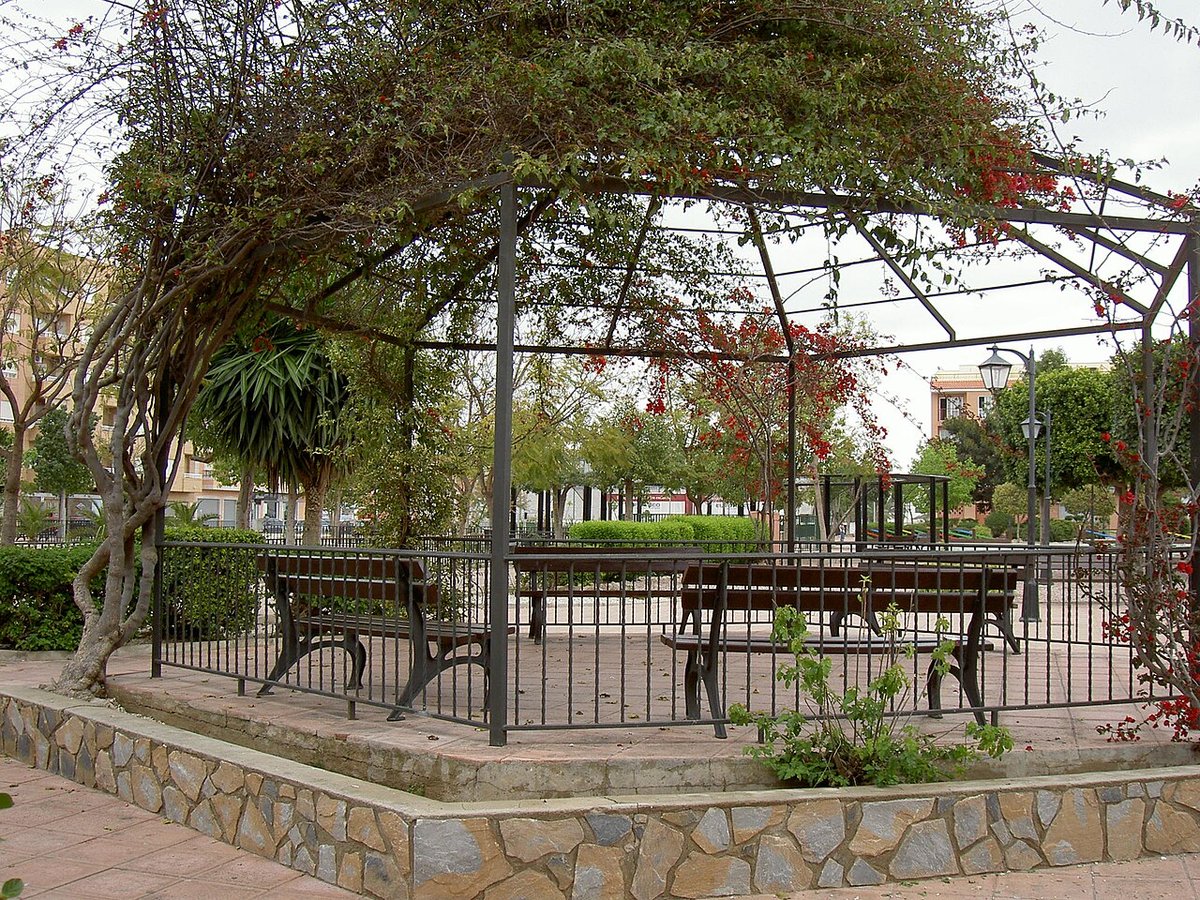
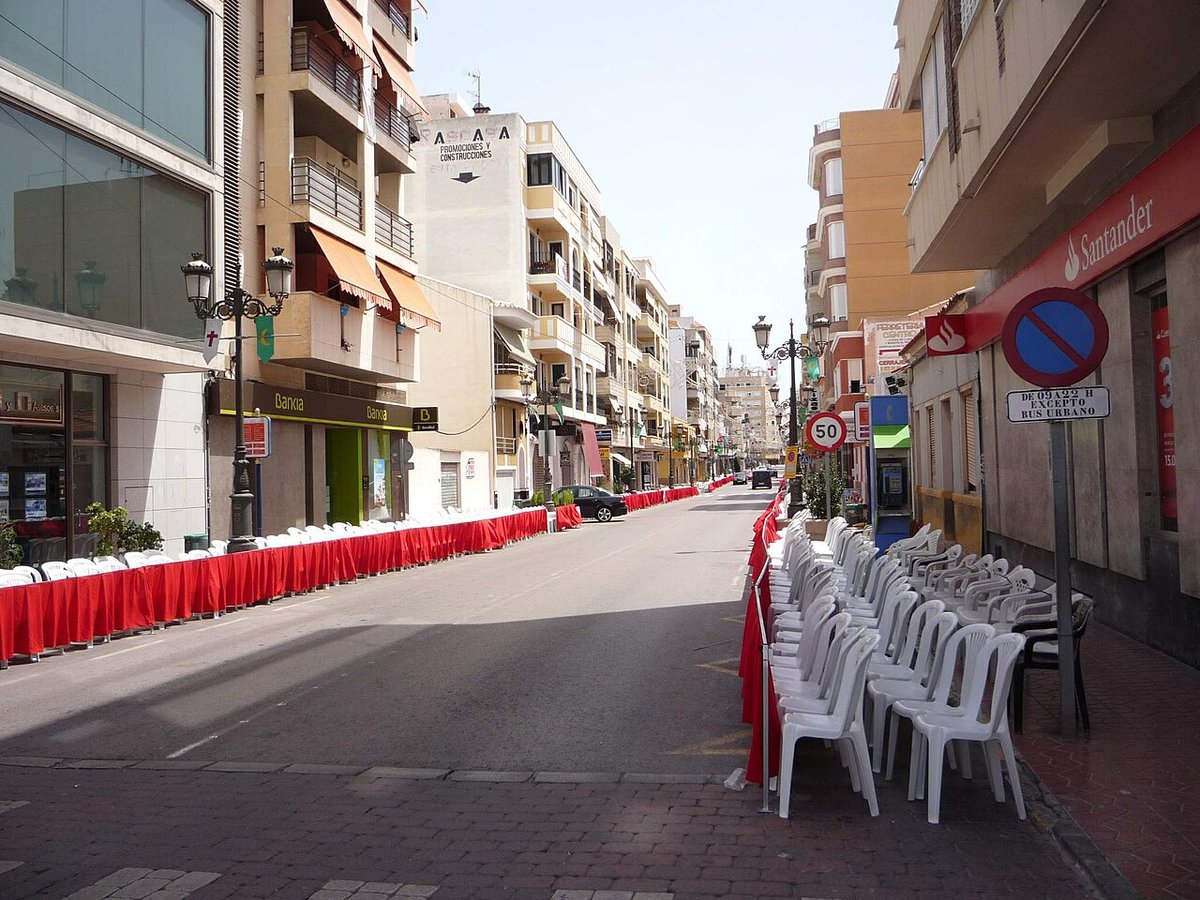
The relationship between the traditional centre and these residential areas has developed slowly. Over time, shared spaces have emerged. Local festivals, neighbourhood gatherings and communal meals in the street bring together residents from varied backgrounds. Each family contributes what it has prepared, and the result is a mix of languages and customs within the same square.
Cooking from the Market Garden
The cooking of San Fulgencio looks more to the fertile land than to the sea. One of the most frequently prepared dishes is arroz “clarico” de verduras, a light rice with vegetables. It is a simple recipe once made by farmers in the fields with whatever was available: green beans, chard, pepper and tomato. There is no meat or fish. The flavour depends on the sofrito and a vegetable stock that carries the taste of the garden.
Another staple is cocido con pelotas. This is a substantial dish of chickpeas and potato accompanied by large dumplings made from breadcrumbs, garlic and spices. It is associated with winter, the sort of meal that perfumes the house for hours.
In some homes and butcher’s shops, sausages linked to the Murcian tradition of the area are still produced. One example is the salchicha de pellizco, usually made with pork and seasoned differently depending on the time of year.
During the patron saint festivities of the Virgen del Remedio, the main square fills with large communal paellas. These are cooked for the town itself rather than for visitors. The classic combination here is rice with rabbit, chicken along with vegetables from the local orchards.
Finding Your Bearings
San Fulgencio lies in the Vega Baja, in the south of Alicante province and close to the coast. The historic centre is small and easily covered on foot.
For historical context, the municipal archaeological museum is a good starting point. From there, it makes sense to head up to El Oral and take time over the landscape. The hilltop view ties together the Iberian past, the agricultural plain and the coastal developments of today.
San Fulgencio does not present itself through grand monuments. Its character is clearer in the relationship between hill and plain, between irrigated land and sea, between an old village and a newer residential coast. Understanding that balance is key to understanding the place.