Full Article
about San Isidro
Young municipality born from agricultural settlement; modern layout and palm grove
Hide article Read full article
An evening shaped by the land
By early evening, when the sun drops and the irrigation channels catch the light like broken mirrors, San Isidro settles into its own rhythm. The air carries the scent of orange blossom mixed with freshly turned soil. This is not a staged fragrance for visitors, but the everyday smell of a place tied closely to what it grows.
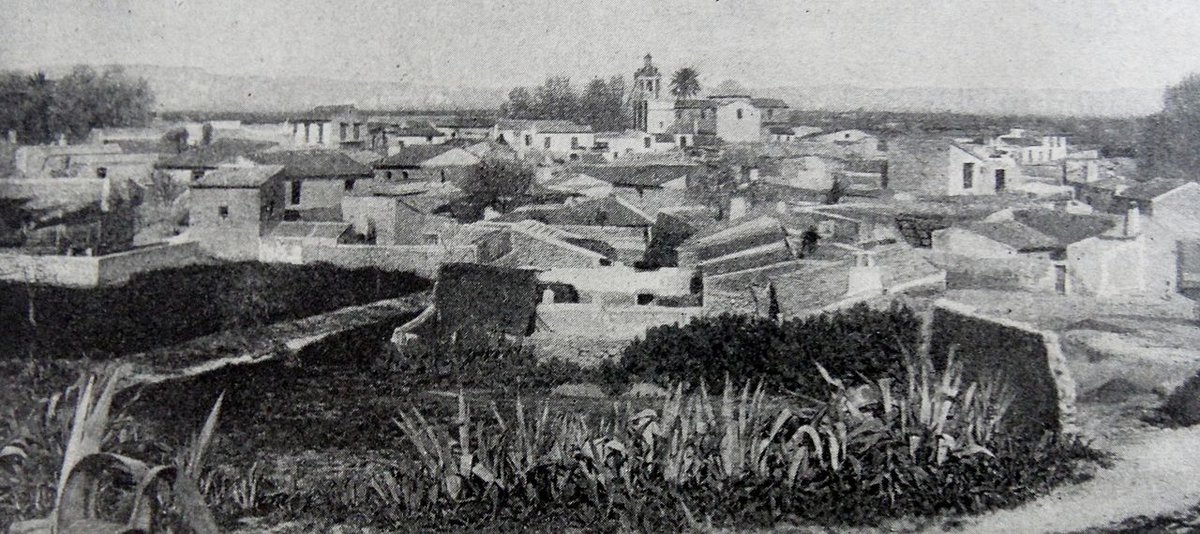
Tractors return slowly along the dirt track that runs beside the canal, their tyres marked with dry mud. Outside low houses, women shake out rugs on small porches. The homes look much alike: white façades, pitched roofs, set in neat lines as if the village had first been drawn on paper. Many date from the 1950s, when the Instituto Nacional de Colonización established this agricultural settlement.
Visitors are rare. For now, San Isidro continues without adapting itself to tourism.
A village built on irrigation
San Isidro is one of the youngest municipalities in Alicante province. It became independent from Albatera in 1993, although its origins go back earlier. In the mid-20th century, the state converted large areas of dry land into irrigated farmland and distributed plots and houses to families, many of them arriving from Murcia, Almería and Jaén.
The architect José Luis Fernández del Amo contributed to the design of the original settlement. His influence is still visible in the layout. Streets run straight and wide, almost geometric in feel, and the houses follow a shared pattern with small variations. The church stands out for its simplicity and resembles a civic building as much as a religious one. At the centre lies an open square, broad and uncluttered, conceived as a meeting place rather than a decorative focal point.
A walk through San Isidro feels like moving through a mid-century agricultural project that remains active. Low lampposts line the streets, small gardens soften the edges, and orange trees rise above boundary walls. The citrus scent lingers, even in colder months, clinging faintly to clothes.
On Calle Mayor, the widest street in the village, a local bar typically opens early. Inside there are a handful of formica tables, a coffee machine that hums steadily, and slow games of dominoes. Some of the original settlers, or their children, still gather there. A newcomer can step in without attracting much attention, but questions are rare too.
The saladar between cultivated fields
A short distance from the centre, beyond plots of onions and lemon trees, one of the remaining saladares of the Vega Baja appears. These salt-affected wetlands create a sudden shift in landscape. The ground turns pale, almost white, and low vegetation adapted to saline conditions spreads across the terrain. Scattered wild palms rise here and there.
The area can be explored on foot or by bicycle along a dirt circuit of roughly eight kilometres. The route begins near the village and quickly leaves asphalt behind. It crosses irrigation channels filled with dark green water and follows the edges of cultivated land before opening out into the saladar itself.
Spring brings subtle changes. Tamarisk trees fill with small pink flowers, and the air becomes slightly more humid, softer in tone. Sound travels easily across the flat land: crested larks calling, a distant dog, the uneven engine of a small cultivator working the fields.
Signage is limited. At times there is only a simple post marked with a blue arrow and the word “Saladar”. Orientation comes more from the landscape than from signs. Looking south, the Segura River appears as a thin silver line before fading into the orchards of the Orihuela huerta. To the north, the Albatera hills form a reddish barrier that shifts in colour as the afternoon progresses.
When tables appear in Parque de las Palmeras
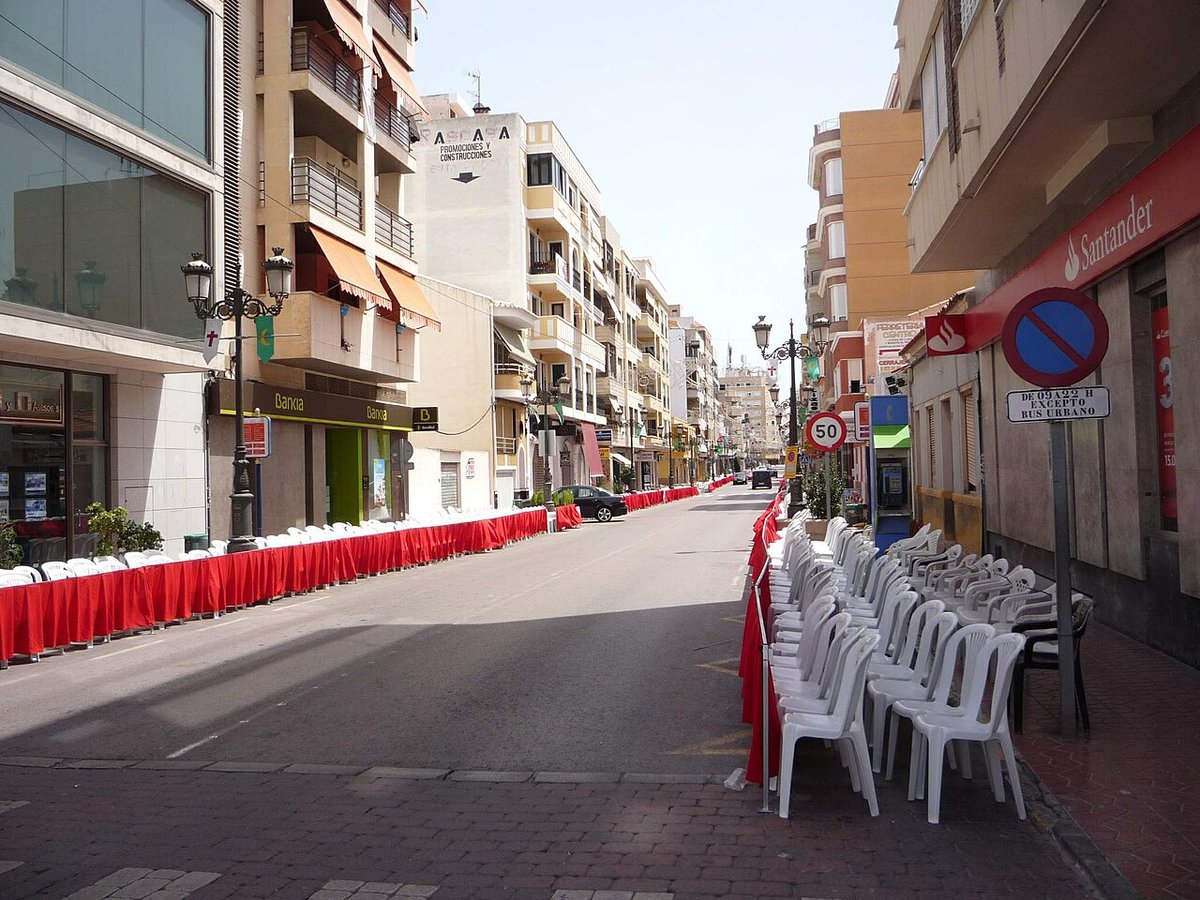
San Isidro’s main celebrations take place on 15 May for San Isidro Labrador. The programme is straightforward: a mass in mid-morning followed by a procession through those wide streets.
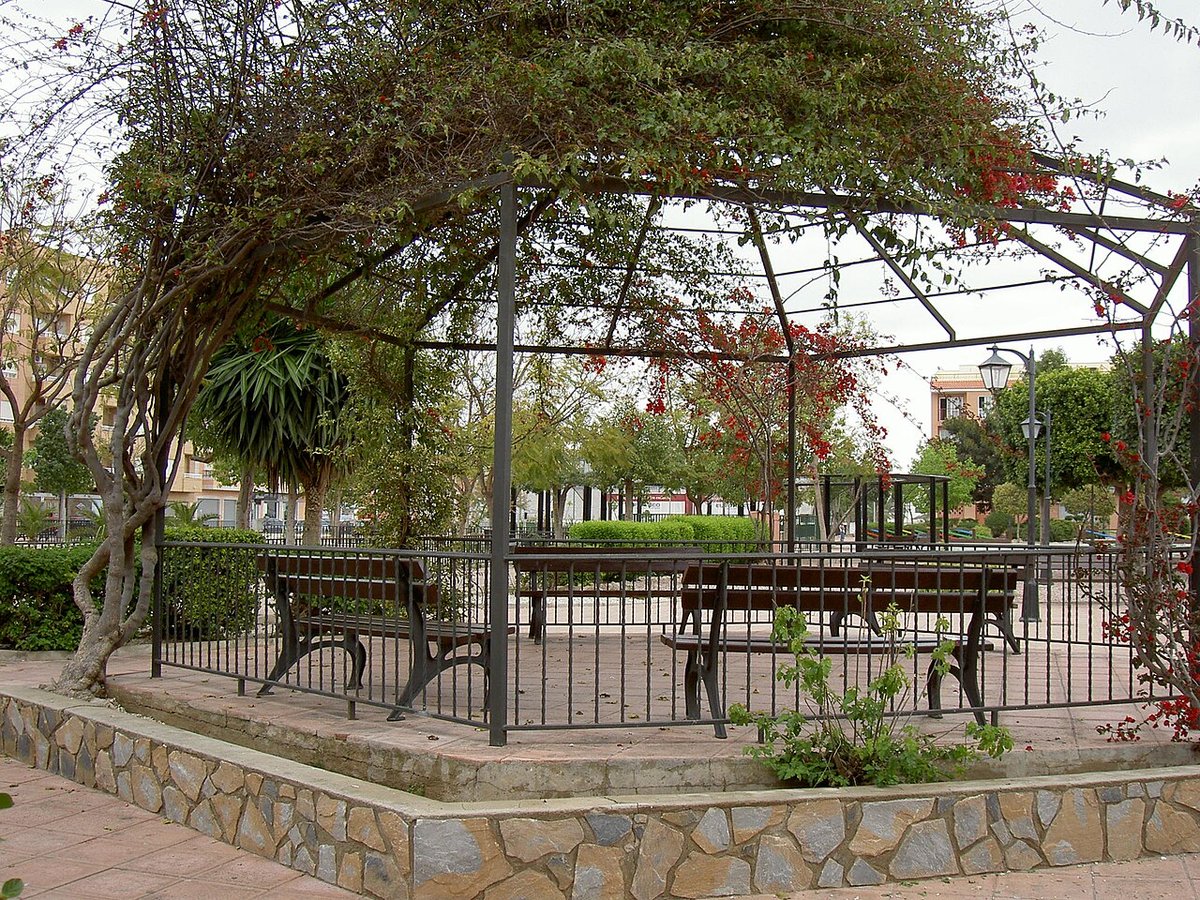
Afterwards comes what feels most significant: families bring folding tables and chairs to Parque de las Palmeras for an outdoor meal that lasts hours. They set up under palm trees or against low walls where they can find shade. You hear bottles being opened on table corners and smell longaniza cooking on small portable griddles brought from home.
Torta de acelga often appears on these tables—a thin pastry made with Swiss chard that has a slightly sweet taste from raisins and pine nuts. It’s common here; you can find it at local bakeries most days if you ask.
At dawn on July 1st another set of festivities begins to mark Día del Municipio—the village’s separation from Albatera—and for three days everything changes completely: fairground rides arrive near Plaza Mayor; music plays loudly until late; temporary stalls sell everything from socks to churros; cars park half up on pavements blocking doorways; younger residents who live elsewhere return home filling bars completely until closing time when suddenly everything stops again leaving only silence broken by distant dogs barking across fields.
Reaching San Isidro and choosing your moment
San Isidro lies about forty minutes south from Alicante along A-7 motorway exit towards Albatera then following signs through flatlands where irrigation channels create geometric patterns across lemon groves until reaching town limits marked by water tower painted white standing alone against skyline like sentinel over crops below it all around you now visible everywhere you look—this is working landscape not scenic one so adjust expectations accordingly before arriving here expecting anything else besides what exists already without need for visitors’ approval or attention really at all ever since beginning back then when first families arrived here decades ago starting everything anew again today still continuing same way tomorrow probably too I think sometimes watching sunset over saladar while listening birds settling down for night ahead quietly waiting stars come out slowly above us all together under same sky always has been will be forevermore I believe truly yes indeed certainly absolutely positively without doubt whatsoever amen hallelujah praise be unto him amen brother sister amen alleluia alleluia alleluia amen