Full Article
about Algueña
A wine-growing town with marble quarries, known for its red wines and arid landscape.
Ocultar artículo Leer artículo completo
The Sunday market fills Plaza del Ayuntamiento by 9am, but there's no tat. Instead, elderly women sell almonds they've shelled that morning, and a potter displays bowls fired in a kiln just up the road. This is Alguena's weekly pulse – everything else can wait until mañana.
At 534 metres above sea level, the village sits high enough that summer nights drop to 18°C when coastal Benidorm still swelters at 28°C. The altitude creates a microclimate where almond trees flourish, their February blossom turning entire slopes white before the first British package holidaymakers have booked their flights. The surrounding vineyards, planted on terraces carved into limestone slopes, produce robust reds that appear on every local table but rarely reach export markets.
Walking Through Living History
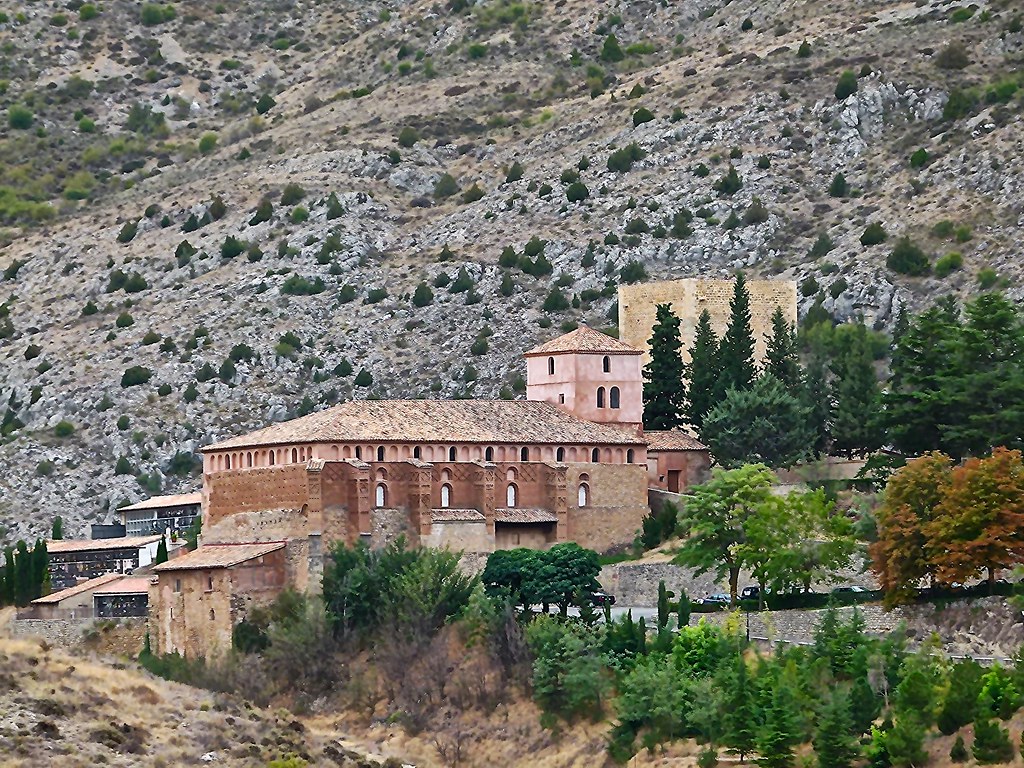
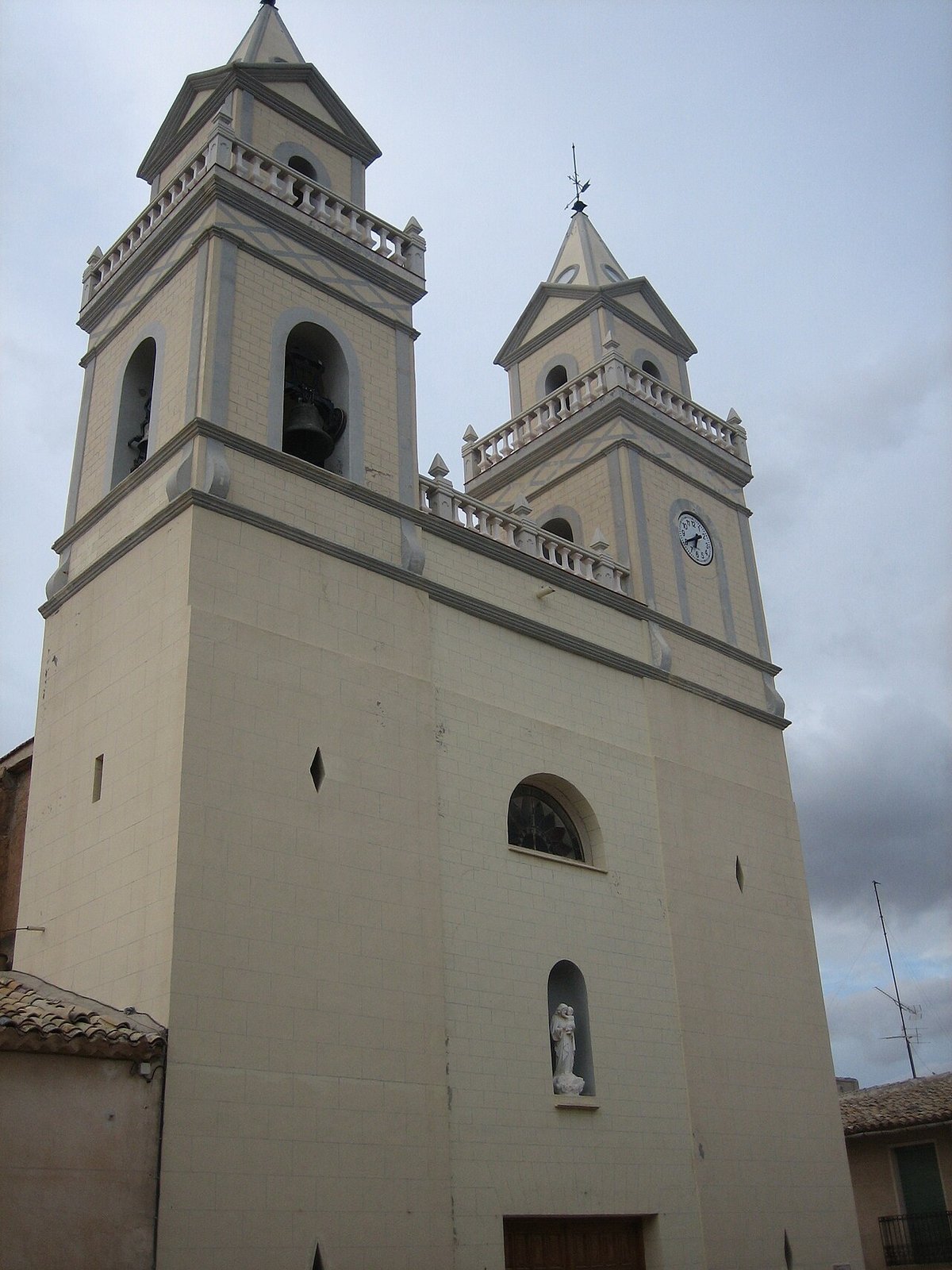
Santa Catalina's church tower dominates the skyline, though it's hardly cathedral proportions. Built piecemeal between the 15th and 18th centuries, the interior reveals the village's evolving tastes: Gothic arches support a Baroque altar, while modern stained glass throws purple light across medieval stone. The door opens most mornings around 10am – if it's locked, ask in the bar opposite and someone will fetch the key within five minutes.
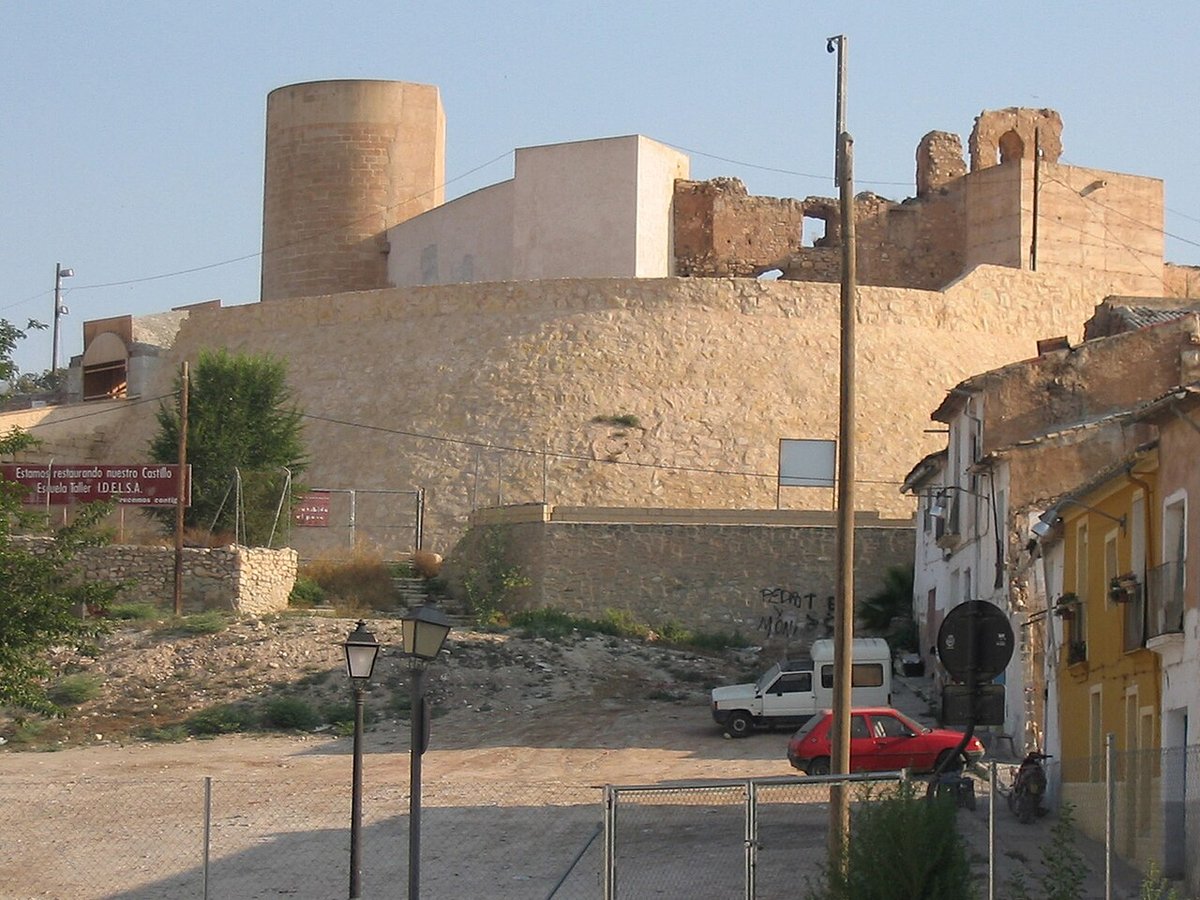
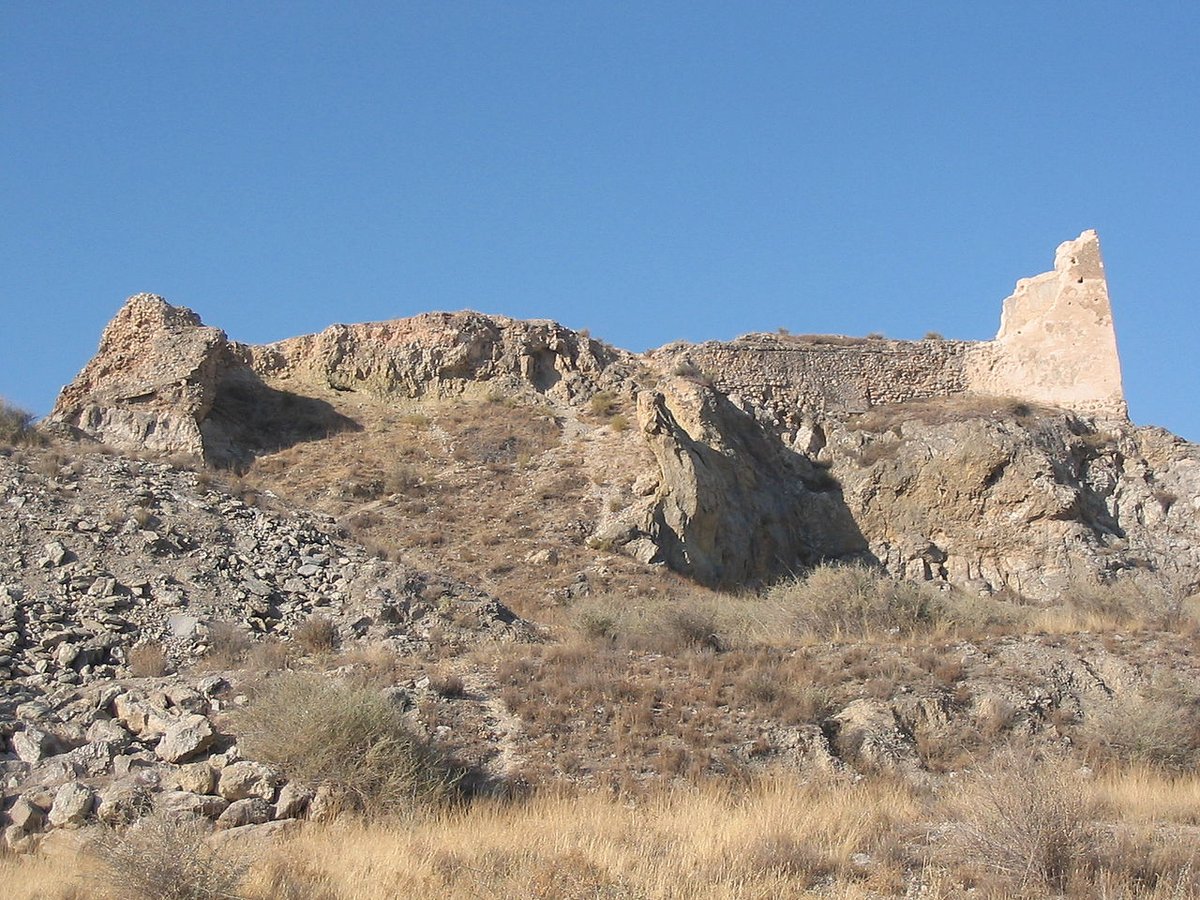
Above the village, castle ruins mark where Moorish forces once surveyed the Vinalopó valley. Only fragments of wall remain, but the 15-minute climb rewards with views across almond groves that stretch 30 kilometres to Villena's proper fortress. The path starts beside the cemetery; wear proper shoes as the limestone gets slippery after rain.
The old town reveals itself slowly. Calle San Roque narrows to shoulder-width in places, forcing you sideways past doorways where washing hangs from wrought-iron balconies. Houses here weren't built for tourists – they're working homes with satellite dishes bolted onto 200-year-old walls, and elderly residents who'll greet strangers with genuine curiosity rather than sales pitches.
What Actually Happens Here
Agriculture isn't backdrop – it's livelihood. Tractors rumble through streets at dawn, and the cooperative winery processes grapes from 6am during September harvest. Visitors can tour Bodega Pinoso, five kilometres outside town, where fourth-generation growers explain why this elevation creates wines with mineral notes impossible at sea level. Tastings cost €8 and happen weekdays at 11am, but phone ahead – if the family's harvesting, tours stop.
El Jardín de las Eras occupies a converted grain store on the village edge. British expats Sarah and Marcus serve lamb cutlets from nearby Sax alongside vegetables grown in their own plot. The restaurant's five rooms book solid through April and October – mountain bikers tackling the Vinalopó greenway have discovered Alguena's spring climate beats sweating on the coast. Dinner for two runs €45 including wine; their almond tart has achieved minor legendary status among cycling forums.
Walking options range from gentle to serious. A 45-minute loop heads past the cemetery to agricultural tracks where farmers still use mules. More ambitious hikers can follow the PR-CV 56 trail nine kilometres to Pinoso, gaining 300 metres through pine forests before descending to wine country. Summer walkers should start by 7am – by 11am the limestone reflects heat like an oven.
When Timing Matters
February's almond blossom transforms the landscape, but dates shift yearly depending on winter rainfall. Call the tourist office (they answer the phone in Spanish) during late January for blossom forecasts. March brings wild orchids to the higher slopes, while October sees grape harvest festivals in neighbouring villages – Alguena itself celebrates during the third weekend, when the plaza fills with barrels and locals dance until the respectable hour of 1am.
Winter visits reveal a different village. At 5°C with mountain mist rolling between houses, Alguena feels properly high-altitude. Bars light wood-burning stoves at 4pm, and the Sunday market shrinks to essentials – but you'll have the castle views to yourself. Summer weekends attract day-trippers from Alicante seeking cooler air, turning the usually silent plaza briefly sociable.
The Practical Reality
Getting here requires wheels. Alicante airport's hire-car queues take 40 minutes minimum; from there it's 70 kilometres inland on the A-31, turning off at the Novelda exit onto the CV-83. Public transport involves two buses and takes three hours – possible, but you'll be captive once arrived.
The Sunday market happens 9am-2pm only. Every other day, basic supplies come from the small Consum supermarket on the main road. Many bars close 4-7pm regardless of tourist needs – this isn't stubbornness, it's siesta. Cash remains king; several establishments lack card machines entirely.
Accommodation options fit on one hand. El Jardín de las Eras offers the comfort British travellers expect – proper showers, English-speaking hosts, a pool that's actually clean. The alternative, Casa Rural La Algueña, provides self-catering for four at €80 nightly, but you'll need Spanish to deal with owner Pilar's detailed instructions about the boiler.
Evening entertainment means choosing between three bars. Locals gather at Bar Central for dominoes and brandy at €2.50 a glass. Bar Avenida shows grainy football on ancient TVs. The smartest option, attached to El Jardín, serves decent gin and tonics but closes midnight sharp – after that, the village belongs to cats and the occasional Guardia Civil patrol.
Alguena won't suit everyone. Shopaholics will find frustration instead of boutiques. Beach lovers miss the coast by 50 kilometres. Those seeking flamenco shows and tapas trails should stay in Seville. But for travellers wanting to understand how inland Spain actually functions – where agriculture shapes time, where neighbours still share garden produce, where lunch genuinely lasts two hours – this limestone ridge above the Vinalopó valley offers something increasingly rare: a village that tourism hasn't remodelled in its own image.