Full Article
about Aspe
Town in the Vinalopó valley known for its bagged table grapes and its Baroque basilica.
Hide article Read full article
Driving into Aspe, your GPS will announce you're arriving just as the landscape shifts from open vineyards to a more practical sprawl of warehouses and polytunnels. The air smells like warm earth and fermenting grapes. That’s your first clue: this isn't a postcard town. It's a working one, where tourism feels like a side note to the main business of what happens in the fields.
The castle you almost miss
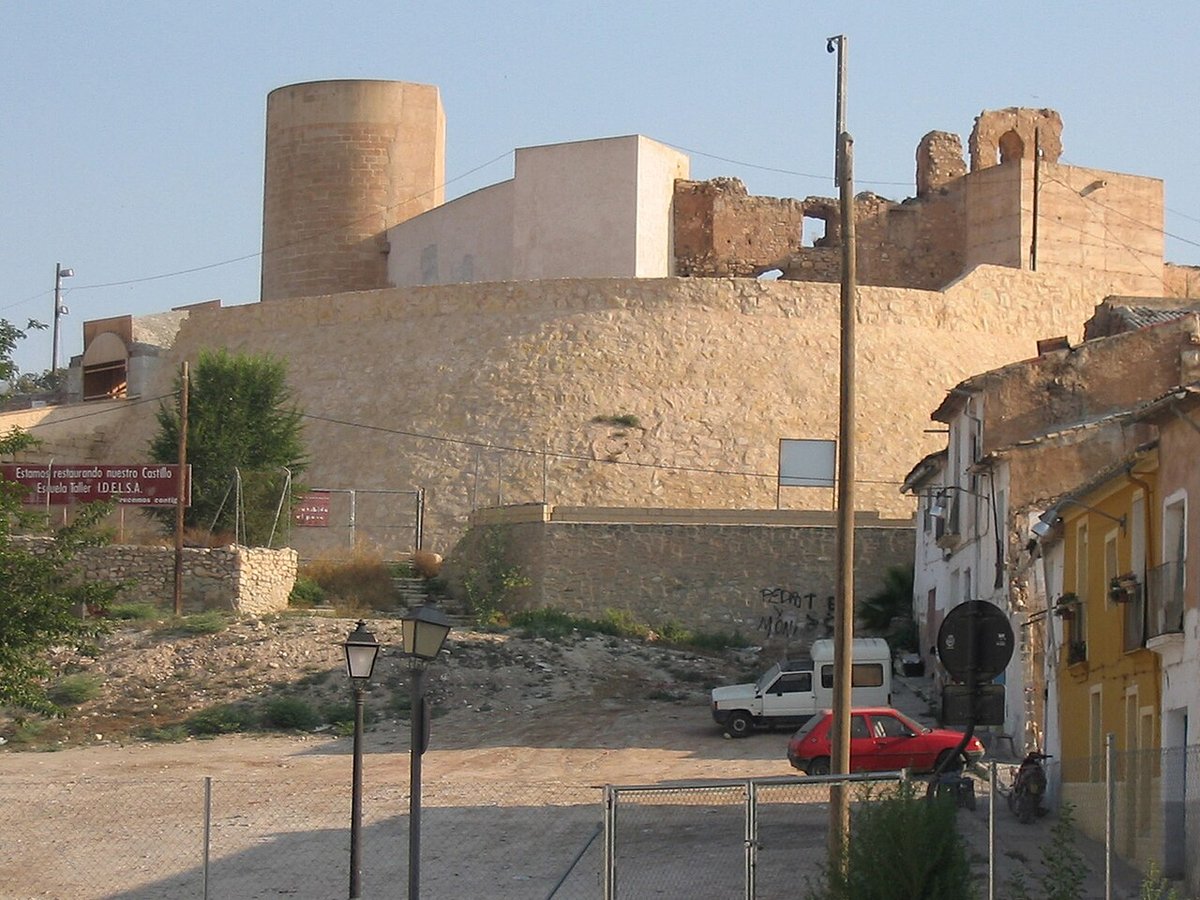
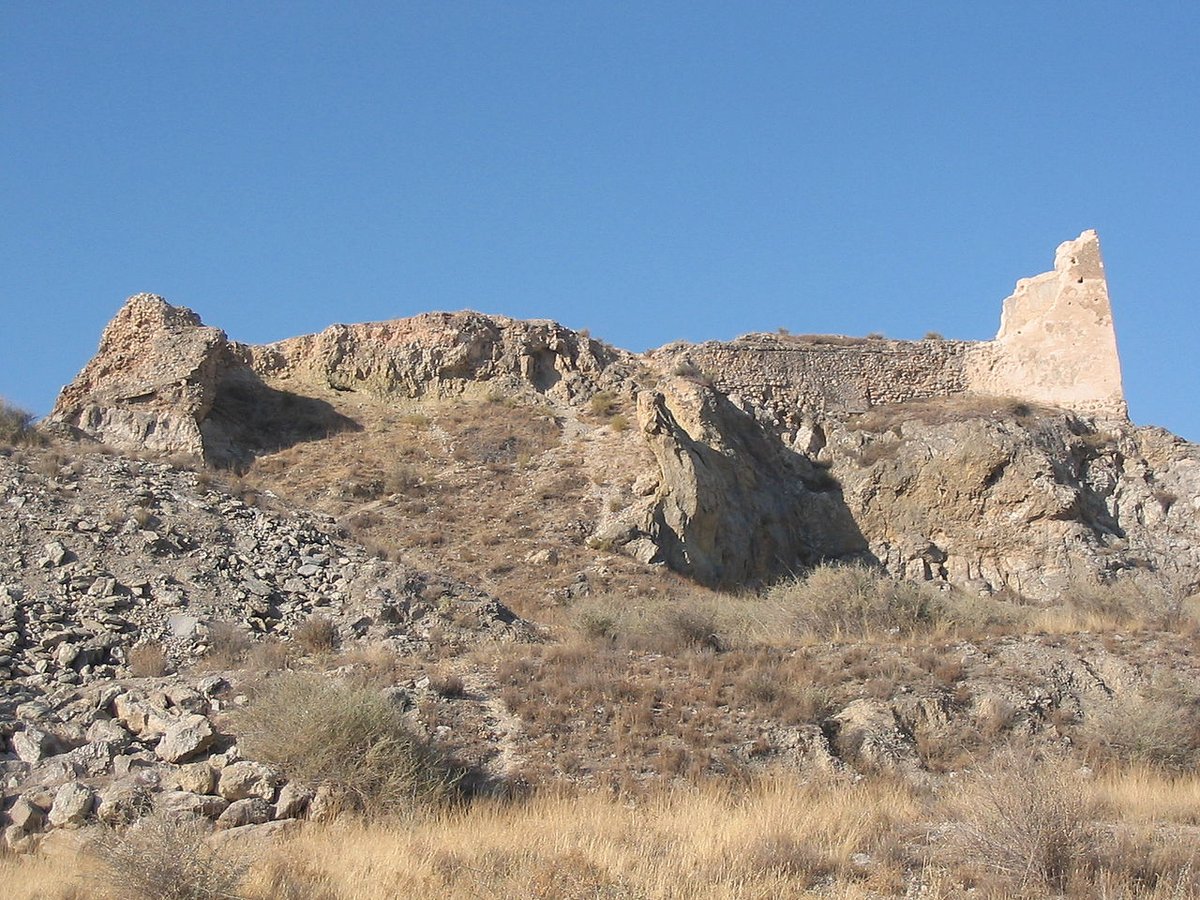
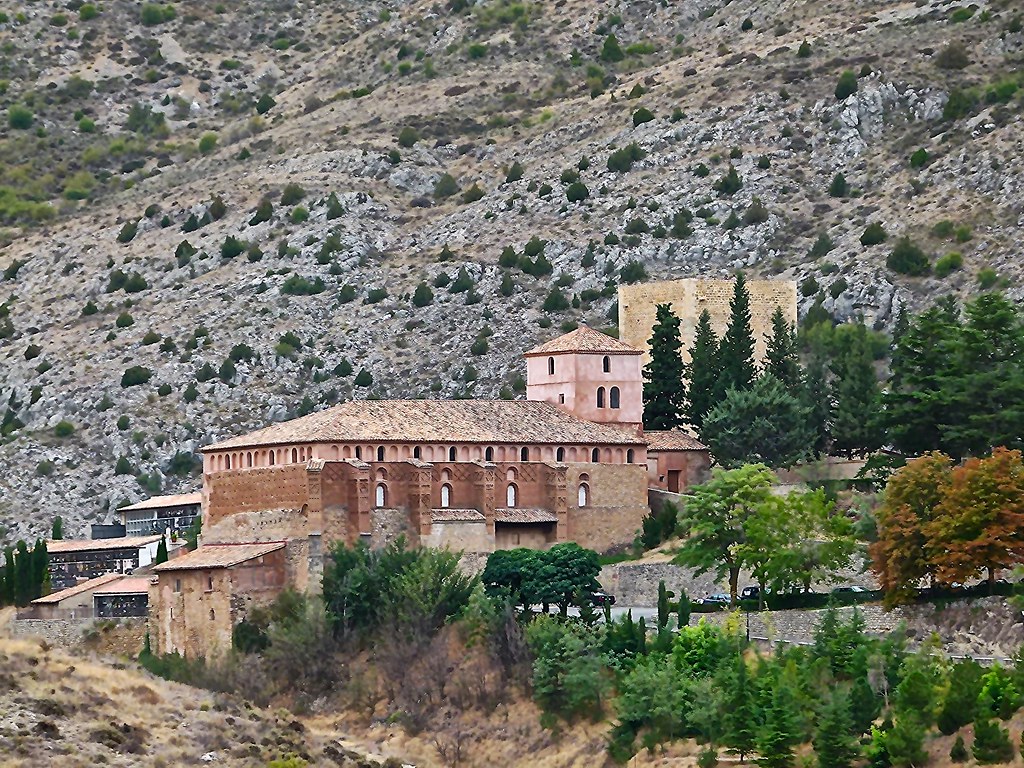
You won't see Castillo del Río looming from the road. It hides on a low hill that looks more like a bump than a fortress. The short walk up is the kind of slight incline that makes you glad you wore trainers. Then, suddenly, the stone ruins are just there.
It's an Islamic-era fort, built to control the Vinalopó Valley. The history is interesting, but the real point is the view. From up there, you see how everything connects: the river cutting through, the geometric patches of farmland, the town itself tucked in. There's no ticket booth or guided path. You just show up, poke around the old walls, and get it. It feels less like visiting a monument and more like stumbling upon a secret lookout post.
Life revolves around the main square
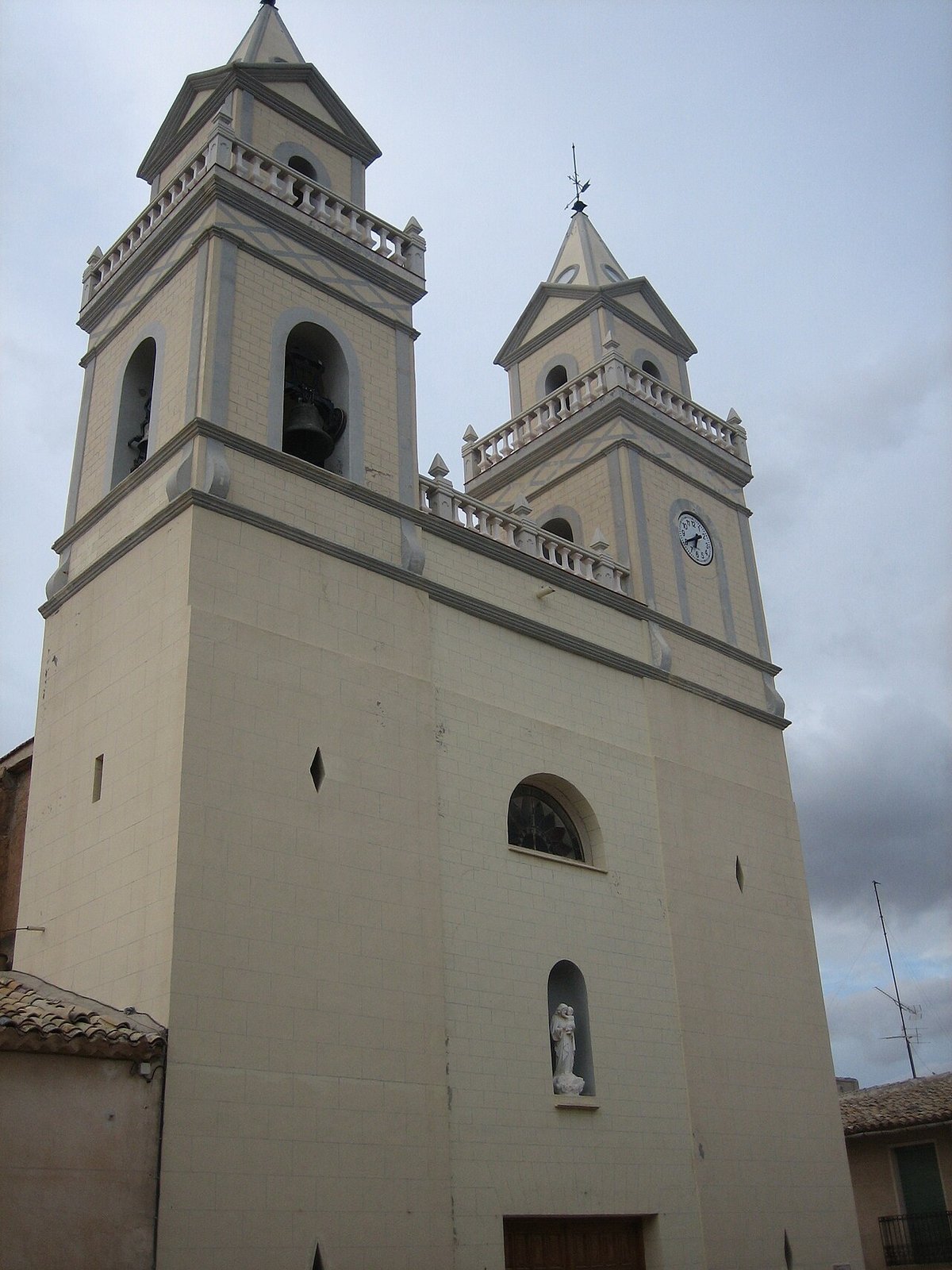
Everything in Aspe seems to drain into Plaza del Ayuntamiento. This is where you understand the town's rhythm. The church bells mark time, old men hold down benches for hours, and conversations spill out of doorways into the afternoon sun.
It has that layered look of a place built slowly over generations. You can easily imagine festivals, markets, and decades of gossip happening right where you're standing. Sit for twenty minutes with a coffee and watch. Kids sprint across as shortcuts, neighbours stop for a chat that holds up foot traffic, and nothing feels rushed. It’s textbook small-town Spain, executed without any pretence.
A modernist building that’s actually used
The Casino Modernista isn't huge, but its curvy balconies and decorative details make it stand out. The best part? It hasn't been turned into a sterile museum piece. It's still a social club.
Pop your head in and you might see a card game in full swing—likely mus, played with serious concentration. It’s one of those places that bridges past and present without making a big deal about it. It feels lived-in, which is always better than just being looked at.
What’s for lunch? Look at the fields.
The food here tells you exactly where you are. This is farm and vineyard country, and the menus reflect that with a no-nonsense attitude.
Take coca de mollitas. It sounds humble: bread topped with crumbs, oil, and garlic. But it’s the kind of thing that arrives at the table and vanishes within minutes.
Then there’s gazpacho aspero. Don't expect cold tomato soup. This is its own thing—a hearty stew with rabbit or chicken and pieces of flatbread simmered in it. It’s filling, rustic food built for people who worked outdoors.
And you'll see cured meats everywhere, from longanizas to morcillas. They come from the local tradition of matanza, which many families still practice. It’s honest eating that doesn't try to be fancy.
Two festivals that change everything
For most of the year, Aspe ticks along quietly. Then come two explosions of noise and colour.
In September, they throw the festivities for Virgen del Socorro. The town centre fills with processions, music stages appear out of nowhere, and there's this buzzy feeling in the air that’s been building all year.
Then in April, it's Moros y Cristianos time. Think elaborate costumes parading down main street, marching bands so loud you feel them in your chest, and enough gunpowder smoke to fog up your glasses. For those days normal life stops completely; it's all about spectacle and tradition.
My advice? Visit outside these times if you want to see daily life—maybe in autumn when summer's heat has broken but things are still active outside.
Getting Aspe right
Aspe won't give you a list of ten must-see attractions to tick off before lunchtime. The point here is slower. It's connecting how those vineyards feed into what's on your plate. It's seeing why they put a castle on that specific hill. It's letting an afternoon dissolve in that main square. This isn't a destination built for tourists; it's a town living its life. If you slow down to its pace, you start to see how all its parts fit together, and that ends up being more interesting than any single landmark could be