Full Article
about El Fondó de les Neus
Wine-growing village in a quiet valley; known for its winery and residential tourism
Hide article Read full article
A village that keeps its own pace
There is a particular moment on a quiet road when traffic fades away and the landscape takes over. Around El Fondó de les Neus, in the Vinalopó Mitjà area, that usually means more almond trees than cars. Then the village appears, carrying on at a rhythm that feels separate from everything else.
El Fondó de les Neus has around 2,700 residents and sits among fields that set the tone of the year more clearly than any calendar. Almond trees bloom towards the end of winter. Vineyards shift in colour as the months pass. Along the agricultural tracks, it is more common to cross paths with a tractor than with visitors.
This is not a place trying to draw attention. If anything, it does the opposite. Yet for anyone drawn to villages where daily life still revolves around the land and conversations happen in the square, there are plenty of reasons to stop for a while.
The name itself, El Fondó de les Neus, is often linked to the winter frosts that once settled in this shallow dip in the terrain. The climate is generally mild, though cold mornings still carry that dry inland air typical of Alicante’s interior. Agriculture remains central: grape harvests, almonds, local markets and long-standing festivities continue much as they have for decades.
Traces of history in everyday streets
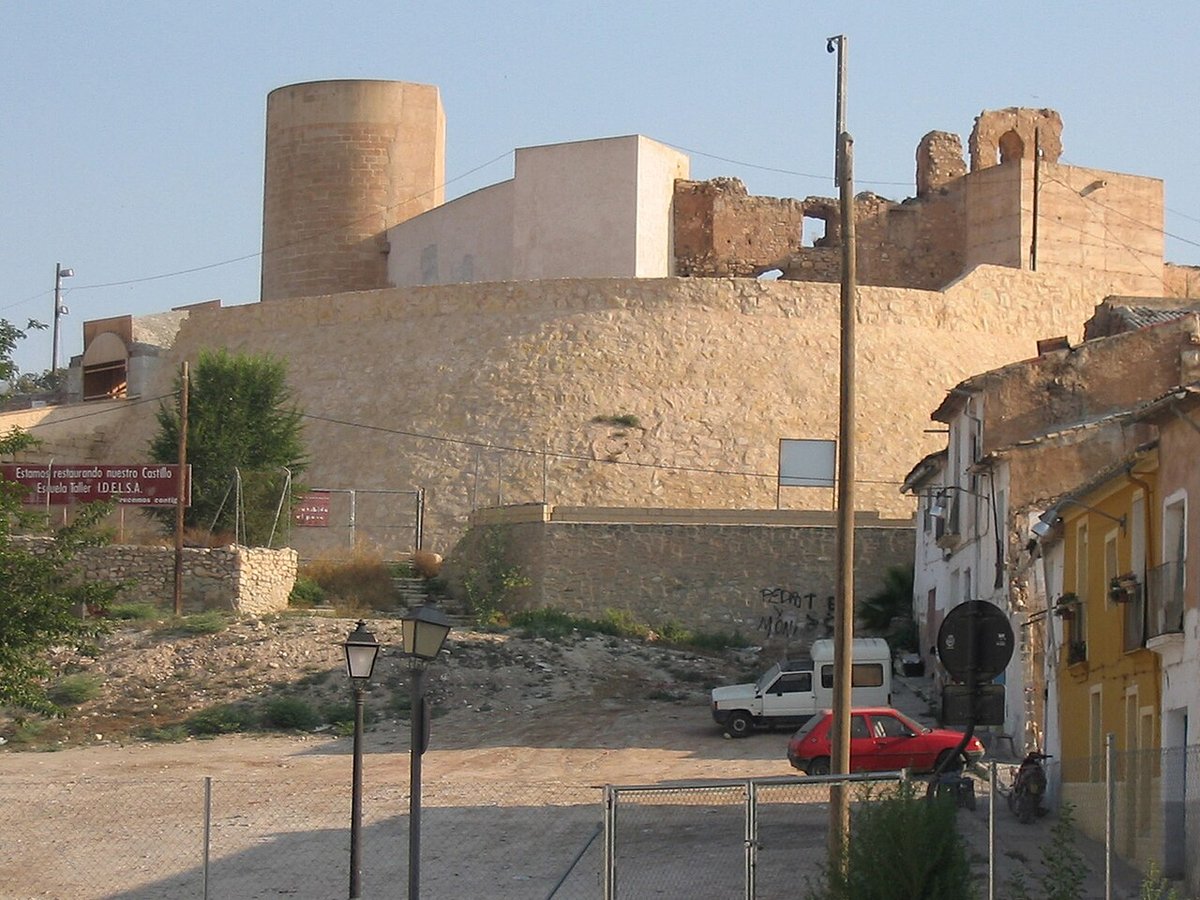
You will not find large monuments or streets lined with explanatory signs here. In El Fondó de les Neus, history appears in a quieter way. It shows up in older houses, in calm squares, and in buildings that have stood longer than anyone can date precisely.
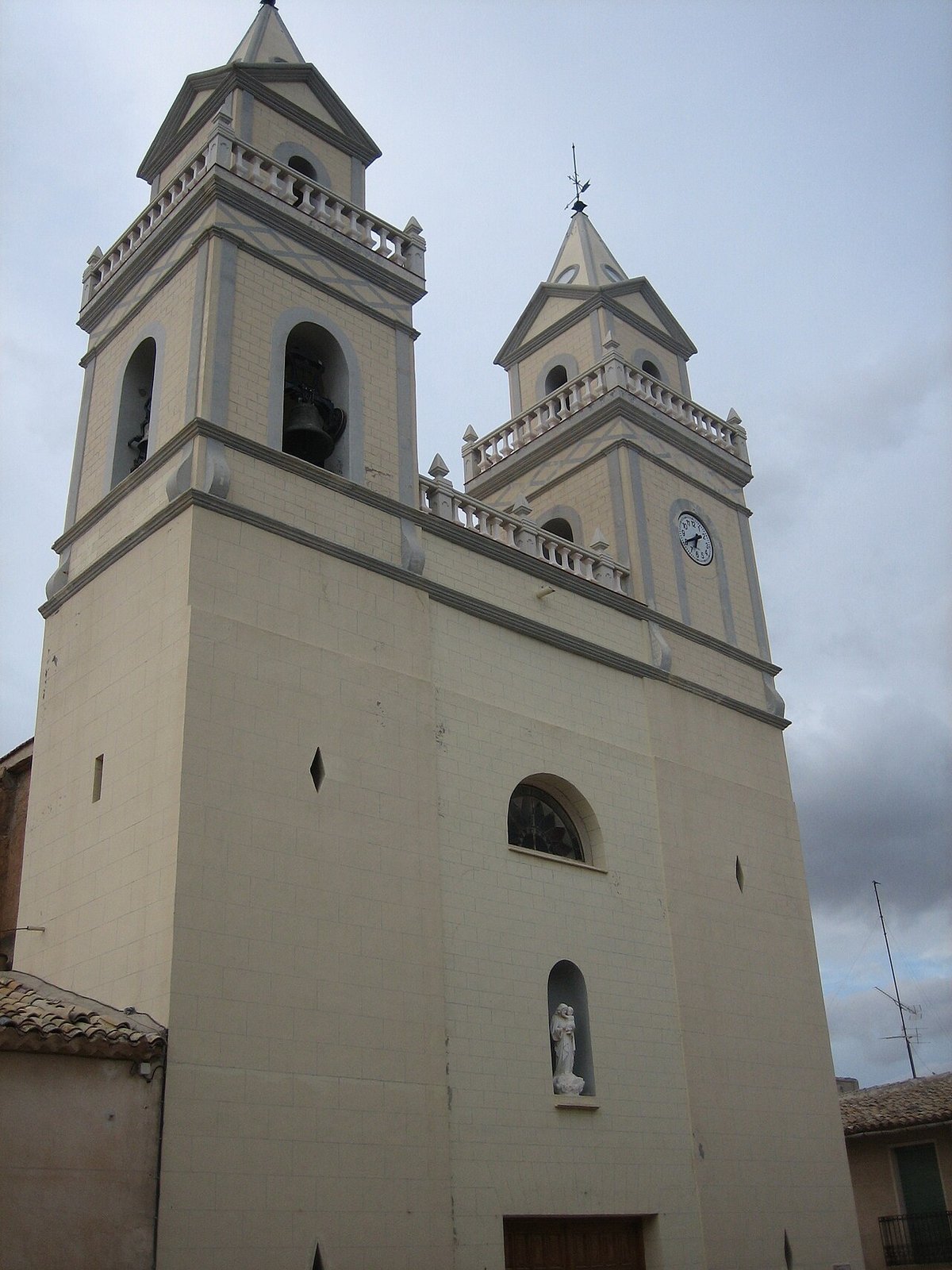
The parish church of San Roque anchors the centre of the village. The current structure is usually placed in the 18th century, and its bell tower can be seen from most nearby streets. Inside, there are Baroque-style altarpieces along with the image of the patron saint, which becomes especially important during local celebrations.
Walking through the older part of town, a few stately houses still stand out. They have wrought-iron balconies and fairly restrained façades. These are not grand palaces, but homes that once belonged to families who did well through agricultural trade in the area.
On the outskirts sits the hermitage of Santa Bárbara. It is small and simple, the kind of place that reflects popular religious traditions in inland towns. Modest in scale, carefully maintained by residents.
Beyond the buildings, the landscape becomes the main focus. Almond trees and vineyards spread out around the village, broken up by cultivated plots and gentle rises in the land. From these small elevations, the wider Vinalopó area opens out towards neighbouring towns.
Walking through fields and seasons
For those who prefer walking without a strict plan, the agricultural paths around El Fondó de les Neus work well. These are not major hiking routes but tracks running between terraces and fields, where the scenery shifts depending on the time of year.
Towards late February, almond trees begin to flower and the fields fill with whites and pale pinks. Summer brings dry tones in the soil and vines heavy with grapes. When harvest time arrives, the focus turns almost entirely to that work.
It is the kind of setting where you start to understand how agriculture shapes daily life in this part of Alicante.
That connection carries into the local food. The cooking reflects a blend of inland Valencian and Manchegan traditions. Dishes such as arroz con conejo y judías, gazpachos manchegos, and sweet gachas made with cenceña flour are typical. These are substantial recipes, rooted in the needs of people working outdoors rather than in refined dining.
Wine also plays a role in the area. The Monastrell grape appears frequently, producing wines with the strong character often associated with the south-east of Spain.
In the village, a weekly market usually takes place. Seasonal vegetables, locally grown fruit, and everyday exchanges between neighbours fill the space. Listening can be just as interesting as buying.
Festivities that follow the same rhythm
The annual calendar in El Fondó de les Neus is marked by celebrations that return each year with little change.
August brings the patron saint festivities dedicated to San Roque. During those days, the pace of the village shifts. There are processions, music in the streets, and long gatherings that stretch into the evening.
Holy Week also holds a place in local life. It is not a large-scale event, but the brotherhoods maintain the processions with a steady, familiar rhythm.
In January, the festival of San Antonio Abad takes place, a scene repeated across many Valencian towns. Animals are brought to the square for blessing, reflecting traditions that remain closely tied to rural life.
Harvest season, usually between late summer and early autumn, sometimes includes small activities linked to wine and the grape harvest. These are not major festivals, more like simple gatherings that reflect how closely the vine is woven into everyday life.
Reaching El Fondó de les Neus
El Fondó de les Neus lies inland in the province of Alicante, within the Vinalopó Mitjà comarca. From the city of Alicante, the journey by car takes a little under an hour, typically following the A-31 motorway and connecting roads into the interior.
The approach itself already hints at what defines the area: open land, cultivated fields, and a landscape that moves at its own steady pace.