Full Article
about El Pinós
Land of wine, marble and cuisine; known for its cured meats and rice dishes.
Hide article Read full article
Getting there and finding a space
El Pinós is not a place you pass through. You come because you mean to. The CV‑94 cuts through vineyards and scrubland and drops you into town almost without warning. The coast is some distance away. Alicante sits roughly three quarters of an hour by car, and Murcia is about the same. Public transport is limited, so most visitors arrive by road.
The main approach runs past the industrial estate. From there the town opens up quickly. It is usually easiest to leave the car on the wider streets around the centre and continue on foot. Inside, streets narrow and several areas are pedestrianised, so driving brings little advantage.
Parking is generally straightforward outside the core. In summer it becomes tighter as people return to see family, and spaces fill up. During fiestas or the grape harvest, traffic slows. Tractors share the road and patience helps.
Around the centre
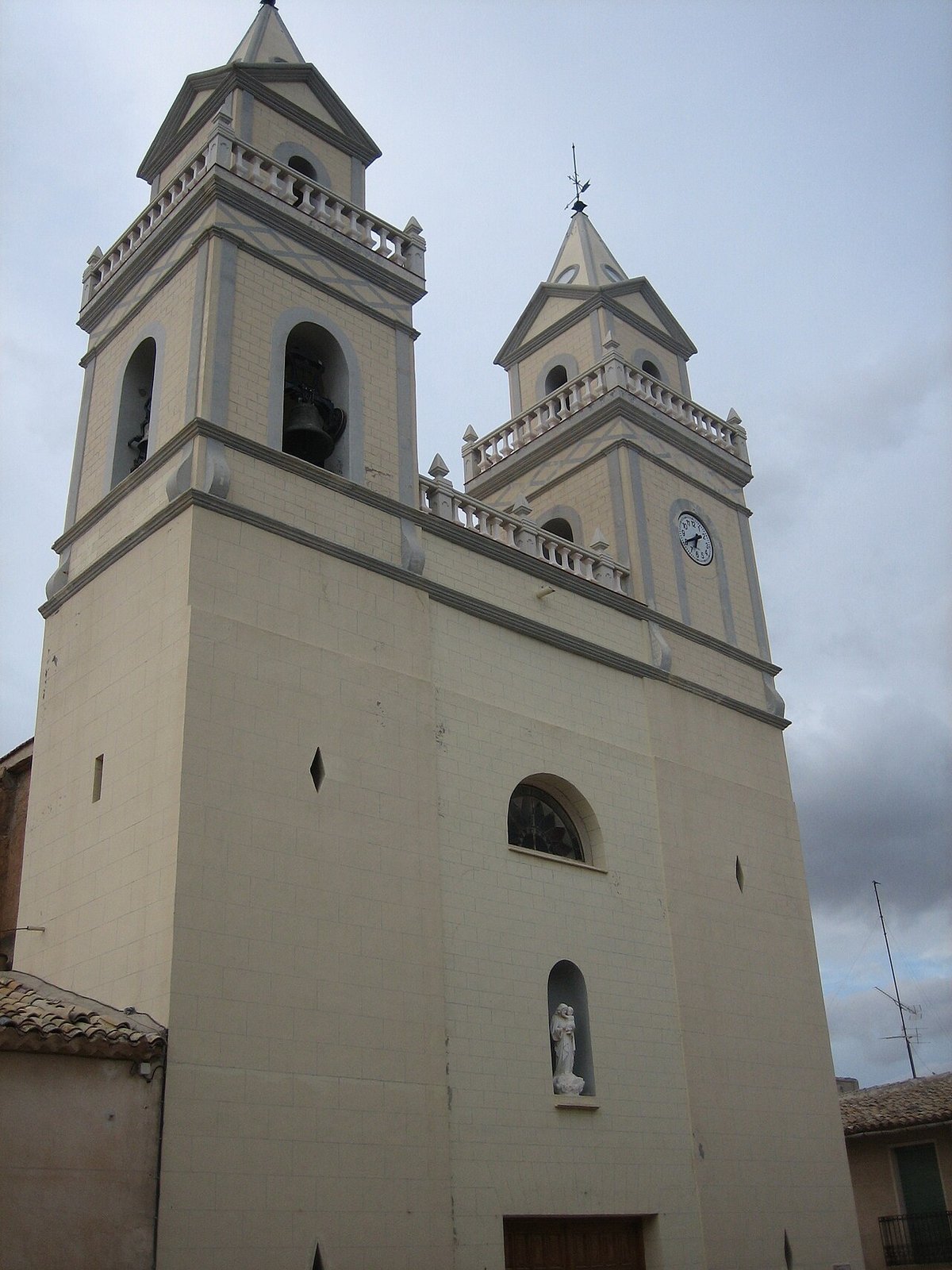
The Torre del Reloj sets the tone in the Plaza Mayor. It is not large, yet it is visible from most streets in the old quarter. The clock still works with a traditional mechanism and continues to mark the rhythm of daily life.
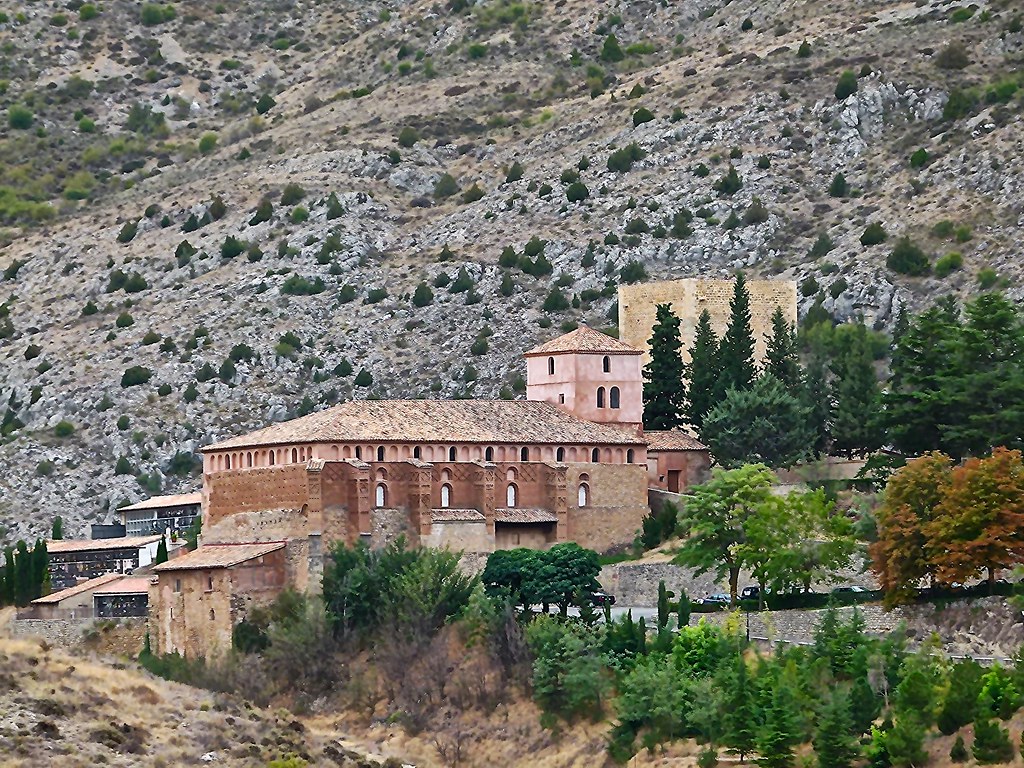
A short walk away stands the ermita de Santa Catalina. Its façade is simple, built in pale stone, with a restrained Baroque doorway. It is often closed unless there is a service or a local celebration.
Beyond these landmarks, the centre is exactly what it appears to be. Low houses line the streets, shutters sit half down, and neighbours know each other. You can cover the area quickly. In less than an hour, the essentials are seen and understood.
Marble and the landscape beyond
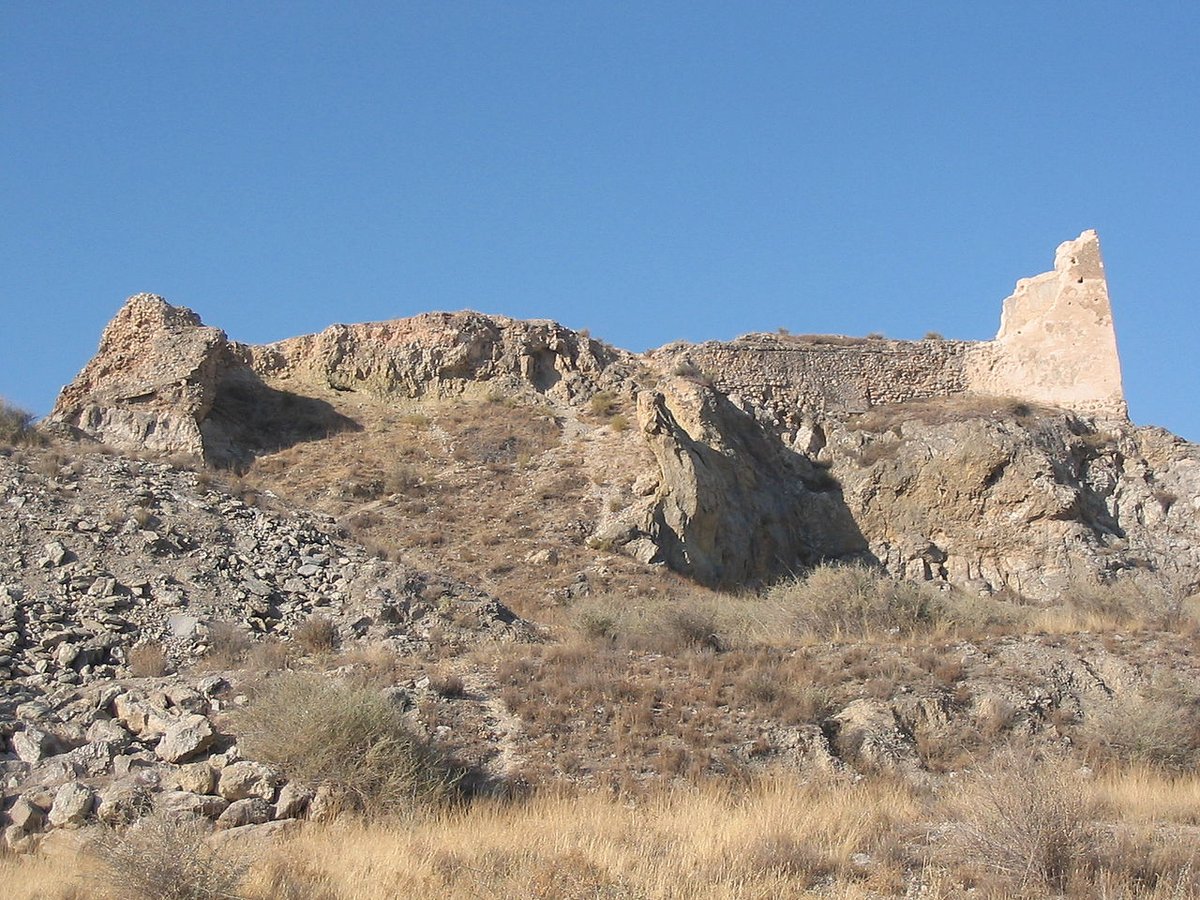
Marble shapes this place. Monte Coto lies a few kilometres away, and its presence is clear. Lorries move in and out, white dust gathers along the verges, and vast cuts mark the mountainside.
There is a route through the quarry area. It runs for several kilometres past active extraction fronts. The landscape feels stark. Rock dominates and shade is scarce. Anyone walking here should carry water and a hat, especially in summer when the heat bears down.
This is not a conventional scenic stroll. It does, however, explain what sustains the town. The scale of the workings and the marks left on the terrain make that clear without much commentary.
Food and drink in El Pinós
Local cooking is direct and substantial. Gazpacho pinosero has nothing to do with the cold Andalusian soup of the same name. Here it arrives as a hot dish with meat, broth and pieces of flatbread. It is filling and straightforward.
Migas ruleras appear often, as does puchero with wheat and robust sausages. These are rural recipes, generous in portion and light on ornament.
Wine follows the same line. The monastrell grape dominates the area. Reds come out firm and noticeable, the kind that leave a clear impression.
When to go
February often brings the almond blossom. Fields change for a short spell, though the cold still lingers.
May is marked by the romería of San Isidro. Many people head into the countryside to spend the day. August is the noisiest period due to the fiestas, with plenty of movement and considerable heat.
September coincides with the grape harvest. Tractors return to the roads and the smell of grapes hangs in the air. January is quiet. Very quiet, if you are looking for atmosphere.
A simple approach works best. Winter or early spring suits a visit. Take time to walk the centre without rushing, sit down for something substantial, and head out to the quarries if the landscape interests you. By mid afternoon the town winds down. The siesta still holds here, and once the sun drops, everything moves at a slower pace.