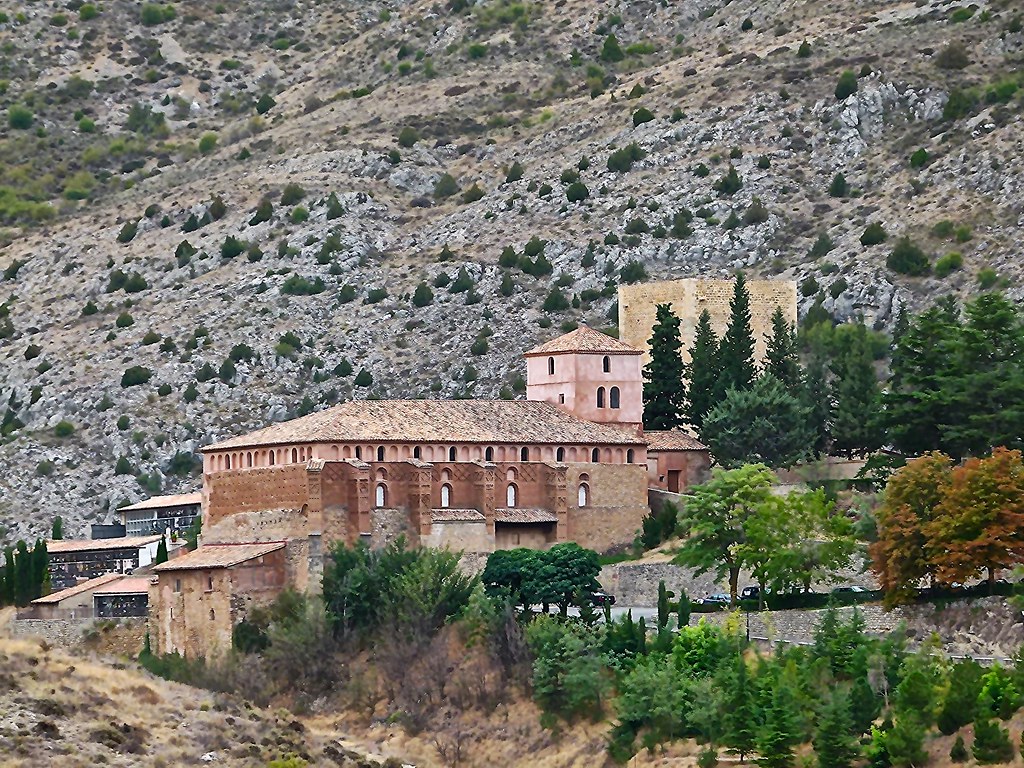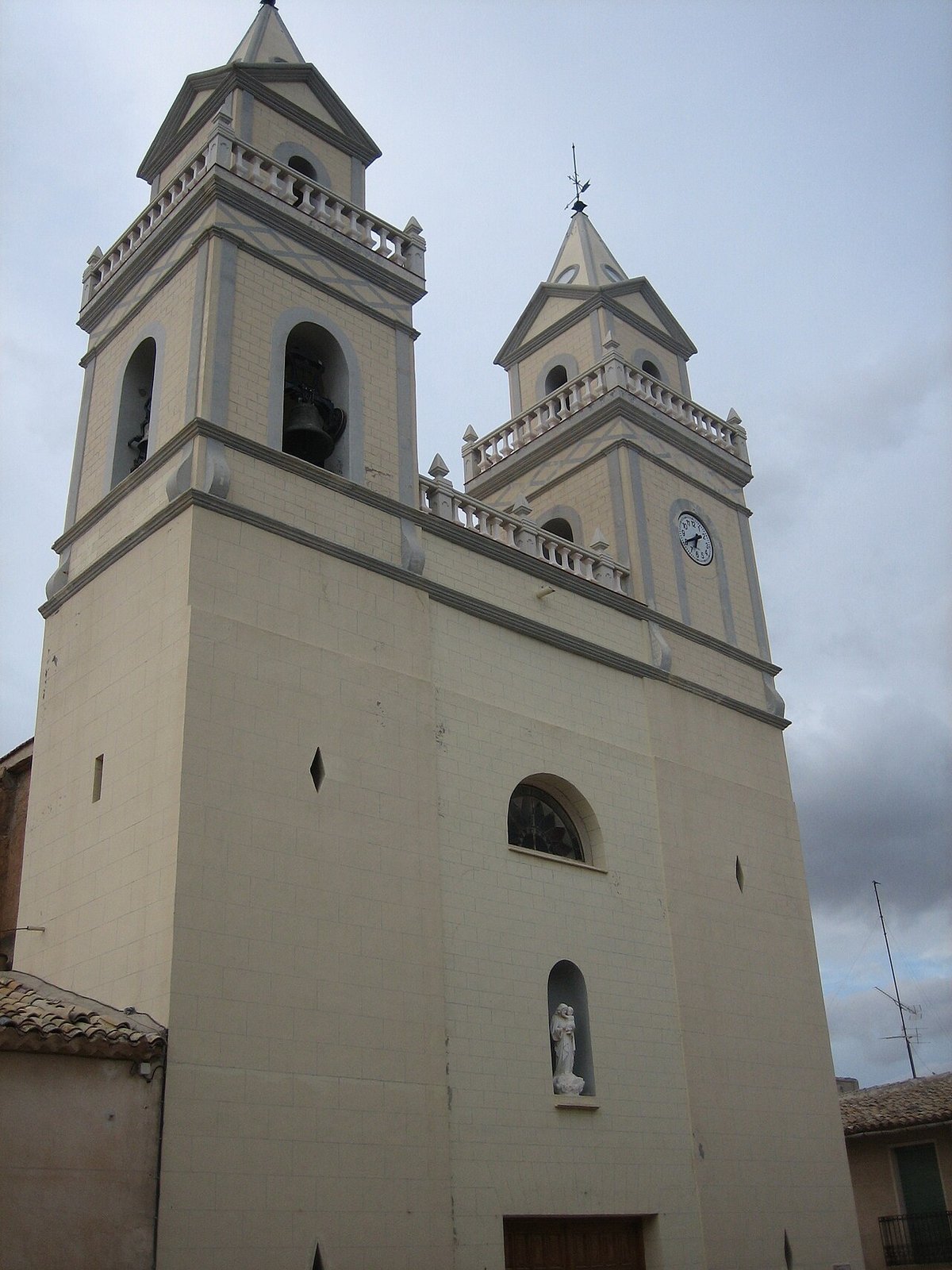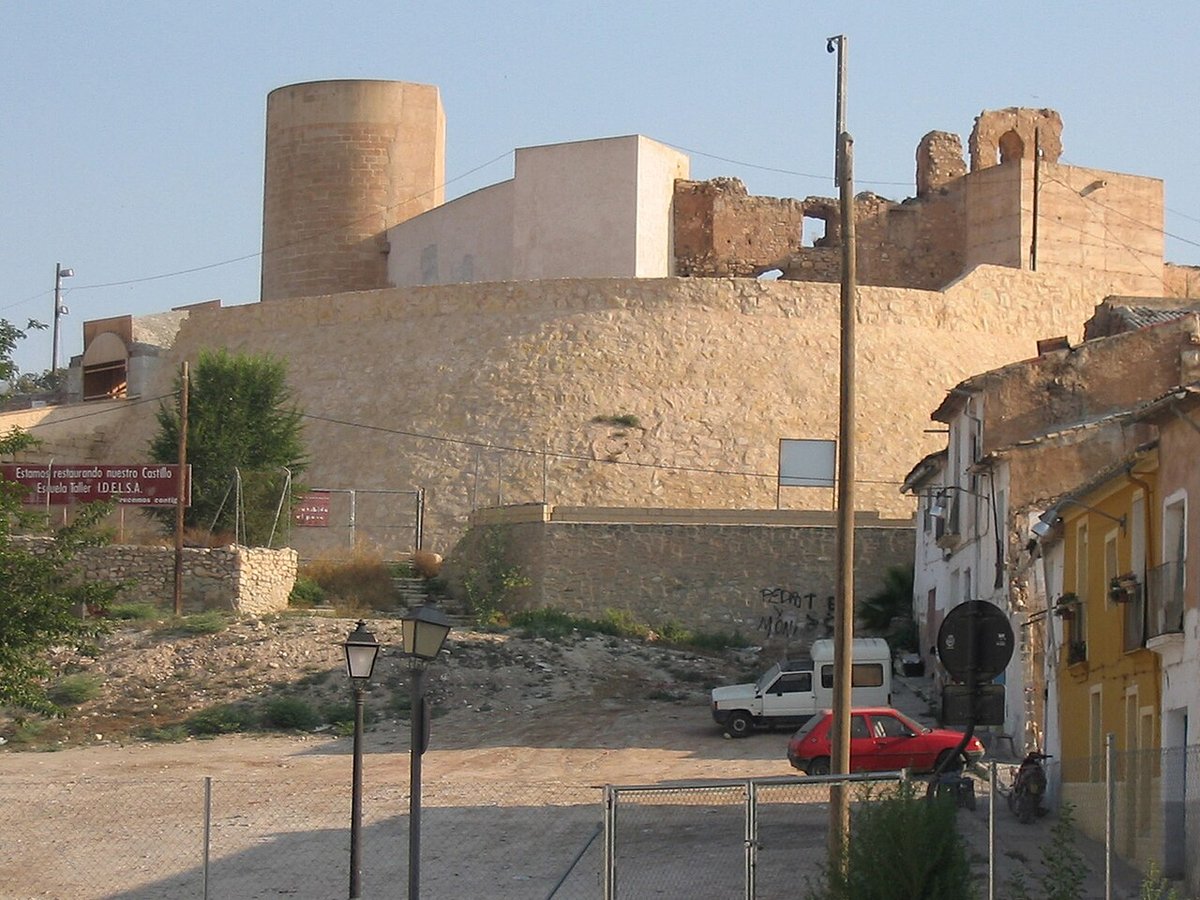
CastilloElda restauracion.jpg
José Manuel Pérez · Public domain
Comunidad Valenciana · Mediterranean Light

Elda

The first thing you notice is the whiff of solvent drifting across the ring-road. It isn’t pollution—just the scent of €150 Italian loafers being s...

55,222 inhabitants · INE 2025
395m Altitude

Why Visit

Shoe Museum Shoe Route (shopping)

Best Time to Visit

year-round

Moors and Christians (June) junio

Things to See & Do
in Elda

Heritage

  • Shoe Museum
  • Elda Castle
  • El Monastil Archaeological Site

Activities

  • Shoe Route (shopping)
  • Museum visits
  • Hiking in Bolón

Festivals
& & Traditions

Fecha junio

Moros y Cristianos (junio), Fiestas Mayores (septiembre)

Las fiestas locales son el momento perfecto para vivir la autenticidad de Elda.

Full Article
about Elda

Shoemaking capital; industrial city with a major museum and lively Moros y Cristianos fiestas

Ocultar artículo Leer artículo completo

A Town That Smells of Glue and Leather

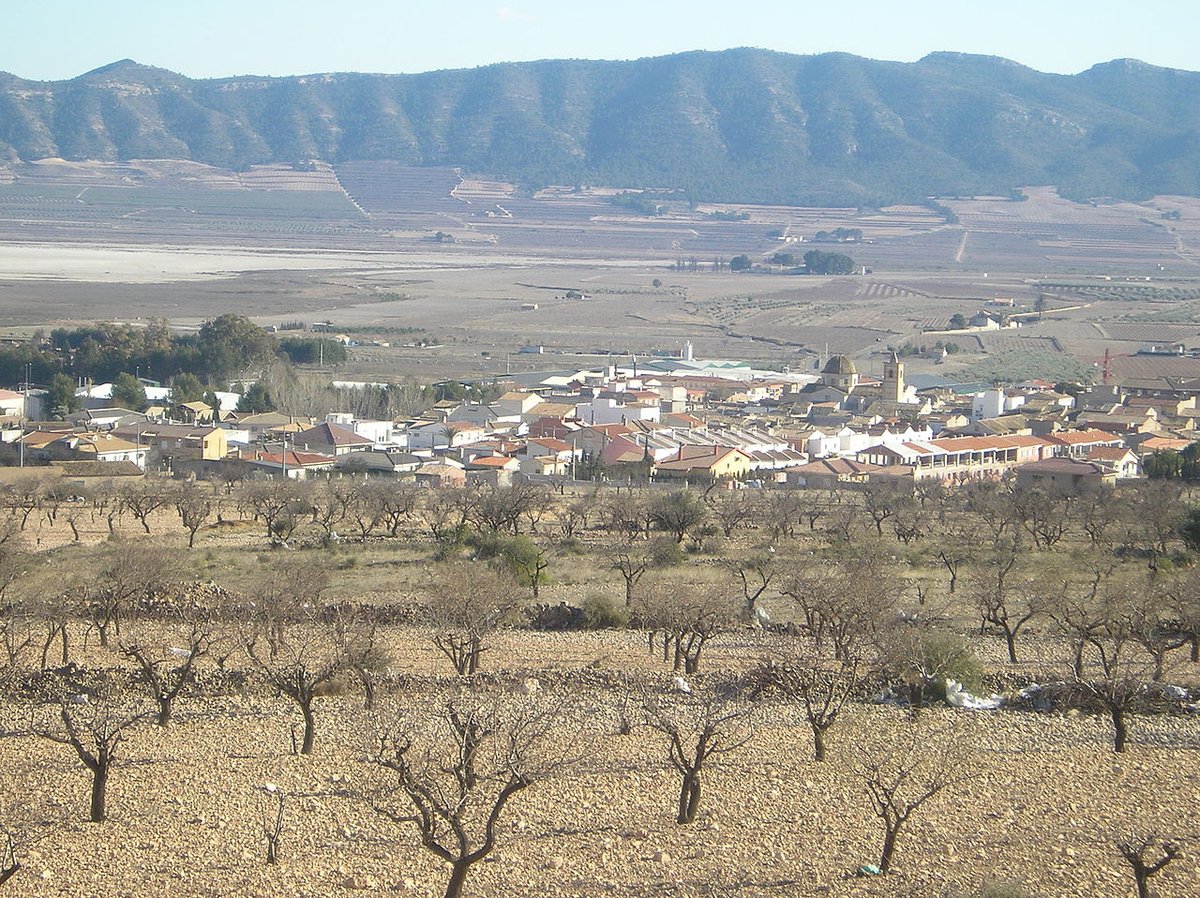
The first thing you notice is the whiff of solvent drifting across the ring-road. It isn’t pollution—just the scent of €150 Italian loafers being stitched somewhere behind the beige industrial estate. Elda makes one in every four pairs of shoes that Spain exports, and the factories back right onto the old quarter. One minute you’re passing a Ryanair-bound courier lorry stacked with shoeboxes, the next you’re climbing a Moorish zig-zag path to a castle that once monitored the same valley for raiders from Granada. The contrast is deliberate: the council has kept production inside the city limits rather than pushing it to an out-of-town polígono, so history and industry share a car park.

British drivers usually arrive after lunch, when the A-31 is quiet and the temperature in the Vall del Vinalopó is doing its best imitation of a fan oven. Leave the motorway at junction 73; sat-nav will try to send you through a single-lane tunnel built for mules. Ignore it, stay on the boulevard, and aim for the signposted Hotel Europe—the only place with underground spaces high enough for a UK-spec roof box.

Castle, Church, Theatre—Then the Real Star

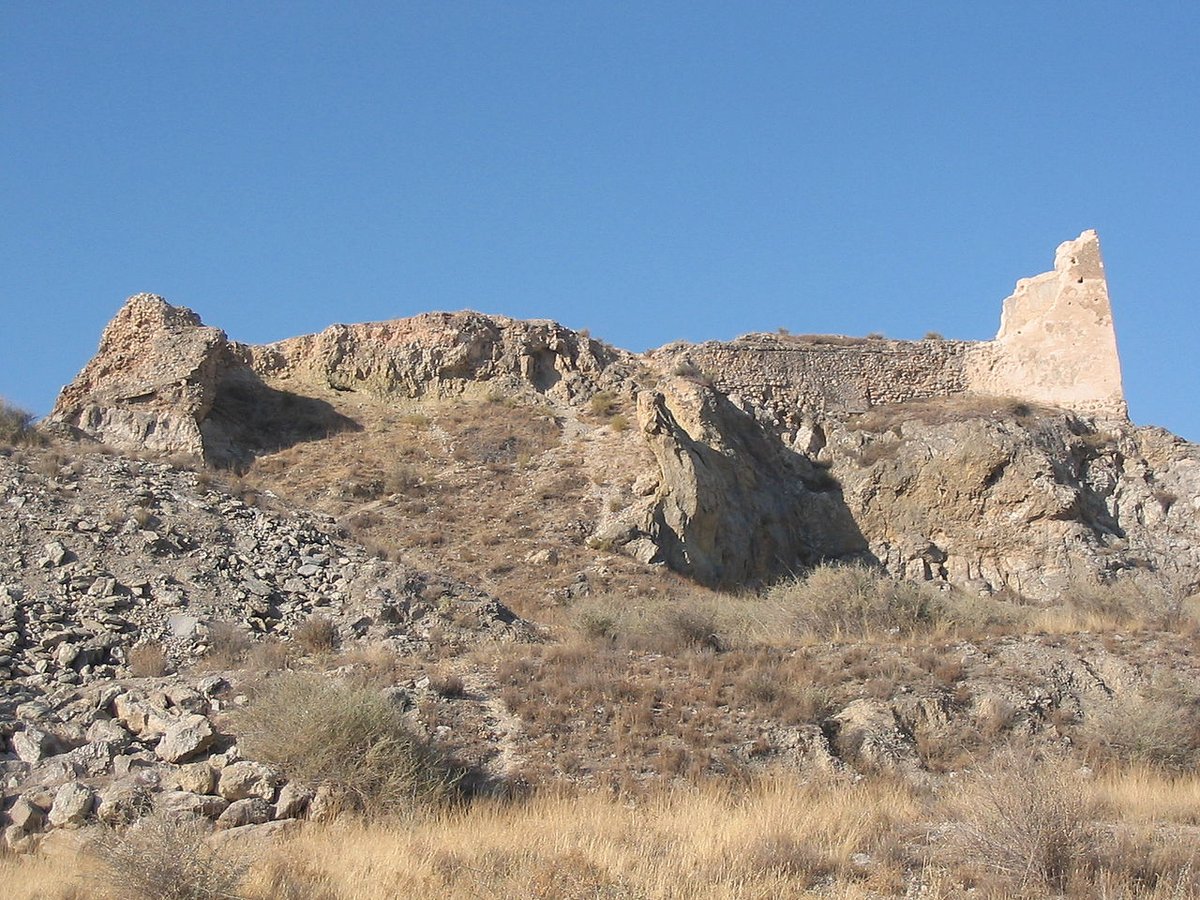
The Castell d’Elda sits 140 m above the traffic lights. The climb takes fifteen minutes if you’re fit, twenty-five if you’re pushing a buggy, and the council still hasn’t installed handrails, so wear trainers, not the espadrilles you just bought. From the top you can see Petrer’s castle too—two fortresses shouting distance apart, reminding you this was a frontier before Spain existed. Inside, a small interpretation centre explains the 1240 surrender terms in Valencian and slightly apologetic English. Entry is free; opening hours shrink without warning if the attendant is needed at the secondary-school gates.

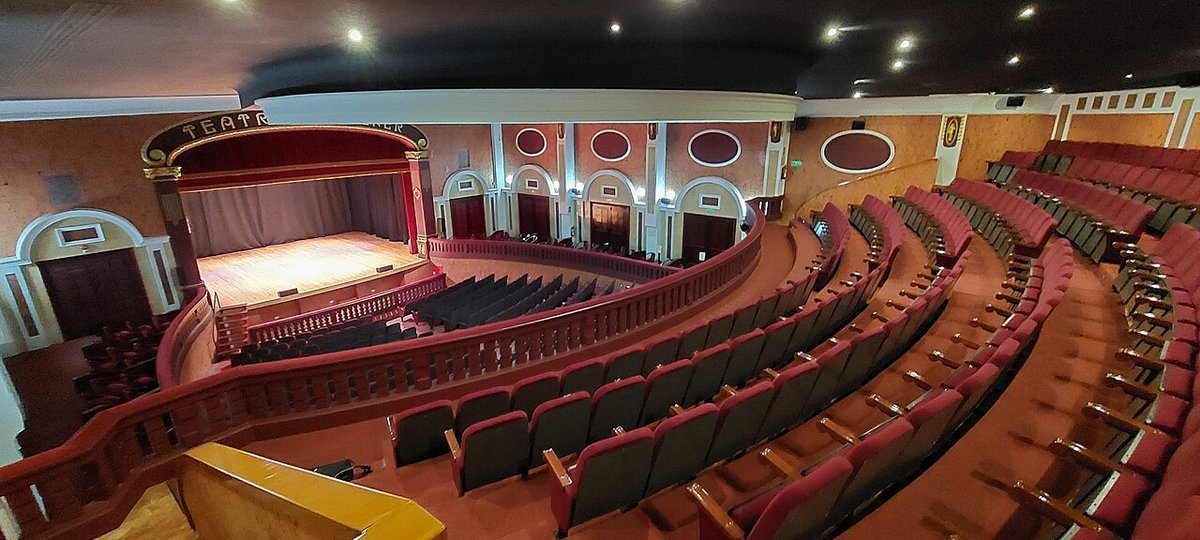
Back in the centre, the Teatre Castelar (1915) is the only modernista building that isn’t hidden behind awnings advertising mobile-phone tariffs. The façade is pink, frilly and entirely out of place among the concrete banks, which is why locals use it as a meeting point—“under the theatre cherubs” makes more sense than any street name. Performances are mostly in Spanish or Valencian; occasional flamenco troupes tour through, and tickets cost about €18—book online because the box office still works cash-only.

Opposite, the Església de Santa Anna squats on the foundations of the mosque that stood here until Jaume I’s troops rode in. The baroque retable glitters, but the real reason to step inside is to cool down; stone walls two metres thick keep the nave at a steady 21 °C even when August is hitting 40 °C outside. The priest keeps the doors locked between services to stop pensioners using it as a shortcut; ring the side-bell and someone will let you in within five minutes.

None of these sights takes longer than half an hour, which is why the Museu del Calzado fills the gap. Housed in the old slaughterhouse—easy symbolism—the museum tracks Elda’s leap from cottage soles to red-carpet stilettos. You’ll see a 1930 Singer sewing machine painted British racing-green, a pair of thigh-high boots made for a 1970s sci-fi film, and a video of a Goodyear-welt line that could double for a Northampton factory—except everyone speaks Spanish. British visitors emerge muttering “better than expected,” a phrase repeated so often in TripAdvisor that the ticket desk has turned it into a fridge magnet. Admission €3; closed Mondays and whenever the curator judges the humidity too high.

Rice, Rabbit and the Sunday Shutdown

By 14:00 the town empties. Even the kebab shop pulls down its shutter; the only movement is the bread van doing door-to-door rounds like a 1950s milk float. Plan lunch before then, or you’ll be surviving on crisps from the hotel vending machine. Casa Rufino keeps the kitchen open until 16:00 and has English menus that don’t read like Google Translate gone rogue. Their arroz al horno arrives in an enamel dish, crust crackling like a good Lancashire potato pie. If the kids revolt at rabbit, staff will swap in chicken—no eyebrows raised.

For lighter grazing, the Mercat d’Abastos (weekday mornings) sells sweet-potato pasties called pastissets. Brits compare them to Eccles cakes, though the shape is more Cornish pasty and the filling has saffron. Eat them on the theatre steps with a flat white from Café Teatro; they’re used to tourists clutching shoe-shop bags and will provide a paper carrier that doesn’t leak icing sugar onto rental-car upholstery.

Evening options are limited. Elda’s idea of nightlife is beer served in small glasses until 23:30, then a taxi home before the drums start. Those drums herald September’s Moros i Cristians festival—five days of marching bands, mock sieges and gunpowder salutes that rattle double-glazing until 04:00. Book accommodation on the west side of town and request a room “sin vistas de la plaza” unless you enjoy feeling the bass in your ribcage.

Boots on the Ground, Boots on the Hills

If you need to walk off the rice, two trails leave from the castle slope. The Sender del Castell is a 2 km loop with just enough gradient to raise a sweat; do it at sunset and you’ll meet locals power-walking while discussing wholesale leather prices. Serious hikers can drive twenty minutes to the Maigmó access gate—follow signs to CV-841, leave the car at the recreational area, and climb through pine and rosemary to the 1,296 m summit. Winter mornings can be crisp enough for a fleece; in July the same path feels like a treadmill set to “inferno,” so start early and carry two litres of water. The reward is a 360-degree view that reaches Alicante’s skyline on clear days, plus the smug knowledge that you’re higher than Ben Nevis’s half-way lochan.

Getting Out Alive

Elda sits 35 km inland from Alicante–Elche airport. A hire car remains the easiest escape: return the vehicle at the terminal, not the city office, or you’ll pay a €40 one-way surcharge. Trains run roughly every two hours from Elda-Petrer station (shared with the neighbouring town; allow time to find the platform). The ride to Alicante takes 50 minutes and costs €5.35—half the price of the airport bus, but check the timetable or you’ll cool your heels for 90 minutes in a waiting room that smells, appropriately, of new shoes.

Leave on a weekday if possible. Sunday silence is total, and the only open establishment is the 24-hour garage on the ring-road, staffed by someone who understands “coffee” but not “oat milk.” Still, that silence can be welcome after the coastal racket of Benidorm. Elda doesn’t do souvenir tat; it does factories that keep the lights on, castles that keep watch, and rice dishes that keep you full until the motorway whisks you back to the sea.

Key Facts

Region
Comunidad Valenciana
District
Vinalopó Mitjà
INE Code
03066
Coast
No
Mountain
No
Season
year-round

Livability & Services

Key data for living or remote work

2024
ConnectivityFiber + 5G
TransportTrain station
HealthcareHospital
EducationHigh school & elementary
Housing~6€/m² rent · Affordable
CoastBeach nearby
Sources: INE, CNMC, Ministry of Health, AEMET

Official Data

Institutional records and open data (when available).

  • Torreta de Elda
    bic Monumento ~2.3 km
  • Torreta de Elda
    bic Monumento ~2.3 km
  • Castillo
    bic Monumento ~0.4 km
  • Escudo de Elda
    bic Monumento ~0.5 km
  • Acueducto de San Rafael
    bic Monumento ~1.3 km

Planning Your Visit?

Discover more villages in the Vinalopó Mitjà.

View full region →

More villages in Vinalopó Mitjà

Traveler Reviews