Full Article
about Hondón de los Frailes
Agricultural town in a valley ringed by mountains; popular with European residents.
Hide article Read full article
Hondón de los Frailes: cuando el viaje es la pausa
Hay un momento en la carretera CV-84, entre Pinoso y La Romana, en el que el paisaje se abre. Dejas atrás las últimas naves industriales y de repente solo hay viñas, almendros y un silencio que casi se puede tocar. Es ahí donde aparece Hondón de los Frailes, como una parada natural en medio del Vinalopó Mitjà. No es un destino, es más bien ese sitio donde apetece bajar la ventanilla y respirar.
La gente no viene aquí a ver una lista de monumentos. Viene porque necesita un respiro del ruido blanco de la costa. Con poco más de mil trescientos habitantes, este pueblo te recibe con la misma naturalidad con la que vive: sin aspavientos.
Un pueblo que huele a tierra mojada y almendro
El núcleo urbano es pequeño. Lo recorres en quince minutos si no te entretienes, pero la gracia está en entretenerte. Las calles son anchas, pensadas para el sol y el paso tranquilo. Verás fachadas encaladas junto a otras que conservan la piedra original, portones grandes que dan a patios interiores donde se oye una radio a media tarde.
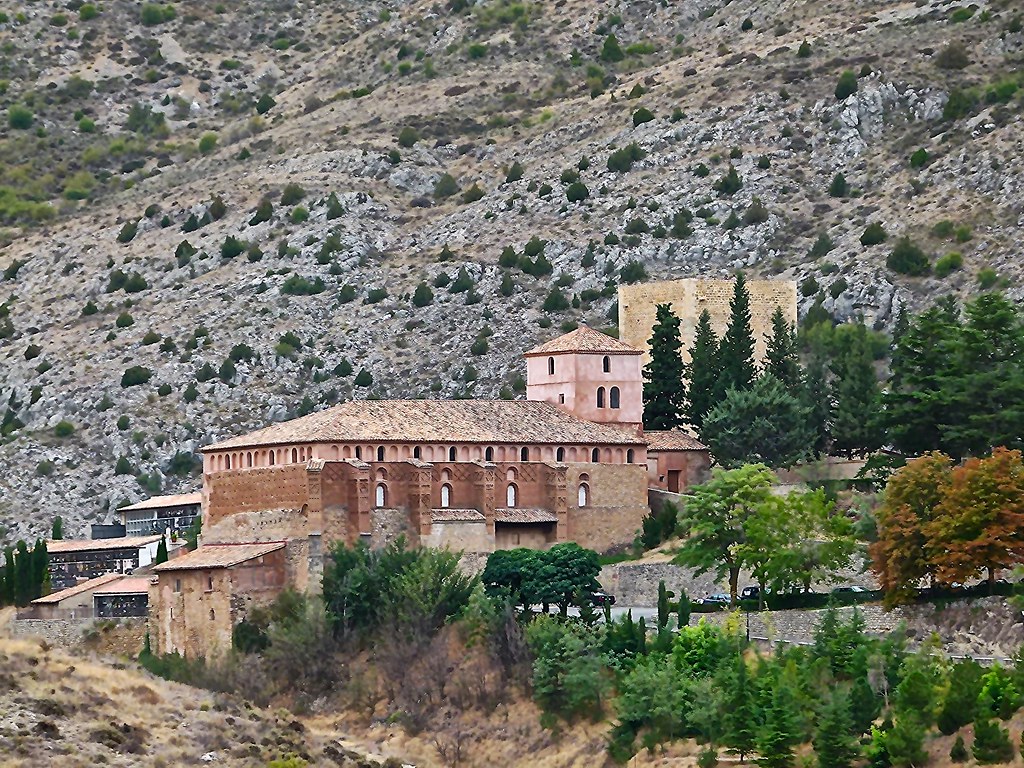
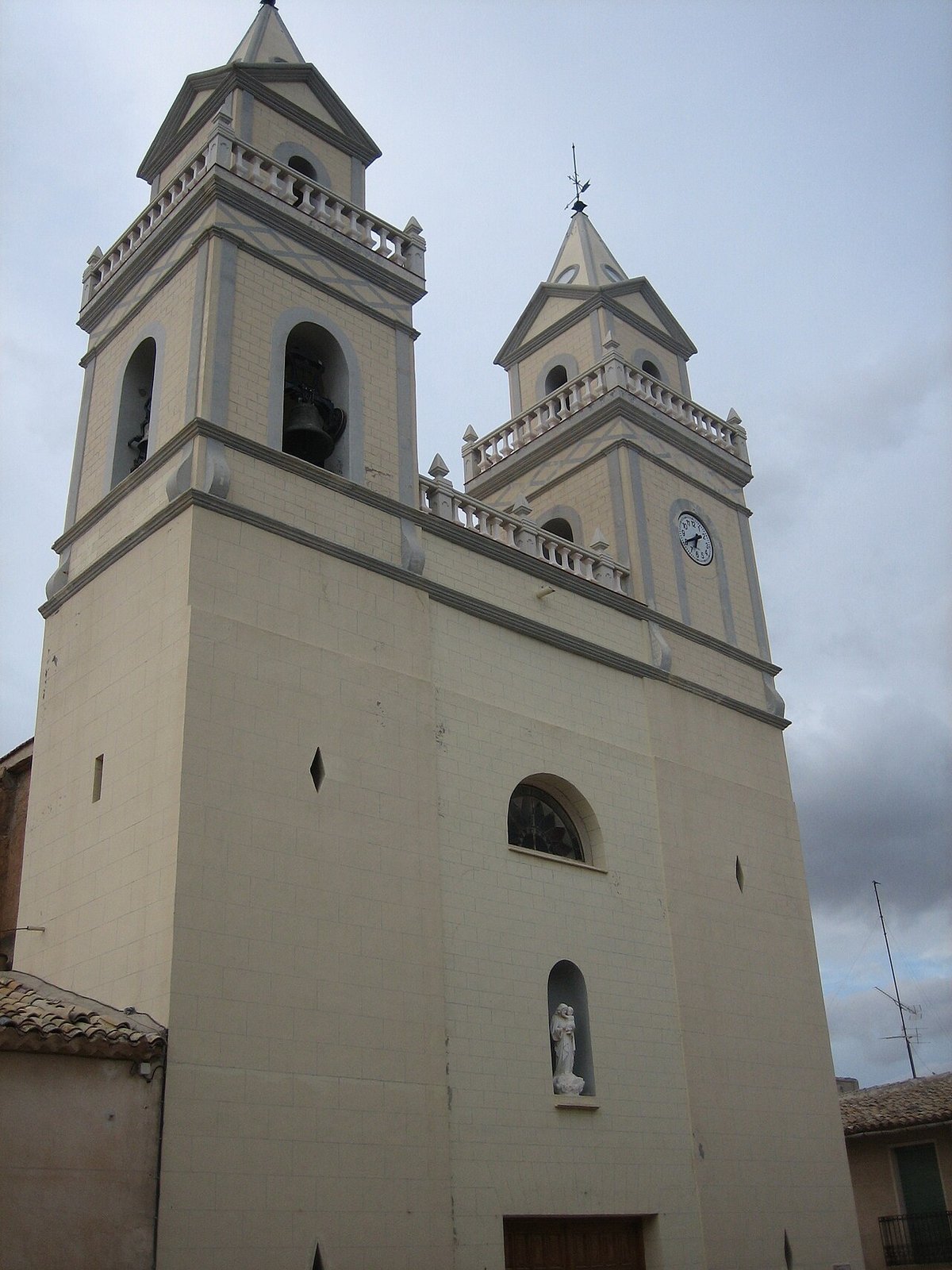
La iglesia de la Inmaculada Concepción preside una plaza que funciona como el salón del pueblo. A ciertas horas está vacía; a otras, hay dos o tres personas charlando junto al banco. No es un decorado, es el lugar donde se cruzan las vidas del día a día.
El valle es el protagonista
Lo entenderás cuando salgas andando cinco minutos desde cualquier calle lateral: Hondón no existe sin su valle. Las terrazas de cultivo suben por las lomas como un mosaico verde y ocre. En febrero, el almendro en flor lo tiñe todo de blanco y rosa, un espectáculo que no anuncia ningún cartel pero que atrae a medio Alicante interior.
Por aquí se camina por pistas agrícolas de tierra compactada. Son rutas sin señalizar, pero imposible perderse: siempre ves el pueblo al fondo. A veces pasa un tractor, otras veces solo escuchas el viento entre los olivos. Es ese tipo de paseo que despeja la cabeza sin necesidad de mapas ni apps.
Comer lo que hay
La cocina aquí no tiene truco: es lo que da la tierra en cada temporada. Arroces con conejo o caracoles, tomates que saben a tomate, embutidos locales. Los dulces típicos – mantecados, tortadas – siguen haciéndose con aceite de oliva de por aquí, igual que hace décadas.
El vino tiene su historia. En los alrededores hay pequeñas bodegas familiares que mantienen métodos tradicionales. Visitar alguna requiere planificación – no suelen tener horarios fijos – pero forma parte de entender cómo funciona este territorio.
Fiestas: cuando vuelven los que se fueron
Si quieres ver el pueblo latir con otra intensidad, ven en diciembre por las fiestas patronales o en verano durante las celebraciones estivales. Es cuando regresa la gente que tuvo que marcharse a trabajar a la costa o a ciudades más grandes. Las calles se llenan de caras conocidas, música y ese ruido especial que solo hacen los pueblos cuando se reencuentran.
La vendimia sigue siendo un acontecimiento, pero no uno montado para turistas. Es trabajo duro bajo el sol de septiembre, igual que siempre.
Para qué venir (y para qué no)
Hondón de los Frailes no te va a sorprender con una catedral gótica ni con un mirador viral. Su valor está en otra parte: en pasear sin rumbo fijo, en sentarte en un banco a ver caer la tarde sobre los campos, en notar ese ritmo lento y constante que ya casi no existe en muchos sitios.
Es ideal para una excursión de día desde Alicante o Elche si lo que buscas es desconectar de verdad. Trae calzado cómodo, agua y cero expectativas monumentales. Lo mejor que puede pasarte es aburrirte un rato hasta que entiendas su punto fuerte: ser simplemente un pueblo vivo en medio del campo.
A veces, eso es justo lo necesario