Full Article
about La Romana
Agricultural and quarry town; rural setting of pine woods and vineyards
Hide article Read full article
A town shaped by land and stone
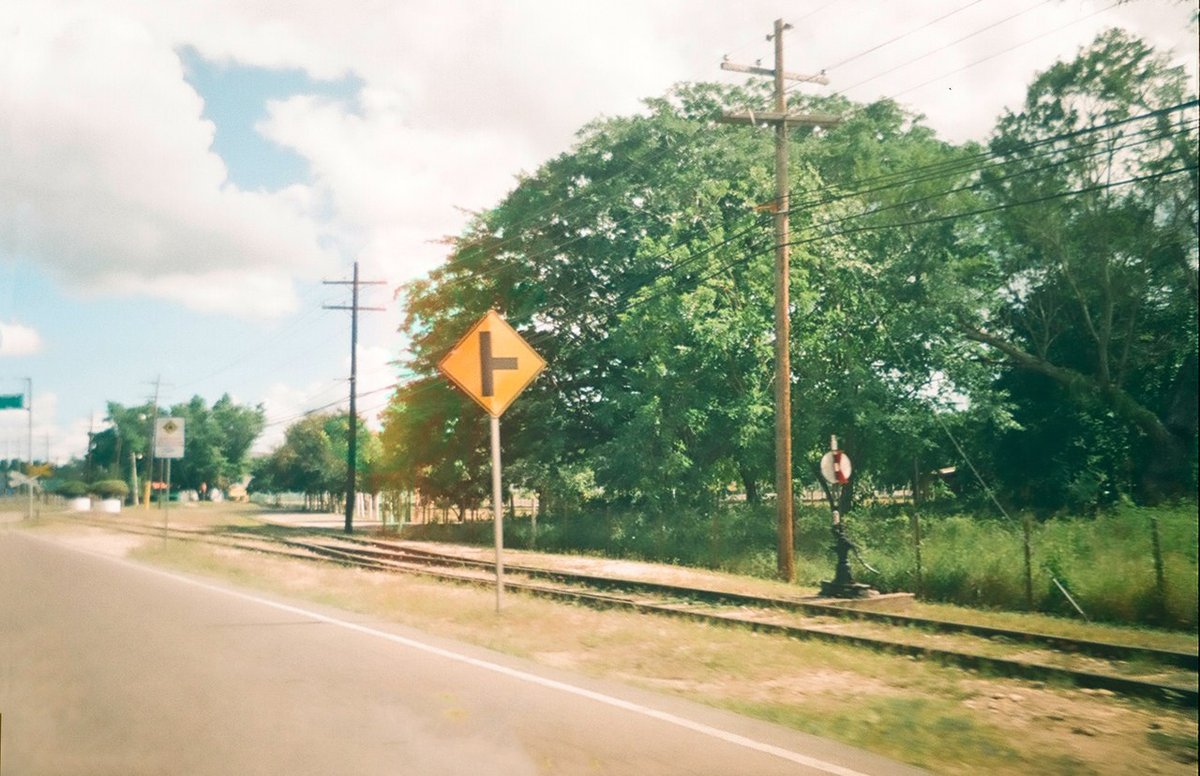
Understanding La Romana starts with its setting. The municipality sits in the Vinalopó Mitjà, an inland valley in the south of Alicante province where agriculture and quarrying have set the pace of life for generations. There is no coastline nearby and no major landmark that explains its presence at a glance. Instead, the town appears along the road with low-rise houses, some arranged without much order, and the church tower rising above the rest.
What sustains La Romana is older and more practical. Dry farming, suited to a climate with limited rainfall, has long defined the area, with crops that can survive these conditions. Alongside it, the extraction of stone from the ground has provided another constant. Together, these two elements form the backbone of a place that does not rely on spectacle.
When Novelda lost a piece
Until 1929, La Romana was administratively part of Novelda. Everyday matters such as registering a birth or handling paperwork required a trip there. Its separation came in the early 20th century, once the settlement had grown enough to support its own town council.
The area itself was not new. In the late 18th century, the Valencian scholar Antonio José Cavanilles recorded various farmsteads and agricultural holdings here during his travels across the Kingdom of Valencia. The land was organised into rural districts, with vineyards, olive groves and almond trees forming the basis of the local economy. Over time, quarrying joined these activities.
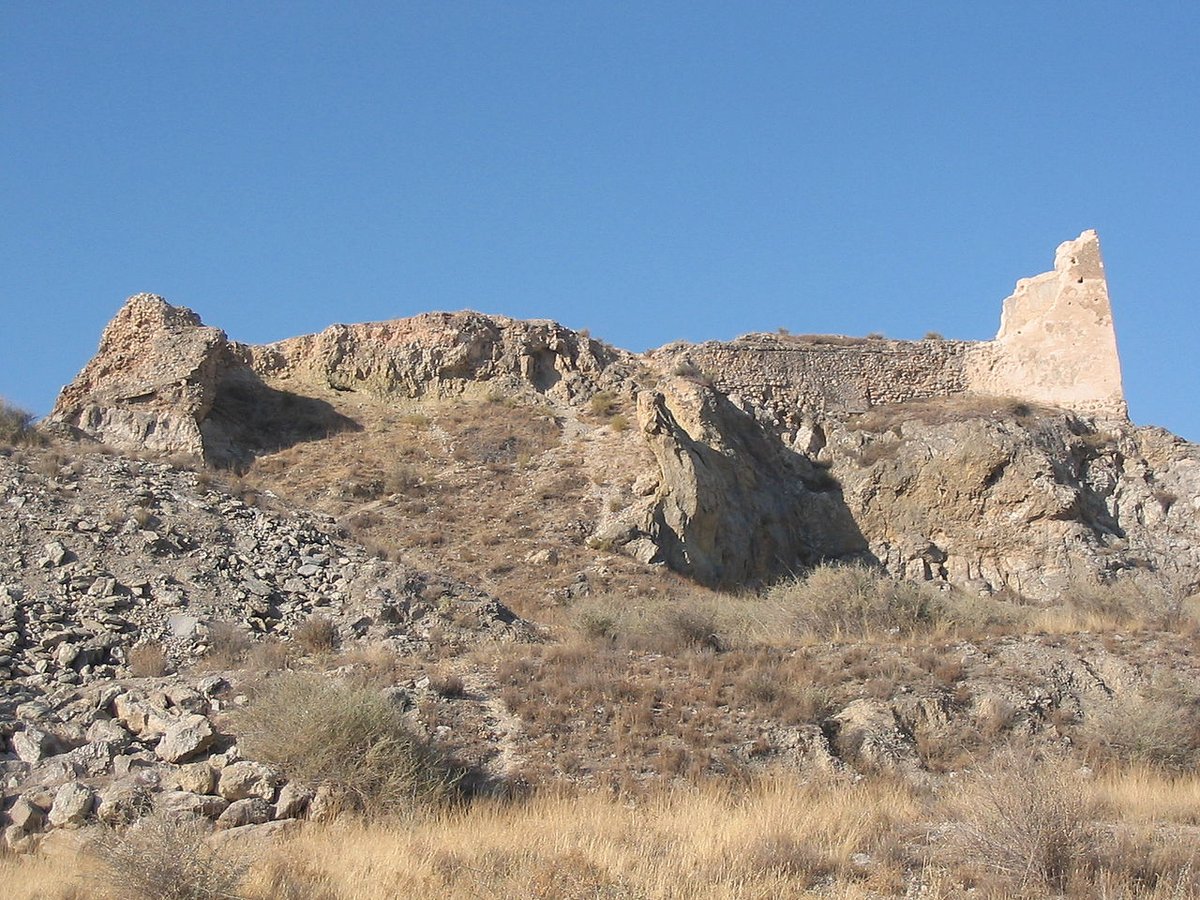
Marble from the Vinalopó has become part of the landscape. Open quarries around the municipality have supplied the regional natural stone industry for decades. In older houses, walls built with irregular blocks of this same material are still visible. The finer stone was sold, while the less suitable pieces found their way into local construction. This practical use of resources remains evident throughout the town.
The Carrasca on La Muela
On a small rise known as La Muela, just outside the town centre, stands the Carrasca de La Romana. It is one of the largest holm oaks preserved in this part of the province, which is unusual in a region where Mediterranean woodland gave way to farmland centuries ago.
Its exact age is uncertain, yet locals consider it very old and treat it as a natural landmark. The tree’s broad canopy casts shade over a clearing where there are a few stone tables and a simple resting area. There is little in the way of signage or infrastructure, and the focus remains on the tree itself.
This spot has long functioned as a rural meeting point. Farmers once gathered here to organise agricultural work or divide tasks during key periods of the year. Today, it is more often used as a quiet place to pause for a while. The setting has changed very little in spirit, even if its purpose has softened.
Wine and the cooperative tradition
Agriculture is still clearly visible around La Romana. Vineyards occupy many of the surrounding plots, alongside olive and almond trees. Much of the grape harvest ends up at the local cooperative, established in the 20th century when small landowners began working together to market their wine.
Production remains modest and closely tied to local consumption. These are straightforward wines, intended for everyday meals rather than competition or prestige. The emphasis is on continuity rather than expansion.
During the harvest, which usually takes place towards the end of summer, the town organises events connected to wine and the gathering of grapes. The atmosphere leans towards that of a neighbourhood celebration rather than something designed for visitors. It reflects the rhythms of the agricultural calendar more than any external appeal.
San Pedro and the view over the valley
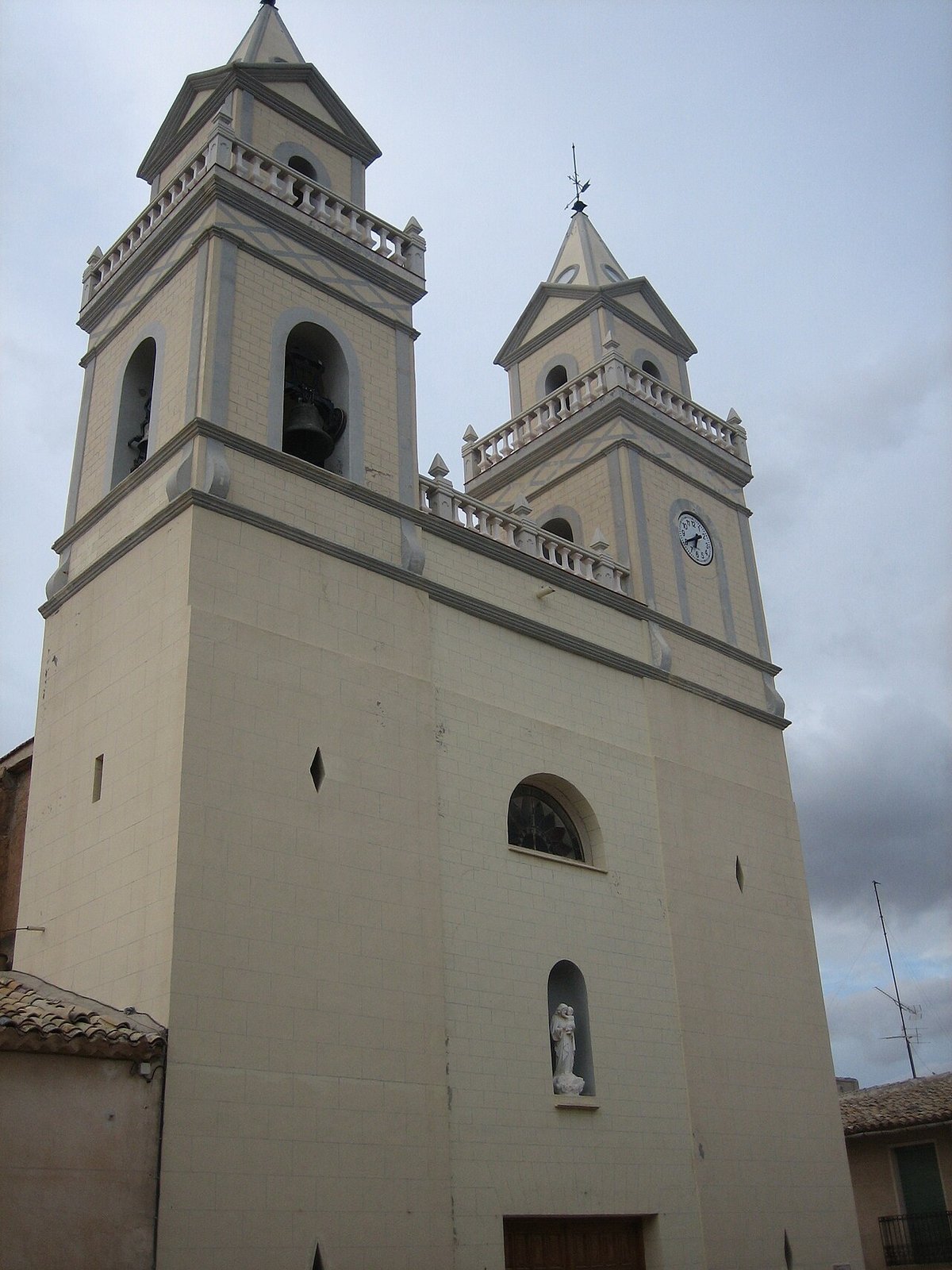
The parish church of San Pedro occupies the highest point in the town. The current building dates from the 18th century, constructed over an earlier structure and later modified, particularly after La Romana became an independent municipality.
Its architecture is restrained. The façade uses local stone and avoids elaborate decoration. A brick-topped bell tower adds a visible contrast to the rest of the structure. From the area around the church, the surrounding geography becomes clear: terraced fields, patches of vineyard and, in the distance, the pale surfaces of the quarries.
Inside, there is a neoclassical altarpiece of unknown authorship and several religious images associated with local devotion. These figures are carried in procession during the town’s festivities. The church itself remains modest in scale, in keeping with the size of the community.
Getting there and moving around
La Romana lies inland within Alicante province, along the route that connects Novelda, Monóvar and other towns in the Vinalopó Mitjà. It can be reached by regional roads from the A‑31 motorway and from nearby municipalities.
The town centre is quick to walk through. Streets are generally straight, and most houses follow the typical pattern of an agricultural settlement in south-eastern Spain, with two storeys and simple façades. The layout reflects function rather than planning for visitors.
Beyond the built-up area, rural tracks run through vineyards and olive groves. These paths offer a way to explore the surroundings at a slower pace, following the same routes that have long linked fields and farms.
For those interested in stone extraction, some of the nearby roads provide views of the quarries that continue to operate in the area, reinforcing how closely the landscape and local economy are connected.