Full Article
about Monóvar
City of culture and wine; birthplace of Azorín and producer of the renowned Fondillón
Hide article Read full article
A town that does not shout for attention
Some places make their name through glossy photos and bold headlines. Monóvar is not one of them. Tourism in Monóvar works more like a friend saying, “Come for a day and see what you think.” There is no grand reveal, just a steady, unhurried atmosphere that tends to win people over.
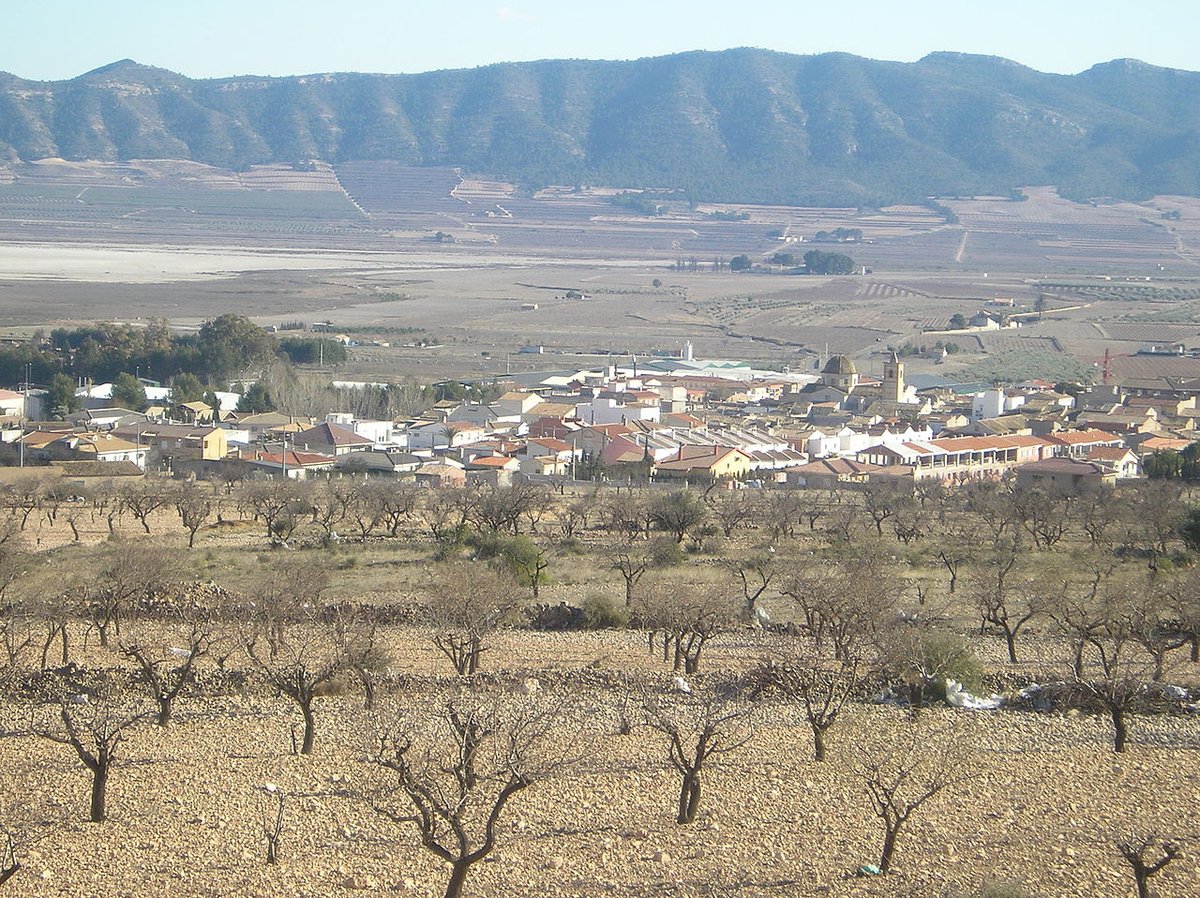
This town in the Vinalopó Mitjà, in the province of Alicante, has around 12,500 inhabitants. It sits at about 400 metres above sea level, high enough for the air to feel slightly cooler than on the coast and for dry farming to shape the landscape. Vineyards, almond trees and regional roads stretch out around it, with scenery that changes gently rather than dramatically. Agriculture, especially the cultivation of vines, is not decorative here. It remains part of daily life.
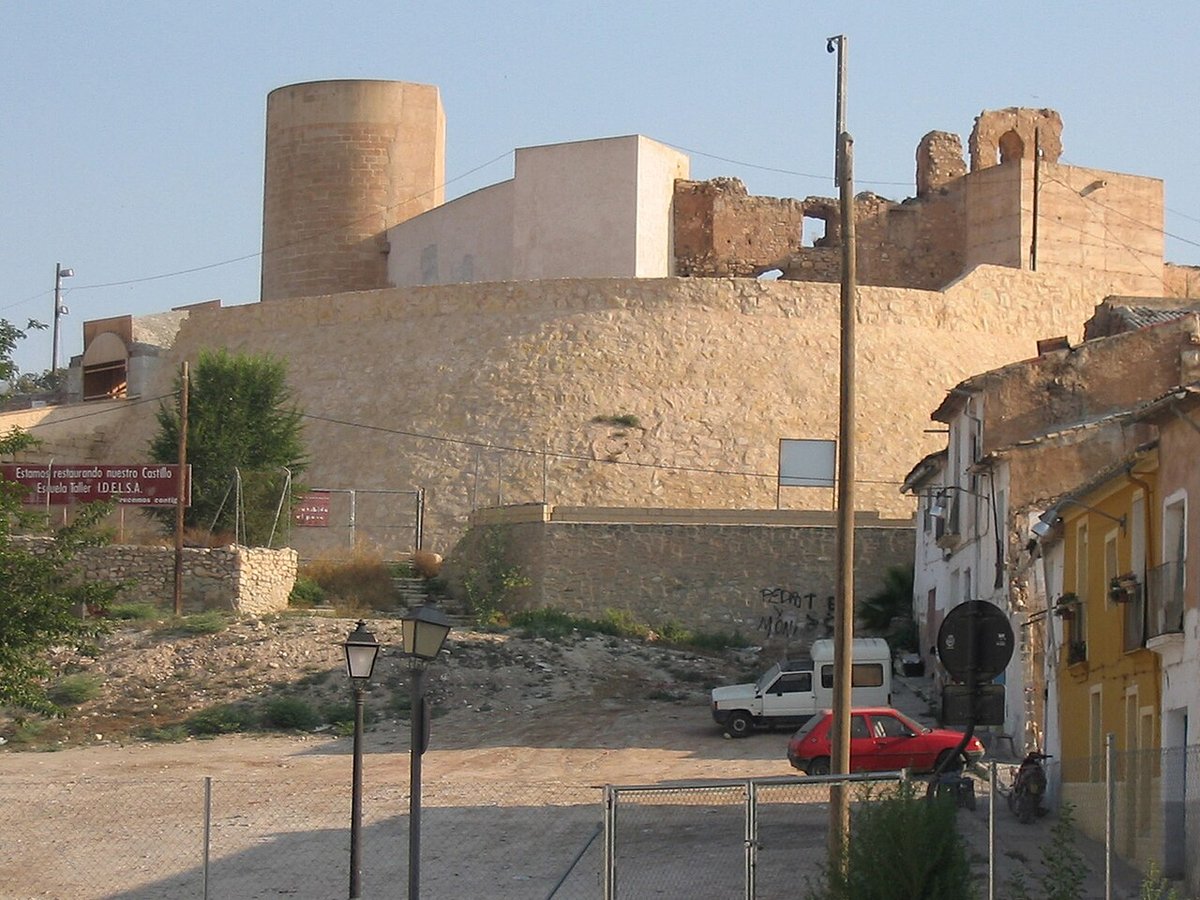
The townscape reflects different periods of growth. There are older houses, more recent apartment blocks and the occasional large residence from the days when the wine trade brought considerable activity to the area. Monóvar does not present itself as a monumental historic centre, yet a walk through its streets reveals wrought-iron balconies, wide wooden doorways and corners that hint at more history than first impressions suggest.
Landmarks without the museum feel
Monóvar is not a place where you tick off one major sight after another. Its appeal is more evenly spread.
One of the best-known sites is the Casa-Museo Azorín, dedicated to the writer who was born here. Azorín was an important Spanish author of the late 19th and early 20th centuries, and the house preserves furniture, his library and the atmosphere of a lived-in home rather than a solemn exhibition space. It offers a clear sense of what bourgeois life in an inland Alicante town was like more than a century ago, without feeling remote or formal.
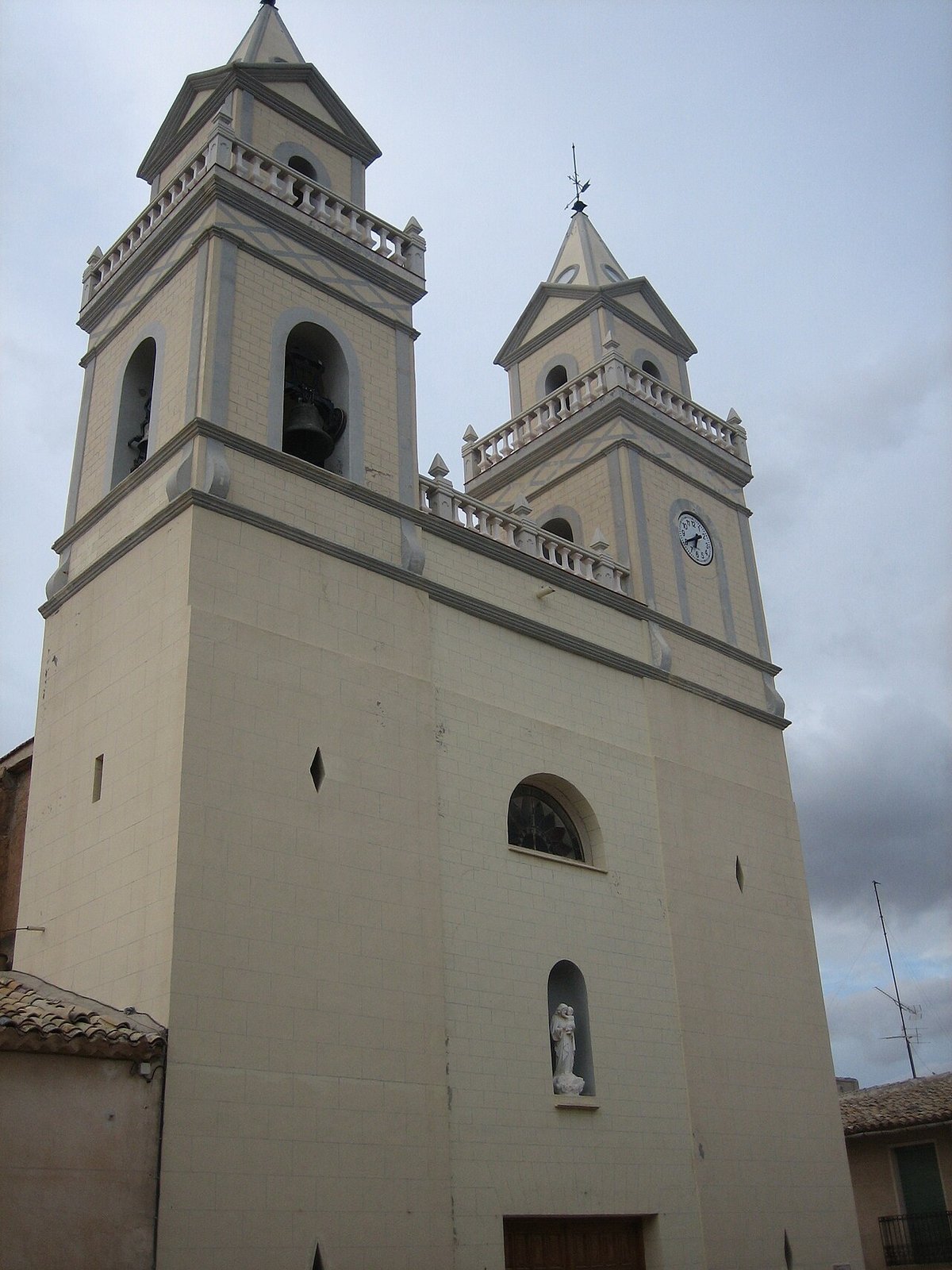
In the centre stands the Iglesia de San Juan Bautista. For a town of this size, it is a sizeable church. The square around it gathers much of Monóvar’s daily life. People come and go, neighbours pause to chat before carrying on with their shopping or an afternoon stroll. The rhythm is steady, familiar and rooted in routine.
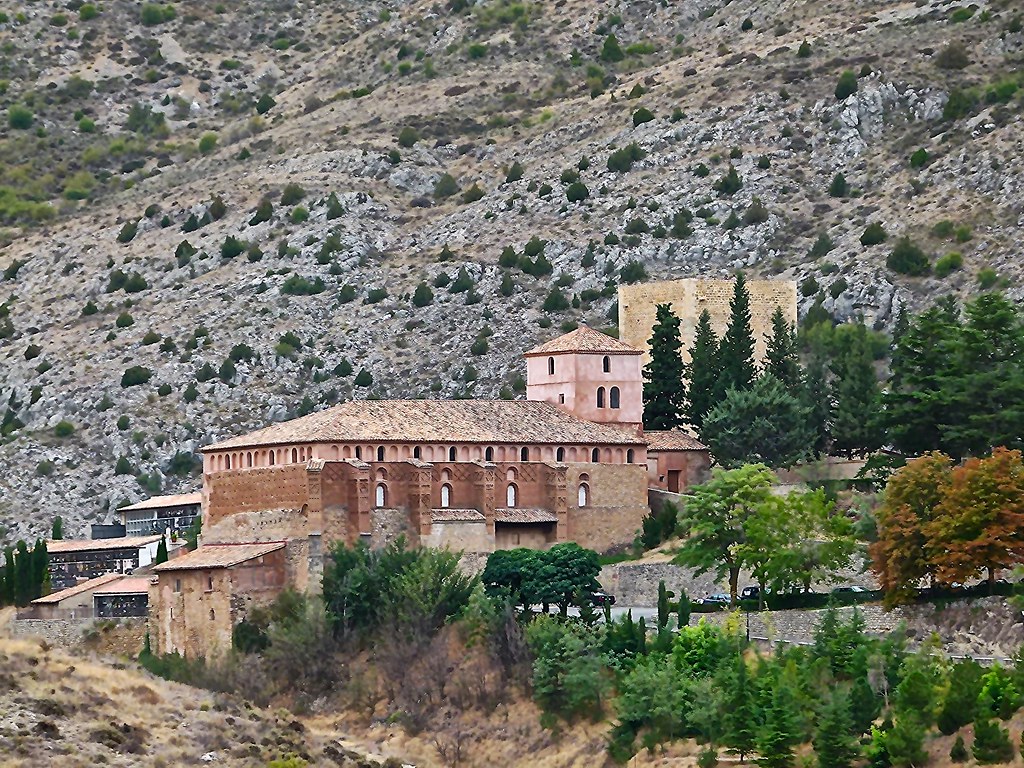
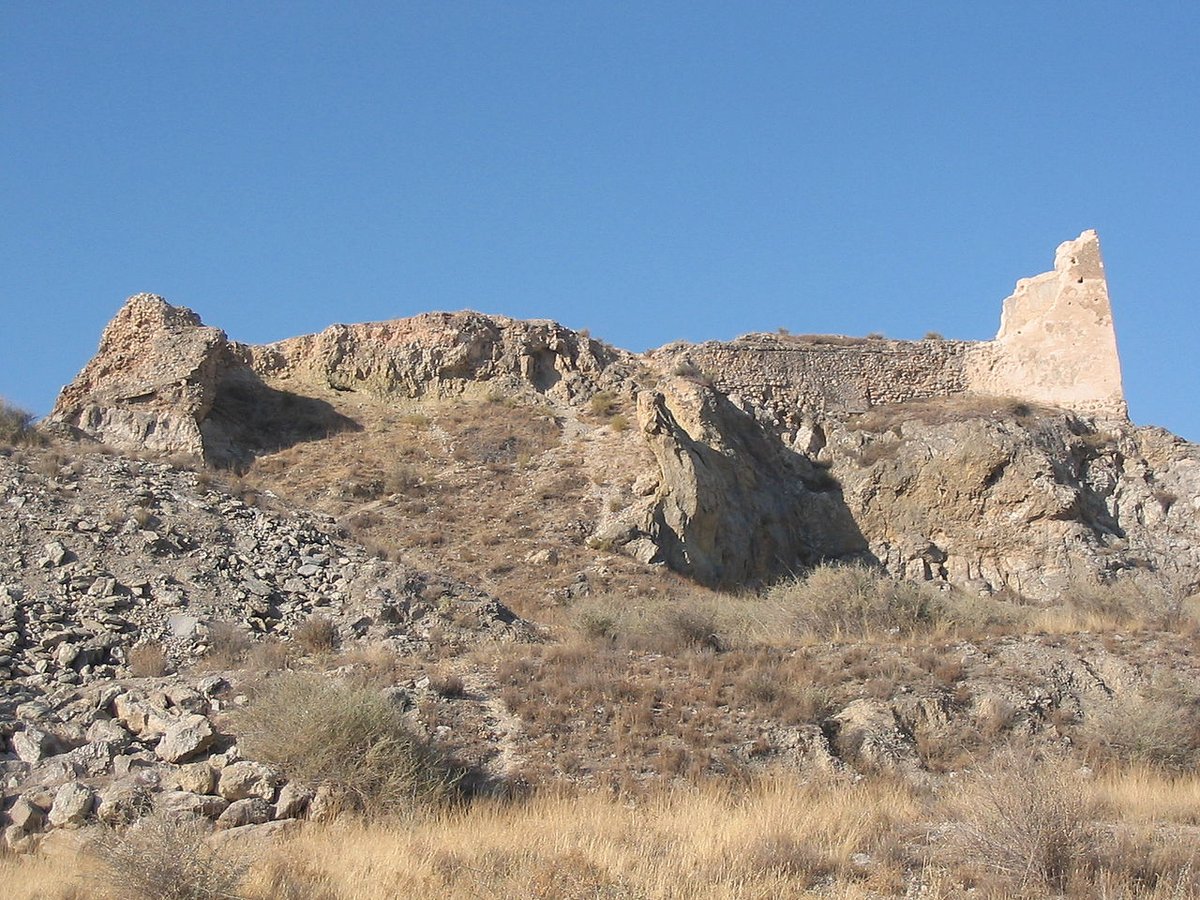
On a small rise near the town is the ermita de Santa Bárbara, visible from several points in the municipality. It is not a vast sanctuary, yet it works as a landmark in the landscape and an easy destination for a short walk uphill. From there, the view back over Monóvar gives a clearer sense of how the town sits among fields and low hills.
Beyond specific buildings, it is worth wandering without a fixed route through the central streets. In less than an hour, the character of the place becomes clear. Long-established shops, half-lowered shutters during siesta time and a bench where conversation is almost guaranteed all form part of the scene. The pace is neither rushed nor staged for visitors.
Vineyards and open country
The surrounding countryside arguably explains Monóvar better than any single monument. Just outside the urban area, plots of vines begin to line the roads, interspersed with rural tracks that link scattered country houses.
These routes are well suited to walking or cycling without much complication. Secondary roads carry little traffic, the hills are gentle and the typical inland Alicante landscape unfolds in muted tones. Pale soil contrasts with the dark green of the vines. The changes are subtle, yet they hold the eye.
The Monastrell grape dominates many of the local vineyards. In the wider area, some wineries arrange visits or tastings if organised in advance. This is not a mass tourism experience. It tends to be close and informal, the sort of setting where conversation turns naturally to harvests, rainfall and heat while the wine is sampled.
Almond trees also play their part in the scenery. When they come into blossom, usually between late winter and early spring, the landscape shifts noticeably. It is not the only interesting time of year, but it is one that locals often mention. The contrast between blossom and dry earth adds a different tone to the countryside that surrounds the town.
Food shaped by the land
Local cooking in Monóvar draws directly from what the fields provide. Rice dishes with rabbit and snails appear on many tables, alongside gachamigas, a hearty preparation traditionally linked to long working days outdoors. These are robust meals rather than delicate ones, created to sustain rather than impress.
Embutidos and other products from the traditional pig slaughter also remain common in many households. The cuisine is not elaborate or refined. Its appeal lies in clarity of flavour and a straightforward connection to the area’s agricultural life. It is the kind of food that makes sense quickly, without explanation.
Choosing the right moment
Spring and autumn are generally the most comfortable seasons for visiting Monóvar. The heat is less intense than in summer, and the countryside feels more animated. Almond blossom towards the end of winter can also add interest to a trip.
Even so, Monóvar does not depend on a particular date or festival to justify a visit. The town works best without hurry. A walk through the centre, a drive or cycle past the vineyards and time spent sitting in the main square watching the afternoon pass often feel sufficient.
Monóvar does not compete for attention with grand claims or dramatic sights. Its identity rests in everyday scenes, working fields and streets that continue at their own pace. For travellers willing to slow down, that rhythm is precisely the point.