Full Article
about Petrer
Town linked to Elda with an impressive castle and an old quarter of steep streets.
Hide article Read full article
A town that smells of leather
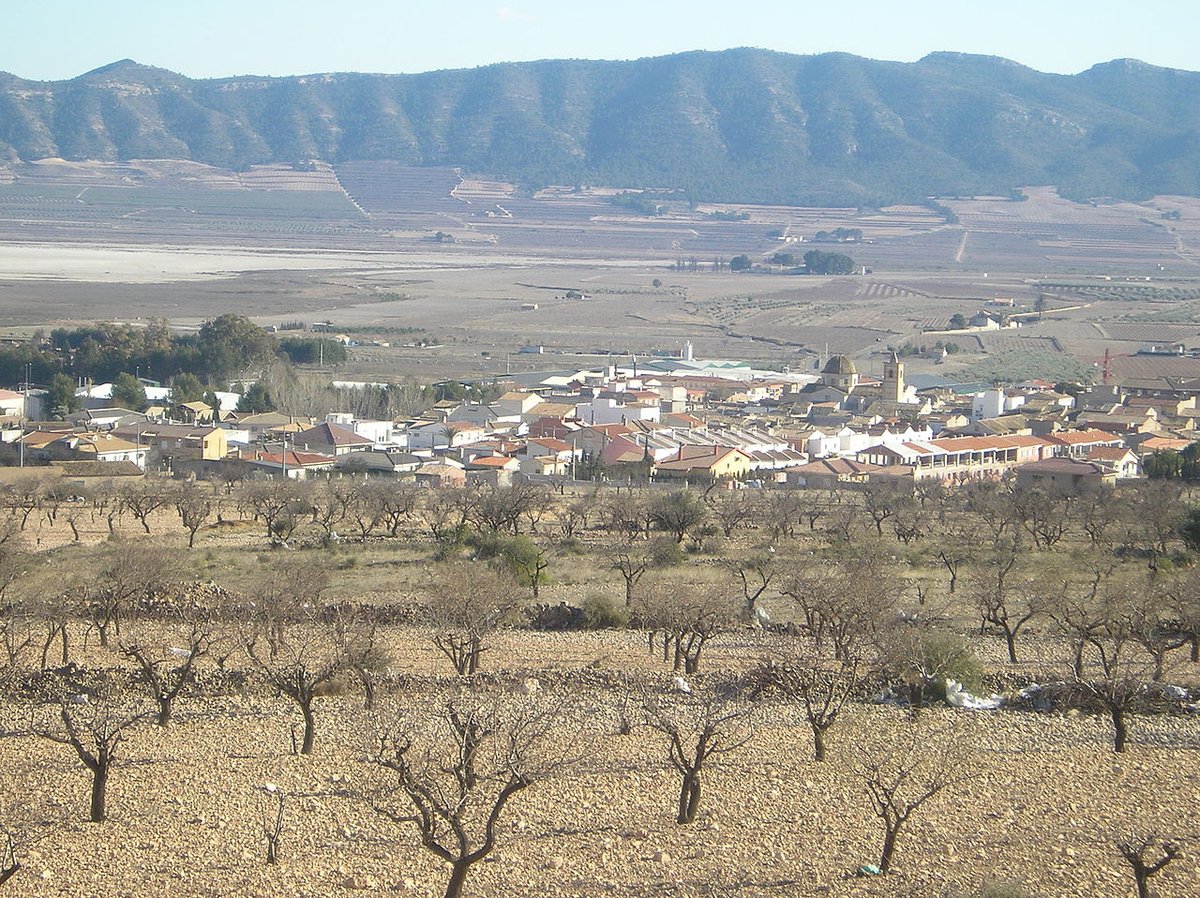
Petrer has the feel of a place that quietly gets on with things and then surprises you. By day it works in the footwear industry; by late afternoon people are heading up towards a castle that seems to sit within arm’s reach. Both sides fit together. Shoe manufacturing is not dressed up for visitors here, it is simply present. On some days the air carries a faint scent of new leather, the sort that escapes when a shoebox is opened for the first time.
What you need to know first
Elda and Petrer are so closely linked that the boundary between them can be easy to miss. Cross an avenue and you are in a different municipality, yet daily life continues almost unchanged. The same industry, the same rhythm, the same way of speaking. With just over thirty thousand inhabitants, Petrer keeps the feel of a large town shaped by its factories, with the practical advantage that getting around, even by car, does not usually turn into a test of patience.
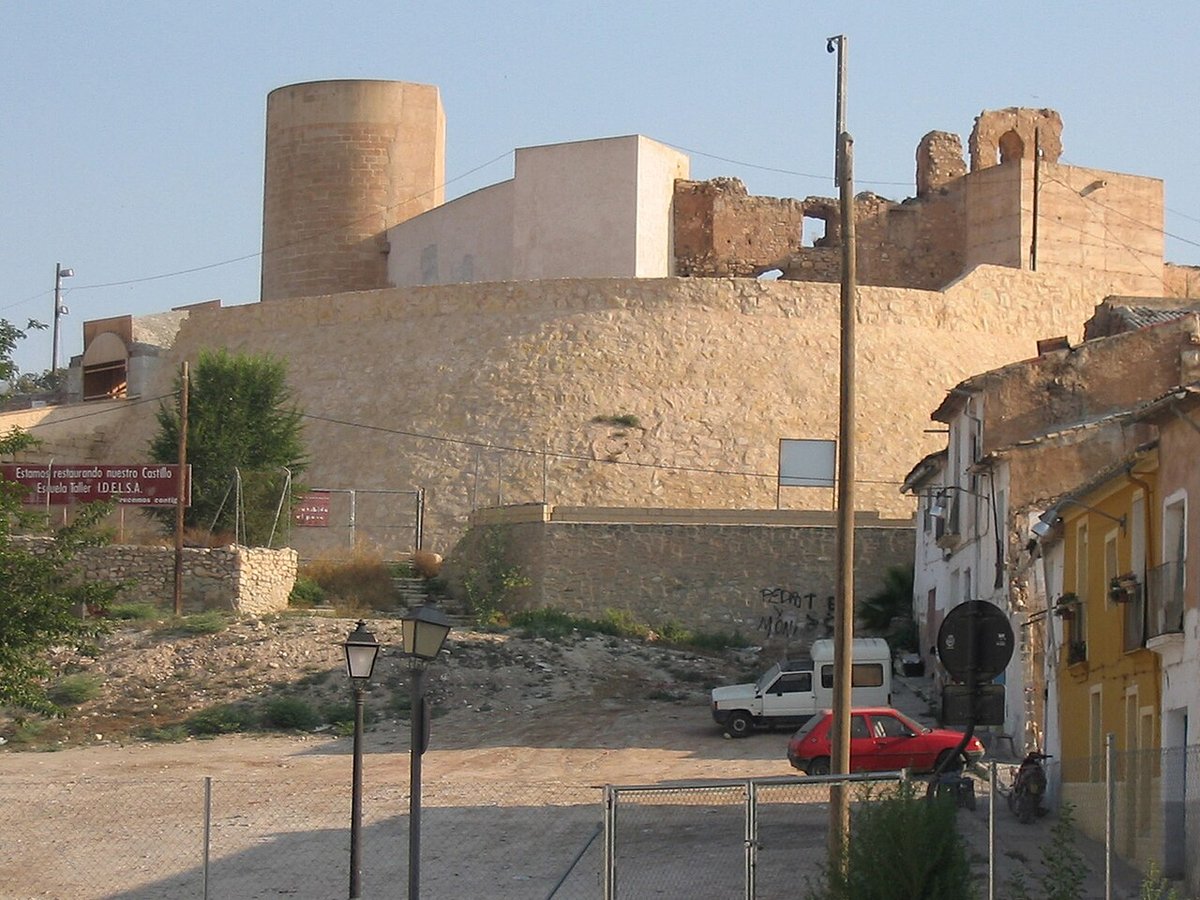
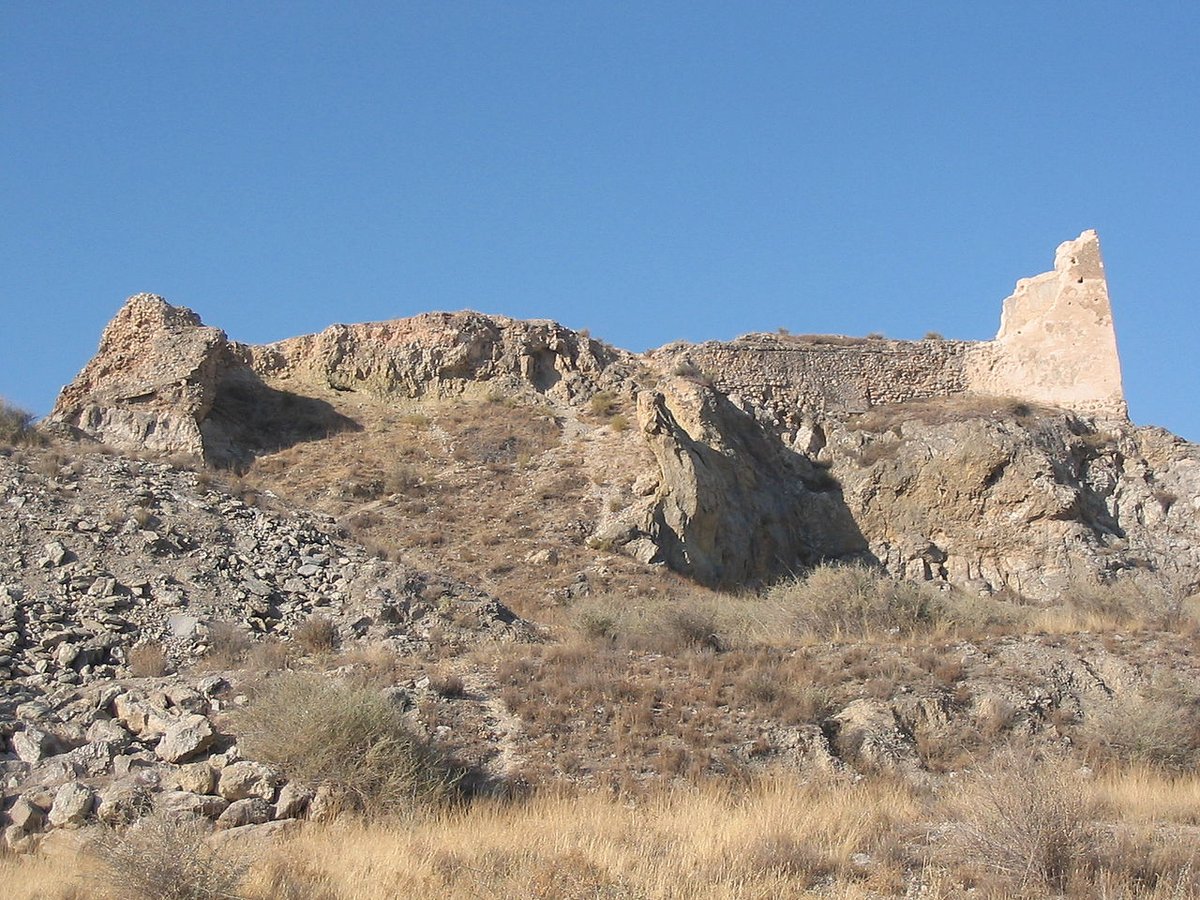
The castle defines the skyline. It is visible from most points and ends up shaping how the place is experienced. It may not be considered the most striking in the Comunidad Valenciana, a discussion that often drifts towards Xàtiva, but here it is part of everyday life. People walk up simply because it is there, in the same way others might go out for a short evening stroll.
The castle and the houses that are not quite houses
The walk up to the castle begins in the centre and rises gently. It is short, though enough to feel like you have made a bit of effort. Along the slope, something unusual starts to appear: the casas‑cueva, or cave houses.
From the outside they can look like little more than doors cut into rock or into the old walls, almost like improvised storage spaces. Behind those doors, however, are homes carved into the hillside. Their interiors stay relatively stable in temperature throughout the year. In the heat this is welcome, and in winter it is just as useful.
Close by stands the ermita del Santísimo Cristo, along with one of the town’s best-known viewpoints. Over a century ago it was given the grand name “el balcón de España”. The title may sound ambitious, but once there, looking out across the Vinalopó Valley, it is easy to understand why people linger. The landscape opens up in full and invites a pause.
A festival that fills the streets
In May, Petrer changes its pace for the Moros y Cristianos celebrations. For those days, the atmosphere is difficult to ignore. Joining in feels natural; trying to stay on the sidelines is harder.
This is not a festival designed for a brief glance from visitors. A large part of the town takes part. Comparsas organise themselves into groups, costumes are prepared over months, and entire families are involved in the parades. Then there is the sound of gunpowder. Arcabuces are fired from early in the day, acting as an unmistakable wake-up call, even for anyone who had hoped for a lie-in.
Food that leans towards comfort
Local cooking in Petrer has a reassuring, home-style quality. It is the sort of food that feels generous and familiar. Fassegures are a good example: a hearty dish based on meat and broth, particularly welcome when the temperature drops.
There are also rollos de aguardiente, which feel like a small exercise in traditional baking. Fried dough carries a hint of liquor, bringing to mind long, relaxed meals. Around Christmas, almendrados tend to appear, closely linked to the area’s pastry traditions and shaped by its use of almonds.
Shoes, and a reason to visit
Footwear is not presented as a tourist attraction here; it is simply the economic backbone of the town, built over decades. Even so, it naturally becomes part of the experience. Many factories and warehouses offer direct sales, so it is common to see people arriving with the specific aim of finding a pair of shoes.
Mornings are usually quieter, which makes it easier to browse and ask questions. It is one of those slightly unexpected plans: you leave with something practical and with a clearer sense of how an industrial town actually works.
Hills close at hand
Beyond the urban area, several routes lead towards the Sierra del Cid. The best known heads up to the Silla del Cid, a rock formation shaped like a seat. According to local tradition, this is where El Cid Campeador once rested. Whether or not that story holds, the climb demands some effort and the views over the valley make it worthwhile.
When to come and what to expect
Petrer does not often feature on lists of major destinations. It tends to work better as a stop along the way rather than the sole focus of a trip. Even so, it has a particular appeal: a castle within walking distance, active industry, and mountains nearby.
A Saturday morning offers a good snapshot of daily life. A walk through the centre, a gentle climb up to the castle, something to eat near the square, and perhaps a look at shoes before leaving. In a few hours, a clear impression forms.
This is not a place built to match a postcard image. What it offers instead is something more direct. Life here continues closely tied to what it has long been, and that consistency stands out.