Granja de Torrehermosa - Flickr
frankblacknoir · Flickr 4
Extremadura · Meadows & Conquerors

Granja de Torrehermosa

The wheat fields start just beyond the last house. They stretch flat and endless, broken only by the occasional olive tree or stone boundary wall, ...

1,913 inhabitants · INE 2025
593m Altitude

Why Visit

Church of the Purísima Concepción (Mudéjar tower) Visit the Mudéjar tower

Best Time to Visit

summer

August Fair (August) agosto

Things to See & Do
in Granja de Torrehermosa

Heritage

  • Church of the Purísima Concepción (Mudéjar tower)
  • Christ Chapel
  • Social Club

Activities

  • Visit the Mudéjar tower
  • Walks around the town centre
  • Hiking trails

Festivals
& & Traditions

Fecha agosto

Feria de Agosto (agosto), San Sebastián (enero)

Las fiestas locales son el momento perfecto para vivir la autenticidad de Granja de Torrehermosa.

Full Article
about Granja de Torrehermosa

A noble town in the Campiña Sur with a striking Mudéjar tower on its church; whitewashed architecture and straight streets.

Ocultar artículo Leer artículo completo

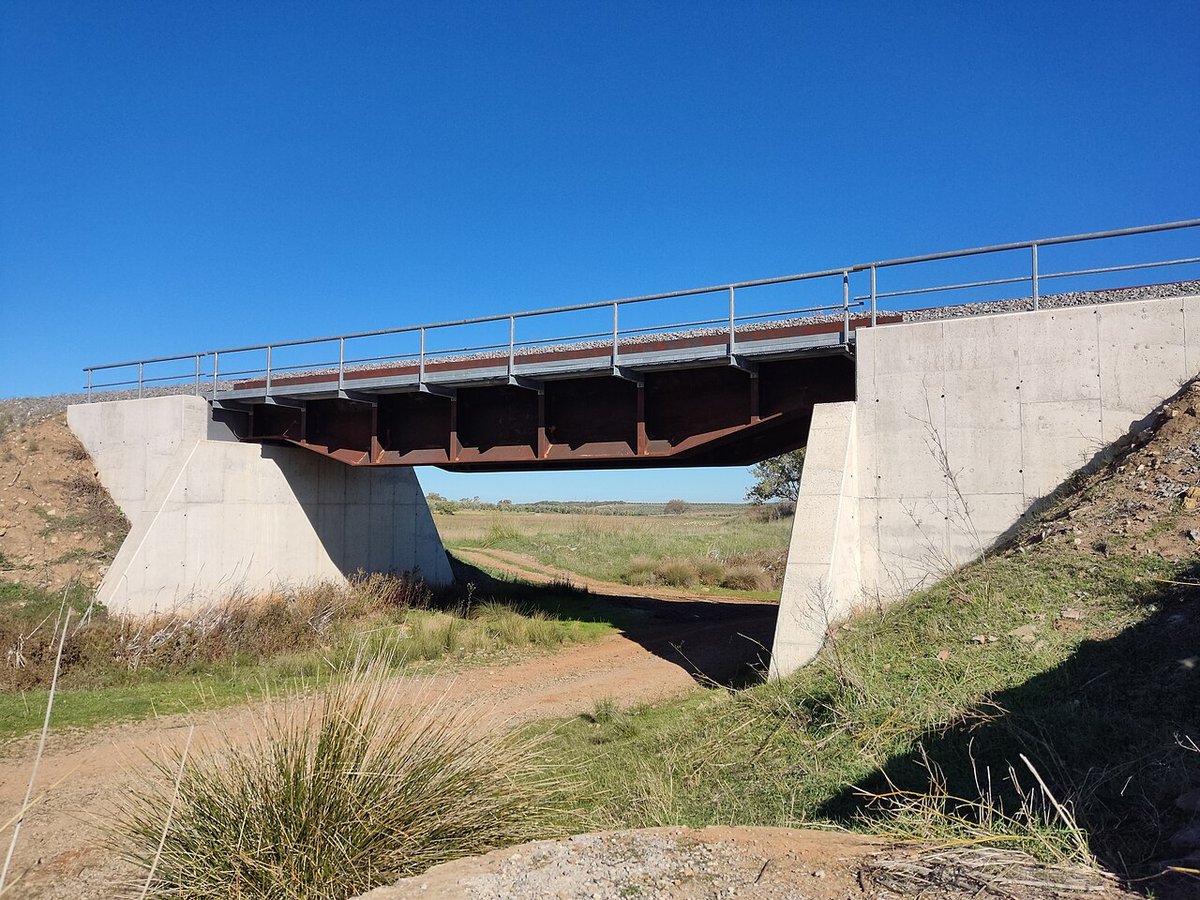
The wheat fields start just beyond the last house. They stretch flat and endless, broken only by the occasional olive tree or stone boundary wall, until they meet the horizon 593 metres above sea level. This is Granja de Torrehermosa's defining feature—not medieval churches or Moorish castles, but the honest, working landscape that has fed Spain for centuries.

At first glance, the town itself seems almost apologetic about occupying space in this sea of agriculture. Whitewashed houses cluster around a modest church tower, their walls bearing the ochre streaks that come from decades of dust blown in from surrounding fields. The main street—Calle Real—takes all of five minutes to walk from end to end, past the pastelería that sells almond cake to weekend visitors from Seville, past Cyr Gastrobar where the owner will happily swap chips for salad if you ask nicely, past the library with its solitary Mudéjar arch, the town's only architectural flourish.

This is rural Extremadura at its most authentic. The 1,940 residents don't cater to tourists because they haven't needed to. Their wealth lies in the soil, in the wheat and barley that paint the landscape green in spring, golden in summer, brown through winter. The rhythm of life follows the agricultural calendar, not the tourist season. When British visitors arrive expecting "hidden Spain," they find something more valuable: real Spain, unfiltered and unbothered by their presence.

The View from 593 Metres

The altitude matters here. Even in August, when Seville swelters at 45°C, Granja de Torrehermosa catches enough breeze to make evenings tolerable. Winters bite sharper than coastal Spain—frost isn't uncommon, and the town has seen snow that transformed the wheat fields into an alien landscape of white on brown. This elevation creates microclimates that surprise first-time visitors. Spring arrives later than expected, pushing wildflower season into May. Autumn lingers, stretching hiking weather well into October.

The surrounding Campiña Sur unfolds like a geographical lesson in Spanish agriculture. Dehesas—those carefully managed oak pastures—support the Iberian pigs whose acorn-fed ham appears on every local menu. Olive groves, some with trees older than the town itself, produce oil that locals buy in five-litre containers rather than fancy bottles. The cereal plains, broken into geometric patterns by stone walls and dirt tracks, explain why this region fed Roman legions and still supplies flour for half of Spain's bread.

Walking tracks radiate from the town in all directions, though shade is scarce and the sun punishes those who underestimate its strength. The GR-134 long-distance path passes nearby, connecting Granja to neighbouring farming towns through nine kilometres of gentle terrain. Local farmers use these tracks too—you'll share the path with tractors heading to remote fields, their drivers raising a hand in greeting that suggests surprise at seeing someone walking for pleasure rather than work.

When the Harvest Comes

August transforms the town. The Feria Mayor brings fairground rides that occupy the main square, music that continues until 4am, and visitors from surrounding villages who treat the week as a reunion. British guests at Casa Rural La Granja—the town's most comfortable accommodation with its heated pool and English Netflix—either love the atmosphere or book elsewhere once they realise sleep isn't guaranteed. The rest of the year returns to quiet normality, broken only by the mechanical hum of combines during harvest or the church bells marking hours that pass largely unnoticed.

The agricultural reality shapes everything, including the food. Local menus don't list "seasonal vegetables" as a trendy choice but as the only option. Migas—fried breadcrumbs with pork—appear in winter when bread from last week's baking needs using up. Gazpacho dominates summer menus because tomatoes from nearby greenhouses glut the market. The almond cake, universally popular with British visitors, exists because local almond trees produce more than the cooperative can sell. Even the wine—robust reds from Tierra de Barros—comes from vineyards visible from town, the grapes harvested by the same families who serve your dinner.

Finding Your Way

Getting here requires commitment. The nearest airport, Seville, lies 130 kilometres east—technically doable in 90 minutes on excellent roads, but the final approach involves country lanes that test GPS systems and nerves. Mérida, closer at 45 kilometres, offers fewer flight options but easier driving. Public transport barely exists. One daily bus connects to Badajoz, timing its departure for agricultural rather than tourist convenience. Car hire isn't optional; it's essential.

The town makes few concessions to foreign visitors, which is precisely its appeal. Shops close for siesta because staff need collecting children from school, not because they're chasing the tourist pound. English isn't widely spoken, but patience and pointing work wonders. Cash remains king—many establishments refuse cards for purchases under €10, and the single ATM occasionally runs dry during festival weekends. The ethnographic museum opens when the caretaker feels like it, requiring a phone call ahead that might be answered in rapid Spanish.

Yet these practical challenges create the authenticity that British visitors claim to seek. When you breakfast alongside farmers discussing rainfall and wheat prices, when the barman remembers your coffee order on the second morning, when the almond cake arrives courtesy of the baker's sister who overheard you asking about local specialities—you've found something that no amount of tourist infrastructure could manufacture.

The Real Spain, Weather Permitting

Granja de Torrehermosa won't suit everyone. The town offers no Moorish palaces, no Michelin stars, no boutique shopping. Summer heat can feel relentless, winter evenings stretch long and quiet. Mobile phone reception drops in the surrounding fields. The nearest cinema requires a 45-minute drive. Rain turns agricultural tracks to mud that clings to hiking boots for days.

But for those willing to embrace rural Spain on its own terms, the rewards prove substantial. Dawn breaking over wheat fields that glow gold in early light. Storks nesting on church rooftops, their clattering bills providing dawn chorus. Local wine that costs €8 a bottle and surpasses anything available in British supermarkets. Conversations with farmers whose families have worked this land for generations, who view Brexit with sympathy because they understand what it means to feel connected to soil and tradition.

The town doesn't need to be "discovered." It needs visitors who appreciate that real places have rough edges, that authenticity means occasional inconvenience, that Spain's agricultural heartland offers insights no city break can provide. Bring walking boots, cash, and realistic expectations. Leave with almond cake crumbs in your luggage, ochre dust on your clothes, and a clearer understanding of how Spain feeds itself when tourists aren't looking.

Just remember to check the agricultural calendar before booking. Harvest season brings combines that dominate narrow roads. Planting means tractors at dawn. Rain dictates everything, including whether those walking tracks remain passable. Granja de Torrehermosa operates on rural time, indifferent to British holiday schedules but welcoming to those who adjust their rhythm accordingly.

Key Facts

Region
Extremadura
District
Campiña Sur
INE Code
06059
Coast
No
Mountain
No
Season
summer

Livability & Services

Key data for living or remote work

2024
ConnectivityFiber + 5G
HealthcareHealth center
EducationElementary school
Housing~5€/m² rent · Affordable
January Climate8.2°C avg
Sources: INE, CNMC, Ministry of Health, AEMET

Planning Your Visit?

Discover more villages in the Campiña Sur.

View full region →

More villages in Campiña Sur

Traveler Reviews