Full Article
about Maguilla
A farming town in the Campiña Sur, ringed by olive groves and vineyards, noted for its well-preserved vernacular architecture.
Ocultar artículo Leer artículo completo
The church bells ring at noon, and Maguilla's main street empties. Not because anything dramatic has happened—this is simply how lunch works here. The 961 residents of this Extremaduran village don't need clocks; the bells of San Bartolomé mark the day's progression, from morning coffee through siesta to evening paseo. It's a rhythm that hasn't changed much since the church was built in the fifteenth century, though mobile phones now compete with the tower for attention.
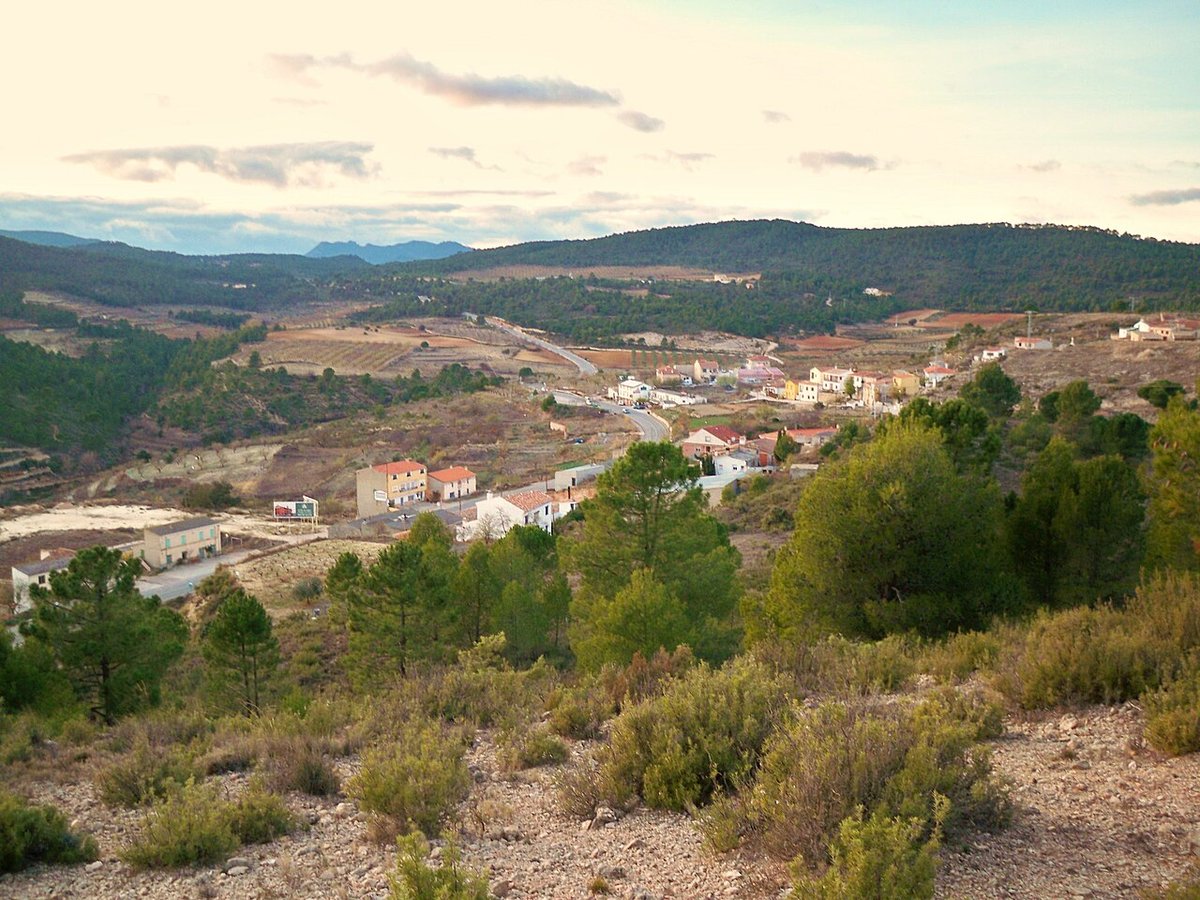
At 500 metres above sea level, Maguilla sits in the Campiña Sur, Extremadura's southern countryside where cereal fields stretch to every horizon and ancient holm oaks provide punctuation marks across the landscape. The altitude brings relief from the fierce summer heat that bakes nearby Badajoz, but winter mornings can bite, with mist pooling in the valleys below. This isn't postcard Spain—it's working Spain, where agriculture still dictates the calendar and conversations centre on rainfall predictions rather than property prices.
The Architecture of Everyday Life
White-washed walls reflect the harsh sun, creating a maze of narrow streets that funnel cooling breezes through the village centre. The houses speak of modest prosperity: iron balconies painted municipal green, heavy wooden doors that close with satisfying thunks, and the occasional noble mansion whose eighteenth-century grandeur has faded to genteel shabbiness. These aren't museums but homes where washing hangs from interior patios and the smell of garlic frying drifts through open windows.
The Church of San Bartolomé dominates the modest plaza, its Gothic bones clothed in later additions like a medieval building wearing Baroque accessories. The tower serves as Maguilla's lighthouse, visible from kilometres away across the agricultural plain, guiding locals home from the fields. Inside, the air carries centuries of incense and candle wax, the stone floors worn smooth by generations of Sunday processions. There's no admission charge, though donations are appreciated, and the priest might appear to check you're not planning anything inappropriate with your camera.
Surrounding the church, the village maintains its original Islamic street pattern—a defensive labyrinth that confuses visitors but creates natural shade during summer's furnace. Doorways reveal glimpses of private worlds: a courtyard with a single lemon tree, an elderly woman shelling peas while watching Mexican soap operas, a grandfather teaching his grandson to shuffle cards with the deliberate movements of someone who has time to spare.
Walking Through Seasons
The landscape surrounding Maguilla transforms dramatically through the year. Spring arrives tentatively in March, turning the cereal fields an almost violent green that hurts eyes accustomed to winter browns. By late April, poppies create red scars across the wheat, and the air fills with pollen and agricultural machinery. Summer hardens everything to gold, the harvest creating dust clouds that settle on every surface. Autumn brings stubble burning and the serious business of mushroom hunting, while winter strips the landscape to its bones—ochre earth and grey-green oaks under enormous skies.
Walking tracks radiate from the village like spokes, following ancient paths between cortijos (farmsteads) and ruined mills. These aren't manicured routes but working agricultural tracks; you'll share them with tractors and the occasional herd of sheep. The GR-118 long-distance path passes nearby, connecting Maguilla to other villages across the Campiña Sur, though signposting can be optimistic. Distances deceive: that appealing hilltop ruin might be two hours' walk each way, across terrain that seems flat until you're midway back with the sun dropping and water running low.
Local farmers regard walkers with benign curiosity—they've seen plenty of unprepared city folk setting out with nothing but good intentions and inappropriate footwear. Bring water, always. The Spanish sun doesn't mess about, and there's precious little shade between villages. Spring and autumn offer the best walking conditions, though winter mornings can be magical when frost silvers the dehesa and eagles ride thermals above the plains.
The Honest Plate
Maguilla's cuisine refuses to apologise for its rusticity. This is food designed to fuel agricultural labour, not impress food critics. In the single bar on Plaza de España, migas—fried breadcrumbs with garlic and pork—arrive in portions that could anchor a small boat. The local_extremaduran ham comes from pigs that roamed the nearby dehesa, eating acorns and developing the nutty flavour that justifies the eye-watering price per kilo. Goat cheese from the village's two remaining herds appears simply: perhaps drizzled with local honey, maybe just as is, its tang cutting through the morning's coffee.
Weekends see families gathering for cocido_extremaduran, the regional stew that utilises every part of the pig in a ritual that hasn't changed since grandparents were children. The wine comes from nearby Cañamero, rough and honest, served in glasses that cost less than a pound but somehow improve everything they accompany. Vegetarian options exist, though asking for them produces the same puzzled expression you might wear if someone requested a meat-based cup of tea.
The bar closes at 4 pm sharp—don't arrive at 3:55 expecting service. Spanish licensing laws bend to village realities, and the proprietor has fields to tend. Evening service resumes at 8, though nobody arrives before 9. This is non-negotiable, like gravity or the fact that it will rain the day you forget your jacket.
When the Village Parties
August's fiesta patronal transforms Maguilla from quiet agricultural centre to throbbing celebration that would shock weekday visitors. San Bartolomé's festival brings home emigrants from Madrid and Barcelona, swelling the population threefold. The plaza fills with temporary bars, children's rides appear miraculously overnight, and the village's single hotel books out a year in advance. Processions weave through streets barely wide enough for tractors, while neighbours who haven't spoken since a boundary dispute in 1987 find themselves sharing paella from the same enormous pan.
Semana Santa provides a more intimate spectacle. The modest processions reflect genuine village religiosity rather than tourist performance. Participants are neighbours and cousins, the same people who serve you coffee or fix your car. At 3 am on Good Friday, the silence as Christ passes feels collective rather than imposed, broken only by the shuffle of feet and the creak of the platform bearers' shoulders.
The mushroom festival in November celebrates the area's fungal bounty with the seriousness of agricultural show. Local experts offer identification courses—essential when death caps grow alongside delicious varieties—and the weekend culminates in a giant omelette that uses literally thousands of eggs. It's community cooking on an industrial scale, supervised by women who've been doing this since they could reach the stove.
Practical Realities
Getting here requires commitment. The nearest train station is at Badajoz, forty-five minutes away by infrequent bus service. Hiring a car becomes essential unless you fancy hitchhiking across agricultural Spain, which works better in theory than practice. The village has one cash machine that occasionally works, one small shop selling basics, and a pharmacy that closes for siesta like everything else.
Accommodation is limited to the Hostal Maguilla, eight rooms above the restaurant on the main street. It's clean, cheap (around €35 per night), and the owner speaks no English whatsoever. Book by phone—online booking remains theoretical—and don't expect luxury. Hot water is reliable, Wi-Fi less so, and the breakfast coffee could wake the agricultural dead.
Visit in spring for walking and wildflowers, autumn for mushrooms and mild weather. Summer brings fierce heat that empties streets between noon and 6 pm—plan accordingly or melt. Winter offers crisp days and empty paths, though some restaurants close for the season when agricultural work slows.
Maguilla won't change your life. It offers something more valuable: a glimpse of rural Spain that tourism hasn't sanitised, where tradition survives not as performance but as necessity. The village asks only that you adjust to its rhythms rather than expecting it to adapt to yours. Fail to learn this lesson and you'll find everything closed, everyone asleep, and the church bells marking time you haven't learned to read.