Full Article
about Berrocalejo
Tagus riverside municipality near the Valdecañas reservoir; known for Peña Flor and rock engravings
Hide article Read full article
At ten in the morning, the whitewashed façade of the church reflects the light with a soft, almost milky glow. In Berrocalejo, that hour still carries very little noise: a blackbird somewhere on a roof, a door opening slowly, the dry crunch of footsteps on gravel. The village is small, and the quiet is not cultivated or staged. It is simply what remains when the streets empty out.
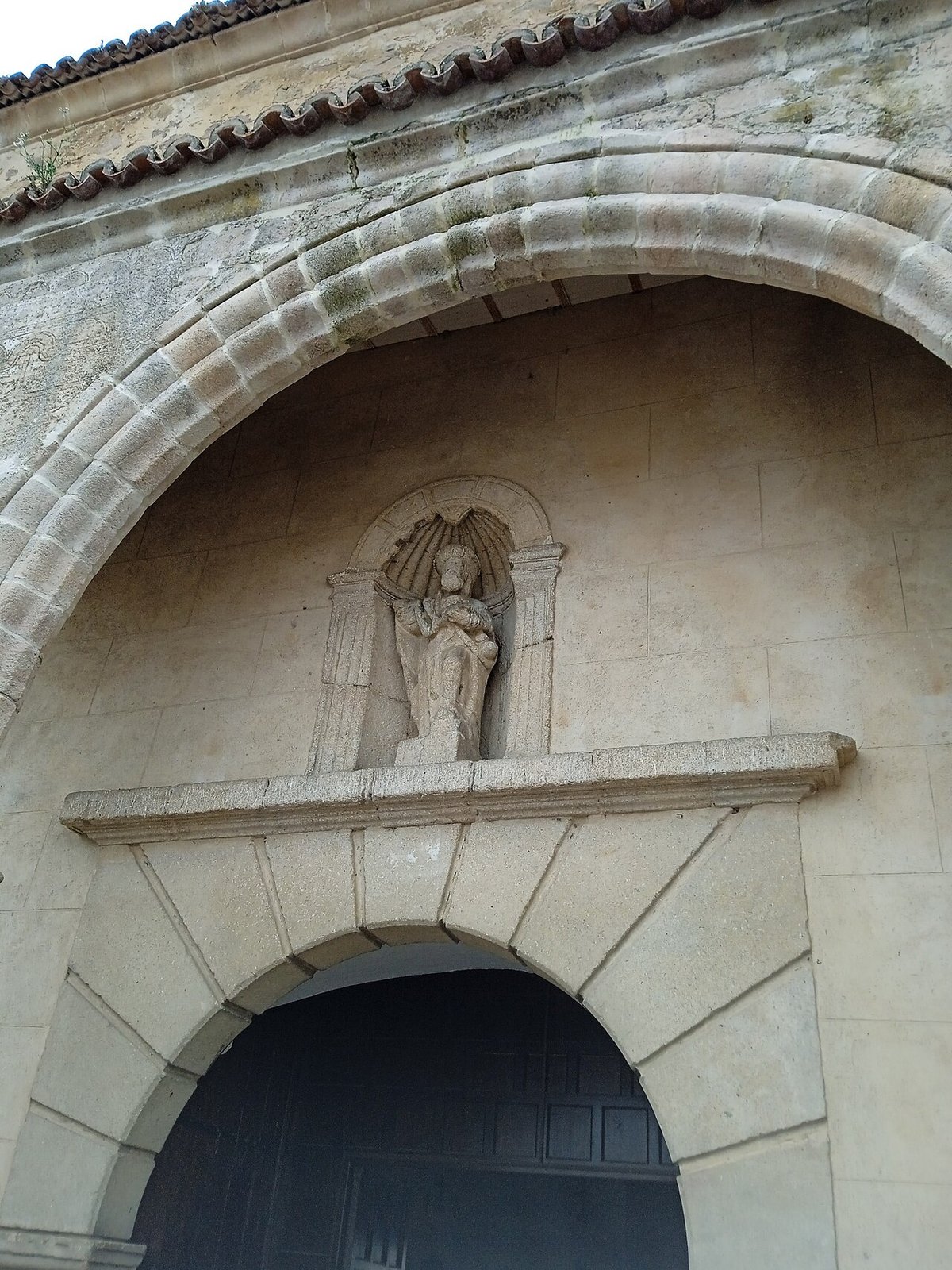
Berrocalejo lies in the Campo Arañuelo, in the north-east of Extremadura. The layout is straightforward, just a handful of short streets where whitewashed houses line up without much fuss. Near the centre stands the parish church, of old origin but much altered over time. Its façade is plain, with small windows and a bell tower that barely rises above the rooftops. Up close, the stone around the doorway shows wear along the edges, smoothed by years of hands passing and people coming and going.
It makes sense to arrive unhurried. Parking at the entrance to the village, wherever there is a wide enough space, works best. The centre is compact and easily explored on foot within a few minutes.
The Dehesa Beyond the Houses
Step beyond the last row of houses and the landscape opens out. Scattered holm oaks, the occasional patch of cork oak, and gently rolling grasslands stretch ahead. The ground shifts colour with the seasons: a fresh, damp green in spring, turning brown and dusty under the pressure of summer heat.
After rain, the air carries the scent of turned earth and wet leaves. Early in the day, white storks often glide slowly above the trees. It is not unusual to see a kestrel hover briefly in place before dropping sharply towards the ground.
This is dehesa land, a traditional system of managed pasture and woodland typical of western Spain. These landscapes have been shaped over generations for grazing livestock and making use of natural resources, and that long relationship between people and land is still visible.
Quiet Tracks for Walking or Cycling
Several agricultural tracks begin right at the edge of the village and lead into the dehesa. They are not signposted as tourist routes, but they are used daily to reach farmland and can be followed on foot or by bicycle, provided gates are respected and access is not obstructed.
The terrain is gentle, with long, low rises that open up wide views. On clear days, the horizon appears sharply defined, and the sky seems to take up more space than the land itself.
In summer, timing matters. The most sensible option is to head out early in the morning or wait until late afternoon. At midday, the heat settles heavily over the landscape and there are few shaded stretches to offer relief.
The Tagus and Riverside Patches
Not far from the village flows the Tagus River, here strongly shaped by the reservoirs in the area. In some stretches, bands of riverside vegetation remain, with willows and ash trees creating a different atmosphere from the open fields.
In these areas, the air feels cooler and the ground holds more moisture. During winter, the scene takes on muted tones, with still water reflecting low clouds. In summer, the shade becomes welcome, and the constant hum of insects fills the vegetation.
Food Rooted in the Land
The local cooking reflects the dehesa and the surrounding countryside. Cheeses made from sheep’s or goat’s milk are common, often produced nearby. Honey from hives scattered across the woodland also features, along with products from the Iberian pig, especially during the montanera season, when pigs feed on acorns in the dehesa.
In autumn, if the rains have been generous, some people head into the holm oak woods to look for wild mushrooms. This is something that requires knowledge and care, and it is important to follow local rules, as not all species are safe and not all land is freely accessible.
When to Visit Berrocalejo
Spring is usually the most rewarding time to come. After winter, the dehesa turns green again and the countryside becomes more active, with livestock grazing, birds in motion and agricultural work underway.
Autumn also has its own rhythm. Temperatures ease and the landscape shifts towards more ochre tones. Summer in the Campo Arañuelo can be intensely hot, so early starts and time in the shade during the middle of the day are the most practical approach.
Winter days are calm and bright. The cold is noticeable first thing in the morning, but once the sun rises, walking the tracks around the village is still perfectly manageable.
Berrocalejo does not try to compete for attention. Its appeal lies in its scale, its quiet streets and the steady presence of the dehesa that surrounds it.