Full Article
about Casas de Miravete
Set in the Miravete pass; gateway to Monfragüe National Park with sweeping views
Hide article Read full article
Cuando el desvío se convierte en destino
Hay pueblos que encuentras casi por descarte. Vas por la autovía, ves un cartel con un nombre, y te entra la curiosidad de saber qué hay ahí. Casas de Miravete es ese tipo de sitio. Un pueblo pequeño en el Campo Arañuelo al que llegas porque decides, sin más, salirte de la carretera principal un rato.
Queda a unos 85 kilómetros de Cáceres, y el cambio es inmediato cuando abandonas las vías rápidas. Las carreteras se vacían, serpenteando entre cerros bajos, encinas y un matorral espeso. No vengas buscando una lista larga de monumentos o un casco histórico lleno de reclamos. El interés está en otra parte: en pillarle el pulso a cómo funciona un pueblo de poco más de cien habitantes dentro de este paisaje abierto.
Un nombre que lo explica todo
El nombre cobra sentido cuando lo ves. El pueblo se levanta en una ligera elevación, con el terreno abriéndose hacia el valle del Tajo y las sierras cercanas. No es un mirador espectacular de los que llenan folletos, pero tiene esa cualidad silenciosa que te hace parar un minuto a mirar alrededor.
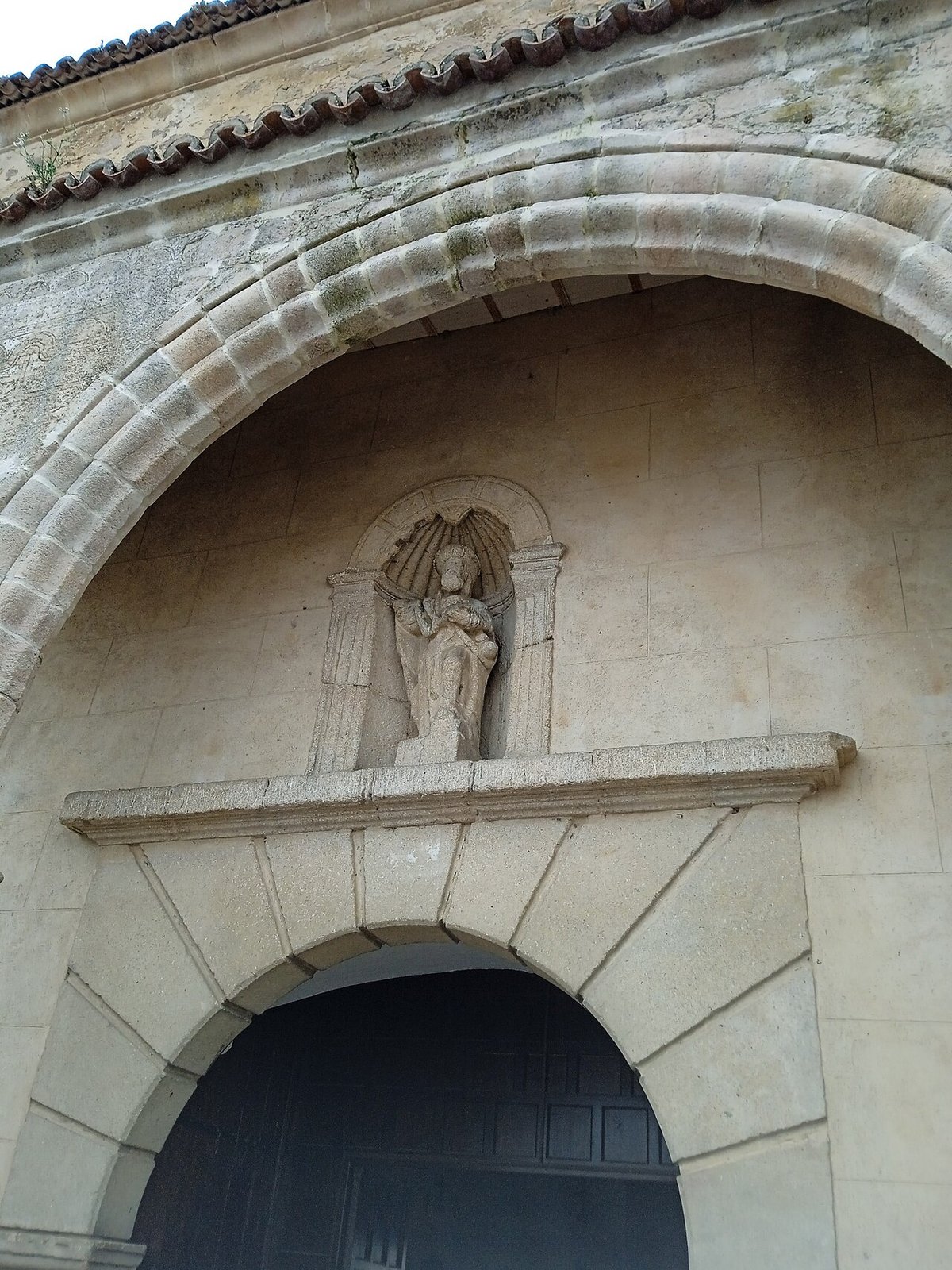
La estructura es simple: casas de piedra y adobe, tejados de teja curva y calles cortas donde te orientas en cinco minutos. La calle principal lleva a la iglesia parroquial de San Juan Bautista, que suele fecharse en el siglo XVI, aunque como muchos edificios por aquí, ha ido cambiando con el tiempo.
Hay pocos servicios y poca actividad constante. Eso, en cierto modo, forma parte del atractivo. A última hora de la tarde es normal ver a algún vecino paseando al perro o volviendo del campo. Son escenas cotidianas que en una ciudad pasarían desapercibidas; aquí marcan el ritmo del lugar.
Lo que importa está fuera
Lo que define realmente Casas de Miravete empieza donde acaba el último muro. A pocos kilómetros, los caminos rurales se enredan entre encinas bajas, jaras y cerros suaves. No son rutas de senderismo señalizadas; muchos son caminos de trabajo, usados desde hace décadas por ganaderos y agricultores.
Eso tiene sus ventajas e inconvenientes. Por un lado, caminar aquí se siente como estar en un campo que funciona, sin carteles ni itinerarios cuidadosamente escenificados. Por otro, conviene tener cierto sentido de la orientación básico porque no hay paneles informativos cada dos por tres.
Desde algunos puntos altos puedes atisbar el curso del Tajo entre bosque de ribera. No siempre aparece a la primera porque el terreno sube y baja, pero cuando la vista se abre entiendes mejor cómo encaja todo este paisaje.
Las estaciones cambian mucho el tono del entorno. En primavera florecen las jaras y tiñen el matorral; en otoño todo se vuelve ocres y verdes apagados; el invierno lo desnuda aún más y ese silencio del que hablaba se nota todavía más.
La gracia está en no planificar demasiado
Este es uno de esos sitios donde planificar al milímetro no sirve de mucho. De hecho, funciona mejor con un enfoque más relajado.
Un simple paseo por el pueblo puede llevarte fácilmente a uno de esos caminos vecinales y desde ahí al paisaje de encinar. No hace falta equipo especial ni grandes distancias; es más bien eso: andar sin prisa, fijarte en el terreno, escuchar quizá una esquila lejana del ganado y quedarte con la sensación de que aquí el tiempo pasa a otro ritmo.
En temporada hay quien sale por estos cerros a buscar setas. Níscalos sobre todo –los típicos robellones– junto con otras variedades locales. Es algo que se lleva haciendo aquí desde siempre aunque eso sí: sabiendo bien lo que se recoge.
Una cocina sin florituras
La cocina por esta parte del Campo Arañuelo tira mucho del producto local: cerdo ibérico criado en la dehesa, queso de cabra, miel colmenares desperdigados por el campo… Son guisos contundentes pensados para jornadas largas al aire libre –comidas más pesadas parecen– ancladas en la costumbre antes que en los menús elaborados.
Hablando con gente del pueblo enseguida salen recetas tradicionales –migas extremeñas caldereta…– platos serios para días serios.
Cuándo aparecer por aquí
Primavera y otoño son probablemente las mejores épocas para venir hasta Casas Miravete El campo está más vivo resulta más agradable caminar con temperaturas suaves .
El verano puede ser intenso como casi toda Extremadura Si vienes entonces conviene madrugar salir temprano esperarse última hora tarde . El invierno trae días fríos muy tranquilos paisaje despejado desnudo .
Una parada breve con sentido
No vengas pensando llenar varios días visita Cas Miravete funciona mejor como escala corta dentro ruta más amplia por Campo Arañuelo camino otros puntos Extremadura .
Date tiempo pasear pueblo seguir camino entre encinas pararte mirar tierra luego seguir viaje . Lo que te llevas sensación haber visto sitio sigue su propio ritmo sin intentar convertirse otra cosa .