Full Article
about Casatejada
Noble village in the Campo Arañuelo with palaces and a church listed as a BIC.
Ocultar artículo Leer artículo completo
The church bell strikes nine and the main street hasn't yet shaken off its dawn hush. A woman in a housecoat waters geraniums on a first-floor balcony; two elderly men stand beneath, discussing yesterday's rainfall with the intensity most people reserve for football results. This is Casatejada, 272 metres above sea-level in the Campo Arañuelo, and the daily rhythm is already set: slow, conversational, observant.
At barely 1,300 inhabitants, the village can be crossed in ten minutes, yet most visitors find themselves lingering longer. The reason is simple: nothing here demands attention, everything invites it. Whitewashed façades flake just enough to reveal earlier colour washes—terracotta, ochre, sun-bleached blue. Window grilles throw lace-like shadows onto the pavement; a stork lands on the parish tower with a clatter that echoes down the narrow lanes. It is ordinary life, but framed so clearly that even seasoned travellers pause.
Inside the Walls, Outside the Frame
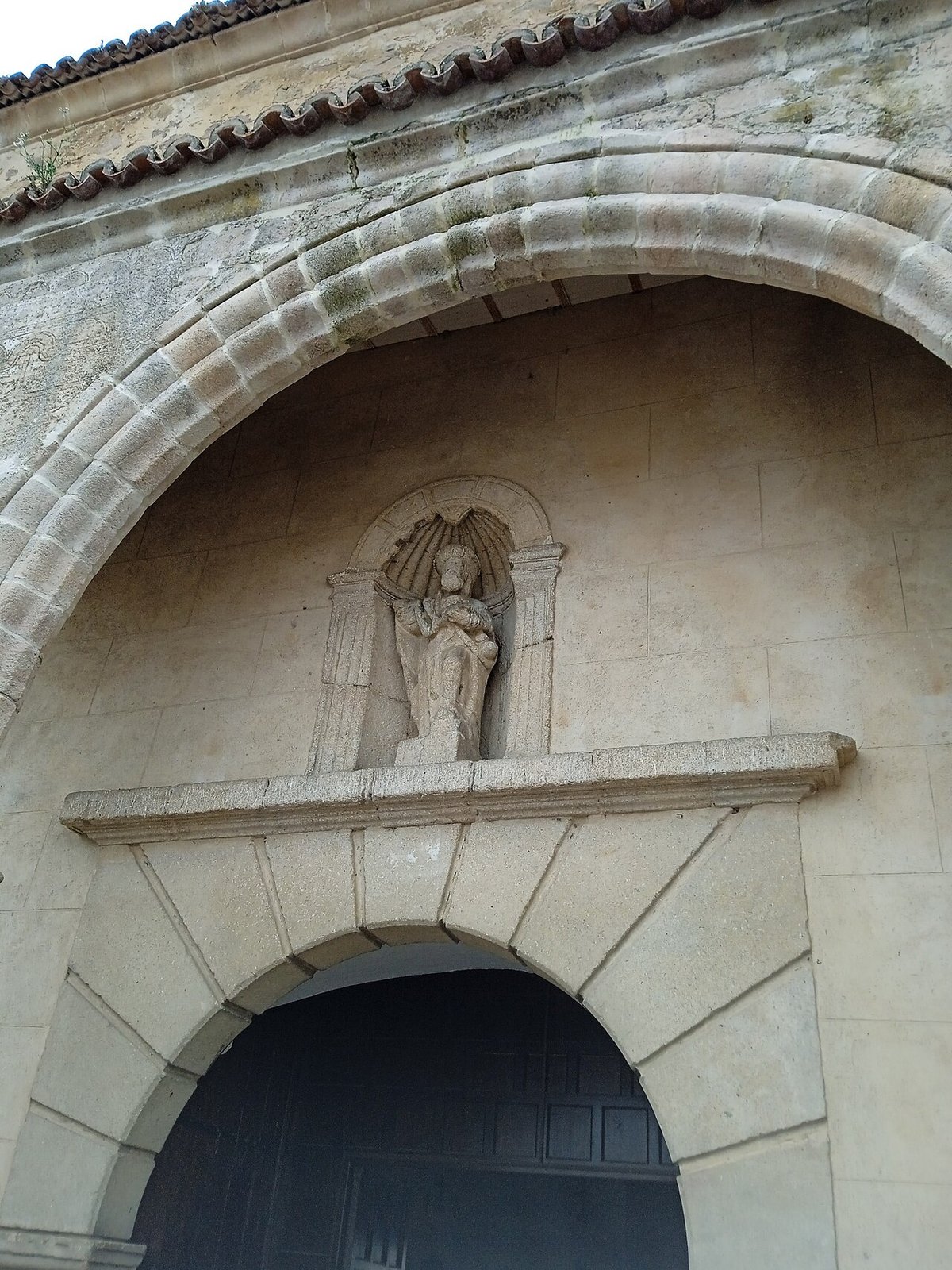
The Iglesia de Nuestra Señora de la Asunción sits halfway up a gentle rise, its brick bell-tower acting as a compass point. Step in around mid-morning and you'll catch shafts of light sliding across a 16th-century side chapel, picking out the gilt on a modest-sized altarpiece. Restoration work in 2019 cleaned layers of candle soot from the frescoes; colours that once looked tobacco-brown now glow cinnamon and moss-green. The custodian, if he's about, will point to a Roman stone recycled in the north wall—no rope, no label, just a hand-scrawled note taped beneath. It is the sort of museum-label minimalism money can't buy.
Casatejada's real gallery, though, is the residential fabric itself. Houses are built from local granite and mampostería—rubble stonework—then limewashed each spring before fiestas. Peer over an open doorway and you may find a patio no larger than a London studio flat, yet with a lemon tree, a well head fashioned from an old millstone, and a caged canary singing like it's on stage at Glyndebourne. These spaces aren't designed for tourism; they're simply lived in, doors ajar because everyone knows everyone else.
The Dehesa at Walking Pace
Five minutes' stroll from the last streetlamp, tarmac gives way to a dirt track that slips between holm oaks and cork farms. This is dehesa country: man-made pasture woodland that supports both livestock and wildlife. In April the grass is vivid enough to rival early English lawn, by August it has bleached to pale wheat. Either season, the temperature drops a couple of degrees once you pass under the tree canopy—welcome relief when the plain regularly tops 38 °C.
Footpaths are unsigned but followable: look for the twin ruts of farmers' trucks and the occasional concrete post stamped "C.L."—coto de caza, hunting estate. Public rights of way exist, yet courtesy matters. If a gate is closed, close it again; if a shepherd waves you back, retreat. From October to February shotguns sound most Sundays, so a bright jacket and a polite "¡Buenos días!" prevent awkward moments.
Cranes arrive with the first November frosts, flying in V-formation from northern Europe to roost on the nearby reservoirs. Dawn and dusk provide the best spectacle: several thousand birds lifting against a peach-coloured sky, their bugle calls carrying for kilometres. You won't need hides or massive lenses; find a farm track, switch your phone to silent, and wait. Patience is rewarded long before any Instagram post.
What Arrives on the Table
Food here is calendar-driven, not menu-driven. Visit in late January and every bar smells of woodsmoke and rendered pork—matanza season. Families still gather to slaughter one pig, sharing out morcilla (blood pudding flavoured with local oregano), chorizo spiced only with pimentón de la Vera, and loin that will hang in attic rafters until summer. Restaurants buy surplus, so order the plato de matanza at Casa Emilio Fm and you get a sampler of every cut, plus a glass of Tempranillo for €9. Portions are huge; the British trick of asking for a child's plate raises no eyebrows and saves wastage.
Spring brings mountain thyme honey, thick as set custard, served simply with fresh cheese made from merino milk. By late May the first figs appear, split and jam-sweet; locals eat them skin-on, wrapped in translucent serrano. Summers are for gazpacho extremeño, a bread-thickened cousin of the Andalusian classic, topped with diced ham and hard-boiled egg. If the mercury passes 40 °C, kitchens close and even the dogs siesta until seven.
Vegetarians aren't forgotten, but they need to speak up. Migas—fried breadcrumbs—arrive automatically with a side of panceta; request "sin carne" and you'll get peppers, garlic and a fried egg instead. Vegan options remain limited: pack emergency almonds unless you're happy surviving on tomato salad and olives.
When to Arrive, When to Leave
Spring and autumn remain the most forgiving seasons. March orchids pepper the roadside banks, while late-October light turns stone walls deep amber. Both periods offer daytime temperatures of 18–24 °C—T-shirt weather in Cornwall, perfect walking weather here. Rain arrives in sudden theatrical bursts; within an hour puddles evaporate and the slate roofs steam like fresh loaves.
July and August belong to the initiated. The village empties by 14:00 as even the swallows seek shade; sensible visitors adopt the same timetable. Mornings are for excursions, afternoons for siesta or reading under a ceiling fan. Bars reopen around 20:00 and the streets remain animated until well past midnight, conversation spilling from tavern doorways.
Winter is quiet, sometimes eerily so, yet birdwatchers relish the emptiness. Night-time temperatures occasionally dip below freezing; Casa Rural El Botánico keeps rooms heated with wood-burners fuelled by pruned olive branches. Driving after dark requires caution: the A-5 is fast but the final 20 km snake across open plateau where black ice forms quickly. Carry a blanket and charged phone; there is no 24-hour breakdown service.
Moving On
Casatejada works best as a pause rather than a destination. From London it's a three-flight, four-hour-drive proposition: Gatwick to Madrid, pick up a hire car, west on the A-5, exit at Navalmoral de la Mata, then south on the EX-118. Total journey time door-to-door: roughly eight hours—manageable for a long weekend if you fly Thursday evening, but tight for less. The village itself needs half a day; pair it with the Roman ruins at Cáparra 25 minutes away, or continue to the granite cities of Cáceres and Trujillo. Stay two nights and you'll recognise the same faces twice; stay three and they'll greet you like a cousin returned from university.
There is no souvenir shop, no craft market, no vineyard tour. What you take away is subtler: the memory of cold morning air scented with woodsmoke, the sight of cranes banking above an oak silhouette, the taste of honey that began life on a hillside you walked an hour earlier. It's a small exchange, but one that lingers long after the motorway swallows you back towards Madrid.
Come for the birds, for the cheese, for the unhurried conversation of strangers who treat maps as an introduction. Leave before the spell becomes routine; Casatejada belongs to its residents, and they lend it graciously—provided visitors remember to hand it back.