Full Article
about Higuera
Small town near Almaraz with archaeological remains nearby.
Ocultar artículo Leer artículo completo
The church bell strikes noon, yet only three tables are occupied at the village bar. A farmer in mud-splattered boots nurses a cortado while discussing olive prices with the proprietor, who periodically disappears to stir a pot of cocido. Nobody checks their watch. This is Higuera, population 112, where siesta lasts until the body says otherwise and where British visitors are still novel enough to prompt gentle curiosity rather than commercial zeal.
Arrival requires intention. The nearest railway station lies fifty kilometres away at Zafra, and the bus service operates on what locals call "horario flexible" - it turns up when it turns up. A hire car from Seville airport (ninety minutes southwest) proves essential, the final approach winding through dehesa landscape where black Iberian pigs root for acorns beneath holm oaks. Mobile signal falters five kilometres out; by the time the village's whitewashed houses appear, Google Maps has given up entirely.
Morning Light on Adobe Walls
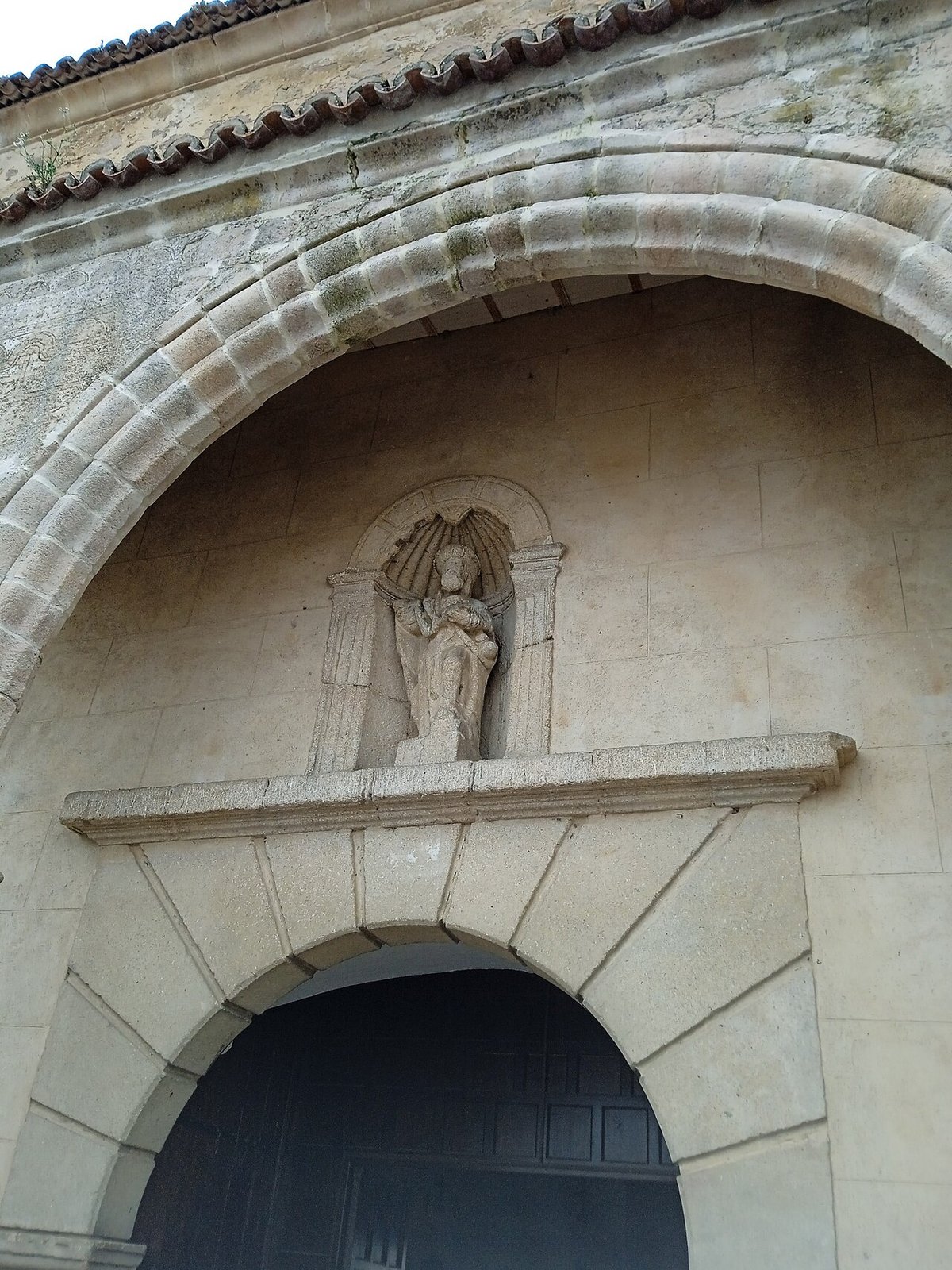
Higuera's centre spans precisely four streets, arranged in an irregular cross around the fifteenth-century Iglesia de San Juan Bautista. The church's weathered stone bell tower leans slightly, not through structural defect but from centuries of minor earthquakes that Extremadura dismisses as "temblores pequeños." Inside, baroque gilt clashes magnificently with humble adobe walls - the local architect ran out of money midway through renovation in 1783, leaving half the interior in its original mud-brick simplicity.
Residential architecture rewards close observation. Doorways stand precisely 1.8 metres high - designed for seventeenth-century stature rather than modern frames, as several bruised foreheads attest. Windows feature the distinctive rejería of Extremadura: wrought-iron grilles forged by travelling craftsmen who'd spend winter months in each village, paid partly in olive oil and lambs. Many still contain their original fittings; the house at number seven Calle San Pedro retains a 1742 lock mechanism that requires the sort of key more commonly seen in cathedral treasuries.
Beyond the built environment lies the real reason for visiting. Three marked footpaths radiate from the village perimeter, though "marked" proves optimistic - the yellow paint flakes from stone cairns with monotonous regularity. The most rewarding route heads northeast toward the abandoned cortijo of El Castañar, forty-five minutes across dehesa where cinereous vultures wheel overhead. Early morning walkers might encounter wild boar prints pressed into dried mud, though the animals themselves remain sensibly shy.
The Politics of Lunch
Food options are limited to two establishments, both operating on distinctly Spanish schedules. The Bar Central opens for breakfast at seven - coffee and toasted mollete bread with local olive oil - then closes abruptly at eleven when Pilar, the proprietor, goes home to prepare lunch. This midday meal runs from two until four, featuring pluma ibérica (the pig's tender shoulder steak) at €12 including wine. Vegetarians face the traditional Extremaduran challenge: the menu del día offers gazpacho followed by migas (fried breadcrumbs with chorizo) and flan. Advance notice produces an excellent revuelto de setas - scrambled eggs with wild mushrooms gathered from the surrounding hills.
Evening dining requires forward planning. The village's sole restaurant, occupying a converted olive mill on the main road, opens only on Friday and Saturday nights. Their specialty is cochinillo asado - roast suckling pig whose crispy skin achieves the texture of autumn leaves while maintaining moist flesh beneath. A half portion feeds two adequately at €18, accompanied by patatas revolconas (mashed potatoes with paprika and pork fat) that would horrify British cardiologists but delight everyone else. Reservations essential: they prepare one pig daily, and when it's gone, it's gone.
Beyond the Village Limits
Roman history lurks five kilometres south at the Villa de Santa Lucía, where English information boards explain the sophisticated underfloor heating systems that once warmed this agricultural estate. Excavations reveal remarkably preserved mosaics depicting Bacchic revelry, though access remains frustratingly limited to weekend afternoons between eleven and two. The site custodian, Joaquín, worked the surrounding land for forty years before archaeological survey revealed the ruins beneath his olive grove. He now supplements his pension by selling homemade fig jam to visitors at €3 per jar, though conversation rather than commerce motivates him - twenty minutes of polite interest yields detailed explanations of Roman irrigation techniques and possibly an invitation to view his private collection of unearthed coins.
Regional capital Mérida lies forty minutes west, its Roman theatre and amphitheatre forming Extremadura's cultural heavyweight attraction. Many visitors base themselves there for ancient grandeur while using Higuera as antidote to tourist crowds. The contrast proves stark: Mérida's restaurants offer ten-page menus in six languages; Higuera's bar owner still calculates bills on the back of an envelope, occasionally making errors in the customer's favour because "you seemed nice."
Practical Realities
Accommodation options total three: two casa rurals and one room above the Bar Central. The most comfortable, Casa Huerta Honda, occupies a nineteenth-century merchant's house whose roof terrace surveys the village and surrounding plains. Rates start at €65 nightly including breakfast - toasted bread with olive oil, fresh orange juice, and coffee strong enough to maintain heartbeat regulation. Air conditioning remains notable by its absence; July and August visitors should request the ground-floor room whose metre-thick walls maintain more civilised temperatures.
Cash remains king. The village's solitary ATM dispensed its final euro in 2019 and nobody has bothered repairing it. Card payments are accepted nowhere, including accommodation, so stock up in Zafra or Jerez de los Caballeros before arrival. Petrol presents similar challenges - the nearest station sits twenty kilometres away in Alcuéscar, closed Sundays and daily between two and five. Running out of fuel here involves lengthy waits while someone's cousin drives over with a jerry can and opinions about British organisation skills.
When to Travel, When to Stay Away
Spring delivers Extremadura at its most obliging - temperatures hover around twenty degrees, wildflowers transform the dehesa into a pointillist painting, and village fiestas occur with reassuring regularity. The annual romería in late April sees locals process to the countryside shrine of the Virgen de la Estrella, carrying picnic hampers containing enough food to sustain a small army through several days of celebration. Visitors are welcomed enthusiastically, though participation requires stamina - proceedings begin with mass at seven AM and continue through dawn the following day.
Summer offers brutal honesty about Spanish climate. Temperatures regularly exceed forty degrees; shade becomes currency more valuable than euros. The sensible retreat indoors between noon and five, emerging only when shadows lengthen and the village's single street becomes negotiable without risking heatstroke. August sees half the population depart for coastal regions, leaving shuttered houses and a vaguely apocalyptic atmosphere that some find haunting and others merely inconvenient.
Autumn brings the olive harvest, when ancient trees shake to the rhythm of mechanical harvesters and the air carries the green scent of crushed fruit. This is working countryside rather than tourist attraction - visitors who wander among the harvest risk polite but firm requests to relocate from farmers whose livelihood depends on efficiency rather than ambience. Better to observe from established paths, where the spectacle of agricultural tradition continues largely unchanged since Roman times.
Winter strips the landscape to honest bones. Dehesa trees stand stark against grey skies; vultures become more visible without summer foliage. Days remain mild at thirteen degrees, but nights drop to freezing and village houses lack central heating. This is Extremadura for the committed - those seeking authenticity over comfort, prepared to layer clothing and accept that Spanish rural life in January involves more silence than most British visitors find comfortable.
Higuera offers no postcard perfection, no Insta-ready moments beyond the occasional sunset that sets adobe walls glowing like embers. What it provides instead is Spain before tourism, where time's passage follows agricultural rhythm rather than commercial imperative. Visit for two hours and you'll leave slightly puzzled; stay for two days and something shifts in your perception of what constitutes worthwhile travel. The village asks nothing beyond respectful observation, yet rewards those who adjust to its cadence with insights unavailable in guidebooks or glossy brochures.