Full Article
about Navalmoral de la Mata
Capital of Campo Arañuelo; a modern, commercial town with a famous carnival.
Ocultar artículo Leer artículo completo
The A-5 motorway uncoils west of Madrid and, after two hours of olive trees and shimmering heat, a single green sign offers the first hint that Navalmoral de la Mata exists. Most Britons thunder past, eyes fixed on Seville or the Algarve. Those who flick the indicator left at junction 208 discover a town that refuses to dress up for visitors, yet still hands out the friendliest welcome between the capital and the Portuguese border.
Navalmoral is not pretty in the postcard sense. Its twentieth-century railway siding and modern blocks of flats have erased almost all trace of the older settlement that once clustered around the Counts of Altamira’s palace. What remains is a working market centre of 17-odd thousand souls who buy their cherries from Tuesday’s open-air stalls and queue for churros at dawn on festival days. For travellers, that lack of varnish is precisely the appeal: prices stay sane, menus stay Spanish and strangers are noticed for all the right reasons.
Plaza life and paper tablecloths
Every Spanish town worth its salt has a nerve-centre square; Navalmoral’s is simply called Plaza de España. By six o’clock the metal tables outside Bar Central have multiplied like rabbits across the stone paving. Office workers swap shoulder bags for cañas of beer while grandparents share polystyrene trays of fried almonds with grandchildren still in school uniform. Order a glass of local red—€2.20 in 2024—and you will usually be asked where you are headed, how you found the place, and whether you need directions to the nearest cashpoint (the small one inside the Cajamar tends to accept UK cards when the street-front machines refuse).
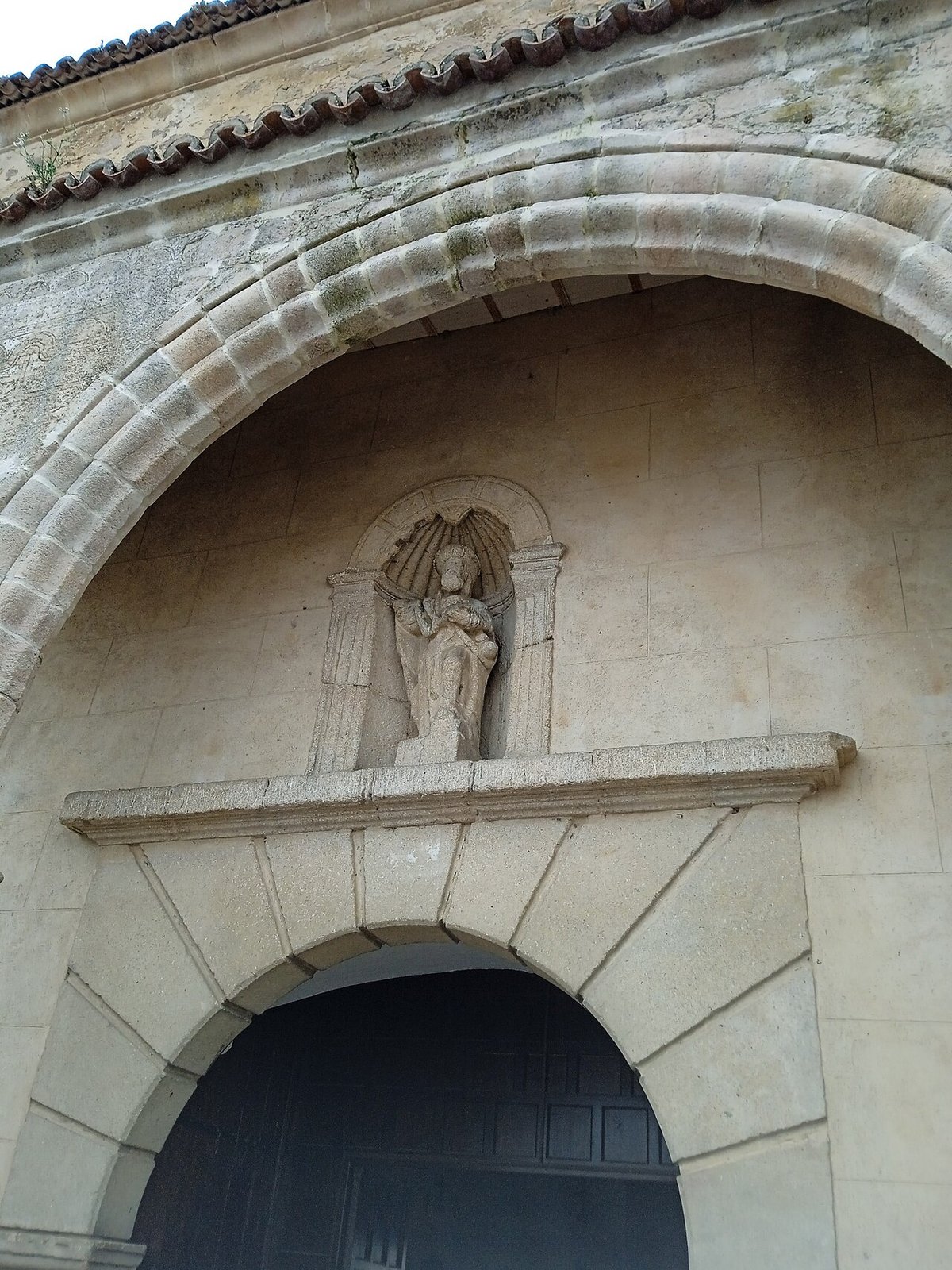
Walk two minutes south-east and the church tower of San Andrés Apóstol rises above a jumble of tiled roofs. Step inside and you move through four centuries in four paces: a plateresque chapel, a Baroque retablo gilded with American gold, and a 1950s side-aisle patched after Civil-War damage. The custodian will switch the lights on if you slip fifty cents into the box; photography is allowed, flash discouraged.
Steak, stew and the art of sitting still
Spanish mealtimes defeat many British stomachs, but Navalmoral rewards flexibility. Kitchens open at 1.30 p.m. and close around 4 p.m.; turn up at 4.05 and you will be offered crisps and apologies. Asador El Rincón de Cocoto, on Calle Gómez Becerra, is the place locals recommend for chuletón, a rib-eye the width of a railway sleeper that arrives on a hot stone to finish cooking while you pour the wine. Two people can share a kilo for €38—half the cost of a similar slab on the Costa del Sol—and chips arrive without having to negotiate for them. If red meat feels excessive, the caldereta extremeña is a gentle lamb stew scented with sweet pimentón from La Vera, the smoked paprika region 40 minutes north. Vegetarians do better at lunchtime, when most bars whip up a revuelto de setas (wild-mushroom scramble) even if it isn’t chalked on the board.
Dessert is harder to refuse once you know about the cherry cake. The Valle del Jerte begins twenty minutes up the CV-20, and when the short season hits in June Navalmoral’s pastelerías stack the airy almond sponge with local fruit. A slice costs €2.80 and justifies skipping breakfast the next morning.
Flat roads and bird hides
The town sits at 285 metres above sea-level, low enough to avoid the mountain chill yet high enough that summer nights lose the day’s furnace heat. The surrounding Campo Arañuelo is essentially a giant plateau wrinkled by the Tagus river and its reservoirs. Cyclists like the network of concrete farm tracks that fan out towards olive groves and irrigated maize; gradients barely trouble the small chain-ring, though you will need two bottles between May and October when the mercury brushes 38 °C.
Walkers head for the Arrocampo reservoir embankment, seven kilometres north on the EX-118. The plant-filled waterbody was built to cool the Almaraz nuclear reactors, but the reeds and shallows have become a magnet for herons, purple swamp-hen and, in winter, great flocks of common crane. Two hides overlook the main channel; bring binoculars and patience rather than hiking boots—the path is flat, circular and only 4 km long. Entry is free; the barrier opens at 8 a.m. and closes at sunset.
Market day mayhem and where to leave the car
Tuesday is mercadillo. Farmers from the hill villages roll in before seven with vans full of lettuces and cheap socks, blocking Calle del Generalísimo and most of the central car parks. If you are overnighting, choose the underground car park beneath Plaza de España (€0.80 per hour, maximum €8.50 per day) on Monday evening and leave the keys alone until the stalls pack up around 2 p.m. Outside those hours Navalmoral is gloriously simple: white bays on side streets are free, blue bays are €1 for four hours, and the town is small enough that nowhere is more than a ten-minute stroll from the middle.
When to come, when to stay away
Spring and autumn give the best balance of temperature and daylight. In April the plains blaze yellow with mustard flowers; October smells of new olive oil and wood smoke. August is workable if you adopt the local timetable—out early, siesta, back out after nine—but rooms without air-conditioning can be sticky and the reservoir footpath offers zero shade. Winter is quiet, damp and frequently grey thanks to the Tagus micro-climate; hotel prices drop by a third and bars still serve hearty stews, yet countryside walks can turn muddy.
Bank holidays to note: San Andrés festivities (late November) and the May Feria fill every bed within 30 km; book ahead or arrive two days early and enjoy the build-up. Semana Santa processions are low-key compared with Seville, but drums echo through the streets from Maundy Thursday until Easter Sunday—light sleepers should request a room at the rear of the Hotel Exe Victoria.
The bottom line
Navalmoral de la Mata will never feature on a glossy “Ten Most Beautiful Towns” list, and locals prefer it that way. It works better as a pause on a long drive, a base for cherry-route excursions, or simply a place to watch modern Spain go about its business without a selfie-stick in sight. Turn off the motorway, park for free, eat better than you have all week and leave the following morning with change from a fifty. Sometimes the most useful discoveries are the ones that never bothered to advertise.