Full Article
about Peraleda de la Mata
A Campo Arañuelo village with archaeological remains and farming tradition.
Ocultar artículo Leer artículo completo
At 341 metres above sea level, Peraleda de la Mata is just high enough for the evening air to carry the smell of oak smoke and rendered pork fat down its single main street. The village sits on the northern lip of Extremadura’s Campo Arañuelo, a district that treats the word “plain” as loose guidance rather than geography. From the mirador outside the cemetery you can watch the land collapse into the Tajo valley, the oak scrub thickening until it meets the blue blade of the Valdecañas reservoir five kilometres away. It is the sort of view that makes you check your phone for signal bars—surely something this spacious demands a ticket office.
Stone, Tile and the Occasional Surprise
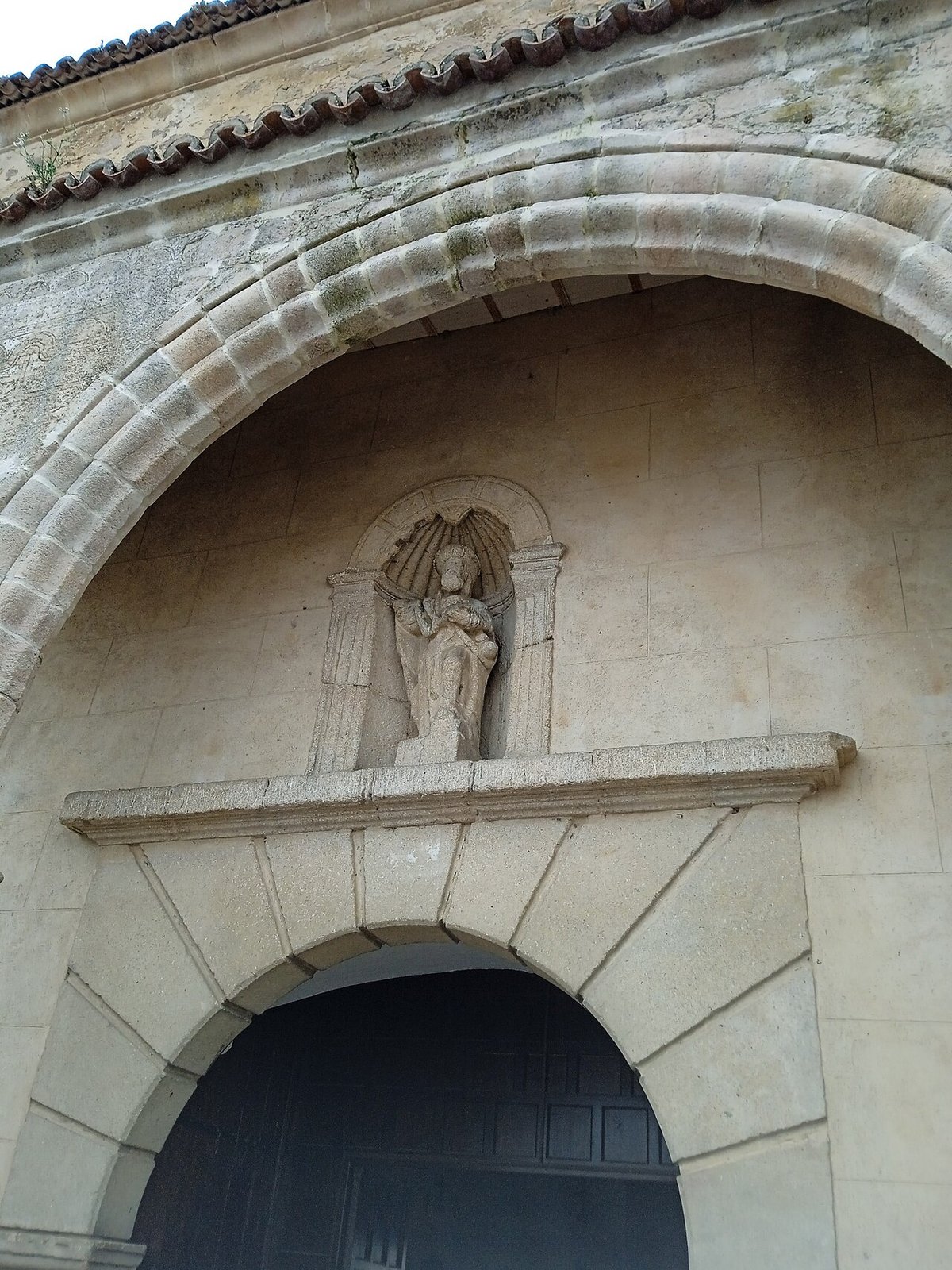
No one comes here for cathedrals. The parish church of San Martín is a modest sandstone block whose bell-tower started life as a 14th-century defensive tower; the slit windows are still visible if you stand on the opposite pavement by the bakery. Inside, the nave widens abruptly, proof that two centuries of villagers kept deciding the place wasn’t quite big enough. The altarpiece is gilded but not flashy—Extremadura never had Seville’s New World silver—and the side chapel contains a plaster Cristo de la Humildad whose ivory teeth were added in 1992 after the local dentist offered to “sort the poor chap out”.
Away from the square the streets narrow and tilt, following the bedrock rather than any surveyor’s line. Houses are built from the same honey-coloured stone, roofed with curved Arab tiles that turn the colour of burnt toast after a winter. Front doors open straight onto the street, but most have a second, wider gate leading to an interior patio where the family butchering still happens every January. Peek through the iron bars and you’ll see hams hanging like muddy cricket bats, dripping onto newspaper spread over the flagstones.
Walking the Dehesa Without a Footpath
The village boundary is theoretical. Past the last streetlamp the dehesa—UNESCO-listed oak pasture—simply swallows the place. There are no way-marked loops, no wooden stiles, only the old drove roads that once took Merino sheep to León. Pick any track heading west and within twenty minutes the only sound is acorns popping under your boots. In late October the ground looks carpeted; pigs snuffle so deep they disappear, re-emerging grey with soil and truffles.
Spring is the obvious season: the grass greens overnight, wild irises appear along the stone walls and the night temperature stays above 8 °C. But winter has its own pull—crisp air, empty skies and the annual arrival of common cranes that roost on the reservoir islands. They leave again at first light, skeins calling like faulty trumpets over the rooftops. Bring binoculars and a flask; there are no hides, just the stone lip of an abandoned wine press that makes a serviceable seat.
If you insist on a destination, walk the three-kilometre track to the Embalse de Valdecañas dam. The gradient is gentle, the surface firm enough for trainers after April. Fishermen gather at the concrete spillway for black-bass and pike-perch; they’ll nod hello but rarely speak—silence is part of the etiquette. A stony beach curls away from the dam wall; water shoes recommended unless you enjoy limping across fist-sized shale.
Calories, Cash and Other Necessities
Food is not theatre here. The single restaurant on Calle Real opens only at weekends outside summer, and the menu rarely strays beyond cordero a la caldereta (lamb stew thickened with bread) or migas—fried breadcrumbs laced with garlic, grapes and the village’s own chorizo. Portions are built for men who spent the morning hauling feed sacks; order the half-ración unless you fancy a siesta on the pavement. Vegetarians get eggs, cheese and the season’s first cherries sold from a card table on the plaza—payment goes in an old tobacco tin, no questions asked.
Bring cash. The village lost its only cashpoint in 2018 when the bank decided one visit a week from the security van was one too many. Cards are accepted at the hotel by the golf course (five minutes’ drive, pool, £85 double B&B) but nowhere else. Stock up in Navalmoral de la Mata before you arrive: the Covirán supermarket there sells Cathedral City cheddar for the homesick and stocks tonic for the gin you remembered to pack.
When the Village Decides to Stay Up Late
For fifty-one weeks of the year Peraleda goes quiet after the 22:30 church bell. Then, in mid-September, the fiestas del Cristo de la Humildad arrive and someone wheels a sound system onto the basketball court. The programme is printed on pink paper and stuck to every front door: Friday night, orchestrated brass band that knows three ABBA songs; Saturday, foam disco followed by migas cooked in a vat the size of a rowing boat. Sunday is the procession itself—men in brown robes carry the toothy Christ round the streets while women walk behind handing out plastic cups of cold beer. It is either deeply devotional or faintly surreal, depending on temperature and hangover.
November brings the matanza weekend, technically private but impossible to miss if you stay in the village. Pig fat steams in every patio, and the air hangs heavy with paprika and woodsmoke. Visitors with strong stomachs may be handed a slice of fresh morcilla, still warm from the copper pot. Politeness dictates you eat it; the flavour is iron-sweet, miles away from supermarket black pudding.
Getting There, Getting Out
No train, no bus, no apology. Fly to Madrid, pick up a hire car at Terminal 1 and head west on the A-5 for 150 kilometres. After the Navalmoral exit the landscape folds into gentle hills; turn right onto the EX-118 and Peraleda appears so quickly you’ll probably overshoot the first junction. The road is single-track for the final kilometre—if you meet a tractor, reverse etiquette applies: whoever is closest to a passing place backs up. In July the asphalt softens; tyre marks blacken the surface like licorice strips.
Leave time for the return journey. The A-5 is a fast road but Spanish truck drivers treat the inside lane as a suggestion, and the petrol station at Oropesa sells jamon-flavoured Walkers that could pass as lunch if Madrid traffic eats your afternoon. Winter fog can close the motorway without warning; carry water and a coat even for a two-hour hop.
Worth It?
Peraleda de la Mata will not change your life. It offers no infinity pool, no Michelin bib, no souvenir shop. What it does give is a calibration point: a place where lunch is dictated by the pig killed last January and where the loudest noise is still the church bell that cracked in 1873. If that sounds like a morning well spent, come in late March, when the storks return to rebuild their chimney-top nests and the cherry trees along the reservoir road throw white confetti over the windscreen. Stay two nights, walk until your boots smell of wild thyme, then drive away before the siesta ends and the village remembers it never invited you in the first place.