Full Article
about Rosalejo
Young irrigation-farming settlement
Ocultar artículo Leer artículo completo
The church bell strikes noon and the only other sound is a tractor ticking itself cool outside Bar Rosi. No tour buses idle, no souvenir shop spills onto the pavement, just a scattering of men in work boots discussing tomato prices over small glasses of amber beer. This is Rosalejo, population five thousand, parked in the middle of Campo Arañuelo, a region the guidebooks haven’t bothered to map properly.
A Grid, Not a Maze
Spanish villages usually spiral around a castle or church; Rosalejo was laid out in the 1950s after an agrarian reform, so the streets run straight and the houses sit squarely on them. Whitewash is fresh, gutters are level, nobody boasts about fifteenth-century arches because there aren’t any. Instead, the architecture is a working timeline: single-storey cottages with wooden doors salvaged from earlier farms, brick bungalows added when children married and stayed, and the occasional glass-and-concrete dentist surgery that arrived with EU grants. Walk the grid slowly and you’ll spot the details—iron knockers shaped like acorns, 1960s ceramic house numbers in Bauhaus font, a shrine to the Virgin tiled in the colours of the second republic.
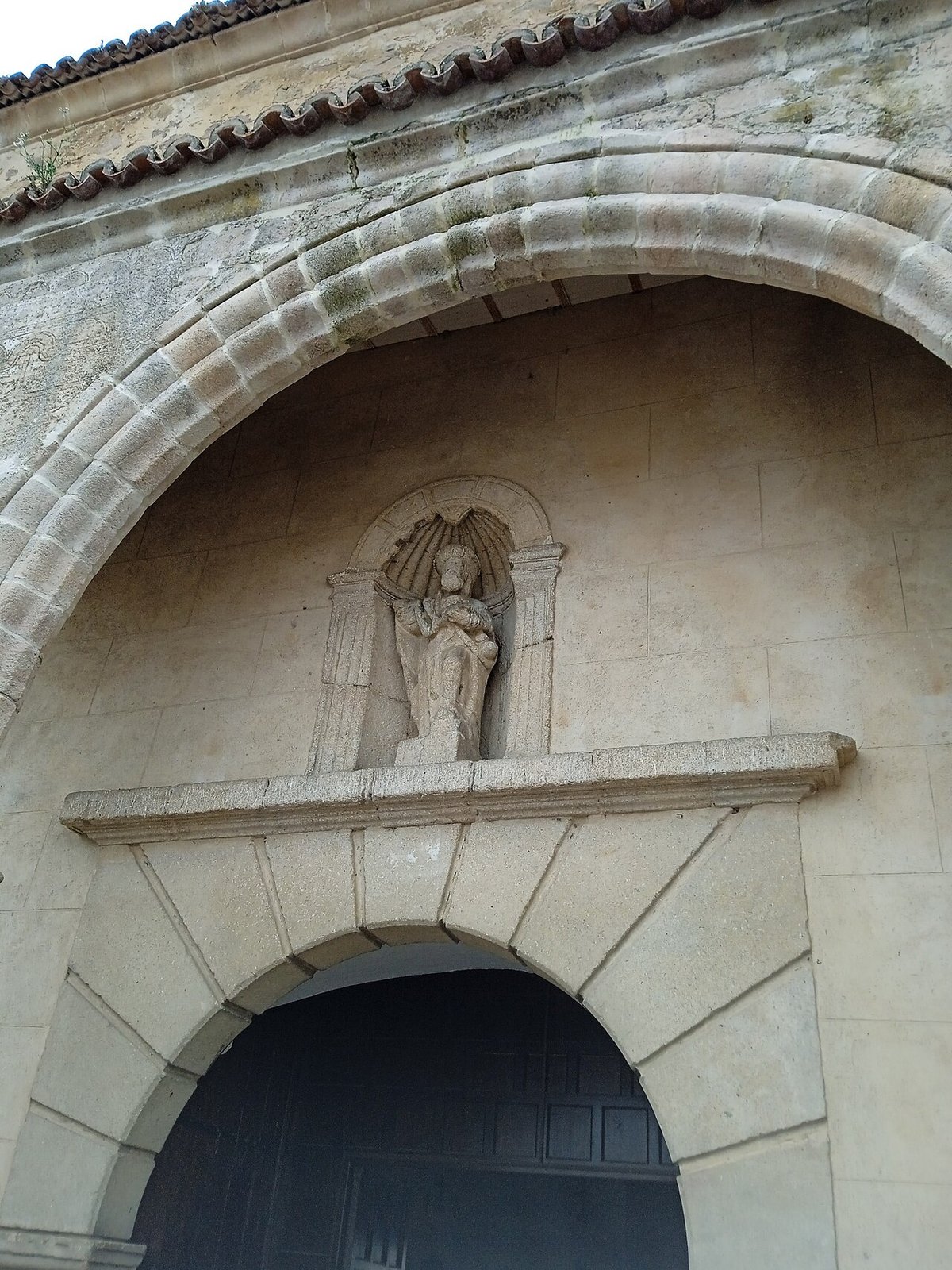
The centre of gravity is the plaza, bare except for four pollarded plane trees and a stone bench warm enough to bake bread in July. On one side stands the parish church, modest but kept immaculate; inside, the smell is of beeswax and the sandstone squish of boots on old kneelers. The priest still announces deaths after the final hymn, which means the whole village hears the news together before mobile reception returns.
Fields That Outnumber People
Leave the last lamppost behind and the world flattens. Wheat, sunflowers and chickpeas take turns occupying kilometre-square plots. Holm oaks are left alone for the Iberian pigs that rootle underneath; their ham will sell in Madrid for €90 a kilo, yet here the butcher charges locals €14. A thirty-minute stroll south brings you to the banks of the Guadyerbas, a modest river that nevertheless persuaded the Romans to build a grain store you can still trace in the grass. Kingfishers clack along the reeds while harriers quarter the meadow beyond—no hides, no entrance fee, just patience and a pair of binoculars you remembered to pack.
Cyclists use the agricultural tracks that link Rosalejo with its bulkier neighbour, Navalmoral de la Mata. The loop is 28 km, almost dead flat, surfaced half with cracked tarmac and half with pale gravel that crunches like breakfast cereal. Expect to meet one car and three dogs; the dogs are friendlier.
Eating What the Field Returned
Monday lunch is a risky hour: the food shop pulls its metal shutter at 13:30 and Bar Rosi runs out of bread soon after. Arrive earlier and you’ll be fine. The house plato combines revolconas—paprika-streaked mash crowned with crispy pork belly—and a glass of local red that costs €1.80. Vegetarians can ask for migas: breadcrumbs fried with garlic and grapes, though the cook may raise an eyebrow because here it is traditionally the pig-less version of matanza day. The nearest goat’s-cheese torta is made 40 km south in Serena; buy one from the chilled counter and it will stay oozy for the drive back to Madrid, should you possess that much willpower.
Evenings smell of woodsmoke and thyme. If you’re invited to a private gathering—more likely than in most of Spain—bring a bottle of decent gin; the Spanish mix it with lemon Fanta and consider it the height of sophistication. The host will probably produce a leg of jamón from under the stairs and slice it paper-thin while recounting the rainfall figures for the last six months. Data matters here.
When the Village Turns the Volume Up
For three days around 15 August the plaza is commandeered by a portable stage and a bar tent that never quite stays level. Brass bands start at midnight; children still ride bicycles between the dancers’ legs. Visitors from Madrid, Asturias and a handful from Kent fill the Posada Hípica, the only rural guesthouse within the municipal boundary. Book early if you insist on a pool; otherwise accept a plastic chair under a eucalyptus and a bucket of iced beer shared with whoever arrives next.
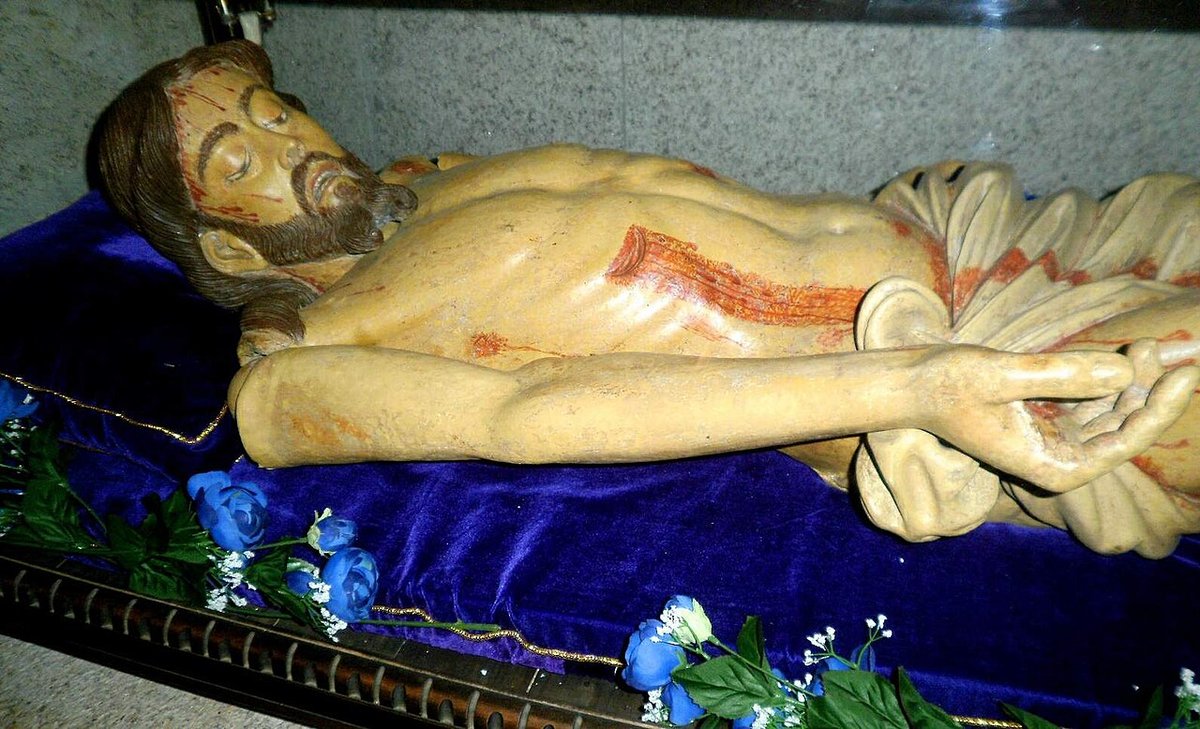
Semana Santa is quieter—one procession, four pasos, hoods the colour of strong tea. Locals take turns shouldering the platforms; outsiders are welcome to slip in at the back where the weight eases. The route is only 600 m but it lasts two hours because every corner demands a hymn and a rest for the widows lining the curb. Temperatures can dip below 5 °C once the sun drops; bring a decent coat and a scarf thick enough to double as seat cushion.
Getting Here, Staying Sane
Madrid-Barajas to Rosalejo takes two hours fifteen on a good day, the final thirty minutes on the EX-118 where storks nest on every second telegraph pole. Fill the tank in Talavera de la Reina; after that, petrol is rumour. There is no cash machine—withdraw in Navalmoral before you turn south. Vodafone and EE flicker to one bar on the village edge; download your map while you still have four-lane motorway beneath the wheels.
Accommodation is limited to La Posada Hípica, eight rooms beside a sand school where rescued horses circle guests at breakfast. Previous British visitors praise the silence and warn about taxi fares (€70 from Talavera station). A smarter option is to stay in Navalmoral, ten minutes away by car, where hotels charge €55 a night and the supermarkets stay open until 21:30. Day-trip in for the baker’s 08:00 batch of churros, then retreat when the August sun begins to sizzle paint.
The Catch
Rosalejo will not hand you Instagram gold. There is no mirador with souvenir telescope, no Michelin mention, no flamenco tablao. If you need constant stimulus you will be counting the minutes until the bar Wi-Fi returns. Come instead with a willingness to slow to the plains’ rhythm—fieldwork starts at dawn, conversations stretch, the night sky is properly dark. Accept that timetable and the village relaxes its shoulders and lets you in.
Leave on a weekday morning and you’ll meet the same tractor still ticking outside Bar Rosi. The driver will lift two fingers from the steering wheel, not because he recognises you but because everyone gets the greeting here. Wave back; it’s the closest thing Rosalejo has to a souvenir, and it travels light.