Full Article
about Talayuela
A key multicultural farming hub surrounded by pine forests and tobacco fields.
Hide article Read full article
A landscape that reveals itself slowly
Tobacco leaves here are as wide as a fan and leave a sweet, lingering scent on your hands. In Talayuela, around six in the morning, the fields of the Campo Arañuelo stretch out like a dark green sea moving at its own unhurried pace. Workers pass between the plants in near silence, keeping a steady rhythm. At that hour the village still smells of freshly baked bread, and the River Tiétar slips beneath a low layer of mist, almost as if it belonged to a different place.
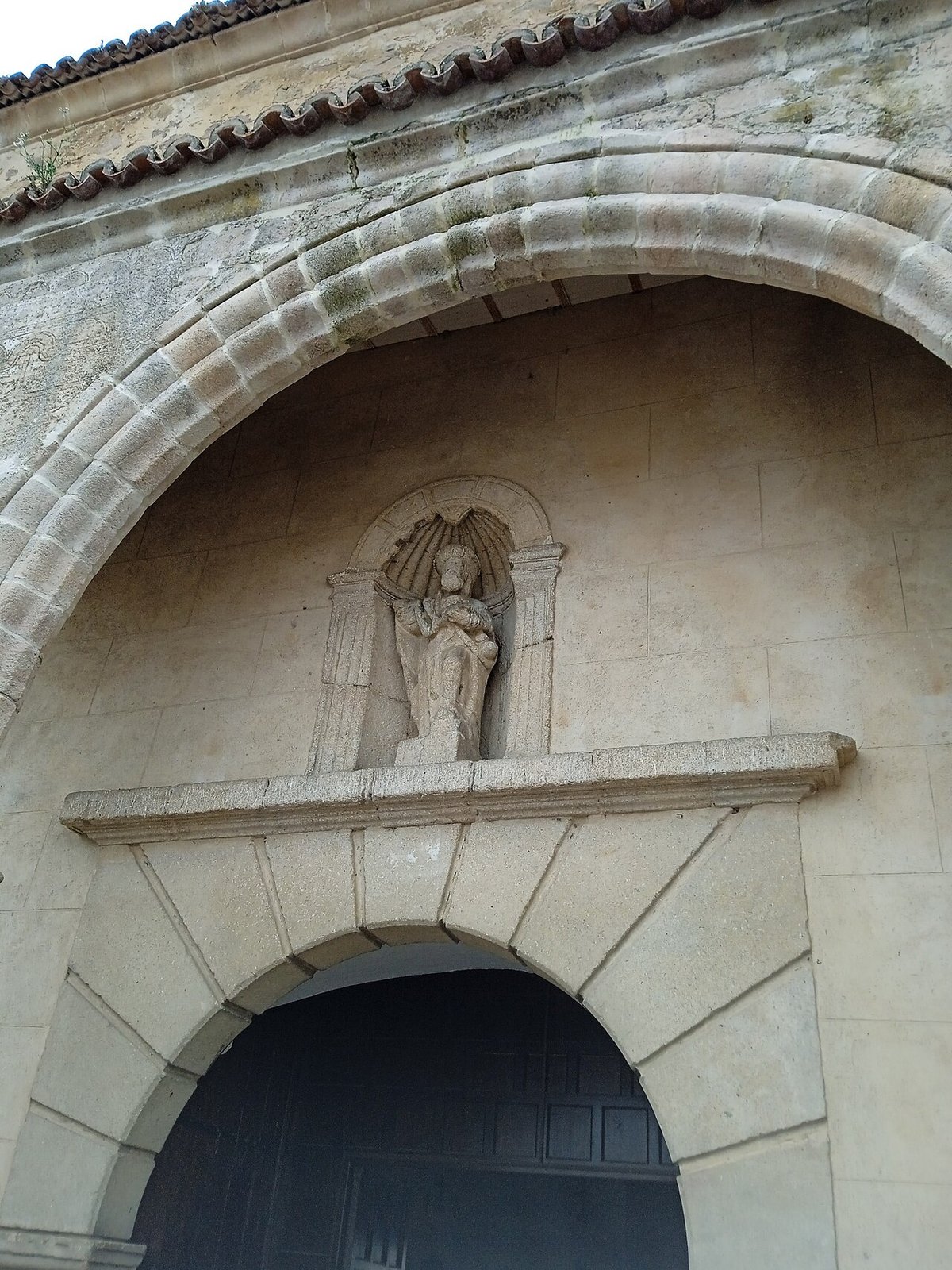
Talayuela is not somewhere that gives everything away at once. It becomes clearer in stages. First comes the church of San Martín, standing in the main square, its stone warmed by many long summers. Inside, an 18th-century altarpiece catches the light in the late afternoon, the gilded details glowing as the sun filters through the side windows.
Beyond that, the layout opens up into wide streets and low houses. In the middle of the afternoon, neighbours gather on the pavements, chatting or playing cards when there is a bit of breeze. A radio might be playing from the doorway of a bar, its music blending with the slow passage of cars.
For decades, tobacco has set the pace in this part of the Campo Arañuelo, a rural area in Extremadura known for agriculture. As soon as you leave the centre, the drying barns begin to appear. These are simple rectangular brick buildings with high windows. From the outside they can look abandoned, but inside, rows of leaves hang for weeks as they cure gradually. If you pass by during the drying season, the smell is unmistakable: sweet, earthy, and heavy in the air.
Along the River Tiétar
Near the town runs the Corredor Ecológico del Tiétar, a natural corridor that brings a quieter side of the landscape into view. There are no large facilities or attention-grabbing signs. Instead, there are dirt paths, scattered pine trees and patches of rockrose that scent the air in spring.
Walking here at an easy pace, there is often movement along the riverbank. Herons appear from time to time, sometimes a kingfisher flashes past, and wild boar tracks mark the mud. It is a place that asks for patience rather than a checklist.
Water is worth carrying, especially when the heat sets in. In summer, the Campo Arañuelo becomes very dry, and shade is scarcer than it might seem from a distance, except near the river itself. Early in the morning or towards evening, the light softens over the crops, and the river takes on a greenish tone that mirrors the surrounding pines.
A golf course among the fields
On the outskirts of Talayuela, there is an unexpected contrast. A large golf course appears, designed in the 1990s by Severiano Ballesteros. It sits among farmland, tobacco barns and cultivated plots, yet inside its boundaries the grass is carefully maintained, breaking the ochre tones of the plain.
The difference is striking but not jarring. At weekends, it tends to draw players from other areas, bringing more movement. During the week, the atmosphere is quieter. From certain points along the course, the Tiétar valley comes into view, with lines of pine trees and the scattered geometry of the drying barns stretching across the landscape.
Everyday life beyond the guidebooks
Talayuela does not revolve around major monuments or widely known festivals. What stands out is found in ordinary moments.
Stopping to talk with locals often leads to stories tied to the land. There are memories of how tobacco was harvested in the past, accounts of the years when new families arrived to work the fields, and reflections on how crops have changed over time. These conversations are part of how the place explains itself.
There is also a visible Moroccan community, which has been part of daily life in the village for years. In some streets, different scents overlap: freshly baked bread, spices, mint. At the weekly market, conversations unfold in a mix of accents, all sharing the same space. It forms part of the human landscape just as much as the fields and river do.
When the fields change
The end of summer and the beginning of autumn bring a noticeable shift. Many of the drying barns are full, and the scent of curing tobacco can be detected even from the road. It is a season when the agricultural rhythm becomes especially visible.
In the hottest months, it is best to move early in the day or later in the evening. The midday sun in the Campo Arañuelo is intense, particularly in open areas where shade is limited.
If you stay until nightfall, there is a moment that feels almost unexpected. Some of the drying barns are lit from within, turning them into glowing boxes scattered across the fields. Above them, the sky is very dark, with stars still clearly visible, something that has largely disappeared in urban areas.