Tiétar - Flickr
psoe extremadura · Flickr 4
Extremadura · Meadows & Conquerors

Tiétar

The church bell strikes noon as two elderly men shuffle their playing cards beneath the plane trees. Neither looks up when a hire car rolls past—th...

835 inhabitants · INE 2025
277m Altitude

Why Visit

Church of San José Obrero Rural life

Best Time to Visit

summer

San José Festival (March) agosto

Things to See & Do
in Tiétar

Heritage

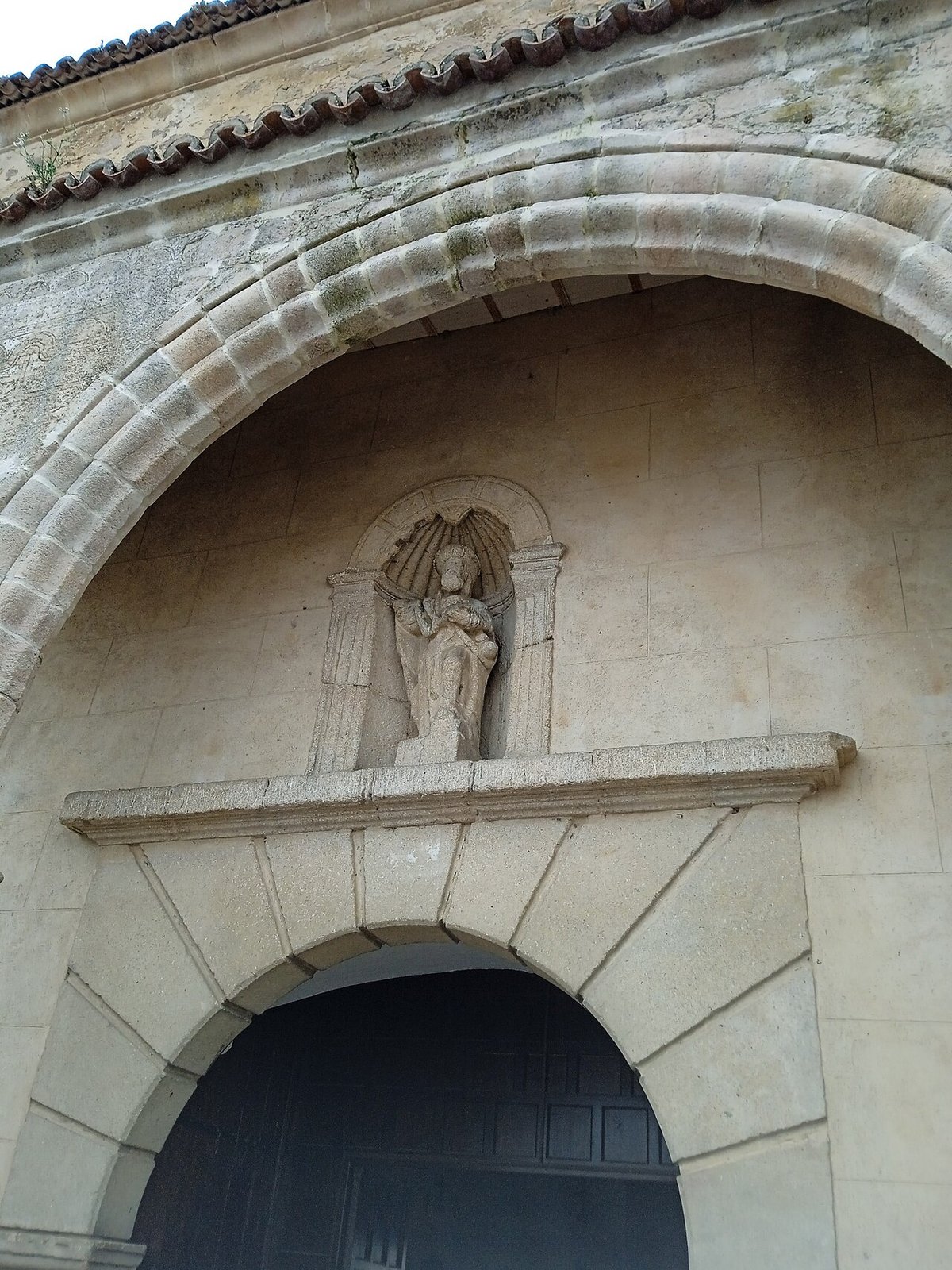
  • Church of San José Obrero
  • Tiétar valley setting

Activities

  • Rural life
  • Walks

Festivals
& & Traditions

Fecha agosto

Fiestas de San José (marzo)

Las fiestas locales son el momento perfecto para vivir la autenticidad de Tiétar.

Full Article
about Tiétar

A young municipality split from Talayuela; agricultural and dynamic

Ocultar artículo Leer artículo completo

The church bell strikes noon as two elderly men shuffle their playing cards beneath the plane trees. Neither looks up when a hire car rolls past—they've seen it before. Summer visitors, Madrid weekenders, the occasional Brit who've overshot Ávila and kept going. In Tietar, population 869, strangers aren't spectacle. They're simply people who haven't yet learnt that time here refuses to be measured in Instagram moments.

At 277 metres above sea level, Tietar sits low enough to avoid Gredos' snow-blocked passes yet high enough to catch mountain breezes. The altitude matters. July temperatures still hit 35°C, but mornings arrive cool and clean, the air stripped of valley humidity. Come December, when Madrid shivers under grey inversion layers, Tietar often basks in sharp winter sunshine. The microclimate creates Extremadura's longest growing season—local tomatoes linger on vines until November, and wild asparagus pushes through February soils.

Wandering the grid of whitewashed streets takes twenty minutes, thirty if you pause to peer through open doorways. Interior courtyards reveal themselves in flashes: terracotta pots of rosemary, hand-pumped wells, washing strung between iron balconies. It's domestic architecture rather than grand monuments, the kind of housing that evolved to suit shepherds returning from weeks in the dehesa rather than tourists seeking selfie backdrops. The parish church anchors the main square, its bell tower visible from every approach, though services nowadays compete with Sunday football on bar televisions.

Beyond the last houses, agricultural tracks dissolve into holm-oak pastureland. This is dehesa country—the ancient Spanish system that produces both ibérico ham and staggering biodiversity. Walking routes radiate outward for miles, though maps remain gloriously informal. Stop at Bar Central and ask José which path avoids the bull enclosure. He'll sketch directions on a beer mat: follow the stone wall until the abandoned threshing circle, turn left at the eucalyptus grove, look for vultures overhead. The terrein proves gentle underfoot—no Pyrenean gradients here—but summer walkers still need two litres of water and a hat. Shade arrives courtesy of individual trees rather than forests, and the nearest shop shuts for siesta at two.

Spring brings storks clattering on chimney nests, autumn delivers migrating honey buzzards riding thermals above the cereal fields. Birdwatchers should pack binoculars but leave camouflage at home—local farmers assume anyone skulking in ditches represents either a lost rambler or an inspector from the agricultural ministry. Both receive equal suspicion. Better to stand openly, ask permission, and accept the subsequent conversation about rainfall statistics and EU subsidy delays.

Cycling works too, though mountain bikes prove overkill. The old farm tracks favour sturdy hybrids with wider tyres; thin racing rubber punctures on flint shards. Morning rides roll through dew-damp pastures where black cattle watch incuriously. Afternoon returns become dustier affairs—tractor wheels grind the earth into fine powder that coats water bottles and lungs alike. September's first storms stabilise the surface, but by then summer's heat has driven most cyclists towards the river pools at Santa María, five kilometres north.

Food arrives without fanfare. Bar Central serves tortilla thick as house bricks, the egg still runny in the centre. Their chuletón—an Ávila beef chop weighing the better part of a kilo—costs €24 and feeds two hungry walkers. The house wine comes from nearby Candeleda, chilled in a freezer cabinet alongside ice lollies for village children. For lighter appetites, fresh goat's cheese arrives daily from a farm visible from the church tower. Spread it on toasted village bread, drizzle local honey, and you've assembled breakfast for under €3. Vegetarians survive on patatas revolconas—smoked paprika mash studded with crispy pork belly that most locals happily omit when asked politely.

Fiesta calendars follow agricultural rather than tourist rhythms. March brings the matanza—pig killings that increasingly occur in licensed abattoirs rather than back kitchens, though grandmother recipes persist. August sees returning emigrants inflate population figures to maybe 1,200; they organise late-night football tournaments and outdoor discos that finish at dawn. Visitors booking rural houses during these weekends should embrace noise or choose earplugs—complaining about music in a village that waits all year for its young people marks you instantly as an outsider.

Practicalities require planning. The nearest cash machine hides 12 kilometres away in La Adrada—withdraw before arrival because Bar Central closed their card reader after fees ate the weekend profit. Fill the hire car too; petrol stations follow siesta hours and Sunday closures with religious dedication. Phone signal flickers between one bar and none depending on cloud cover; download offline maps before leaving Madrid's orbital motorway. Most rural houses include Wi-Fi, though connections drop whenever the neighbour's microwave interferes. Bring a paperback.

Winter visits deliver different rewards. January fog pools between oak trunks, transforming familiar paths into something approaching magical realism. Daytime temperatures hover around 12°C—perfect walking weather if you pack a fleece. Nights drop to zero, when village cats claim car engines for warmth. Bars light log fires and serve warming bowls of caldo—chickpea broth thick with chorizo slices. Accommodation prices halve, though some restaurants close entirely. Ring ahead rather than assume.

The honest truth? Tietar won't sustain a week-long holiday unless you're writing a novel or learning Spanish through stubborn immersion. It functions better as a two-day pause between medieval Ávila and university town Salamanca, or as a base for hiking the Gredos cirque an hour's drive north. Come expecting gentle rhythms rather than grand spectacles. The reward lies in watching everyday Spain continue its centuries-old negotiation between tradition and Netflix, between young people who leave and grandparents who stay. When the church bell strikes seven and bar terraces fill with workers sharing cañas, you'll understand why nobody here bothers with the word "authentic." They're too busy being it.

Key Facts

Region
Extremadura
District
Campo Arañuelo
INE Code
10904
Coast
No
Mountain
No
Season
summer

Livability & Services

Key data for living or remote work

2024
ConnectivityFiber + 5G
HealthcareHealth center
EducationHigh school & elementary
Housing~5€/m² rent · Affordable
CoastBeach 19 km away
January Climate7.3°C avg
Sources: INE, CNMC, Ministry of Health, AEMET

Planning Your Visit?

Discover more villages in the Campo Arañuelo.

View full region →

More villages in Campo Arañuelo

Traveler Reviews