Full Article
about Toril
In the Monfragüe Biosphere Reserve; noted for its 'Pórtico de Monfragüe' Visitor Centre
Hide article Read full article
A quiet start in a small Extremadura village
At that hour when the sun has yet to touch the rooftops, Toril’s main square is almost silent. A chicken clucks somewhere in the background and a car passes slowly, its sound sharp in the still air. There is a faint smell of damp earth and spent firewood. Tourism in Toril begins like this: with the village waking gently and no one watching the clock.
This small municipality in the Campo Arañuelo has around 157 inhabitants. It sits a short distance from Navalmoral de la Mata, reached by local roads that cross open dehesa, the characteristic landscape of pasture and scattered trees found across this part of Extremadura. It is not a place built around plans or packed itineraries. It feels more like a pause along the way, a slow walk through a handful of streets and a clear sense that life moves differently here.
Modest architecture with a long memory
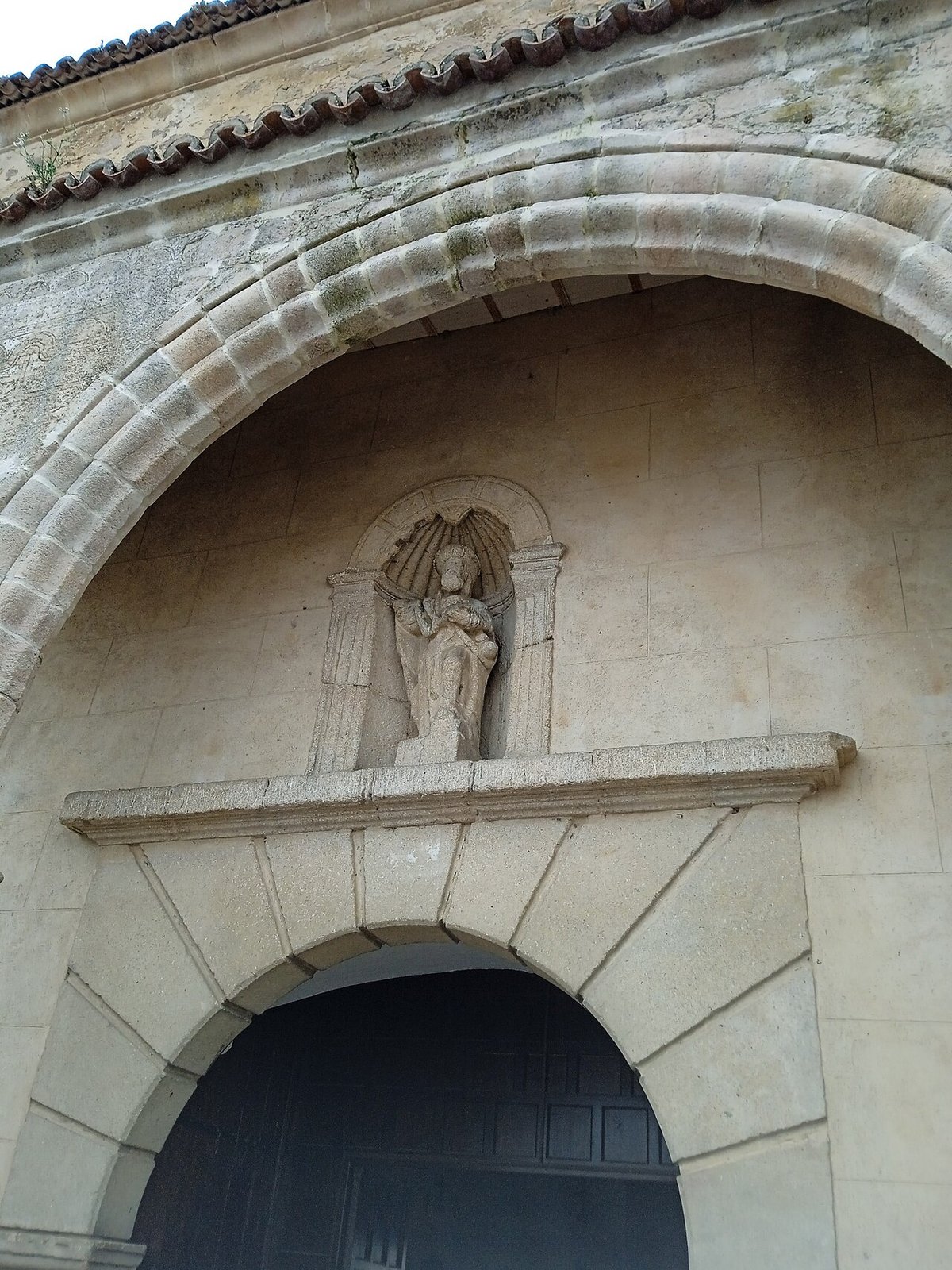
At the centre of the square stands the parish church of San Bartolomé. Its stone walls and simple lines give it a restrained presence, with a bell tower that rises just enough above the rest of the village. The building is old, likely dating back to when Toril first began to take shape around these agricultural lands. There is no excess decoration, only the impression of something solid and built to last.
The nearby streets, Mayor, La Fuente and a few others that seem to branch out without a strict plan, are lined with whitewashed houses and wide doorways. Many open onto back yards or corrals. In summer, when doors are left slightly ajar, glimpses of daily life appear inside: chicken coops, neatly stacked firewood, or small vegetable plots with tomato plants.
Stork nests are a common sight on posts throughout the village. They remain there all year, as if quietly overseeing the slow rhythm below.
The landscape beyond the streets
A short walk is enough to leave the village behind and step into open countryside. The dehesa stretches out around Toril, with holm oaks spaced apart as though each tree needed its own territory. On still days, the distant sound of cowbells carries across the fields, joined in summer by the steady hum of insects.
Dirt tracks lead out from the village, used for working the land or moving between plots. Some can be followed on foot without difficulty. There are no marked routes or signposted trails, but they offer a straightforward way to understand the landscape of the Campo Arañuelo: flat ground, uneven patches of shade beneath the oaks, and livestock moving at an unhurried pace.
Care is needed when walking here. Much of the land is private, and gates usually indicate boundaries. If a gate is closed, it is best to leave it as it is.
With a bit of patience, birds of prey can sometimes be seen circling overhead. Flocks of jackdaws and storks also use posts and trees as resting points. A pair of binoculars can change the experience quite noticeably.
Daily life shaped by rural traditions
Life in Toril remains closely tied to the countryside. In autumn, acorns lie scattered beneath the oaks and there is visible activity in the surrounding fields. Winter brings one of the long-standing domestic traditions of rural Spain: the slaughter of the pig. It is not a public event or something arranged for visitors. It takes place behind closed doors, part of the household calendar.
The main local celebrations revolve around San Bartolomé in August. At that time, the village fills with more people and the square regains a livelier atmosphere in the evenings. There is also the romería of the Virgen del Rosario, a traditional pilgrimage linked to the countryside and older agricultural cycles.
During these days, it is common to see long tables set up outdoors, bread cut by hand, and conversations stretching out as the afternoon fades into evening.
Getting there and moving around
The closest reference point is Navalmoral de la Mata. From there, Toril can be reached in just a few minutes by car along local roads that cross the surrounding comarca.
The village itself is small enough to explore on foot without effort. There are few services and little accommodation within Toril, so those wishing to stay nearby usually base themselves in neighbouring towns. It is worth arriving with some preparation and enough fuel.
When to visit for the right atmosphere
Spring changes the appearance of the countryside. The holm oaks cast denser shade and flowers begin to appear among the grass. It is a good time to walk without the intensity of summer heat.
In summer, the sun becomes strong from midday onwards. Visiting earlier in the day or waiting until late afternoon makes things more comfortable.
Autumn brings drier tones and quieter days. At that hour when the sun begins to drop and the dust on the ճանապարհ turns golden, Toril slips back into near silence. That moment, more than any plan or landmark, tends to stay in the memory after leaving.